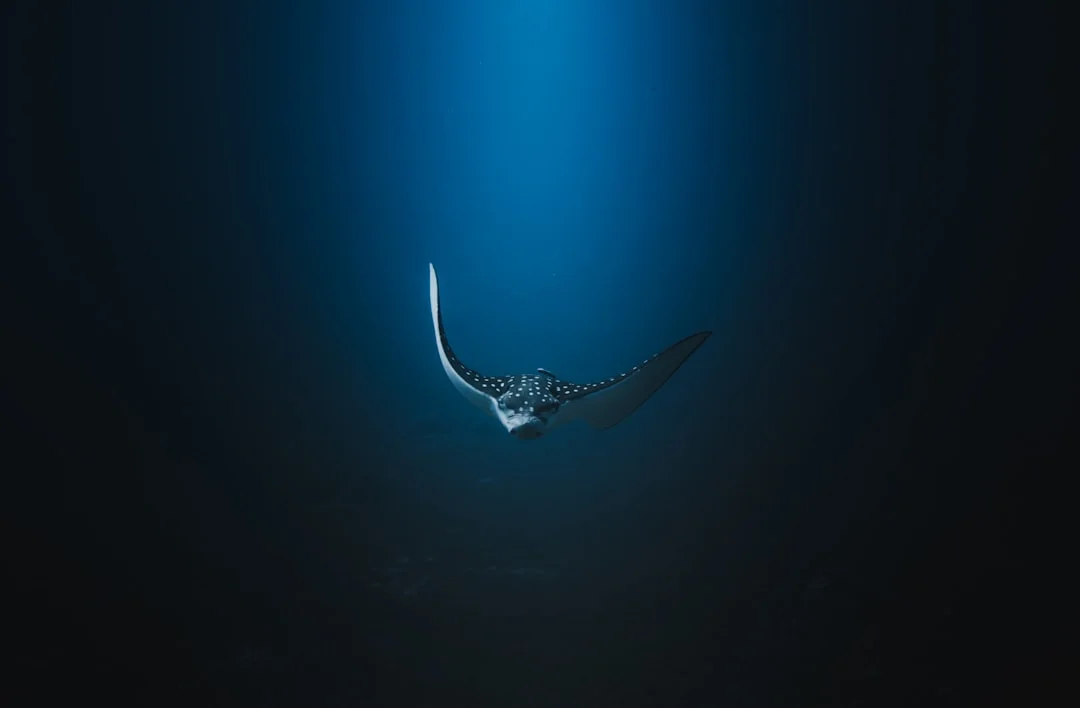
Spotted Eagle Ray
Destination note
Year-round resident but most active during the Kusi monsoon (June–October). Commonly sighted at Fundu Gap, Njao Gap, Leven Bank, and the Pemba Channel drift sites. Often seen in small groups of 2–5 individuals.
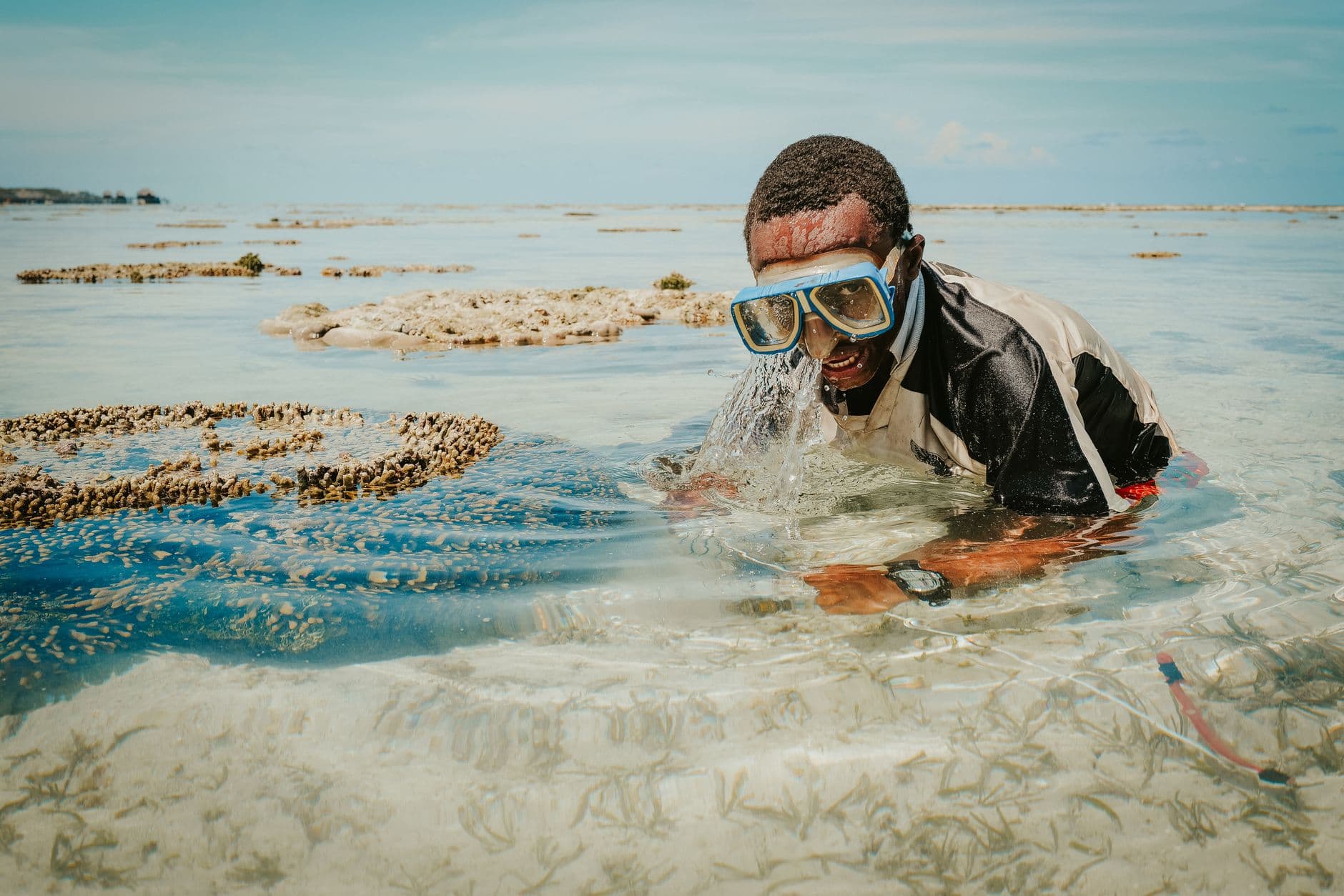
Tanzania
Photo by Peter Holmboe on Pexels
Discover the Spice Islands: Zanzibar's underwater world — from the legendary Mnemba Atoll to the shark-filled channels of Pemba — offers Africa's finest Indian Ocean diving. Zanzibar combines the cultural richness of Stone Town's spice-scented alleyways with pristine coral reefs. Drift through Mnemba Atoll's gin-clear waters, encounter whale sharks at Leven Bank, or brave Pemba's legendary Fundu Gap — home to grey reef sharks, eagle rays, and manta rays. Year-round warm water, world-class visibility June–October, and Africa's most accessible island diving.
Select a pin to learn more. Use the zoom buttons or pinch to zoom.
Loading map…
40 places have no verified map location yet. Browse the page lists for more places.
24.7–30.8 °C
15–30 m
3–40 m
Moderate
July to October (dry season, best visibility 20-30m, cooler water 25-27°C, manta season)
| Month | Summary |
|---|---|
| Jan | Warm water 28.6°C, Kaskazi monsoon from northeast, visibility 15-22m. Hot and humid with less rain. Peak tourist season. Whale shark season begins (Nov-Mar). Good diving on east coast. |
| Feb | Warm water 28.6°C, Kaskazi monsoon continues. Visibility 15-22m. Hot and humid. Peak tourist season. Whale sharks at Leven Bank. Good conditions on east coast. |
| Mar | Warmest water 29.3°C. Long rains begin (Masika). Visibility drops to 10-18m. Variable weather. Last month of peak whale shark season. Fewer crowds as low season approaches. |
| Apr | Water 29.2°C, long rains heaviest. Reduced visibility 10-15m. Rougher seas. Least recommended month for diving. Plankton bloom affects clarity. Possible travel disruptions from heavy rain. |
| May | Water 28.3°C, end of long rains season. Visibility improving 10-18m. Variable conditions. Transitional month. Fewer tourists. Bottom season for diving but still diveable on leeward sites. |
| Jun | Water 26.9°C, Kusi monsoon begins from southeast. Visibility 15-25m. Cooler and drier. Southeast winds create rougher seas on east coast but leeward (west) diving is excellent. Manta season begins. |
| Jul | Cool water 26.0°C, Kusi monsoon. Best visibility 20-30m. Leeward diving at its finest. Manta rays at cleaning stations (Mnemba, Pemba). Humpback whales begin passing through Pemba Channel. Excellent for experienced divers. |
| Aug | Coolest water 25.6°C, peak Kusi monsoon. Best visibility of the year 20-30m, up to 40m in Pemba Channel. Manta peak. Humpback whales. Cooler air 22-28°C. Premier diving conditions overall. |
| Sep | Water 25.9°C, Kusi continues. Excellent visibility 20-30m. Dry season. Humpback whales continue. Manta sightings still strong. Great conditions for Pemba Channel drift dives. Pleasant air temperatures. |
| Oct | Water 26.6°C, transition from Kusi to short rains. Visibility 15-25m. Short rains (Vuli) begin — lighter than long rains. Good diving overall. Less predictable weather. Fewer crowds. |
| Nov | Water 27.9°C, short rains season. Visibility 15-22m. Water warming up again. Whale shark season begins. Transitional conditions. Leven Bank whale sharks start appearing. Good prices. |
| Dec | Water 28.6°C, Kaskazi monsoon begins. Visibility 15-22m. Warm water returns. Whale sharks at Leven Bank. Tourist season ramps up. Hot and humid. Good visibility returns to east coast sites. |
5–14m · Beginner
Coral garden
Baobab tree landmark · Butterflyfish
2–8m · Beginner
Macro photography
Shallow protected bay · Mangrove-fringed
10–25m · Intermediate
Coral bommies · Sandy bottom · Moray eels
3–12m · Beginner
Snorkeling
Shallow fringing reef · Giant tortoises
3–14m · Beginner
Private island coral park · MPA · Pristine coral reef
8–28m · Intermediate
Coral-covered pinnacle · Dense fish life · Current can pick up
10–35m · Advanced
Drift dive · Strong currents · Reef sharks
3–16m · Beginner
Fringing reef · Turtles
Seagrass areas
Species recorded in this destination's wider regional catalogue. A species being listed here does not mean it is seen at this destination — check the note on each card.
Spotted Eagle Ray
Destination note
Year-round resident but most active during the Kusi monsoon (June–October). Commonly sighted at Fundu Gap, Njao Gap, Leven Bank, and the Pemba Channel drift sites. Often seen in small groups of 2–5 individuals.
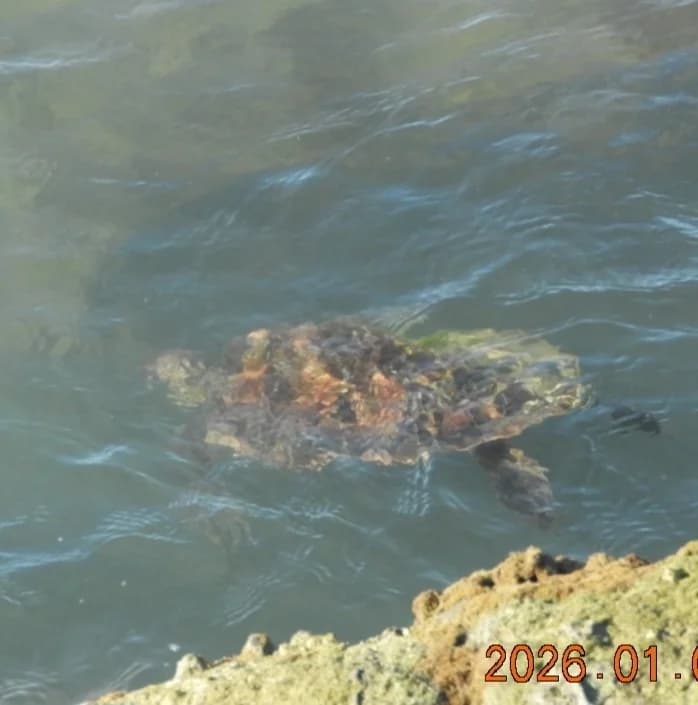
Green Sea Turtle
Destination note
Year-round resident and the most commonly encountered turtle species in Zanzibar. Guaranteed sightings at Mnemba Atoll (House Reef, The Wall), Chumbe Island, Misali Island, and Matemwe Reef. Highest density during the Kusi season when visibility is best.
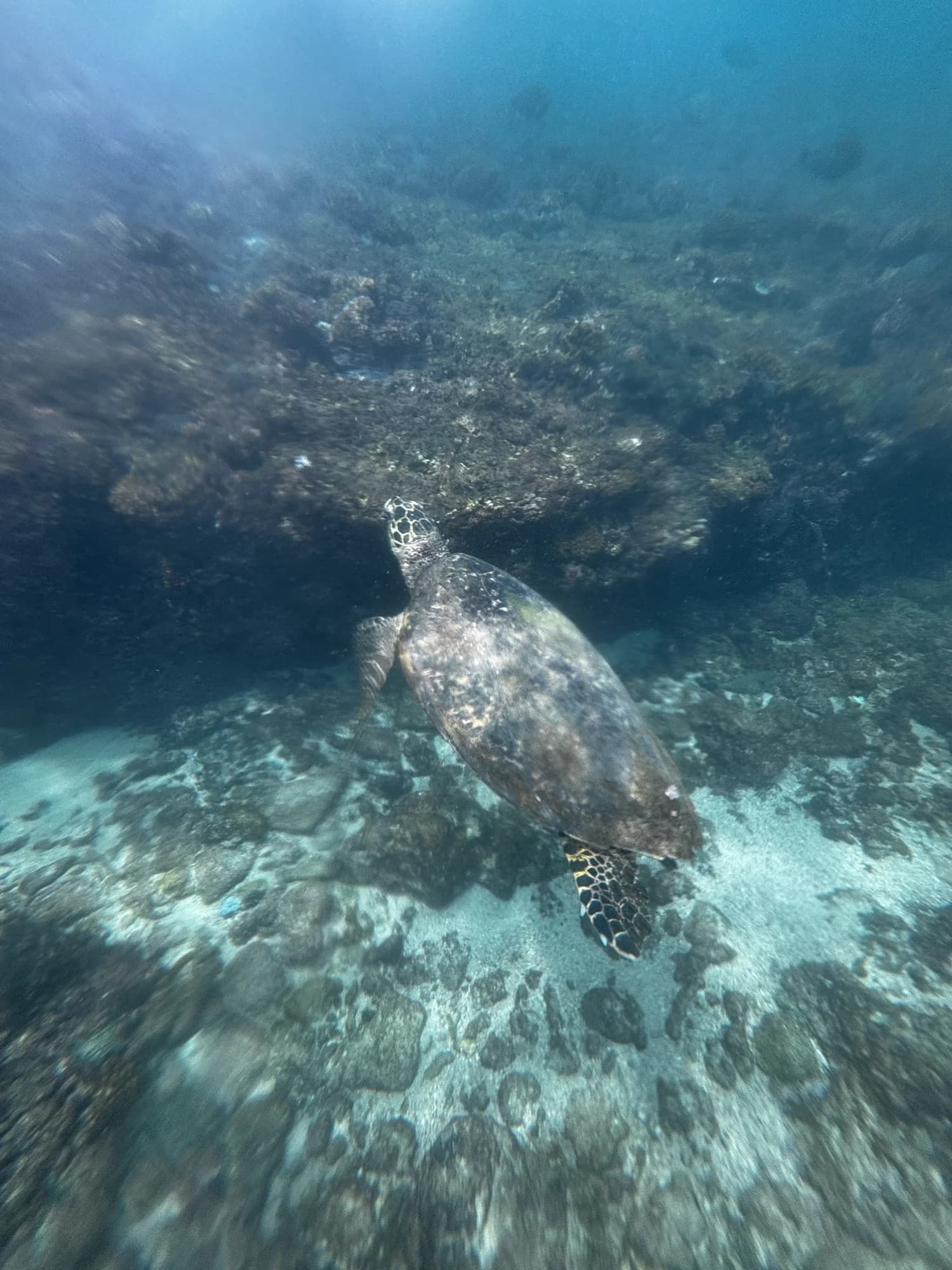
Hawksbill Turtle
Destination note
Common year-round on coral reef systems. Frequently sighted at Mnemba Atoll (Watumbi Reef, Boribi Reef), Misali Island, and Tumbatu Coral Gardens. Sightings are more reliable on healthy coral reefs than in seagrass areas.
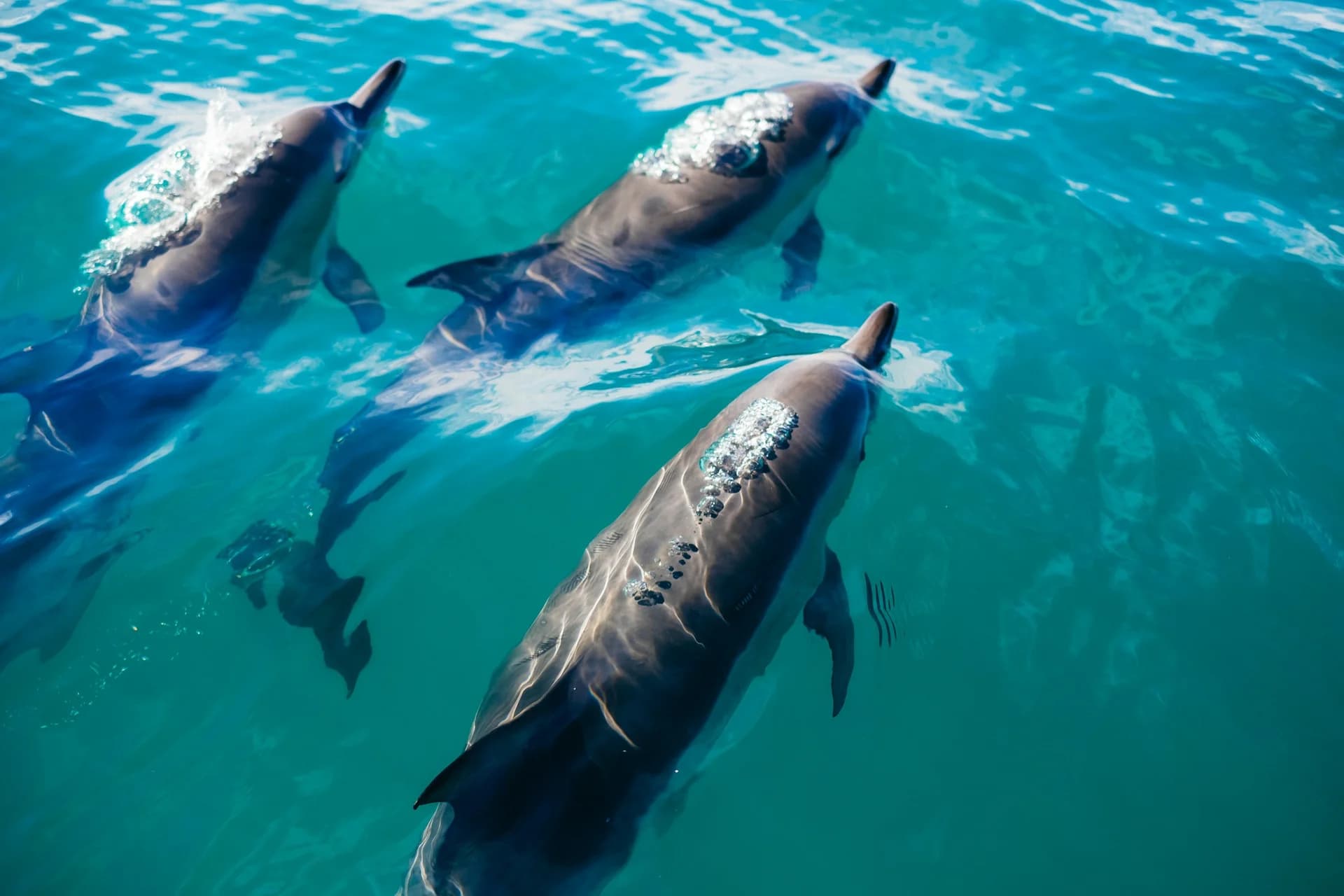
Atlantic Bottlenose Dolphin
Destination note
Year-round resident in Menai Bay Conservation Area near Kizimkazi. Reliable dolphin-watching tours operate daily. Also sighted in the Pemba Channel and around the Mnemba Atoll. Early morning (6–8 AM) offers the best encounters.
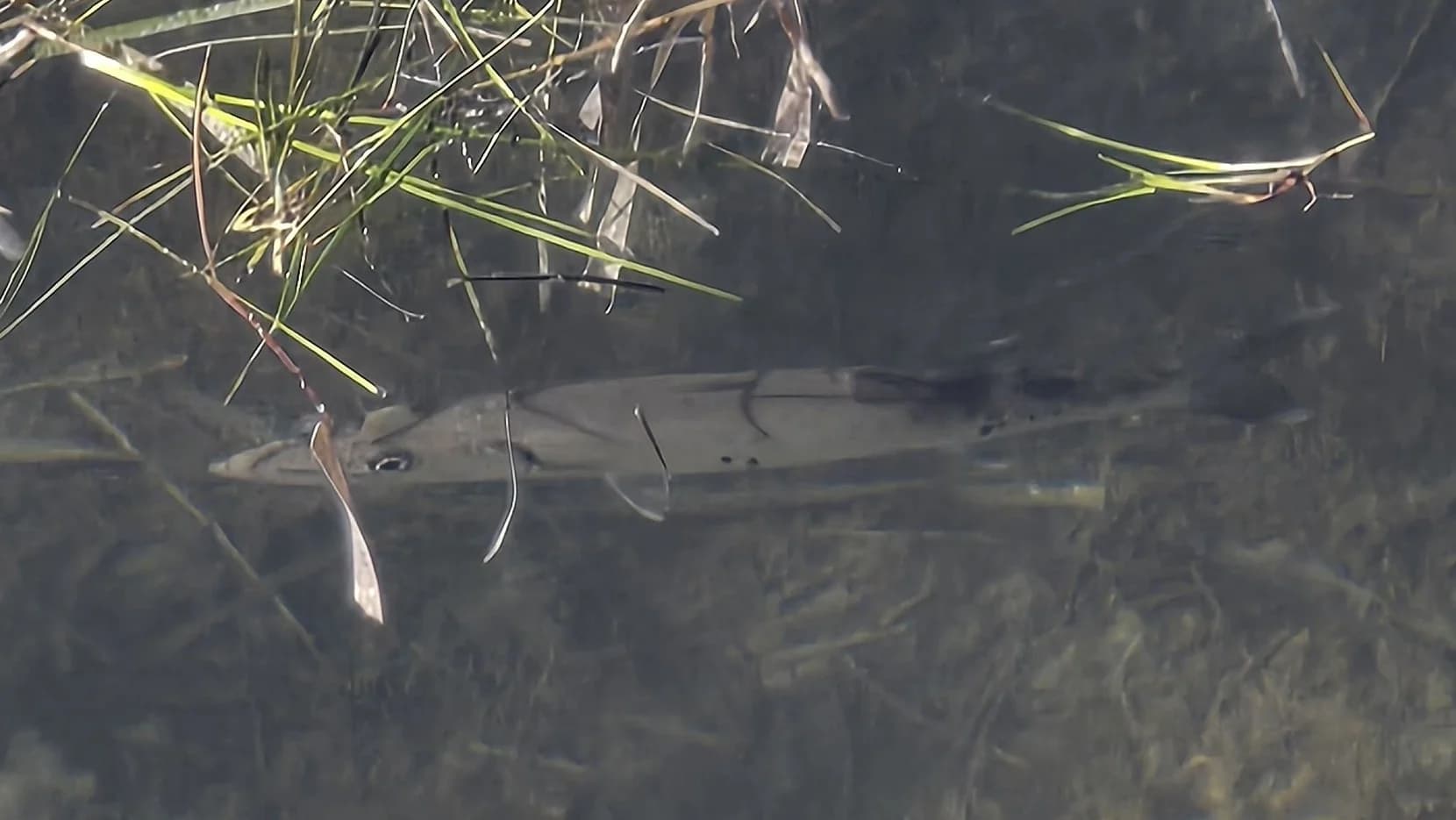
Great Barracuda
Destination note
Common year-round at all reef systems. Often seen in loose schools near drop-offs and channel entrances. Particularly abundant at Mnemba Atoll Wall, Leven Bank, and Fundu Gap.
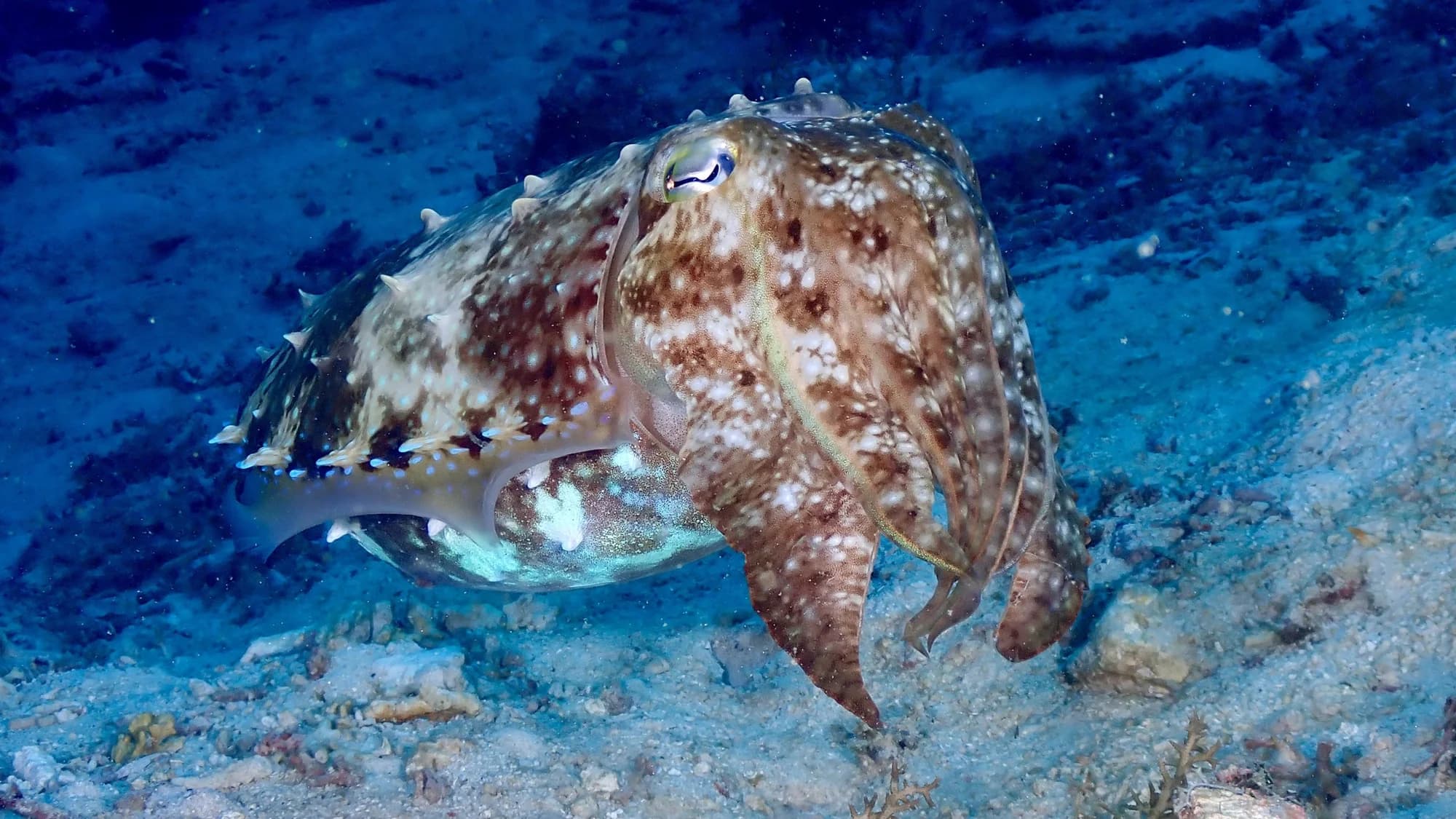
Broadclub Cuttlefish
Destination note
Common year-round on coral reefs and sandy areas. Frequently sighted at Mnemba Atoll, Nungwi Reef, and Chumbe Island. Most active during morning and late afternoon.
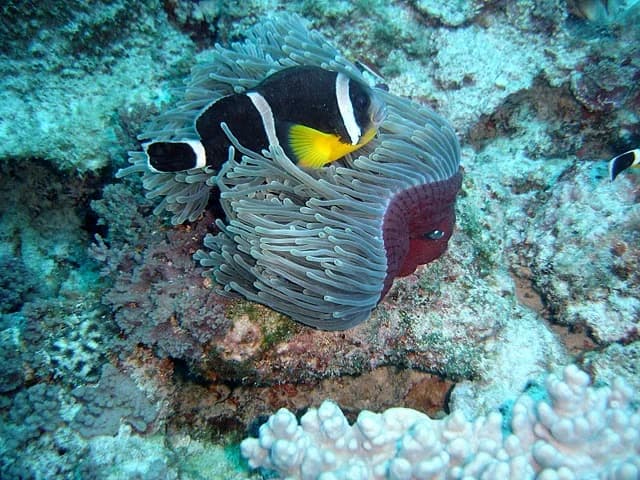
Mauritian Anemonefish
Destination note
Common year-round in shallow reef areas with sea anemones. Most frequently sighted at Mnemba Atoll, Pange Reef, and Chumbe Island at depths of 2–15m.
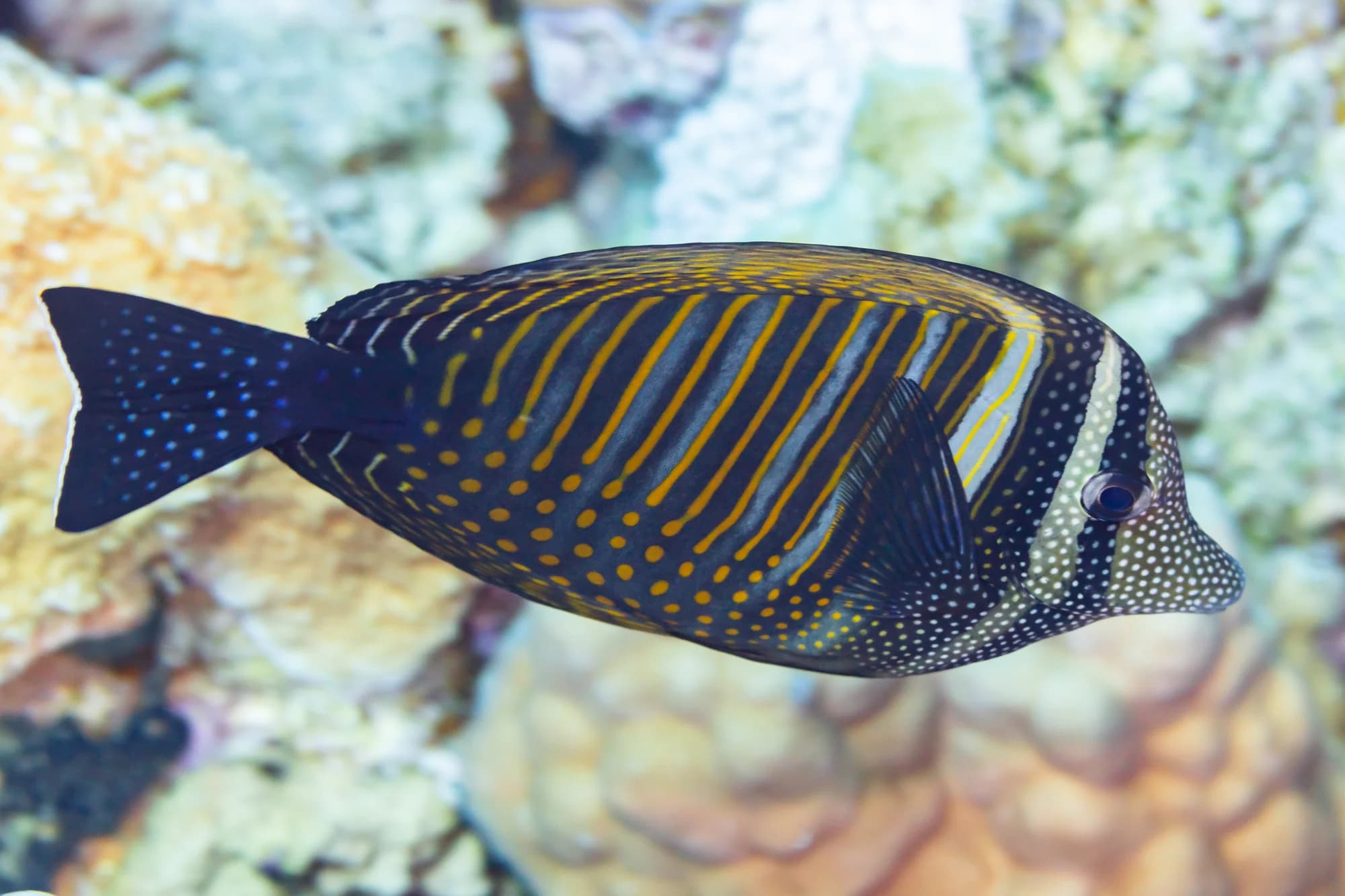
Red Sea Sailfin Tang
General species description, not specific to this destination
A sailfin tang with a deep disk-shaped body, high dorsal and anal fins, and ornate vertical striping with spots on the head and body. When its fins are extended it appears much taller than most surgeonfishes. Like other tangs, it has a sharp scalpel-like spine near the tail base.
Triton's Trumpet
General species description, not specific to this destination
A very large marine snail with a thick, high-spired shell patterned in cream and brown, and a fleshy foot used for slow crawling. It is famous as a predator of crown-of-thorns starfish, helping balance reef ecosystems. The impressive shell makes it vulnerable to collecting, so live animals should be left in place.
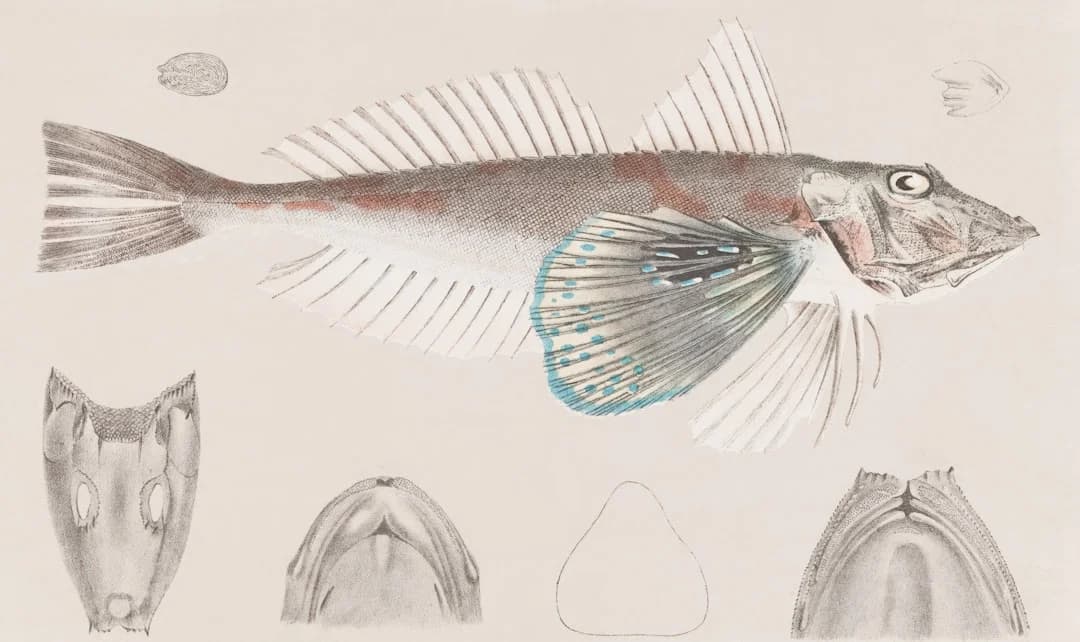
Harlequin Sweetlips
Destination note
Common year-round on coral reefs. Frequently sighted at Mnemba Atoll, Chumbe Island, and Misali Island. Adults solitary near coral heads; juveniles in shallow sheltered areas.
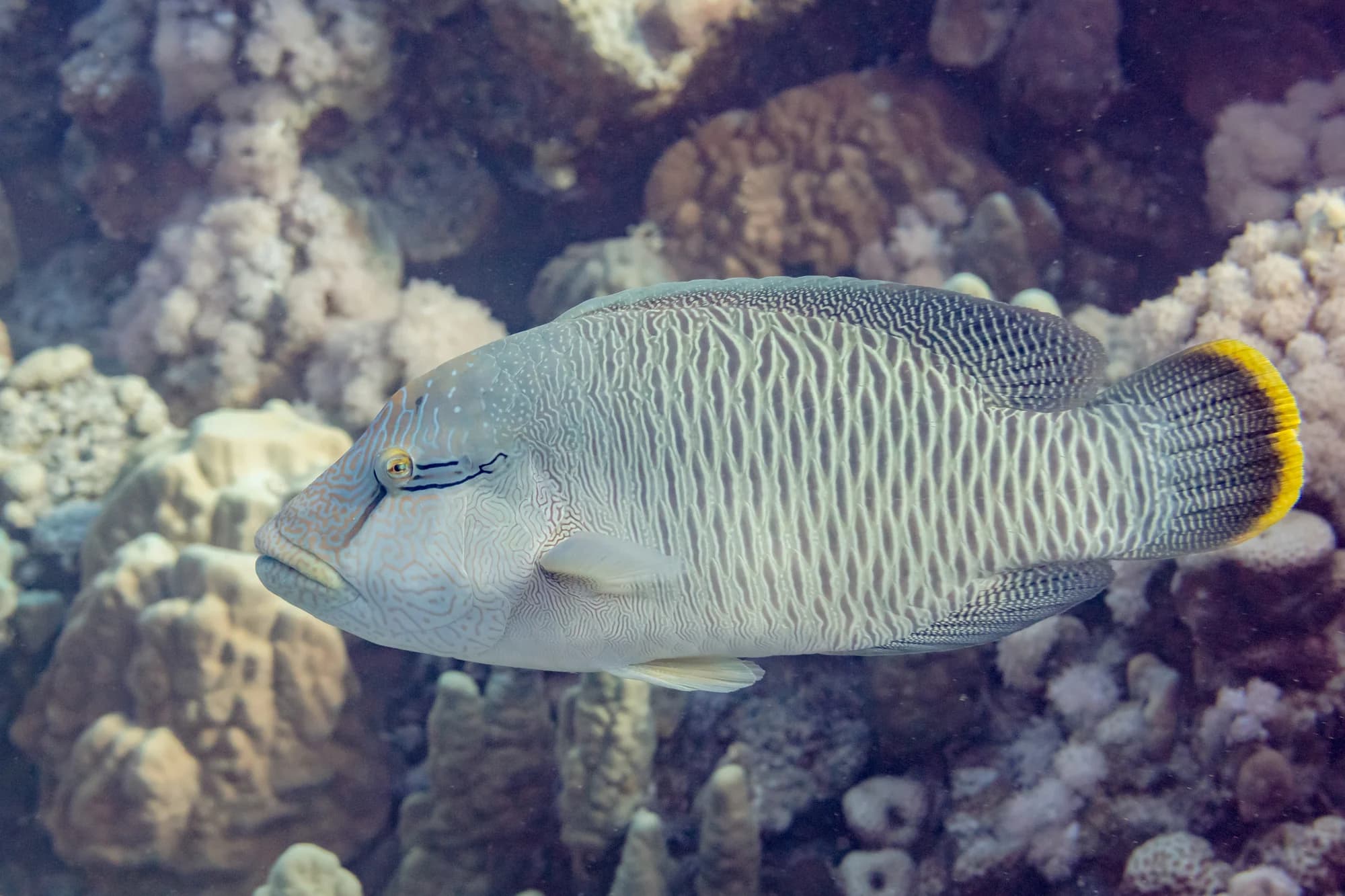
humphead wrasse
Destination note
Resident but not abundant. Most reliably sighted at Fundu Gap and Njao Gap in Pemba. Also reported at Tumbatu East Wall and Leven Bank. Sightings are most common during the Kusi monsoon (June–October).
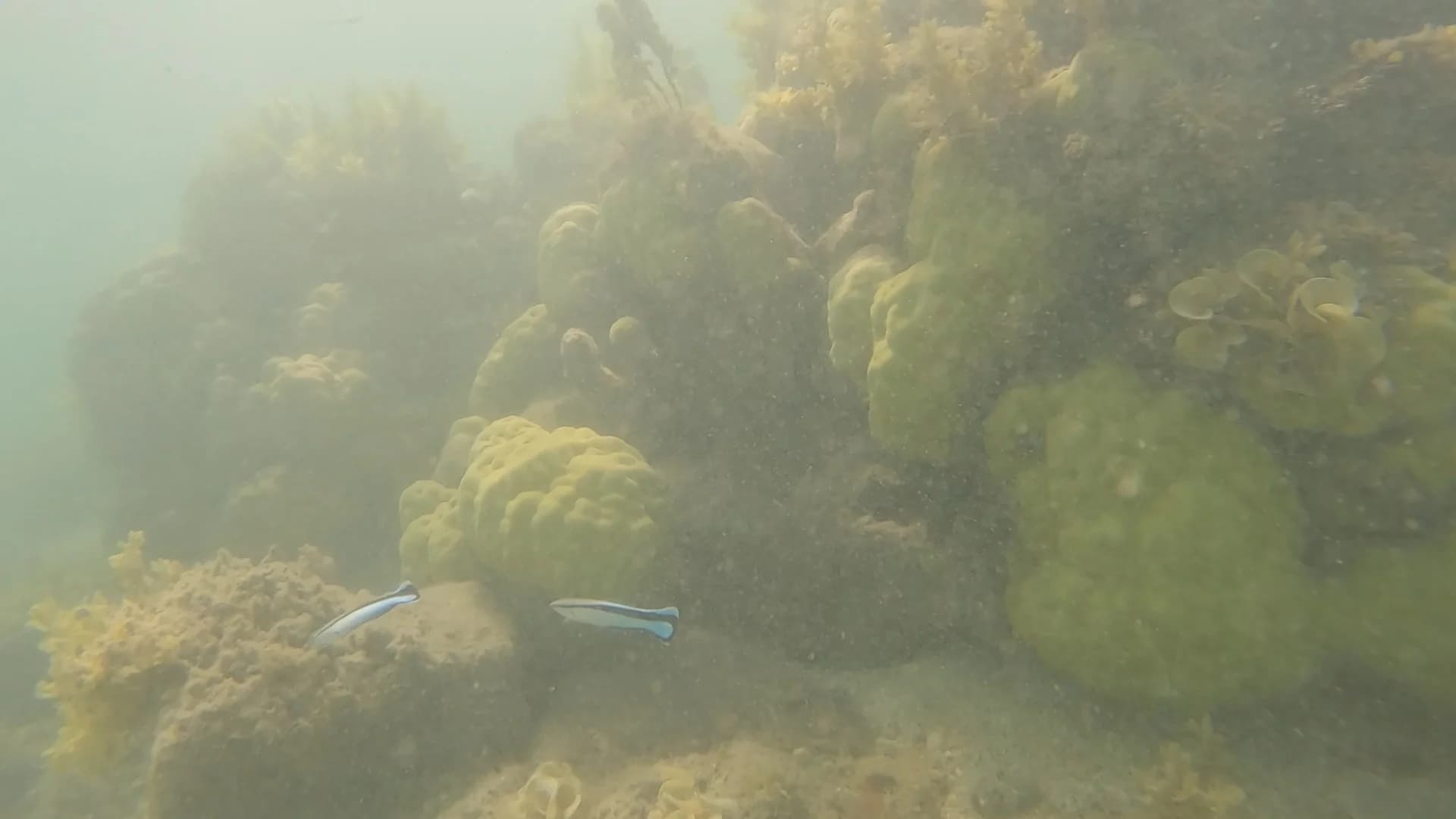
Bluestreak Cleaner Wrasse
Destination note
Guaranteed sighting on every reef dive in Zanzibar. Cleaning stations at prominent coral heads across all sites. Most active 8 AM–4 PM.
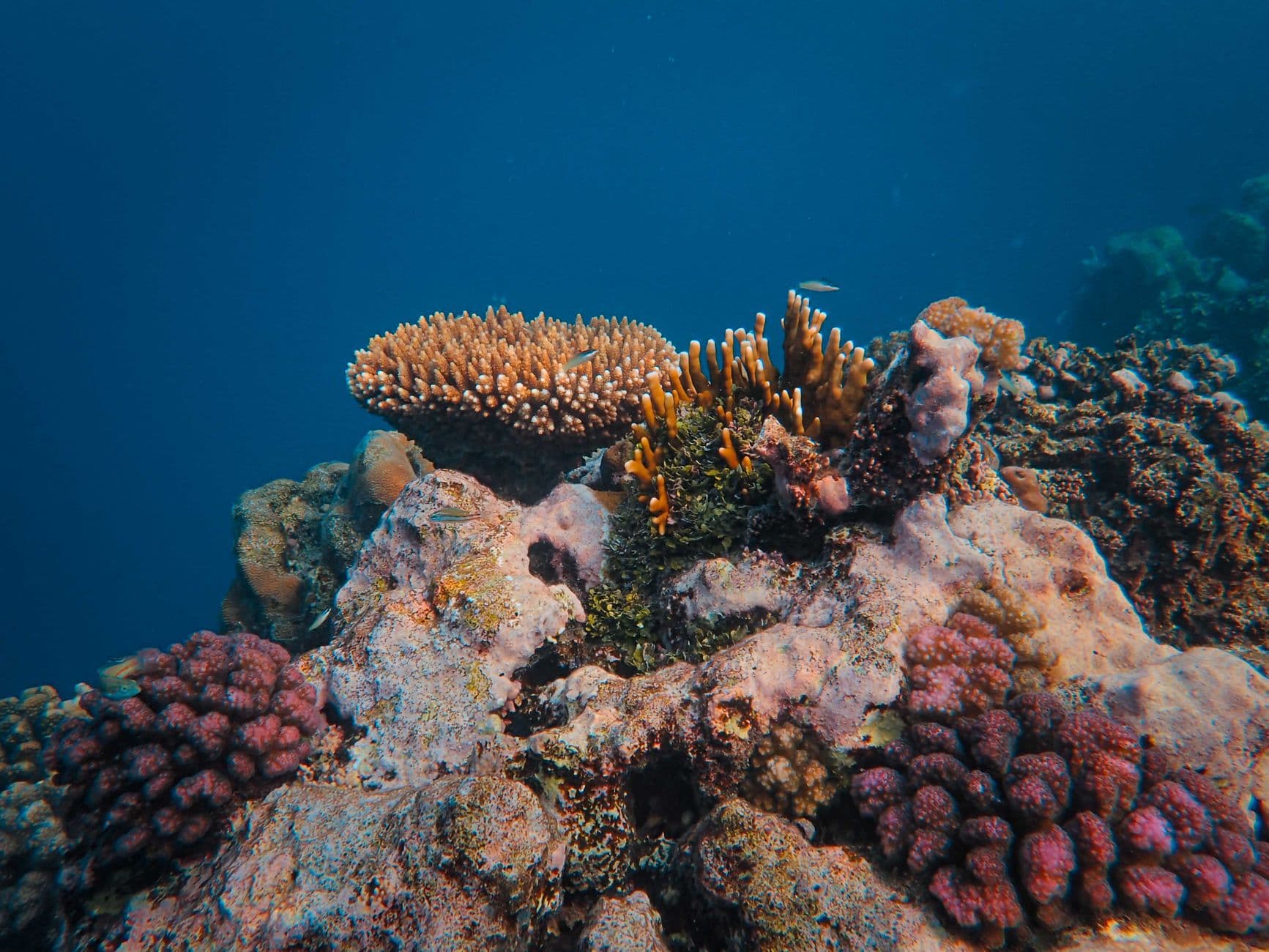
Dive Zanzibar's best sites — from Mnemba Atoll's turtle-filled reefs to Pemba's shark-filled Fundu Gap — ranked with full details.
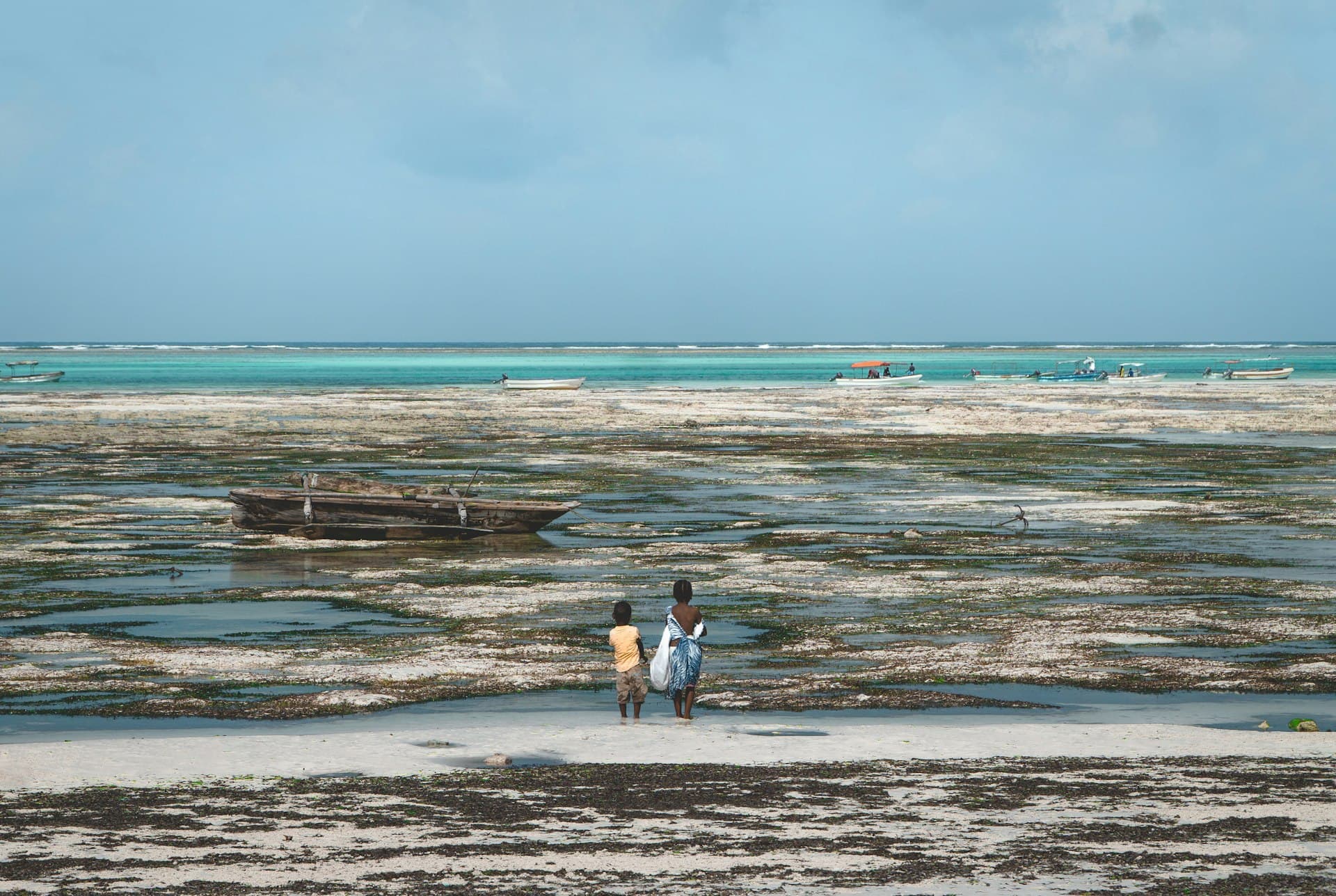
Dive Zanzibar's two islands — explore Mnemba Atoll's turtle-filled reefs, drift Pemba's shark-filled channels, and meet whale sharks at Leven Bank.
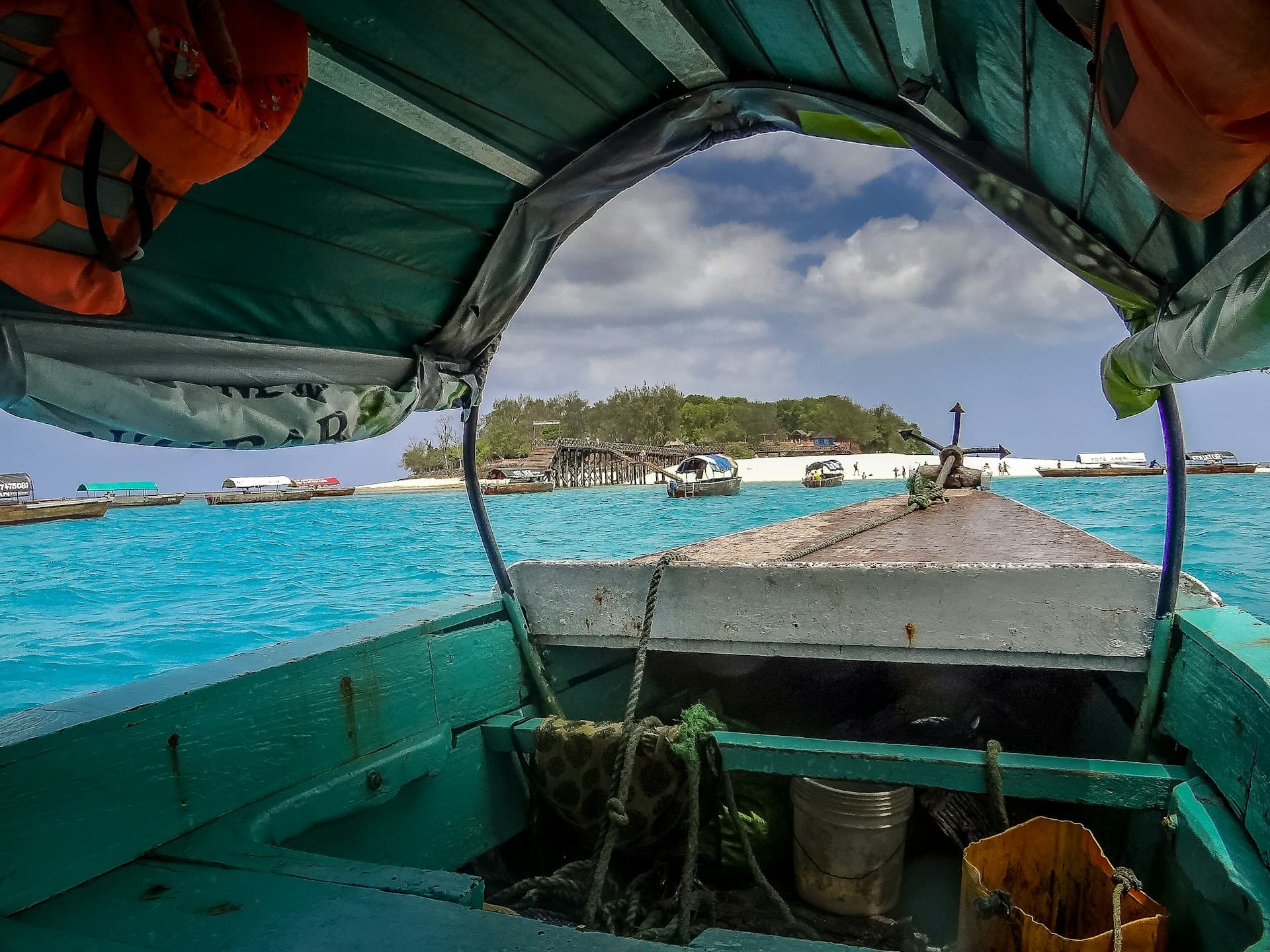
Water 25–30°C, visibility 15–40 m, and two monsoons — the complete month-by-month guide to diving conditions in Zanzibar.
Offline access, dive log, AI fish ID, live site maps, and trip planning.
Download on the App Store