Vietnam (Con Dao & Southern Islands)

Vietnam

Diving in Vietnam (Con Dao & Southern Islands)

30 sites98 species24–31 °C5–25 m vis

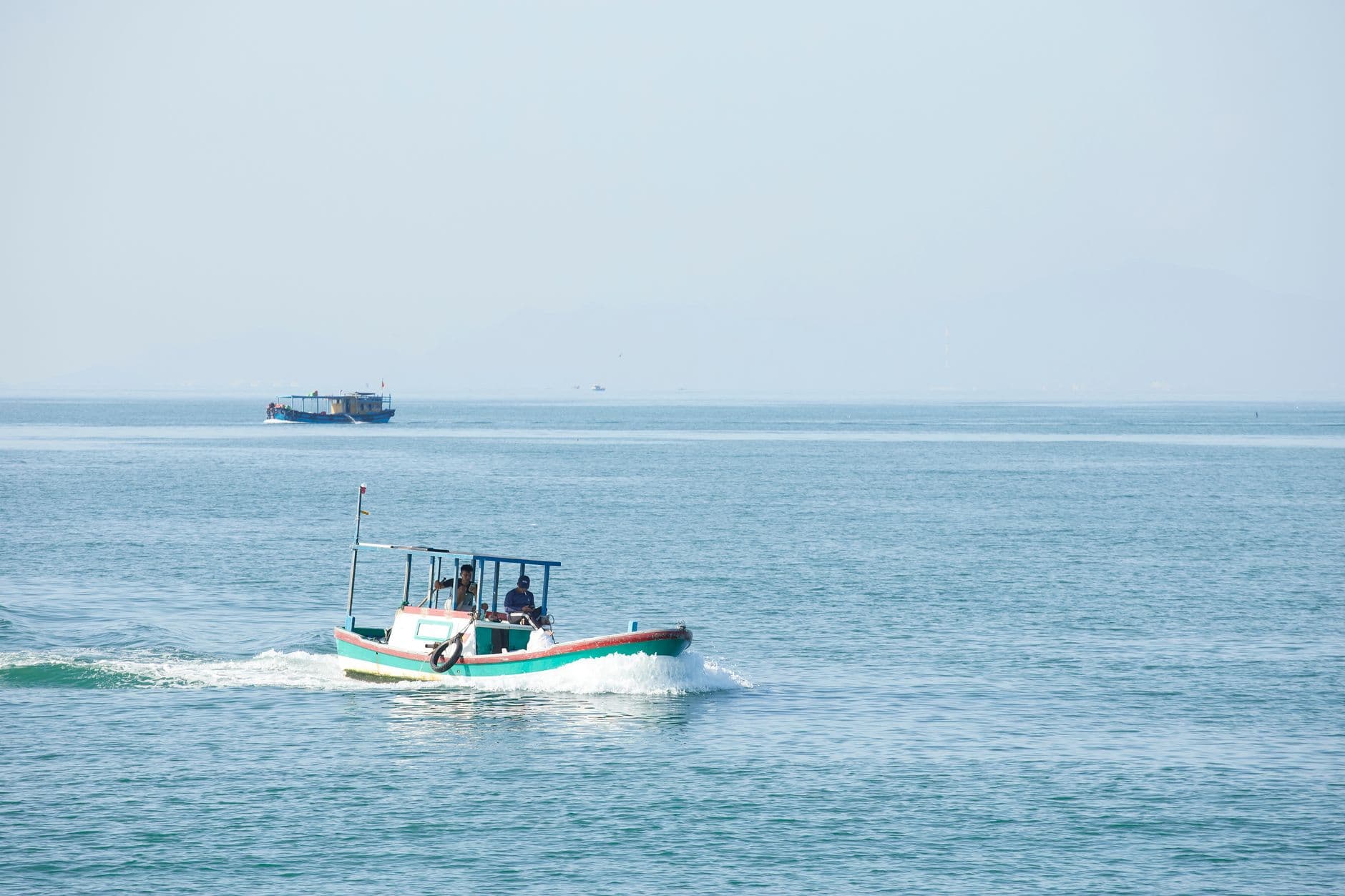
Photo: Neve / Pexels

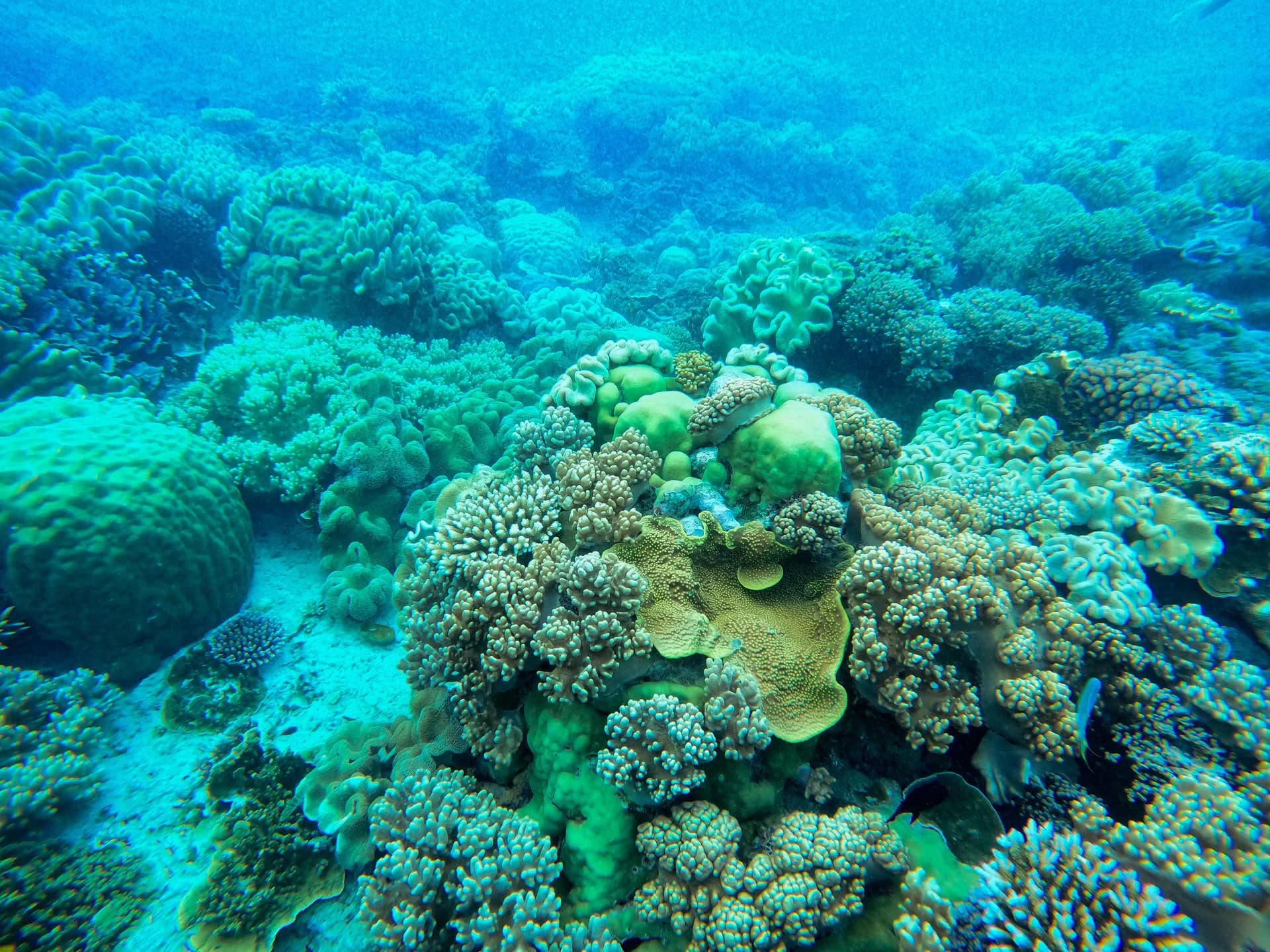
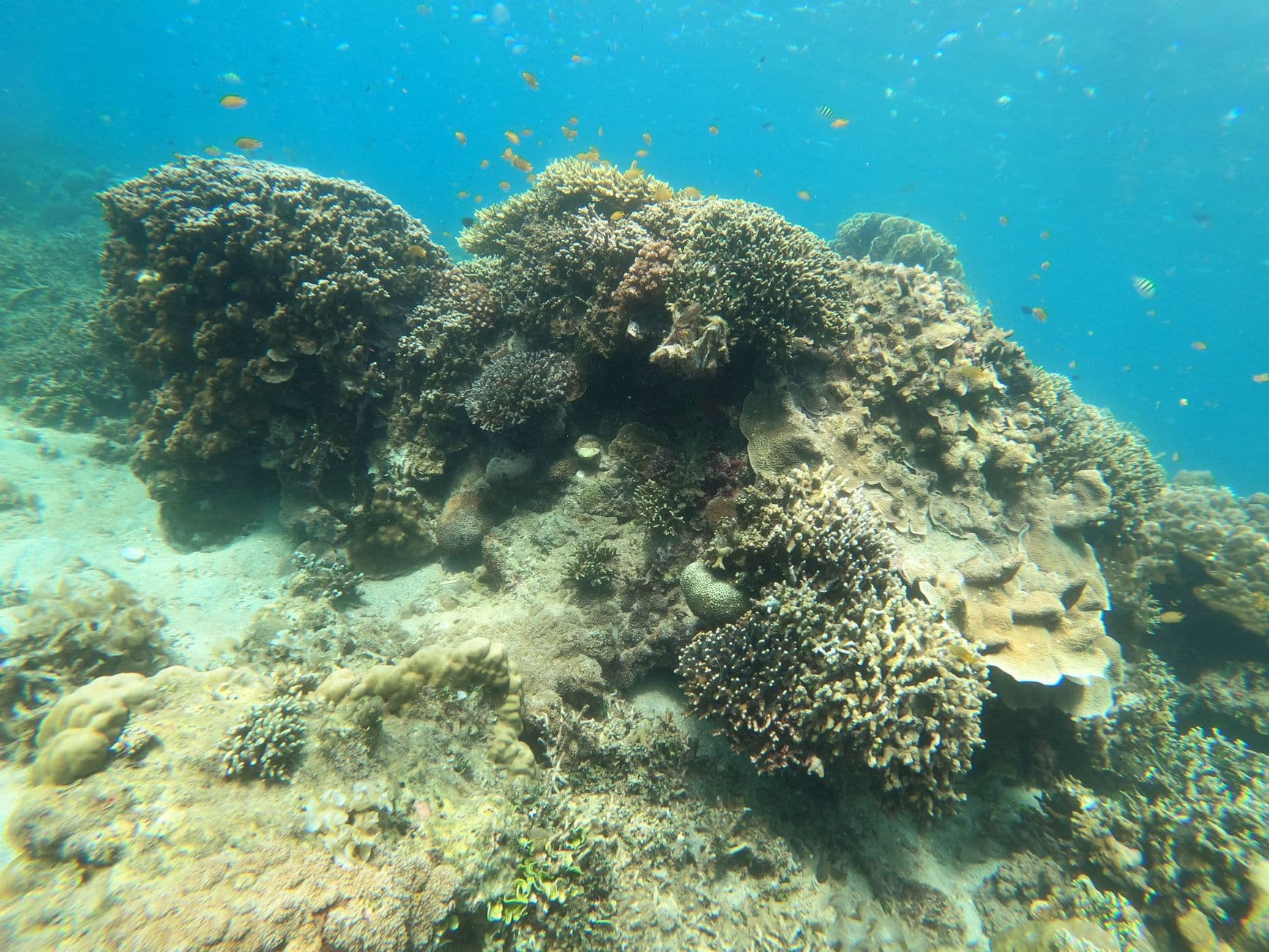
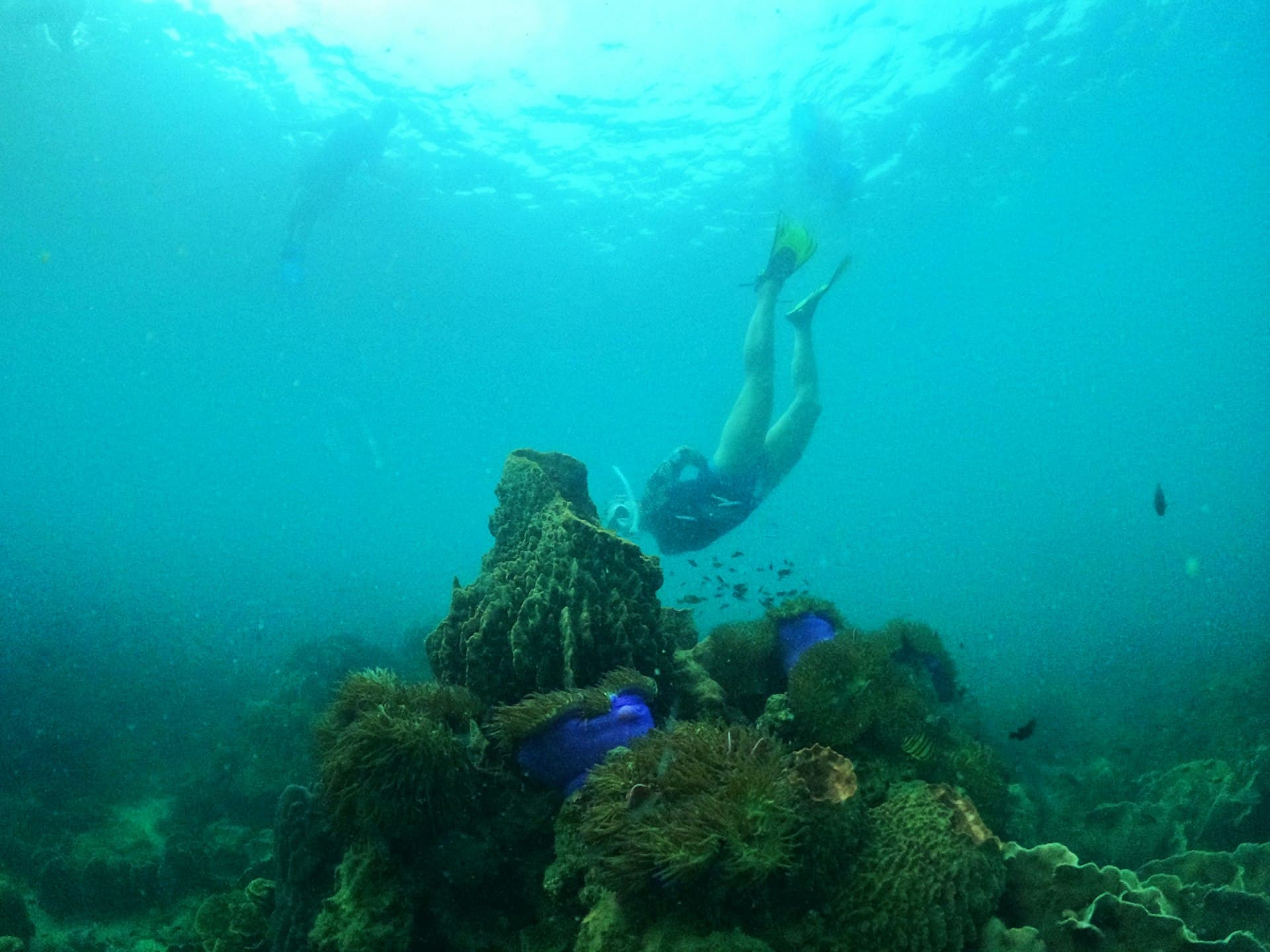
Vietnam's 3,260km coastline offers some of Southeast Asia's most underrated diving. From the pristine, remote reefs of Con Dao to the coral-rich Hon Mun Marine Protected Area and the developing waters of Phu Quoc, Vietnam is the dive destination you haven't tried — but should.

Con Dao is one of Vietnam's most important sea turtle nesting grounds — green and hawksbill turtles nest on Bay Canh Island beaches from June to SeptemberHon Mun MPA (Nha Trang) is one of the FIRST four marine protected areas in the world recognized by the IUCNThe dugong (sea cow) — one of the rarest marine mammals in SE Asia — still inhabits Con Dao's seagrass meadowsVietnam has over 1,200+ species of marine fish and 300+ species of hard coralWhale sharks visit the waters off Nha Trang and Con Dao seasonally (February–May)Con Dao Prison (the "tiger cages") held Vietnamese revolutionaries during French colonial rule — now a national pilgrimage site for Vietnamese touristsPhu Quoc produces the finest fish sauce in Vietnam, protected by an appellation of originThe Cham Islands (Cu Lao Cham) were declared a UNESCO Biosphere Reserve in 2009Phu Quoc offers 30-day visa-free entry for ALL nationalities — unique in Vietnam

Explore the map

Select a pin to learn more. Use the zoom buttons or pinch to zoom.

Loading map…

Places on this map (20)
  • Enriched
  • Enriched
  • Enriched

27 places have no verified map location yet. Browse the page lists for more places.

Conditions

Water temp

24–31 °C

Visibility

5–25 m

Depth

1–40 m

Current

Moderate

Best season

March–October (Con Dao), February–August (Nha Trang), December–April (Phu Quoc)

MonthSummary
JanCoolest water temperatures across regions. Con Dao and Nha Trang can experience rough seas due to the NE monsoon, while Phu Quoc remains mild with good visibility.
FebTransition month with improving conditions. Nha Trang starts its best diving season, Con Dao still has strong currents at times, and Phu Quoc remains excellent.
MarExcellent diving conditions across all regions. Calm seas, good visibility, and increasing water temperatures, especially in Con Dao and Nha Trang. Start of Cham Islands season.
AprPeak diving season with warm waters and high visibility. Ideal for exploring Con Dao's remote reefs, Nha Trang's MPA, and Phu Quoc's southern islands. Cham Islands continue to be good.
MayConditions remain favorable, though some regions like Phu Quoc might see a slight increase in rainfall towards the end of the month. Whale shark season in some areas continues.
JunWarmest water temperatures across the board. Con Dao experiences turtle nesting season. Nha Trang and Cham Islands offer good conditions, but Phu Quoc enters its rainy season with reduced visibility.
JulCon Dao and Cham Islands maintain good diving. Nha Trang still offers decent conditions, though visibility might be slightly lower. Phu Quoc is in its wet season.
AugGenerally good conditions persist in Con Dao and Nha Trang. Cham Islands are still diveable, but Phu Quoc experiences its peak rainy season with lower visibility.
SepTransition month for Nha Trang and Cham Islands as they approach their rainy seasons. Con Dao still offers good diving. Phu Quoc remains wet.
OctCon Dao still good, but Nha Trang and Cham Islands are entering typhoon season with potential for rough seas and rain. Phu Quoc starts to see improving conditions.
NovChallenging conditions for Con Dao, Nha Trang, and Cham Islands due to monsoon and typhoon risks. Phu Quoc offers better diving as its dry season begins.
DecCon Dao and Nha Trang experience their coolest waters and can have strong currents. Phu Quoc has its best diving with calm seas and good visibility, making it a winter escape.

Dive Sites (30)

An Thoi — Hon Ghenh

5–18m · Intermediate

Rocky reef · Barracuda

Currents

An Thoi — Hon May Rut

3–15m · Beginner

Coral bommies · Beginner friendly

Sandy slopes

An Thoi — Hon Mong Tay (South)

5–20m · Intermediate

Rays

Coral slopes · Pelagic fish

An Thoi — Hon Thom (Pineapple Island)

3–18m · Beginner

Coral reef

Rocky formations · Clear water

Bamboo Reef

5–16m · Beginner

Macro life · Nudibranchs

Seahorses

Bay Canh Island (Hon Bay Canh)

3–25m · Beginner

Coral reef

Turtle nesting beach · Seagrass meadows

Con Son Bay (Inner Reef)

5–18m · Beginner

Coral reef

Sheltered bay · Seagrass beds

Cu Lao Cham — Bai Chong

3–12m · Beginner

Shore dive · Fringing reef

Sandy entry

+22more sites in the appGet the app →

Regional species catalogue (98)

Species recorded in this destination's wider regional catalogue. A species being listed here does not mean it is seen at this destination — check the note on each card.

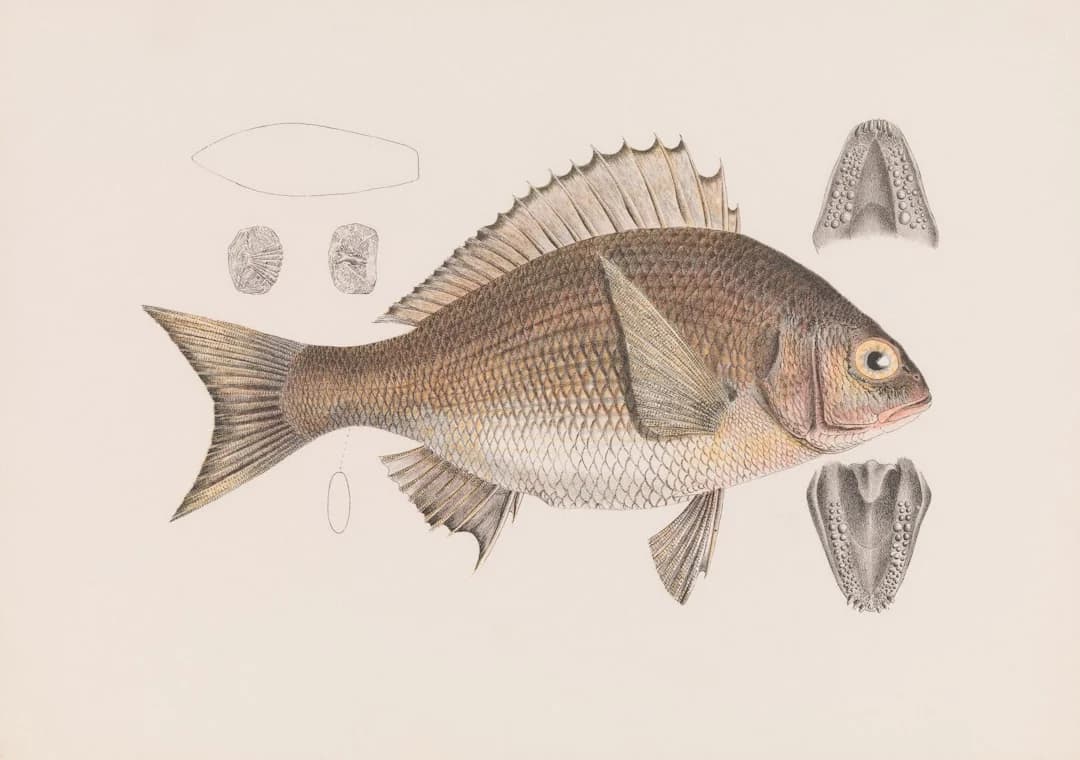
Longface Emperor

Longface Emperor

General species description, not specific to this destination

A large, powerful emperor fish growing up to 100 cm. Its elongated snout gives it a distinctive profile. Coloration is olive-green to brownish with faint darker bars. Found over sandy bottoms and coral reef areas throughout the Indo-Pacific, common in the South China Sea.

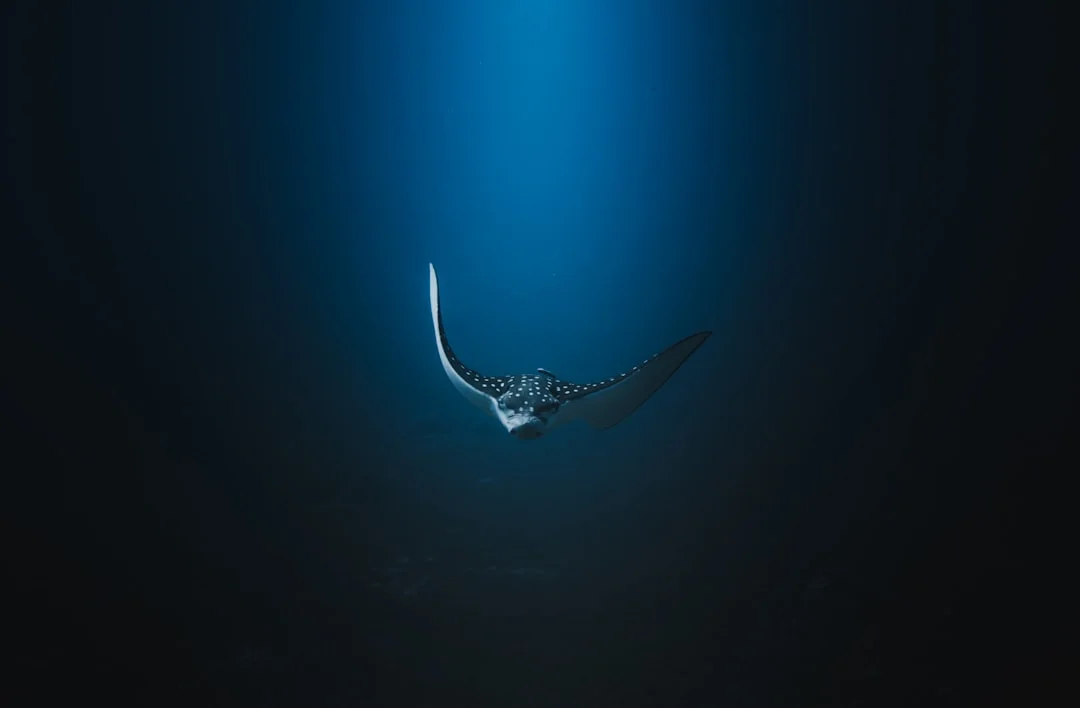
Spotted Eagle Ray

Spotted Eagle Ray

General species description, not specific to this destination

The spotted eagle ray is one of the most spectacular encounters in tropical waters worldwide. These graceful giants glide effortlessly through the water with their distinctive diamond-shaped bodies and long, whip-like tails. Their dark backs are adorned with white spots or rings, creating a beautiful pattern unique to each individual. Watch for their prominent head with a duck-like snout and large eyes positioned on top. They're often seen cruising near sandy bottoms or coral walls, occasionally stopping to dig in the sand for mollusks and crustaceans. Their fluid, bird-like swimming motion is mesmerizing as they 'fly' through the water column, sometimes in small groups.

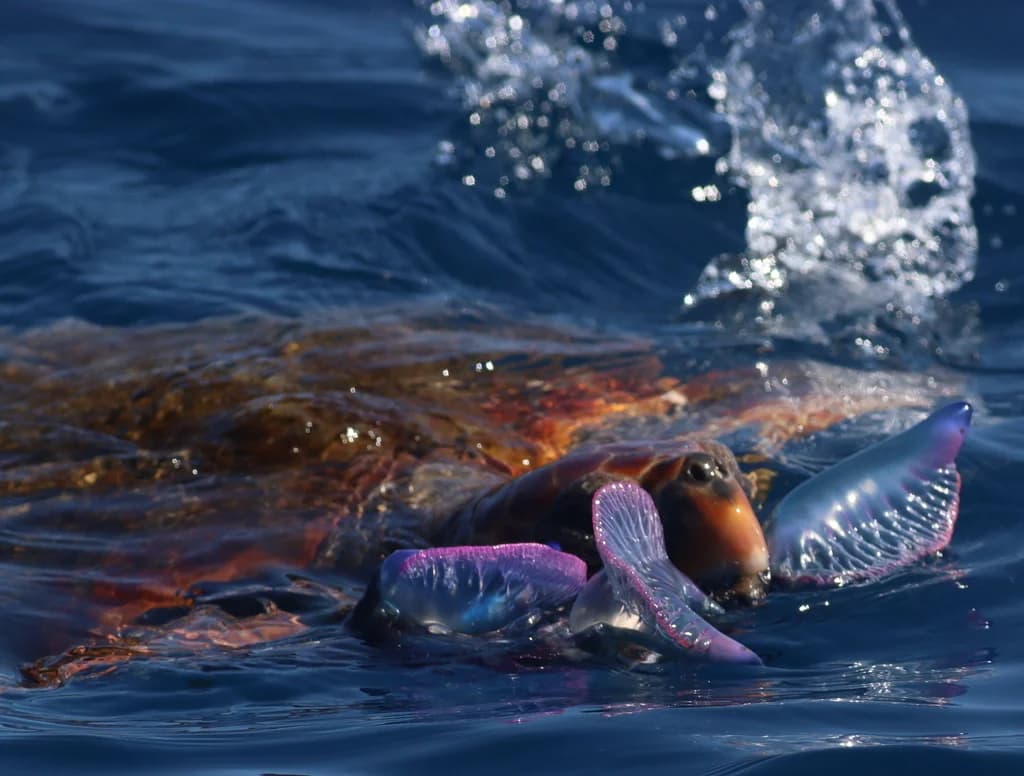
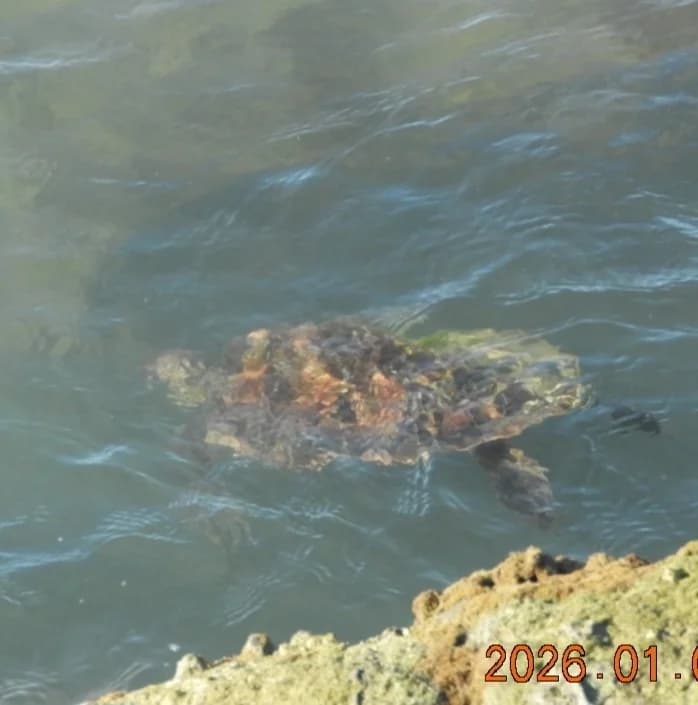
Loggerhead Turtle

Loggerhead Turtle

General species description, not specific to this destination

The Loggerhead Turtle is the largest hard-shelled sea turtle, named for its massive head. While less common than Green and Hawksbill turtles on Caribbean reefs, they can be spotted at deeper reef sites.

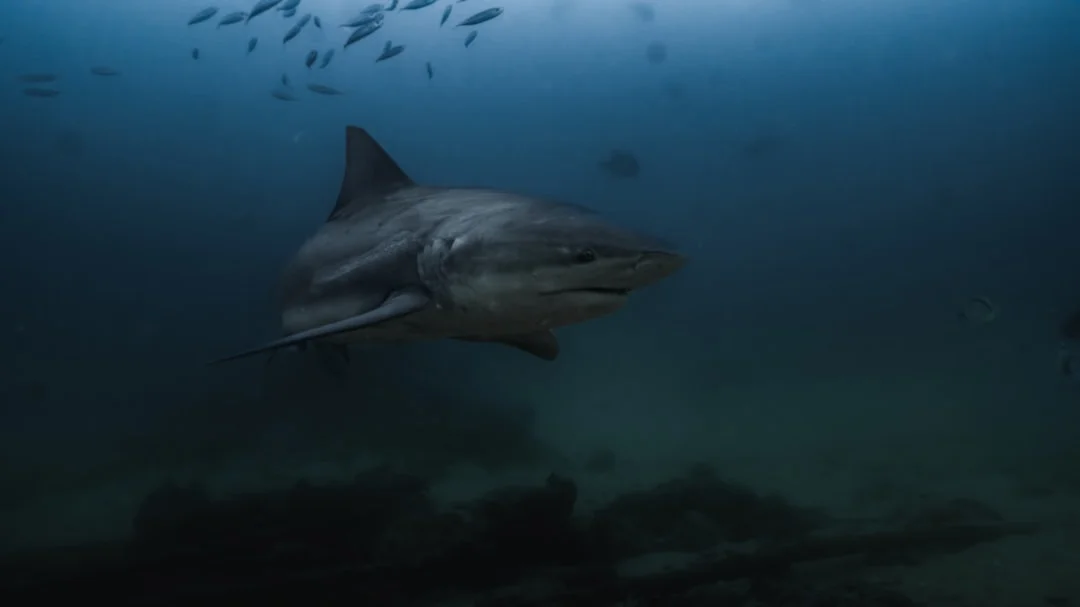
Bull Shark

Bull Shark

General species description, not specific to this destination

Bull sharks are one of the most impressive predators divers can encounter in warm coastal waters. These robust sharks are easily recognized by their broad, blunt snout, stocky build, and grey coloration with a white underside. Growing up to 11 feet long, they have a powerful, muscular appearance that commands respect underwater. Bull sharks are known for their curious nature and may approach divers, maintaining a confident but generally non-aggressive demeanor. They're often seen cruising along reef walls or in open water, sometimes in small groups. Their ability to tolerate both saltwater and freshwater makes them unique among sharks, and they're excellent hunters with a varied diet including fish, rays, and other marine life.

Great Hammerhead

General species description, not specific to this destination

The Great Hammerhead is the largest of all hammerhead species, instantly recognizable by its massive, flattened head extension called a cephalofoil. This prehistoric-looking predator can reach lengths of up to 20 feet, with a distinctive tall, sickle-shaped dorsal fin. Their unique head shape houses electroreceptors that help them hunt stingrays buried in sand. Great Hammerheads are solitary hunters, often seen cruising along reef walls and sandy bottoms. Despite their intimidating size, they're generally shy around divers and will often move away when approached. Their powerful swimming style and graceful movements make encounters truly memorable for fortunate divers.

Green Sea Turtle

Green Sea Turtle

Destination note

Nesting peak June-August at Bay Canh Island; year-round presence in Con Dao waters

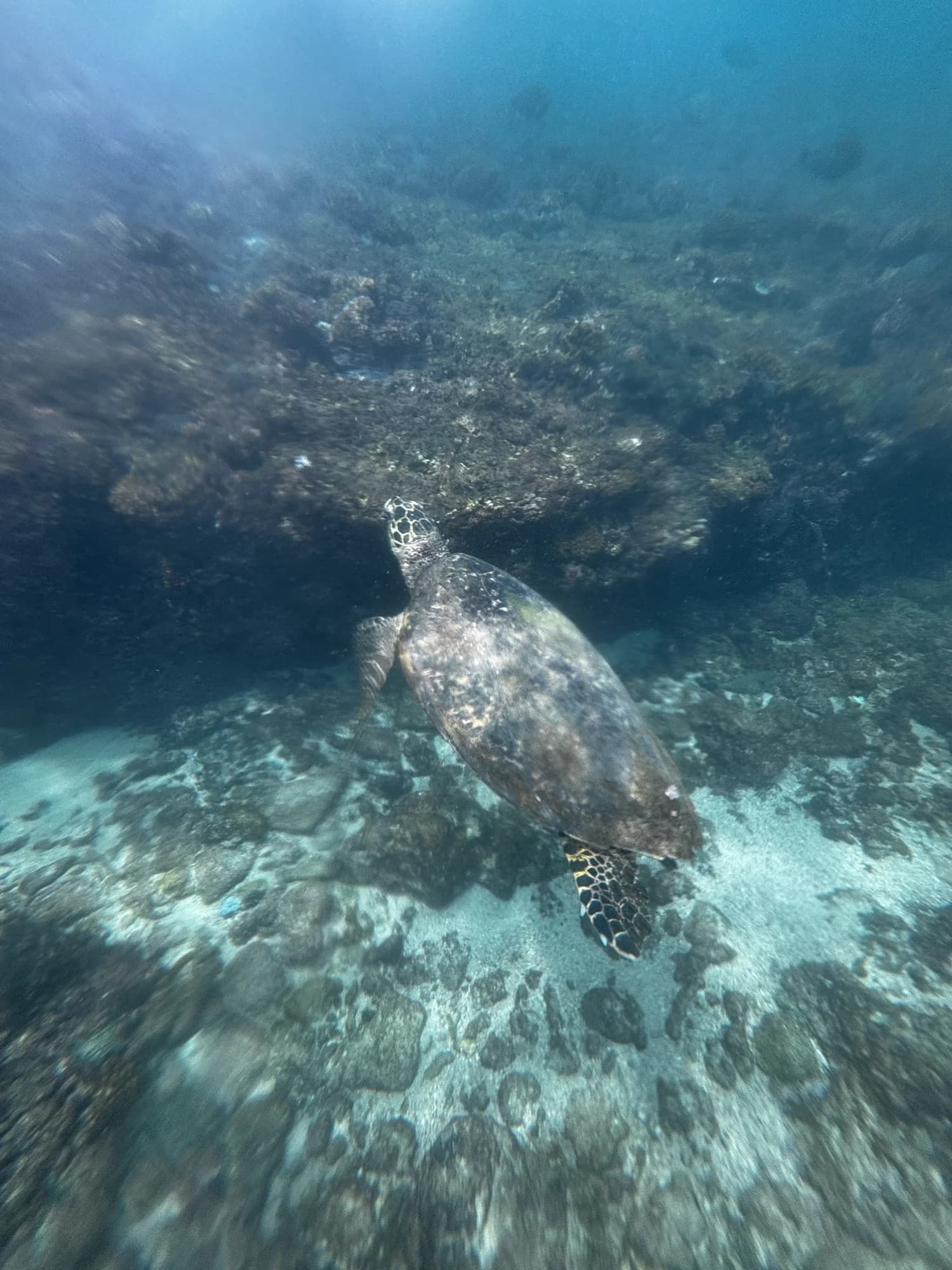
Hawksbill Turtle

Hawksbill Turtle

Destination note

Nests on Bay Canh alongside green turtles; frequently seen at Hon Mun MPA coral reefs

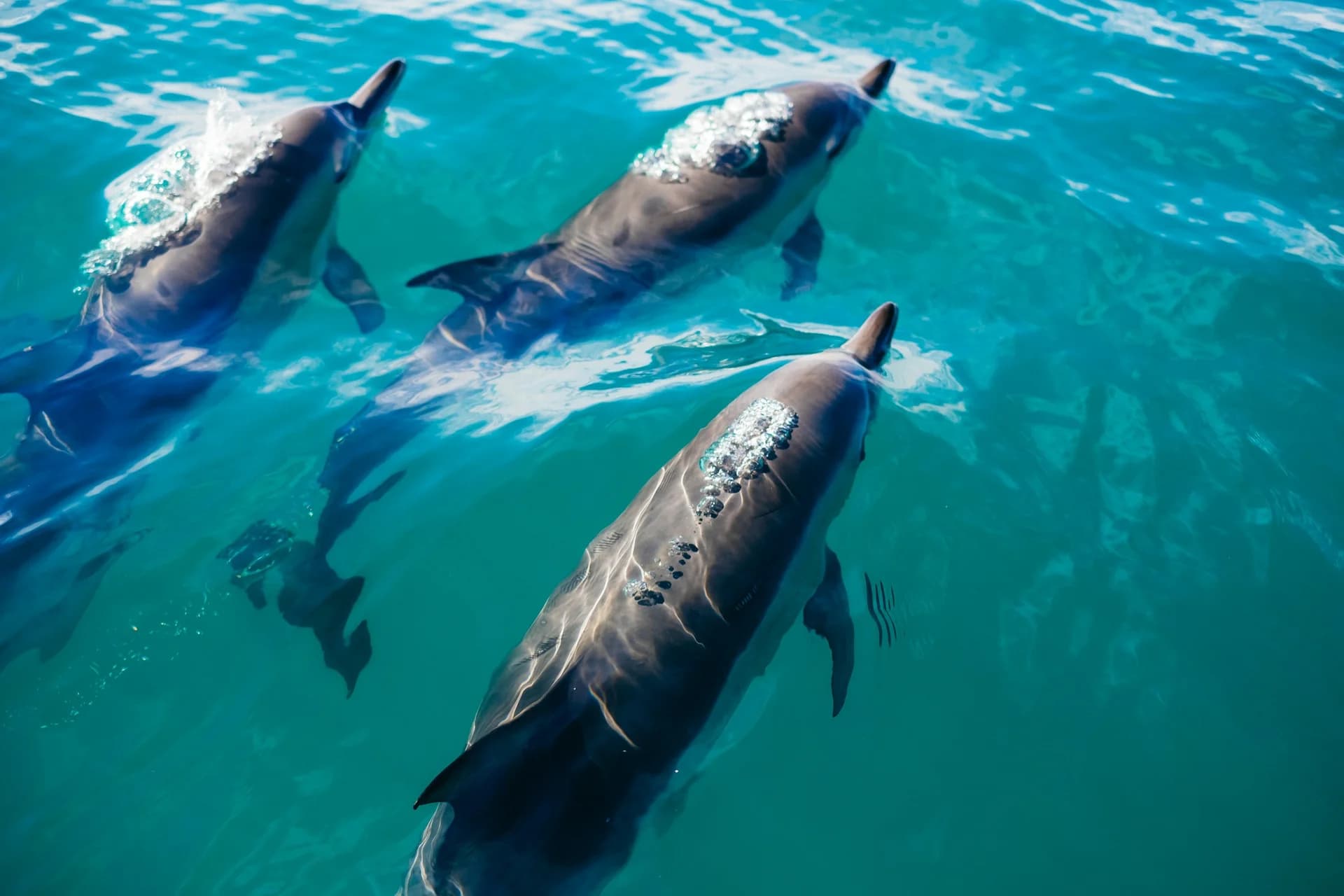
Atlantic Bottlenose Dolphin

Atlantic Bottlenose Dolphin

Destination note

Year-round resident in Vietnam coastal waters; commonly sighted around Con Dao and Nha Trang Bay; pods of 10-30 frequently encountered

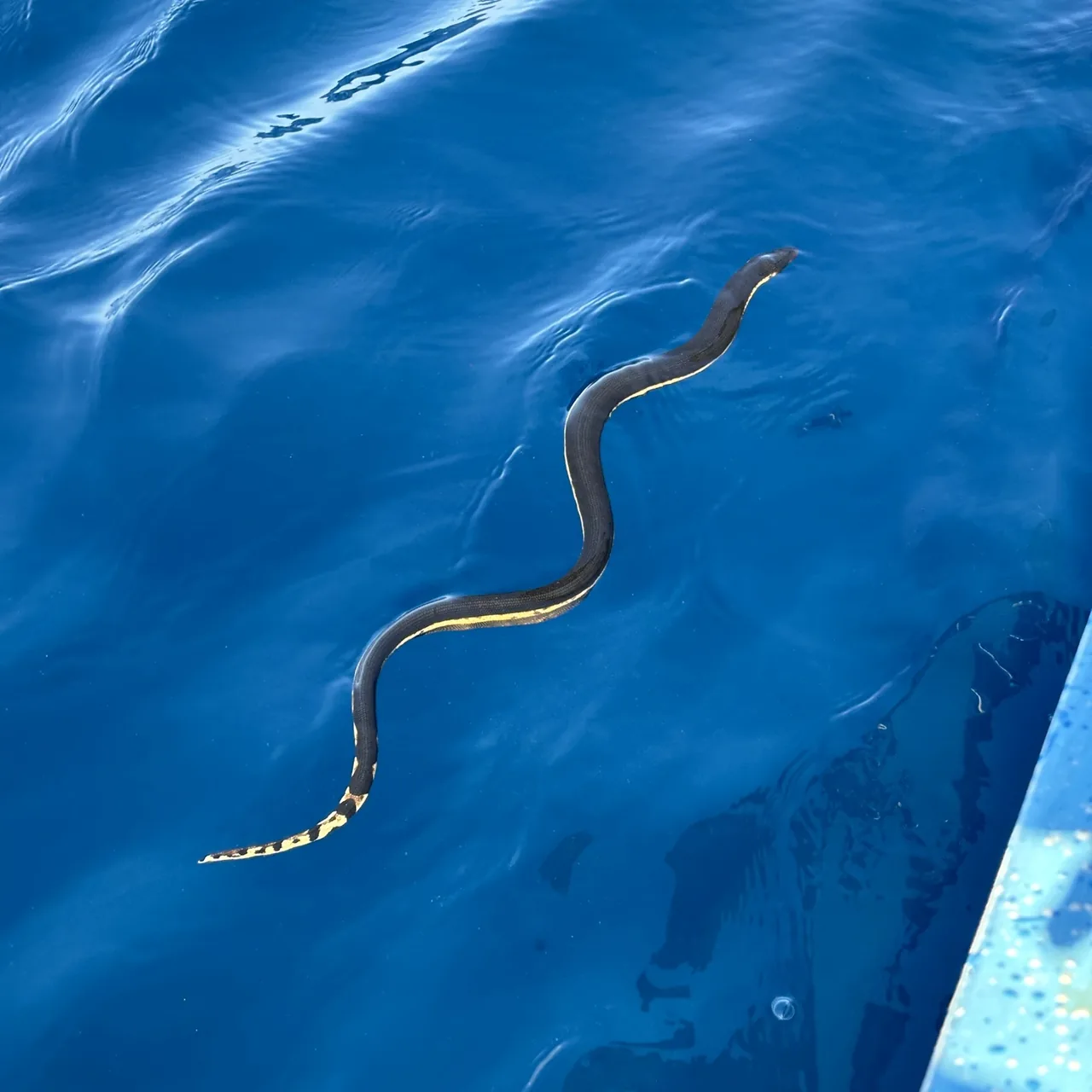
Yellow-bellied Sea Snake

Photo: Hydrophis platurus, iNaturalist observation 200106900, photo 352988675 — Tim Robertson · CC0 1.0 · Cropped to a reviewer-selected 1536×1536 px square at (0, 410) of the 1536×2048 px original, resized to 1280×1280 (main) and downscaled to 400×400 (thumbnail), and encoded as WebP with metadata removed.

Yellow-bellied Sea Snake

General species description, not specific to this destination

A striking pelagic sea snake with a distinctive yellow underside and dark brown or black upper body. Its paddle-shaped tail aids swimming, and it is the most widely distributed sea snake species, found across the Indian and Pacific Oceans including the South China Sea.

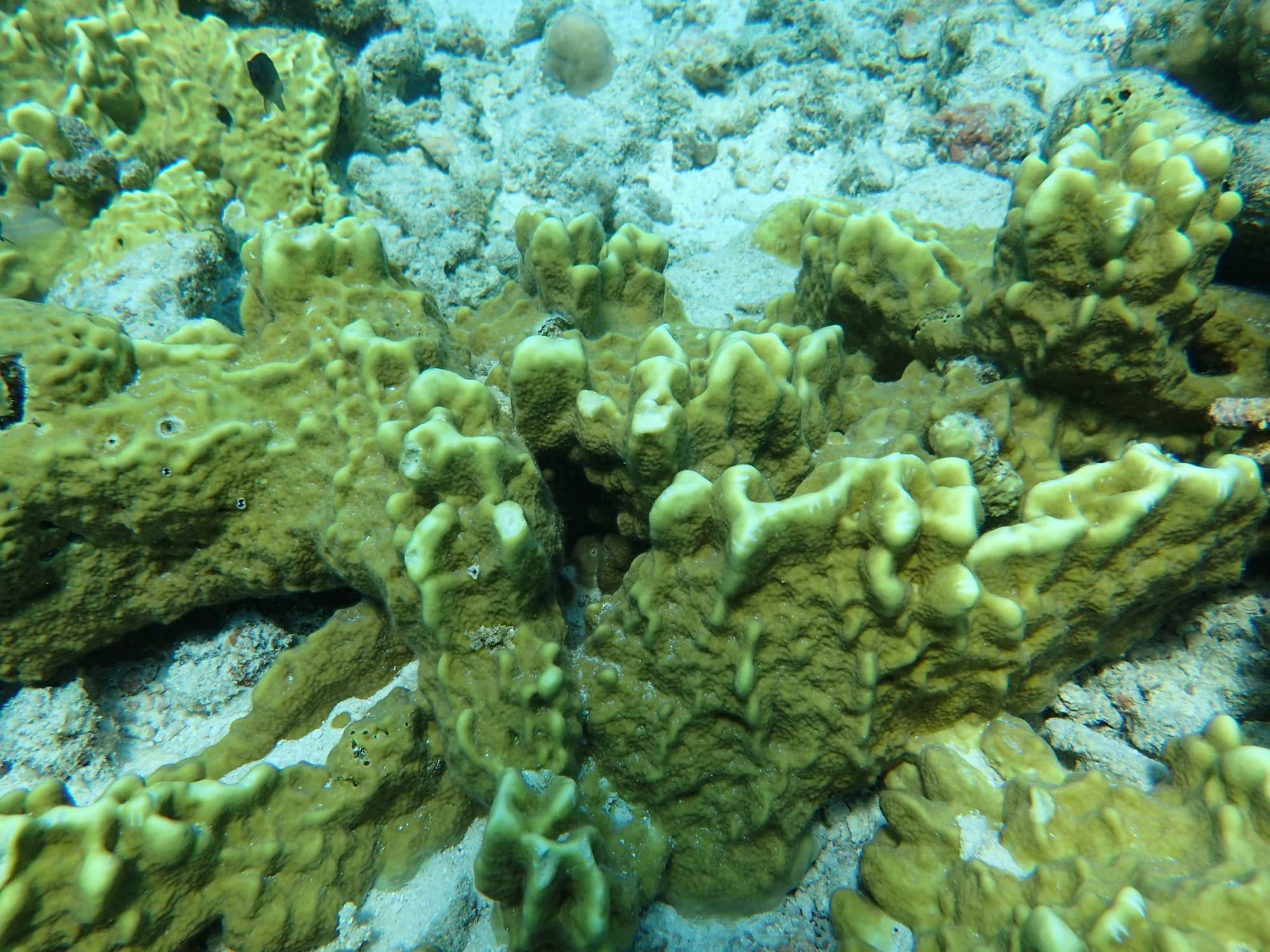
Plate Fire Coral

Plate Fire Coral

General species description, not specific to this destination

A colonial hydrozoan that forms large, plate-like structures resembling true corals. Ranges from pale brown to creamy yellow with white edges. Despite its appearance, it is not a true coral but a hydroid with stinging cells that can cause a burning sensation on contact.

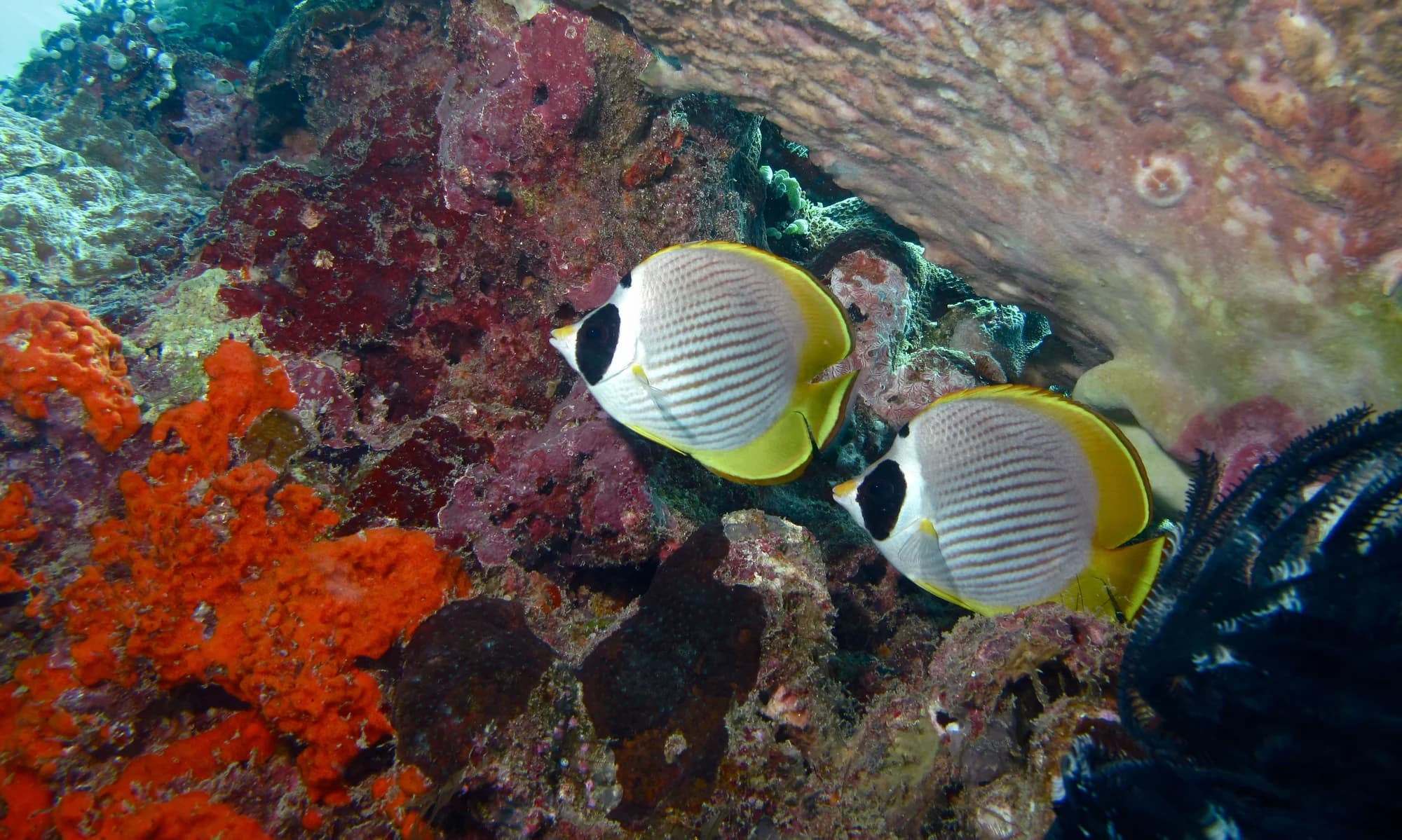
Philippine Butterflyfish

Philippine Butterflyfish

General species description, not specific to this destination

A distinctive butterflyfish with a white body, bold black vertical bands, and a bright yellow patch behind the eye. Grows to about 18 cm. Found in the South China Sea and Philippines, inhabiting coral-rich reefs and lagoons.

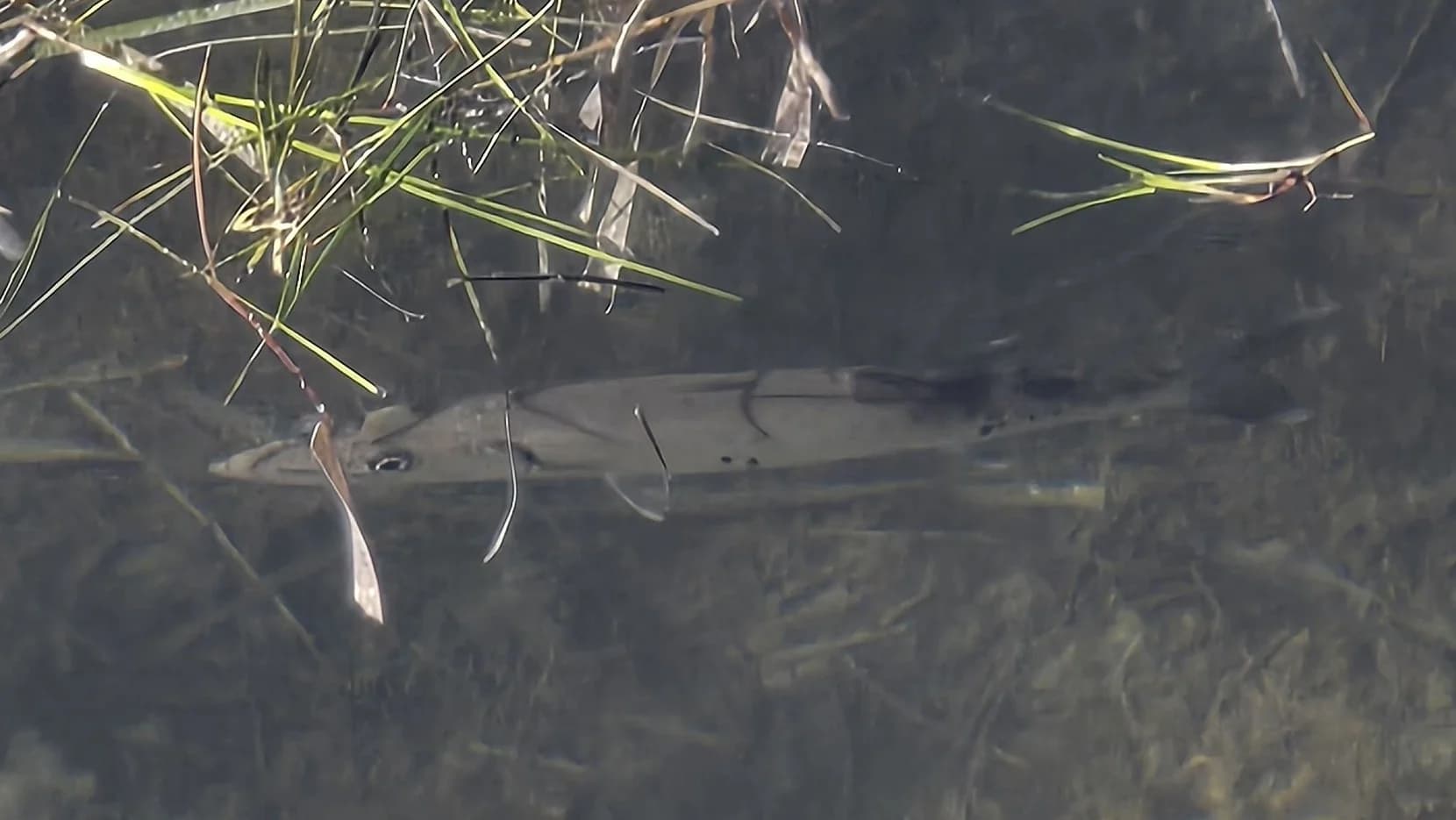
Great Barracuda

Great Barracuda

Destination note

Frequently seen at Hon Ba, Hon Mun walls, An Thoi, and Cham Islands; forms loose aggregations

+86more species in the app

Dive Shops (17)

DIVE, SNORKELING &TURTLE TOUR OFFICES

★ 4.2Moderate

Vietnam Active - PADI 5 Star Diving Center Phu Quoc

★ 5Moderate
Website ↗

Vietnam Diving And Training Phú Quốc

★ 4.8Moderate
Website ↗

Phil Hai Diving Club

★ 4.9Moderate
Website ↗

VietDivers - SSI Dive Center in Phu Quoc

★ 5Moderate
Website ↗

Vietnam Explorer PADI Dive Center

★ 5Moderate
Website ↗

Amadive Dive Center

★ 4.8Moderate
Website ↗

Dive Zone Center

★ 4.9Moderate
Website ↗

Vietnam Active - PADI 5 Star Diving Center & Snorkeling

★ 4.9Moderate
Website ↗

Con Dao Dive Center

★ 4.9Moderate
Website ↗

Cuttlefish Diving Club - Scuba diving training center

★ 5Moderate
Website ↗

Vietnam VipDive

★ 5Moderate
Website ↗

PHU QUOC DIVING CLUB - SSI DIVE CENTER

★ 5Moderate
Website ↗

Cham Island Diving

★ 4.5Moderate
Website ↗

Poseidon Diving School Phu Quoc Padi

★ 5Moderate
Website ↗

Flipper diving club

★ 4.9Moderate
Website ↗

Con Dao Trip - SNORKELING - Trekking - Historical sites

★ 4.6Moderate
Website ↗

Guides

Safety

Hyperbaric chamber

Ho Chi Minh City (Cho Ray Hospital)

+84 28 3855 4137

Coast guard

Vietnam Coast Guard

+84 69 453 300

Hospital

Khanh Hoa General Hospital (Nha Trang)

+84 258 382 2674

Hospital

Vinmec Phu Quoc International Hospital

+84 297 398 1400

Hyperbaric chamber

No verified recompression chamber on record.

Contact DAN: +1 919 684 9111

Bring Vietnam (Con Dao & Southern Islands) underwater

Offline access, dive log, AI fish ID, live site maps, and trip planning.

Download on the App Store