Tubbataha Reef

Philippines

Diving in Tubbataha Reef

24 sites85 species27–30 °C15–45 m vis

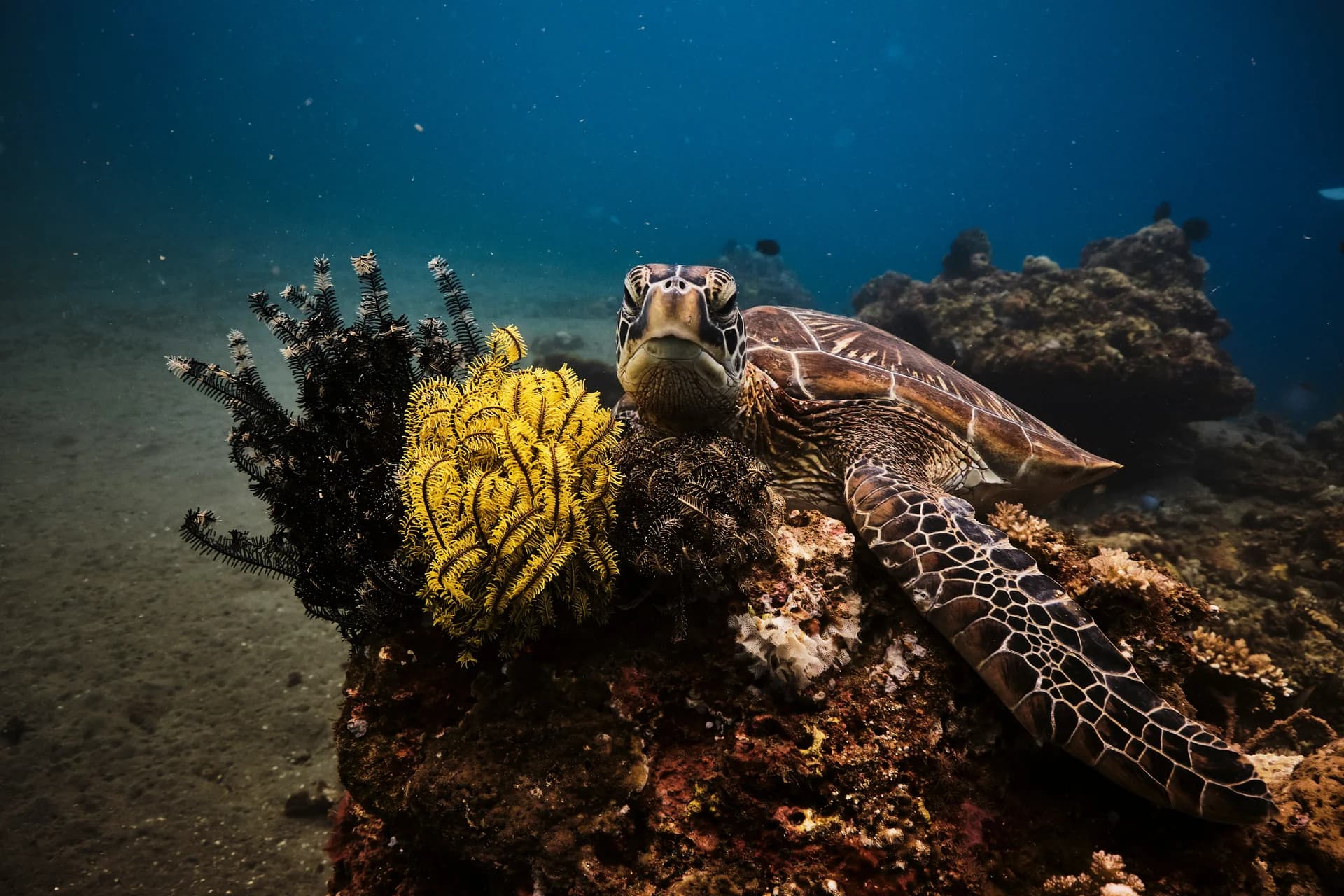
Photo: Gianni Orsatti / Unsplash

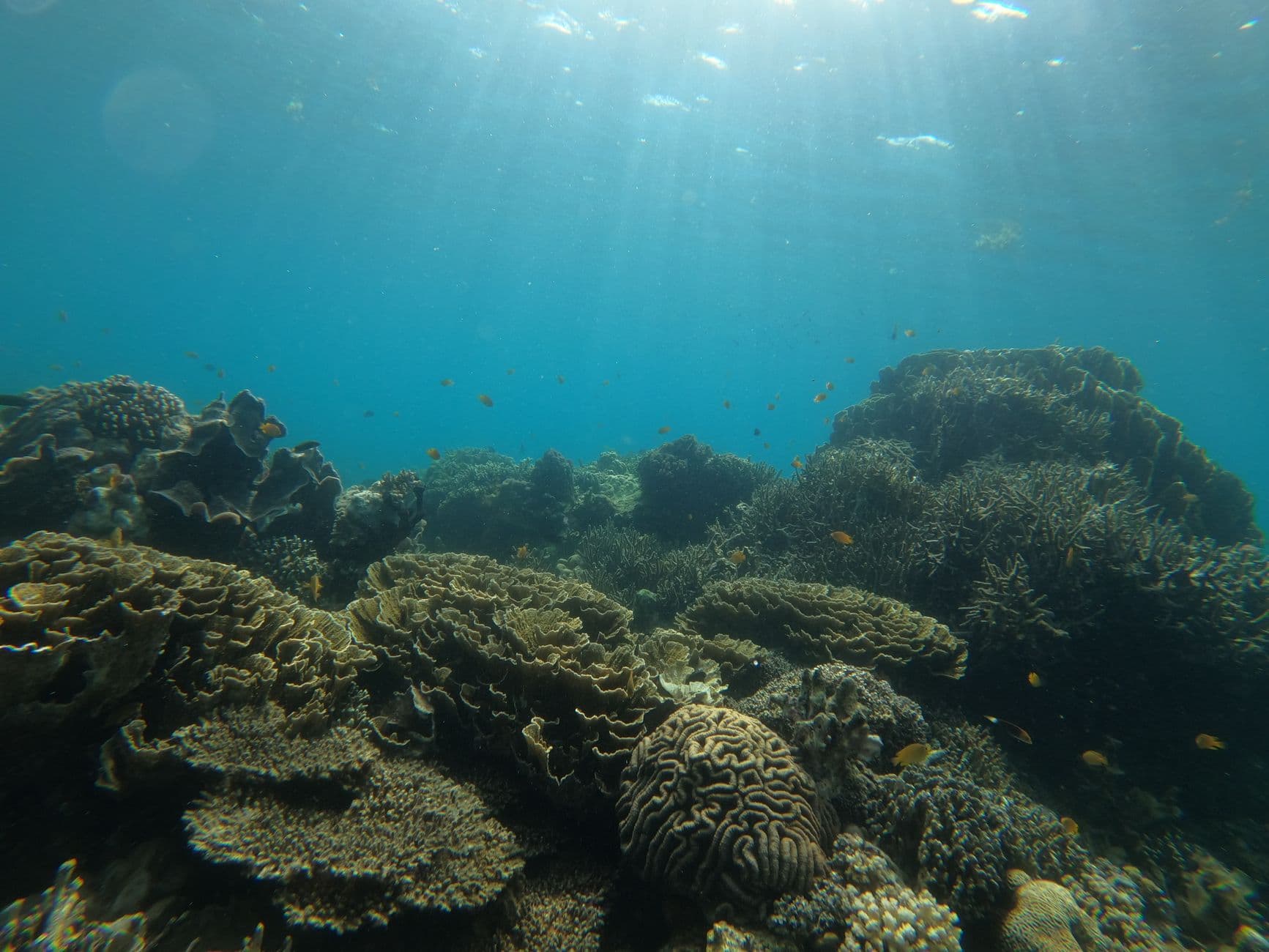
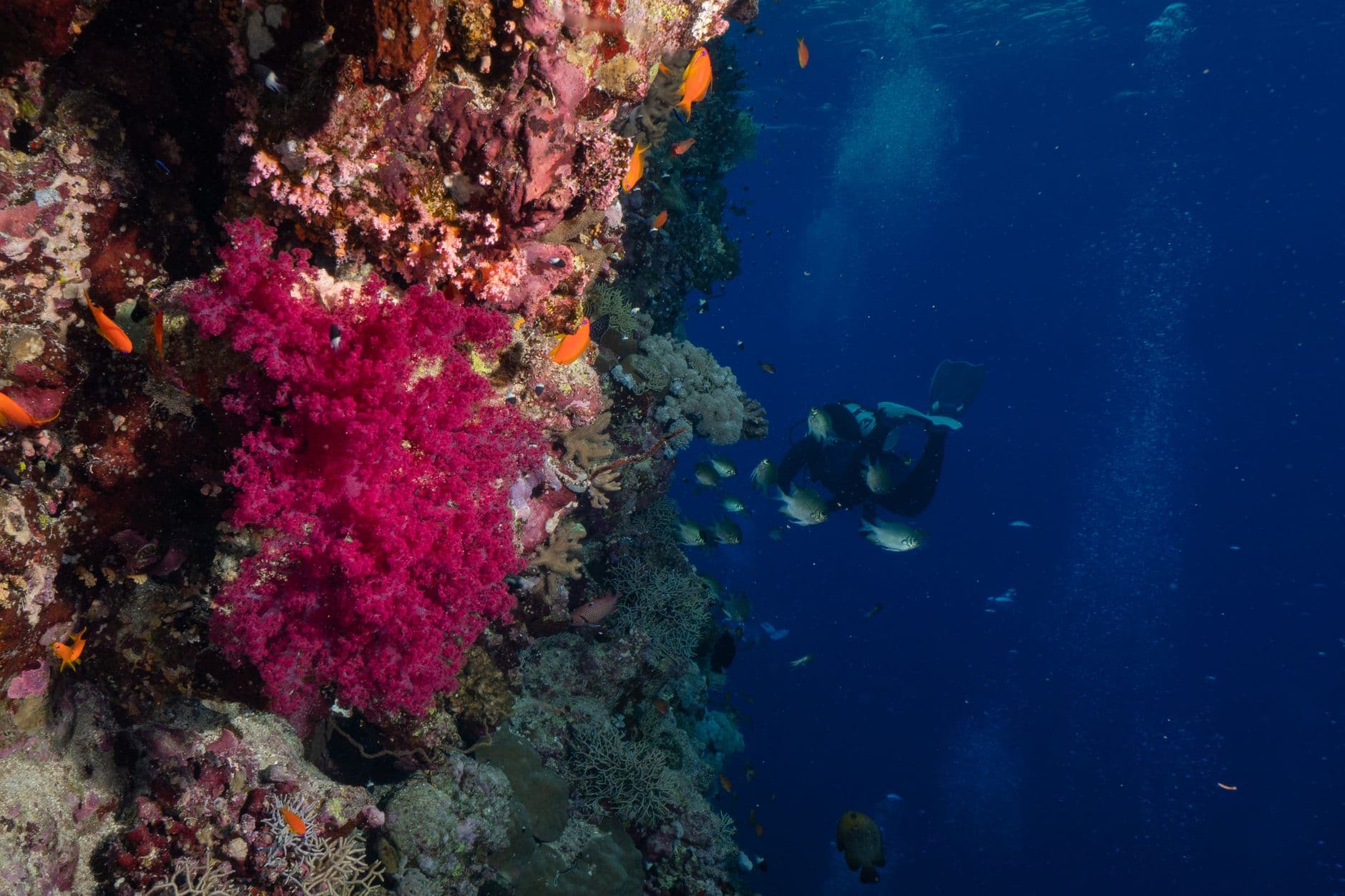
Tubbataha Reefs Natural Park is a UNESCO World Heritage Site located in the middle of the Sulu Sea, 150 km southeast of Puerto Princesa, Palawan. This pristine atoll system — the only true atolls in the Philippines — consists of two large atolls (North and South) and the satellite Jessie Beazley Reef, spanning 97,030 hectares of strictly protected marine habitat. Tubbataha lies in the heart of the Coral Triangle and hosts 600+ species of fish, 360+ species of coral (more than half of all coral species on Earth), 13 species of sharks, and 13 species of marine mammals. Accessible exclusively by liveaboard during a 3-month season (mid-March to mid-June), Tubbataha is one of the most exclusive and pristine dive destinations in the world. With no-take protection since 1988, fish biomass has recovered dramatically, making it one of the most effectively managed marine protected areas in Asia and a global conservation success story.

Tubbataha means 'long reef exposed at low tide' in the Samal language, named by traditional fishermen who navigated these waters for centuries.Tubbataha is the only true atoll system in the Philippines and one of only ~30 atolls in the world with emergent sand islets (Bird Island and Lighthouse Islet).The park hosts over 360 species of coral — more than half of all coral species known on Earth — making it one of the most biodiverse reef systems on the planet.Tubbataha has been a strictly enforced no-take zone since 1988. Fish biomass has increased over 200% since protection began, making it a global model for marine conservation.Shark Airport is one of the most reliable shark encounters in the world — divers regularly see 30+ grey reef sharks circling overhead like aircraft in a holding pattern.Only 6–8 liveaboard vessels are allowed in the park at any one time, and only ~2,000–3,000 divers visit per year — fewer than some single dive resorts see in a month.The USS Guardian, a US Navy minesweeper, ran aground on Tubbataha Reef in 2013. The $65 million salvage operation and environmental remediation set a global precedent for reef damage liability.Tubbataha is home to 11 species of sharks including tiger sharks, scalloped hammerheads, whale sharks, thresher sharks, and silky sharks — one of the highest shark diversities in Southeast Asia.The park is completely closed to visitors from mid-June to mid-March — 9 months of absolute quiet each year for the ecosystem to recover and for seabirds and sea turtles to breed undisturbed.

Explore the map

Select a pin to learn more. Use the zoom buttons or pinch to zoom.

Loading map…

Places on this map (1)
  • Enriched

23 places have no verified map location yet. Browse the page lists for more places.

Conditions

Water temp

27–30 °C

Visibility

15–45 m

Depth

5–40 m

Current

Strong

Best season

Mid-March to mid-June (peak: April–May). The park is strictly closed the rest of the year.

MonthSummary
JanPark closed. The reefs rest during the northeast monsoon. No diving is permitted.
FebPark closed. Cooler waters and calm seas — the ecosystem is undisturbed. No diving.
MarSeason opens mid-March. Water 27–28°C, visibility 20–35m. Early-season plankton blooms attract whale sharks. Calm seas and excellent diving conditions as the season begins.
AprPeak diving month. Water 28–29°C, visibility 25–40m. The best overall conditions — stable seas, maximum clarity, and abundant marine life. Manta rays at cleaning stations, sharks at Shark Airport and Amos Rock.
MayPrime diving month with the warmest water at 29–30°C. Visibility 25–40m. Hammerhead sharks schooling at Black Rock and North Wall. Peak manta season. All dive sites accessible in excellent conditions.
JunSeason closes mid-June. Water still warm at 29–30°C, visibility 20–35m. Late-season hammerhead peak at North Wall and Black Rock. Seas may become rougher as the southwest monsoon approaches. Last chance before the 9-month closure.
JulPark closed for the southwest monsoon season. Rough seas and strong winds make the crossing dangerous. Reefs rest and recover.
AugPark closed. Southwest monsoon continues. No vessels can safely operate. Marine life breeds undisturbed.
SepPark closed. Monsoon winds begin to ease but seas remain unpredictable. The reef ecosystem regenerates in peace.
OctPark closed. Transition period between monsoon seasons. The reefs are pristine and ready. No diving permitted.
NovPark closed. Northeast monsoon begins, bringing calmer seas. Preparations for the next diving season start. No diving yet.
DecPark closed. Cooler waters at 27–28°C during the northeast monsoon. Liveaboard operators prepare vessels for the March reopening. No diving permitted.

Dive Sites (24)

Amos Rock (Southwest Rock)

5–40m · Advanced

Wall · Pinnacle

shark encounter

Bird Island

1–25m · Beginner

Snorkeling

turtle nesting · seabird colony

Black Rock

5–40m · Advanced

Pinnacle

tiger shark · hammerhead encounter

Coral Garden (North Atoll)

2–15m · Beginner

Coral garden · Photography

anemone garden

Coral Wall

5–35m · Intermediate

Wall · Coral garden · Photography

Delsan Wreck

5–25m · Intermediate

Wreck · Artificial reef

turtle encounter

East Wall

5–50m · Advanced

Wall

shark encounter · gorgonian garden

Jessie Beazley North

5–40m · Advanced

Wall

shark encounter · pelagic encounter

+16more sites in the appGet the app →

Regional species catalogue (85)

Species recorded in this destination's wider regional catalogue. A species being listed here does not mean it is seen at this destination — check the note on each card.

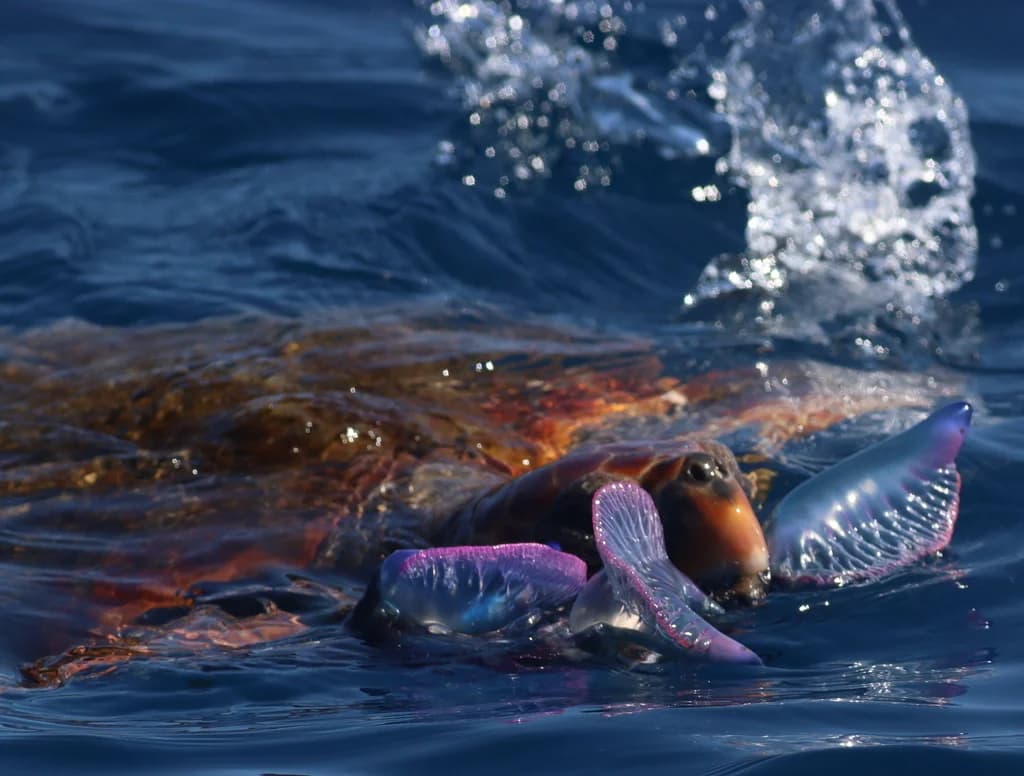
Loggerhead Turtle

Loggerhead Turtle

General species description, not specific to this destination

The Loggerhead Turtle is the largest hard-shelled sea turtle, named for its massive head. While less common than Green and Hawksbill turtles on Caribbean reefs, they can be spotted at deeper reef sites.

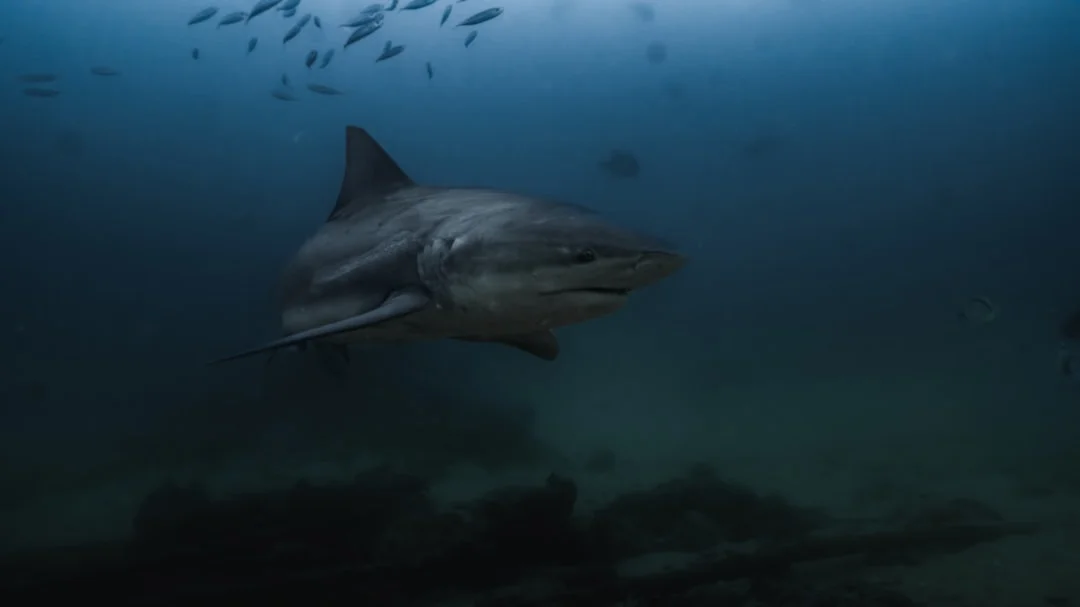
Bull Shark

Bull Shark

General species description, not specific to this destination

Bull sharks are one of the most impressive predators divers can encounter in warm coastal waters. These robust sharks are easily recognized by their broad, blunt snout, stocky build, and grey coloration with a white underside. Growing up to 11 feet long, they have a powerful, muscular appearance that commands respect underwater. Bull sharks are known for their curious nature and may approach divers, maintaining a confident but generally non-aggressive demeanor. They're often seen cruising along reef walls or in open water, sometimes in small groups. Their ability to tolerate both saltwater and freshwater makes them unique among sharks, and they're excellent hunters with a varied diet including fish, rays, and other marine life.

Green Sea Turtle

Green Sea Turtle

Destination note

Regularly seen grazing on seagrass beds and resting under ledges. Bird Island and the shallow reef flats are prime viewing areas throughout the season.

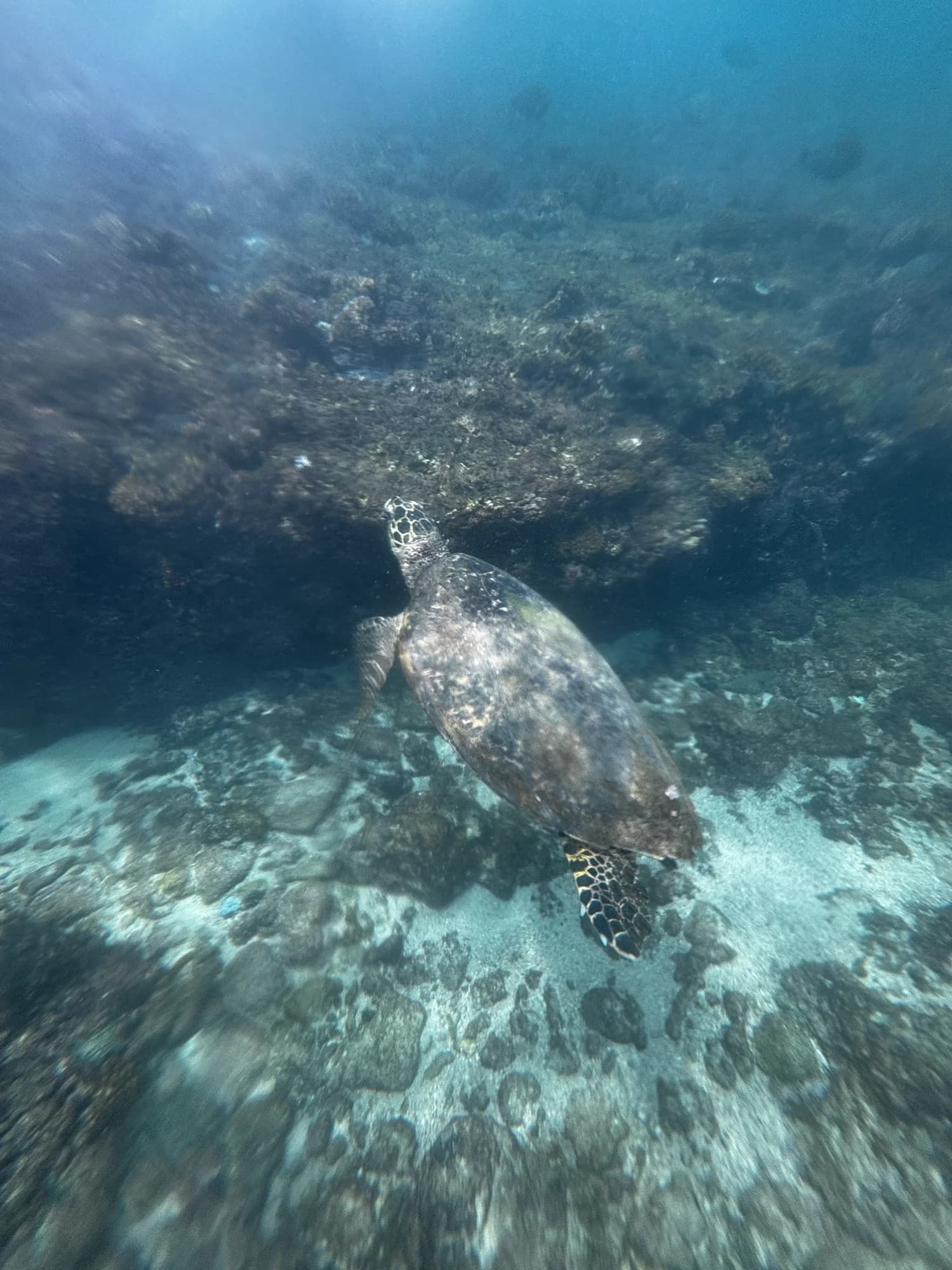
Hawksbill Turtle

Hawksbill Turtle

Destination note

Less common than green turtles but observed regularly on the reefs feeding on sponges. The no-take protection of the park makes it a vital refuge for this critically endangered species.

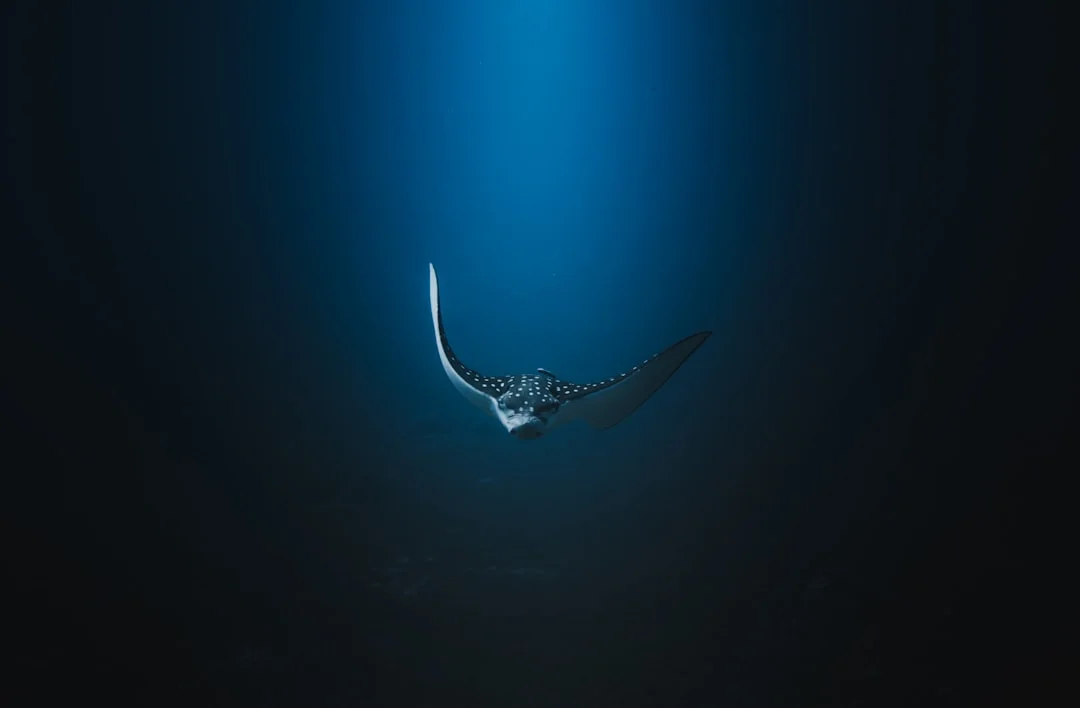
Spotted Eagle Ray

Spotted Eagle Ray

Destination note

Regularly seen cruising along the atoll walls and in the channel between North and South Atolls. Sightings are particularly reliable at Amos Rock and the Shark Airport cleaning stations.

Great Hammerhead

Destination note

Occasional visitor to the outer walls, particularly North Wall and Black Rock in the later part of the season (May-June). Sightings are less frequent than scalloped hammerheads but provide unforgettable encounters.

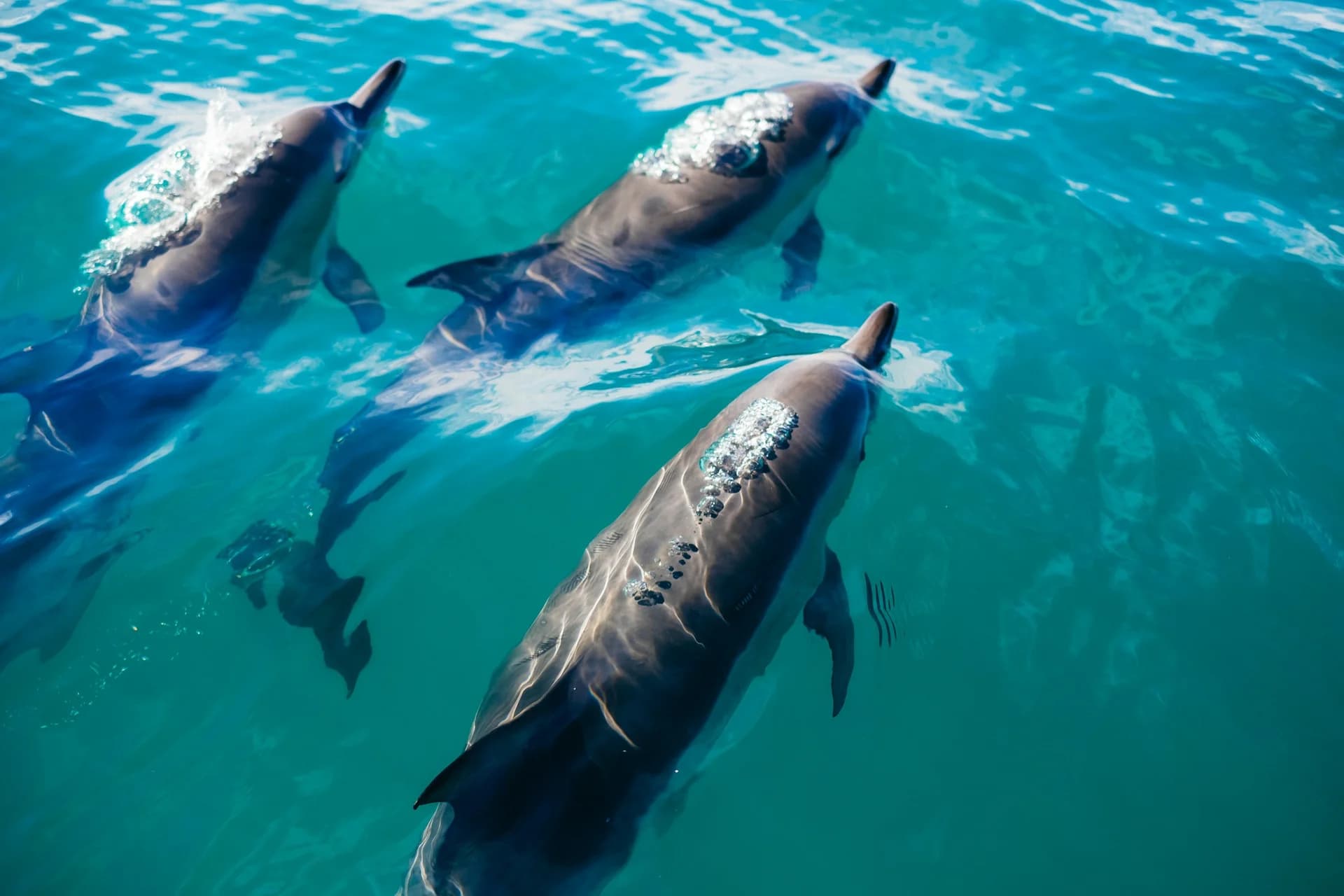
Atlantic Bottlenose Dolphin

Atlantic Bottlenose Dolphin

Destination note

Regularly encountered riding bow-waves of liveaboard vessels during crossings. Also seen hunting in the channel between atolls. Tubbataha hosts 13 species of marine mammals.

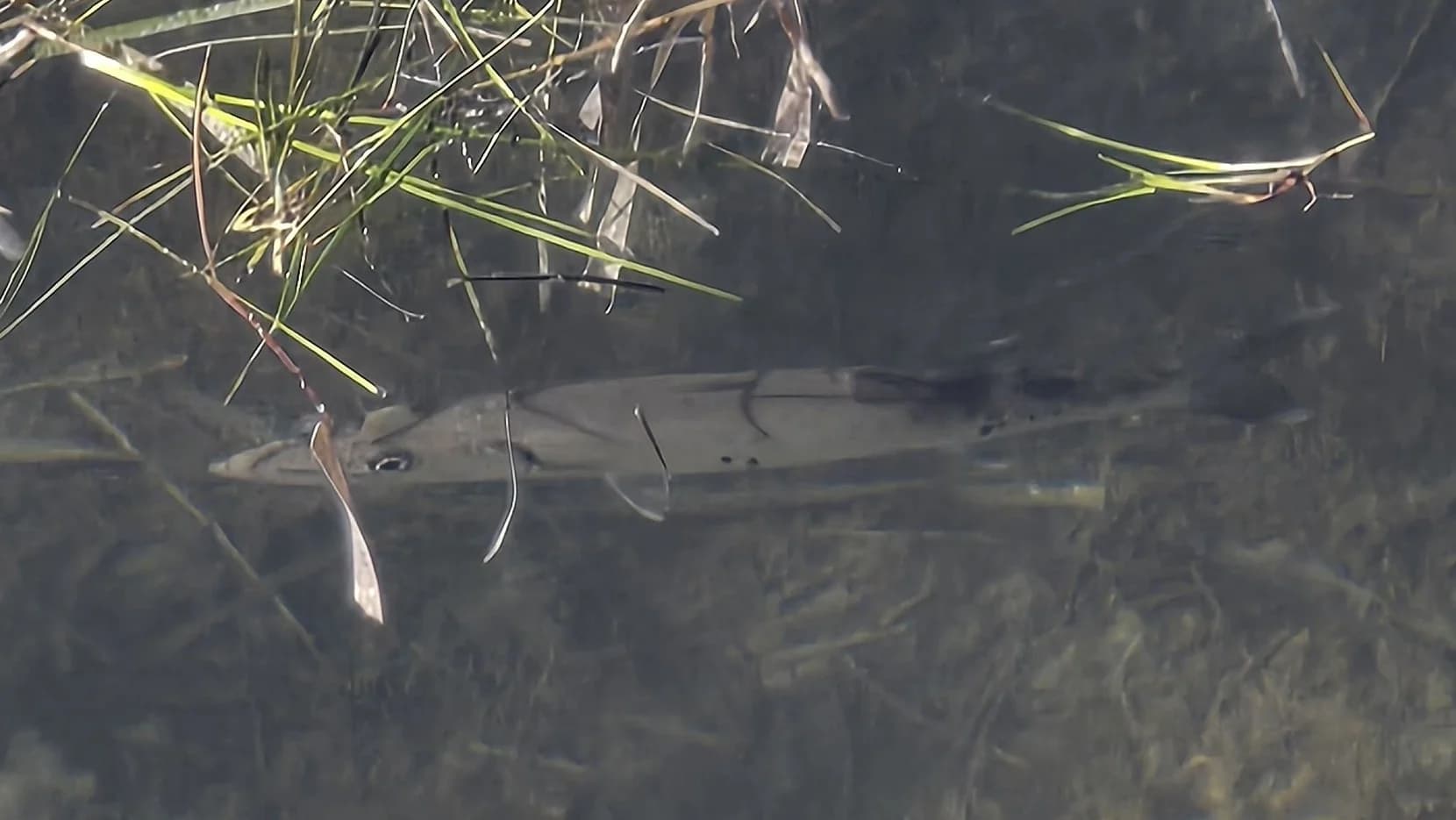
Great Barracuda

Great Barracuda

General species description, not specific to this destination

The Great Barracuda is an impressive predator with a streamlined body and powerful jaws filled with razor-sharp teeth. They can grow over 6 feet long and often hover motionless near the reef, curious about divers.

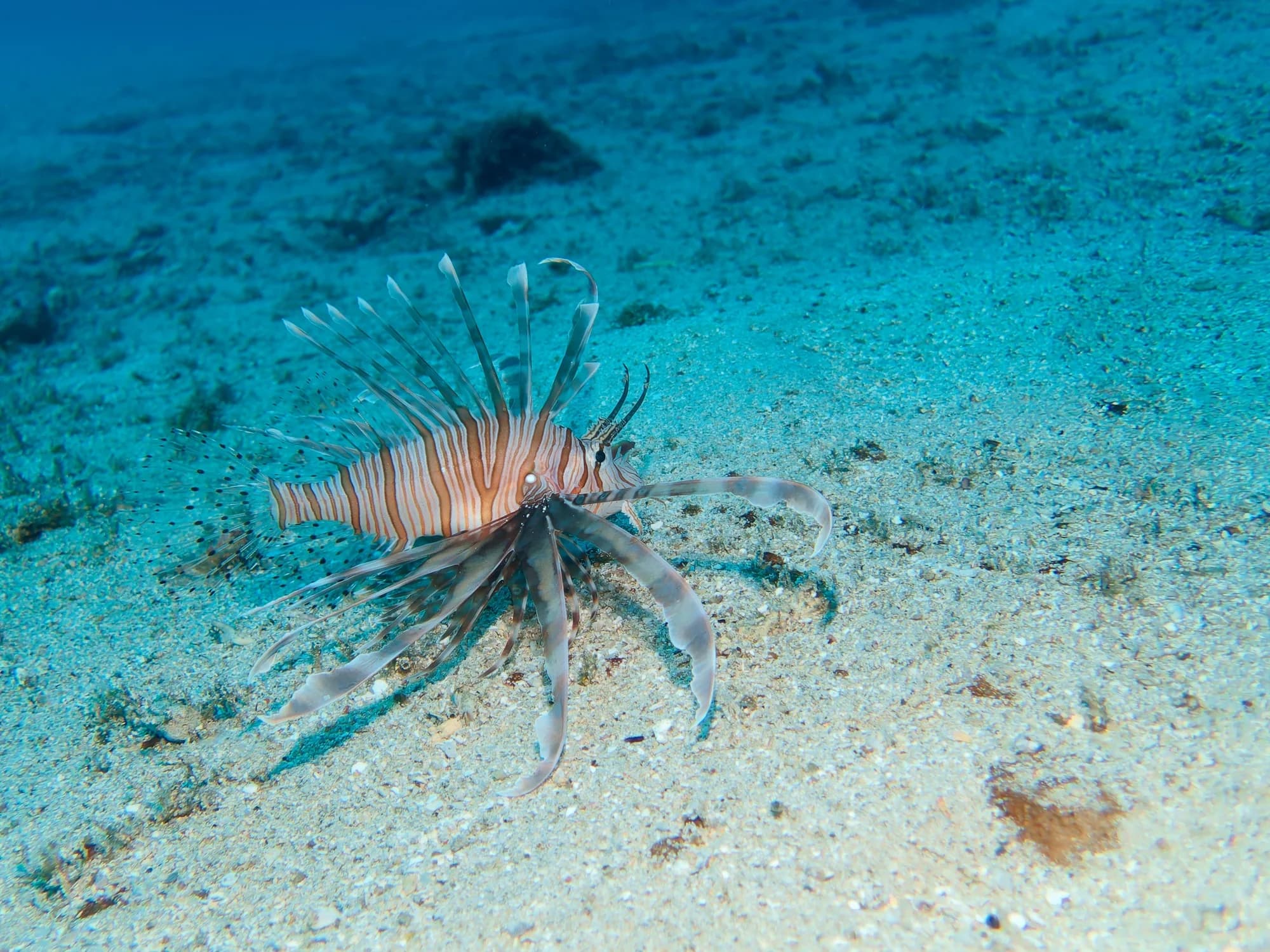
Common Lionfish

Common Lionfish

Destination note

Commonly seen sheltering under coral overhangs and in wreck structures throughout both atolls. The Malayan Wreck and Delsan Wreck are reliable sites for lionfish sightings.

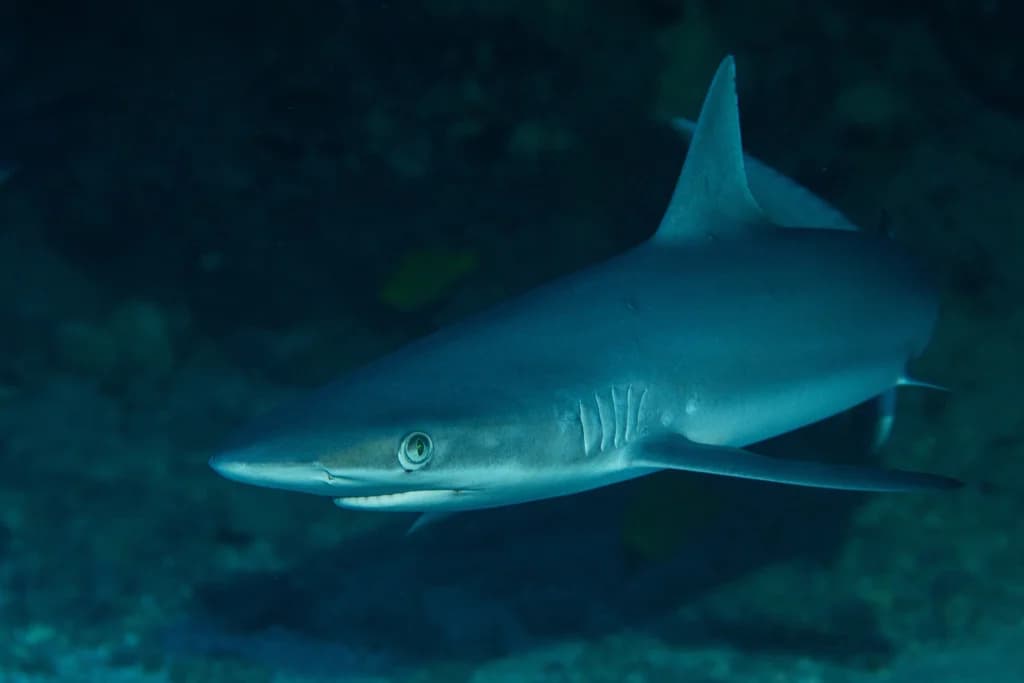
Grey Reef Shark

Grey Reef Shark

Destination note

The signature species of Tubbataha — encountered on virtually every dive along the atoll walls, forming large aggregations at cleaning stations and current-swept points like Shark Airport.

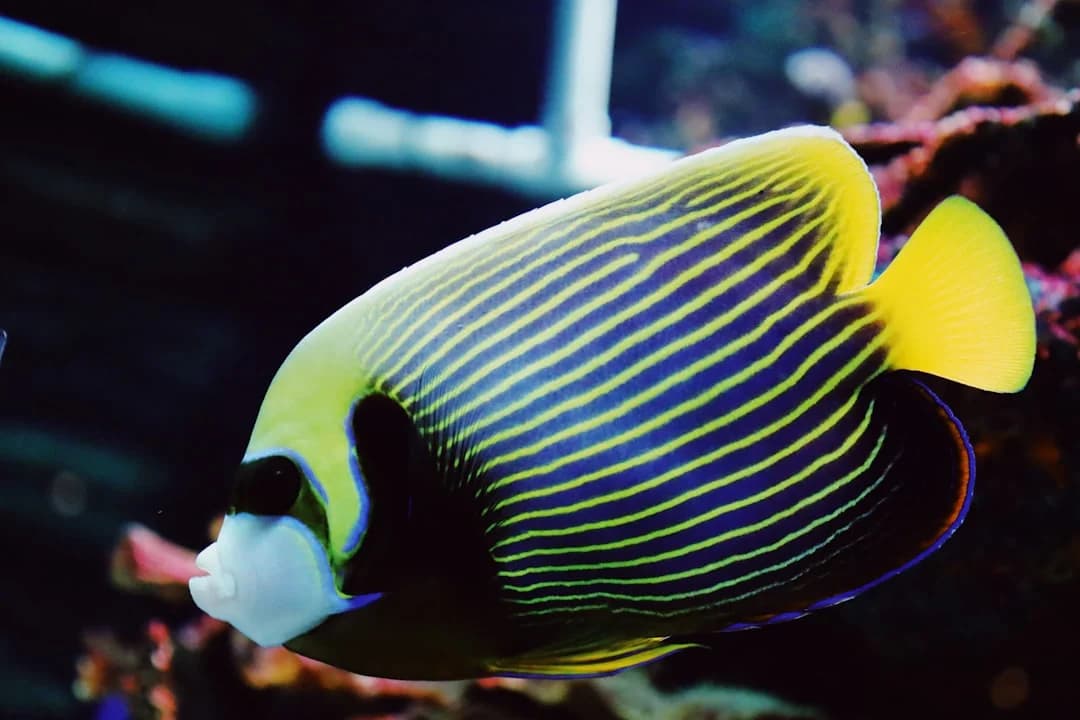
emperor angelfish

emperor angelfish

General species description, not specific to this destination

The Emperor Angelfish is one of the most iconic and visually stunning inhabitants of Indo-Pacific reefs. Divers will easily spot adults by their vibrant blue bodies adorned with bold, parallel yellow stripes, a bright yellow tail, and a distinctive dark mask across their eyes. Juveniles, however, sport a completely different look: a dark blue body patterned with mesmerizing concentric white and light blue rings. This dramatic transformation makes observing both life stages a unique treat. These graceful fish are typically solitary, but occasionally seen in pairs, elegantly navigating coral gardens, reef walls, and ledges. They are usually curious but maintain a respectful distance.

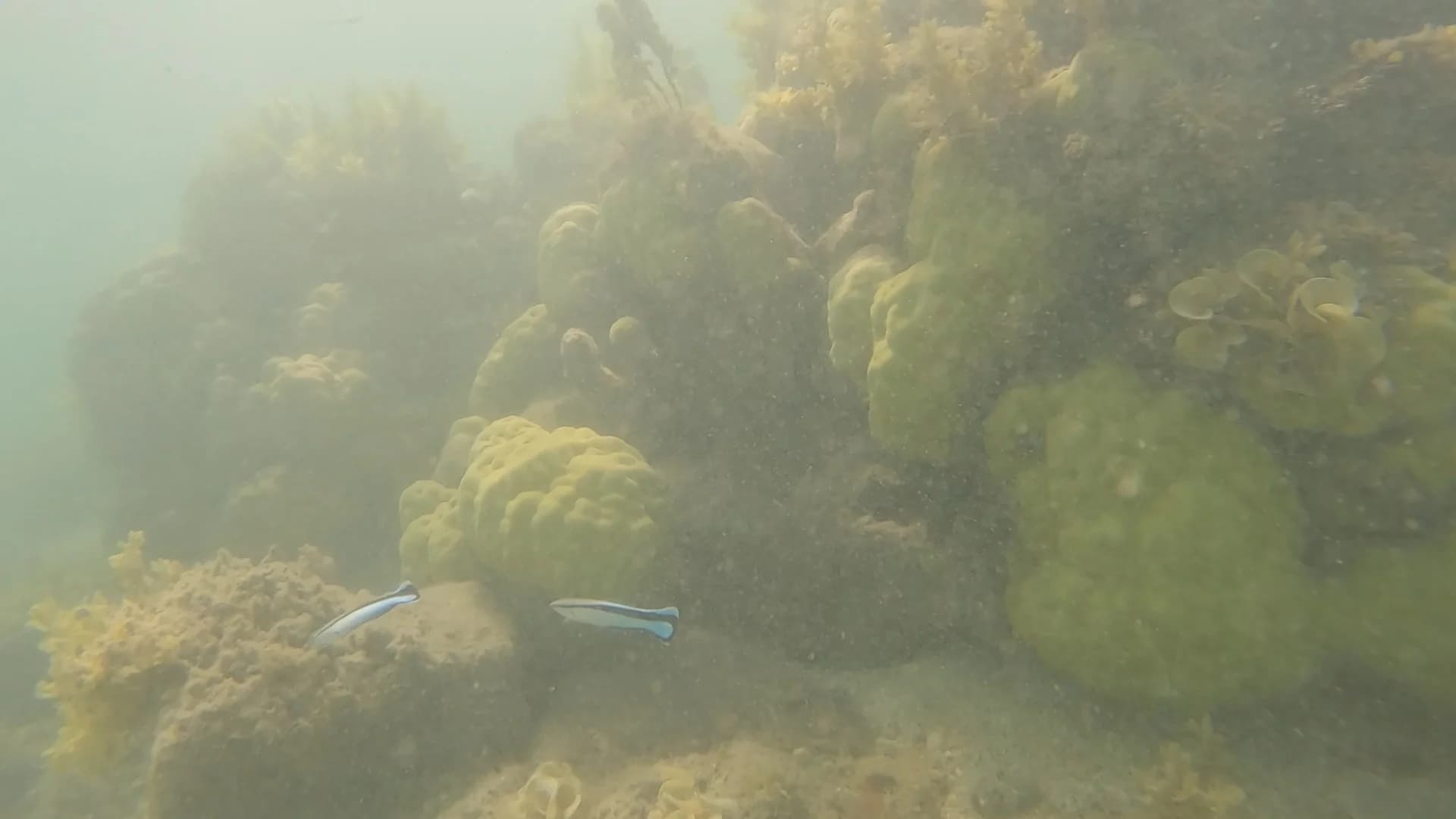
Bluestreak Cleaner Wrasse

Bluestreak Cleaner Wrasse

General species description, not specific to this destination

A small, slender wrasse with a vivid blue-and-black stripe that runs 'cleaning stations' where larger fish queue to have parasites removed.

+73more species in the app

Dive shops

No dive shops are listed for this destination yet.

Guides

Safety

Hyperbaric chamber

Ospital ng Palawan Hyperbaric Chamber

+63 48 433-2634

Coast guard

Philippine Coast Guard (PCG) — National Operations Center

+63 2 8527-8481

Hospital

Puerto Princesa General Hospital

+63 48 434-4268

Emergency

DAN Emergency Hotline (International)

+1-919-684-9111

Emergency

Tubbataha Management Office (TMO)

+63 48 434-5759

Hyperbaric chamber

No verified recompression chamber on record.

Contact DAN: +1 919 684 9111

Bring Tubbataha Reef underwater

Offline access, dive log, AI fish ID, live site maps, and trip planning.

Download on the App Store