Tonga

Tonga

Diving in Tonga

48 sites89 species21–28 °C25–40 m vis

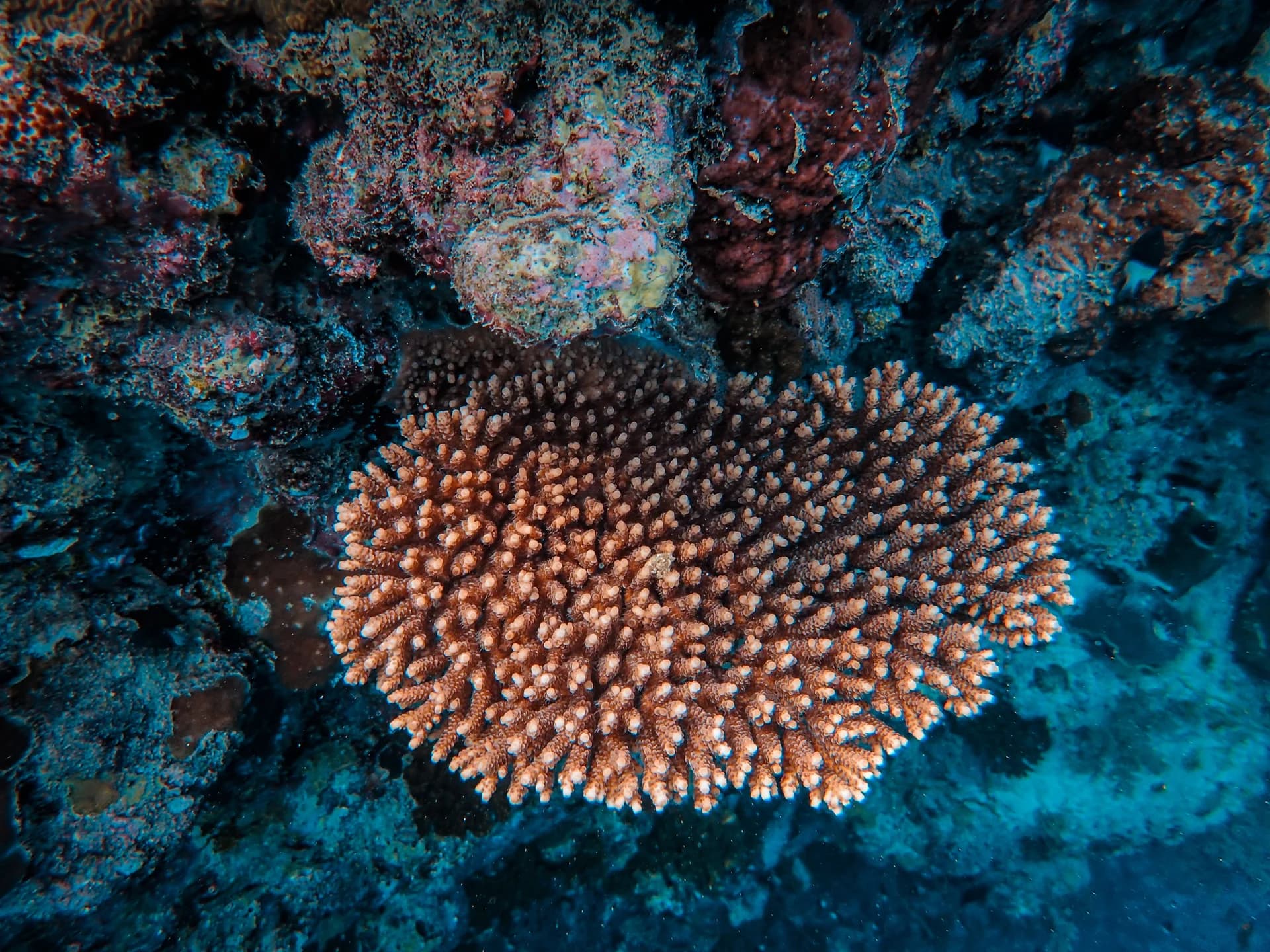
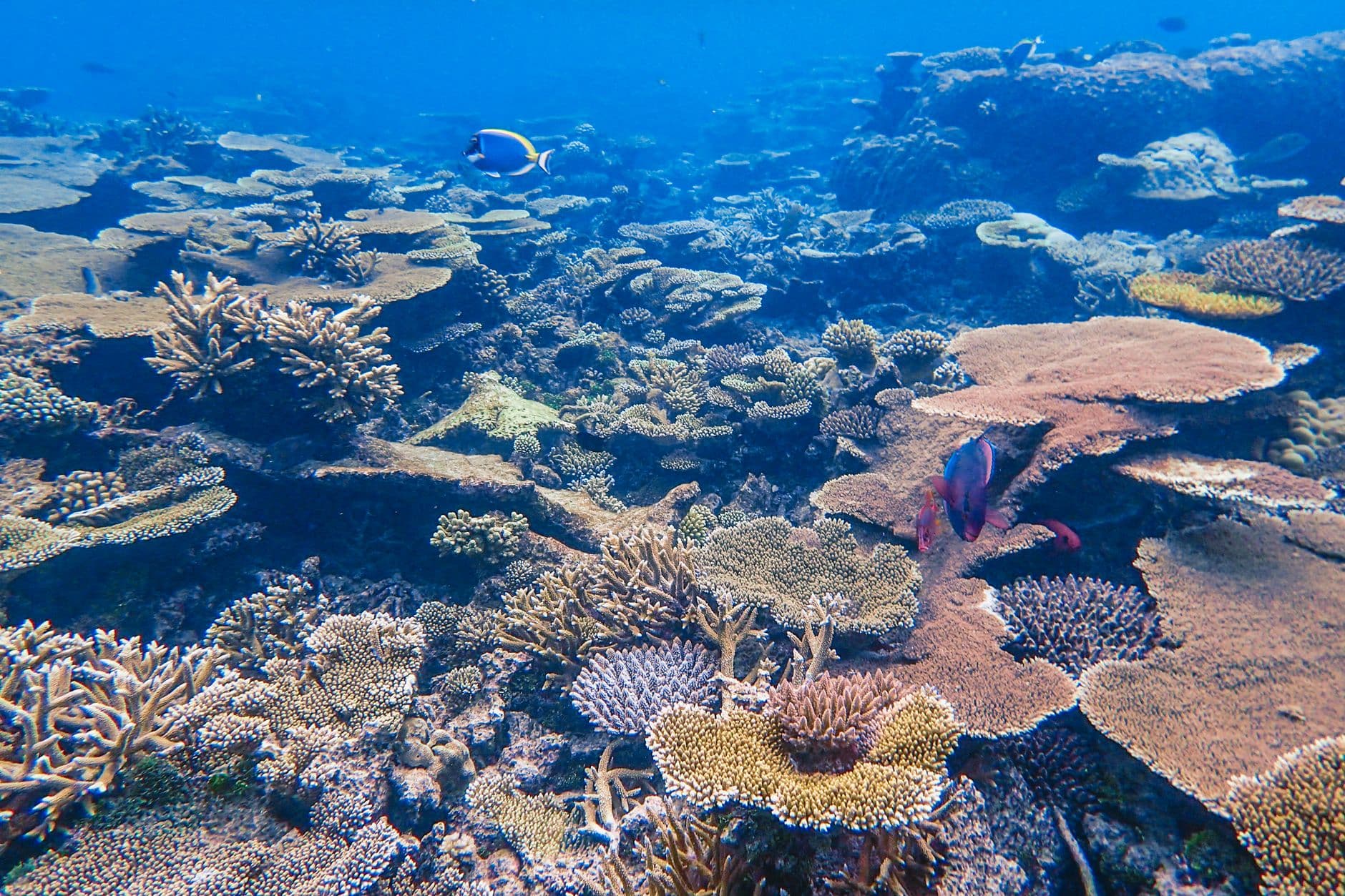
Photo: Francesco Ungaro / Pexels

The Kingdom of Tonga — the South Pacific's best-kept diving secret. Spread across 169 islands with only a handful of dive operators, Tonga offers pristine, uncrowded reefs, world-class cave dives, and the once-in-a-lifetime opportunity to swim alongside migrating humpback whales (July–October). Three distinct island groups — Vava'u, Ha'apai, and Tongatapu — each deliver a completely different underwater personality, from sheltered channel dives and historic wrecks to frontier pinnacles where hammerheads and manta rays cruise the deep. With year-round warm water, excellent visibility, and 75% of its islands uninhabited, Tonga rewards adventurous divers willing to venture beyond the usual South Pacific circuit.

Tonga's 169 islands stretch nearly 800 km from north to south — roughly the distance from Los Angeles to San Francisco.Tonga is one of only two places on Earth where you can legally swim with humpback whales in the water.The Arch of Ofalanga in Ha'apai is the largest known coral arch in the South Pacific — 20 metres wide and 15 metres tall.Tonga is the only Pacific island nation that was never colonized by a European power — a sovereign kingdom for over 1,000 years.The 2025 Ocean Management Act protects 30% of Tonga's ocean as fully protected marine areas — one of the highest percentages in the world.Cathedral Cave under 'Eua Island is 100 metres long and 50 metres wide — one of the largest sea caves on the planet.Ha'apai has exactly one dive operator for approximately 30 known dive sites — true frontier diving.

Explore the map

Select a pin to learn more. Use the zoom buttons or pinch to zoom.

Loading map…

Places on this map (9)
  • Enriched

47 places have no verified map location yet. Browse the page lists for more places.

Conditions

Water temp

21–28 °C

Visibility

25–40 m

Depth

2–50 m

Current

Mild

Best season

May to November offers the best visibility (up to 40m) and cooler, drier conditions. July–October is peak humpback whale season (snorkel-only encounters). December–April brings warmer water (24-28°C) but cyclone risk and lower visibility.

MonthSummary
JanWarm summer waters at 27°C with good visibility around 28m. Cyclone season — expect occasional tropical storms but excellent diving between weather systems. Vava'u channels are sheltered options.
FebWarmest water of the year at 28°C. Visibility holds at 28m. Peak cyclone month — flexibility required. Sheltered harbour dives like Clan McWilliam wreck are reliable fallback options.
MarWarm 28°C water with improving conditions as cyclone season winds down. Good month for combining diving with cultural experiences. All three island groups accessible with inter-island flights operating regularly.
AprTransition month at 27°C with visibility improving to 30m. Shoulder season offers good value with fewer visitors. Great time for Ha'apai — pristine reefs with excellent visibility before whale season crowds arrive.
MayStart of the dry season — arguably the best month for pure scuba diving. Visibility jumps to 35m, water at 25°C. All operators running regular schedules before whale season pivots. Ideal for Vava'u's wall and cave dives.
JunPeak visibility at 38m with cool 24°C water. Dry season in full swing — calm seas, clear skies. Best month for outer reef and pelagic sites. A 3mm wetsuit recommended for multiple dives per day.
JulPeak whale season begins. Humpbacks arrive from Antarctica. Crystal-clear 40m visibility with 22°C water. Note: many operators shift focus to whale swimming — book scuba diving well ahead. Best month for Ha'apai's Blake's Reef (hammerheads, mantas).
AugPeak humpback whale activity — mothers and calves in protected waters. Best visibility of the year at 40m with 22°C water. Limited scuba availability as operators prioritize whale tours. Book Matafonua Lodge for Ha'apai diving + whale combo.
SepWhale season continues with 38m visibility and 22°C water. Slightly warmer than August. Excellent month for underwater photography with clear water and active marine life. Cave dives at Cathedral Cave and Swallows Cave particularly stunning.
OctShoulder month at 23°C with 35m visibility. Last chance for reliable whale encounters as humpbacks begin migration south. Dive operators gradually return to normal scuba schedules. Good time for Vava'u's North Shore and cave sites.
NovReturn to regular diving season at 24°C with 30m visibility. All operators back to scuba schedules. Excellent month for exploring Tongatapu's outer reef canyons and Vava'u's full site roster. Comfortable temperatures above and below water.
DecEarly summer at 26°C with 28m visibility. Warm water returns but occasional tropical systems may develop. Festive season — book accommodation early. Good month for sheltered Vava'u sites and the Clan McWilliam night dive with UV light.

Dive Sites (48)

Anahulu Cave

2–5m · Beginner

Snorkeling

Freshwater cave · Geological feature

Arch of Ofalanga

20–35m · Advanced

Caves

Coral arch · offshore

Atlantis

2–45m · Intermediate

Coral reef · Wall · Swim-throughs

AX-Factor Dive House Reef

1–33m · Beginner

Night dive · Macro life

House reef

Benny's Place

5–25m · Intermediate

Macro life · Coral reef · Muck diving

Blake's Reef

5–30m · Advanced

Coral reef · Sharks · Manta rays

Blue Coral

5–20m · Beginner

Coral reef · Photography

Blue coral

Boulder Bay

5–22m · Intermediate

Coral reef · Swim-throughs

Rock formation

+40more sites in the appGet the app →

Regional species catalogue (89)

Species recorded in this destination's wider regional catalogue. A species being listed here does not mean it is seen at this destination — check the note on each card.

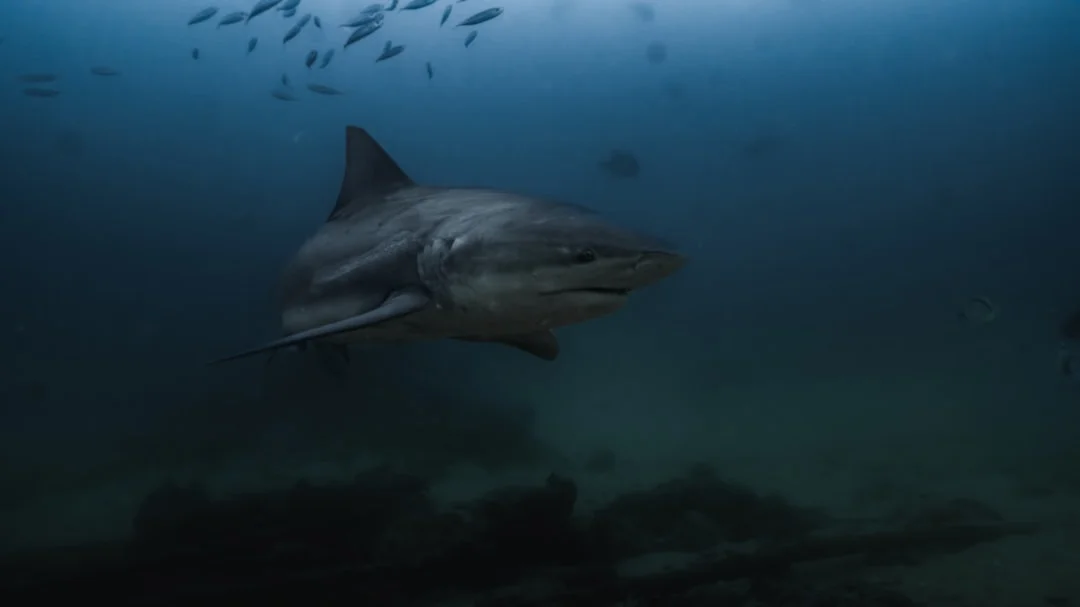
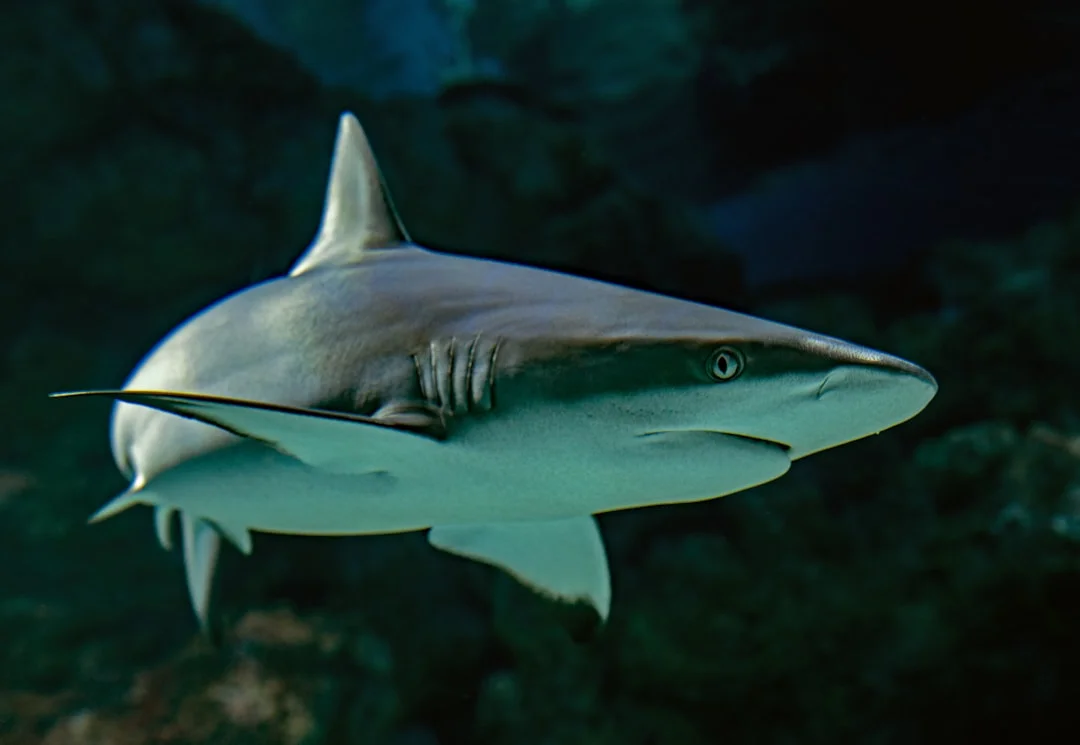
Bull Shark

Bull Shark

General species description, not specific to this destination

Bull sharks are one of the most impressive predators divers can encounter in warm coastal waters. These robust sharks are easily recognized by their broad, blunt snout, stocky build, and grey coloration with a white underside. Growing up to 11 feet long, they have a powerful, muscular appearance that commands respect underwater. Bull sharks are known for their curious nature and may approach divers, maintaining a confident but generally non-aggressive demeanor. They're often seen cruising along reef walls or in open water, sometimes in small groups. Their ability to tolerate both saltwater and freshwater makes them unique among sharks, and they're excellent hunters with a varied diet including fish, rays, and other marine life.

Dusky Shark

Dusky Shark

General species description, not specific to this destination

A marine organism known as Dusky Shark (Carcharhinus obscurus). Found in oceanic environments.

Great Hammerhead

Destination note

Rare; reported at Blake's Reef (Ha'apai) — not guaranteed, May-Oct window

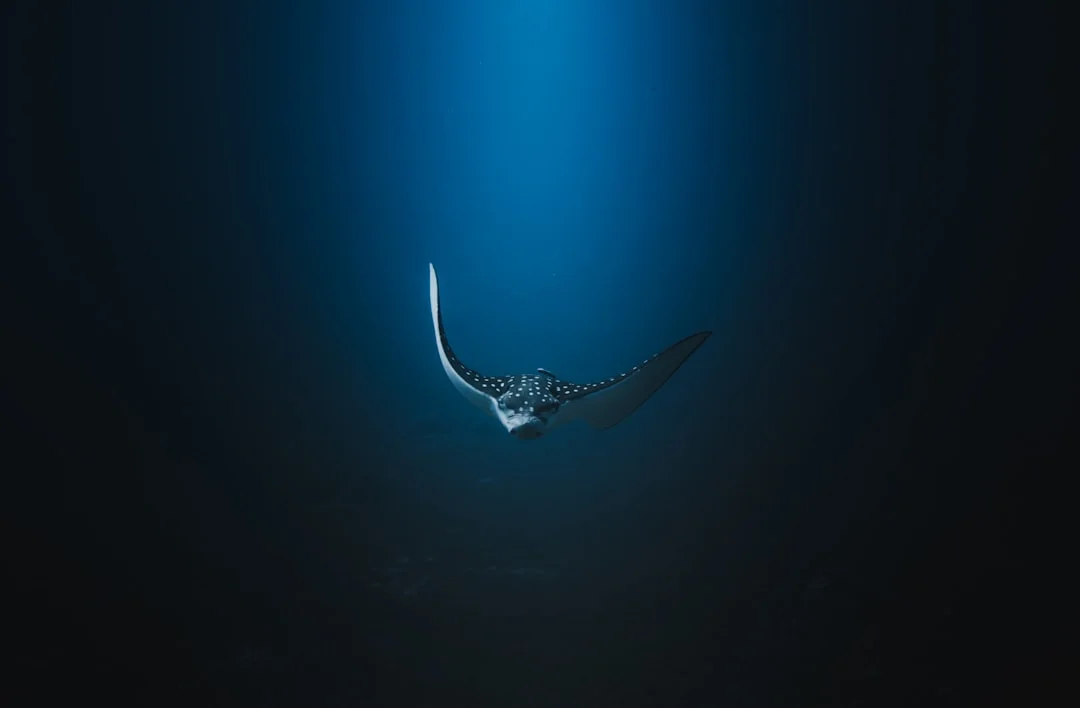
Spotted Eagle Ray

Spotted Eagle Ray

Destination note

Common at J-Caves and outer reef passes in Vava'u; year-round

Green Sea Turtle

Green Sea Turtle

Destination note

Common at all reef sites; frequently seen at Coral Garden, No Worries, Sea Fans

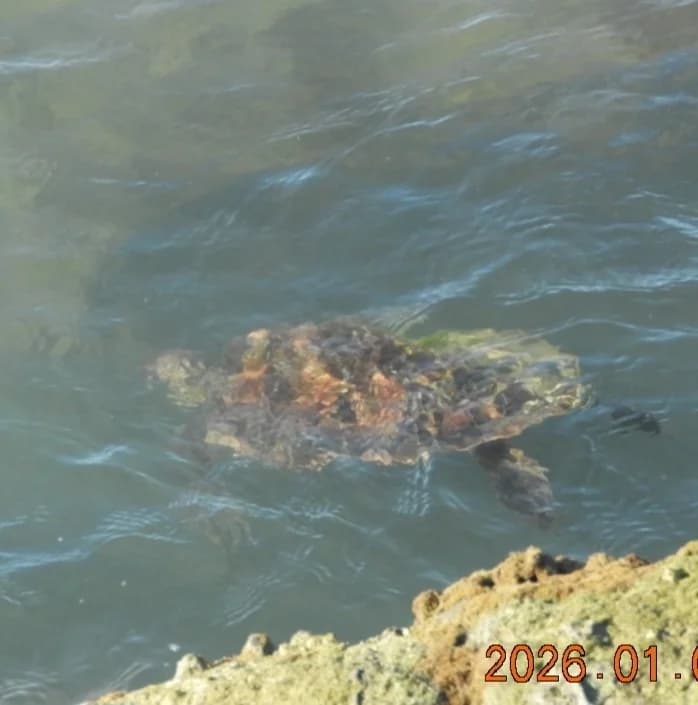
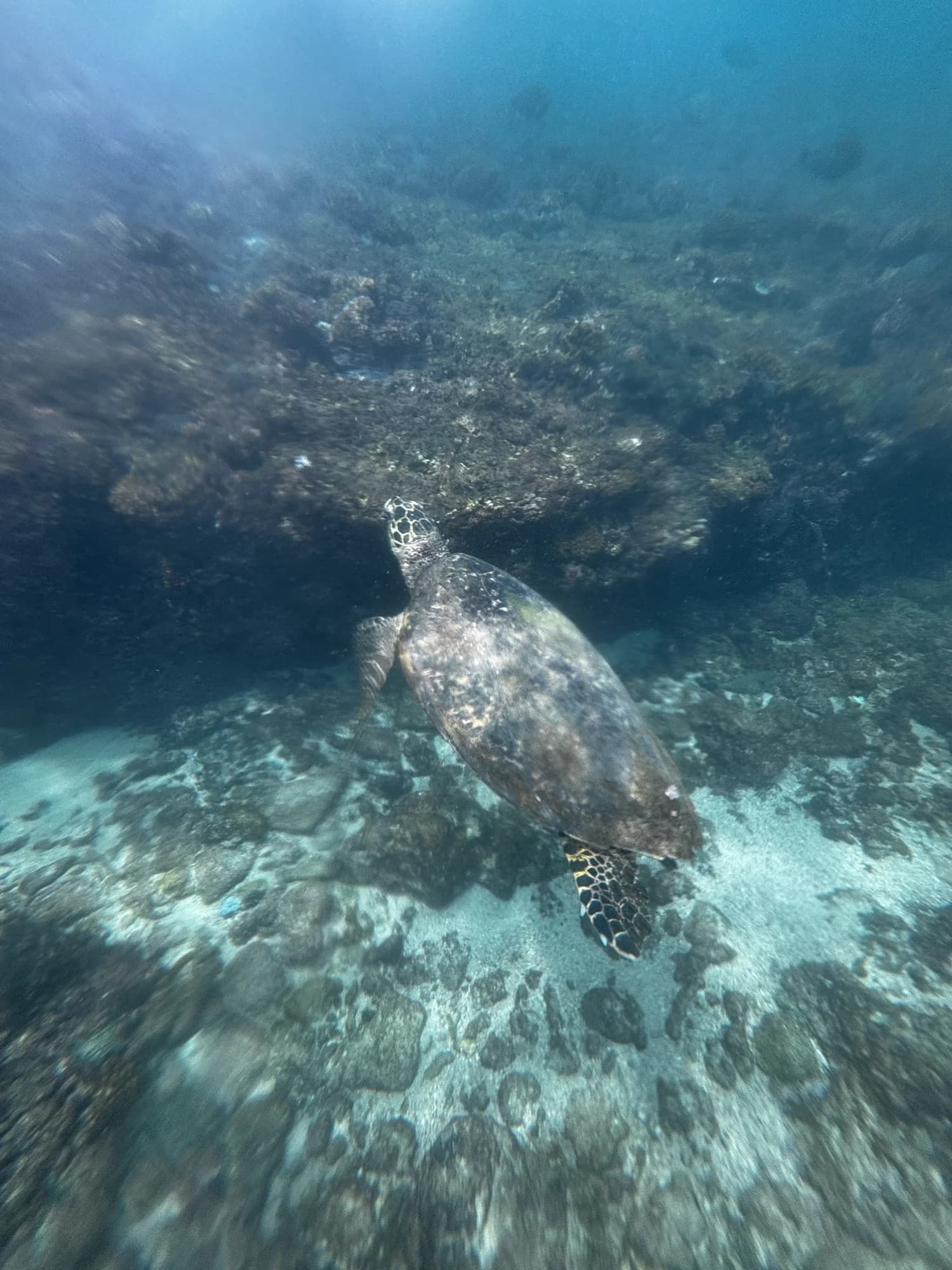
Hawksbill Turtle

Hawksbill Turtle

Destination note

Common resident; seen at most reef sites in Vava'u and Ha'apai

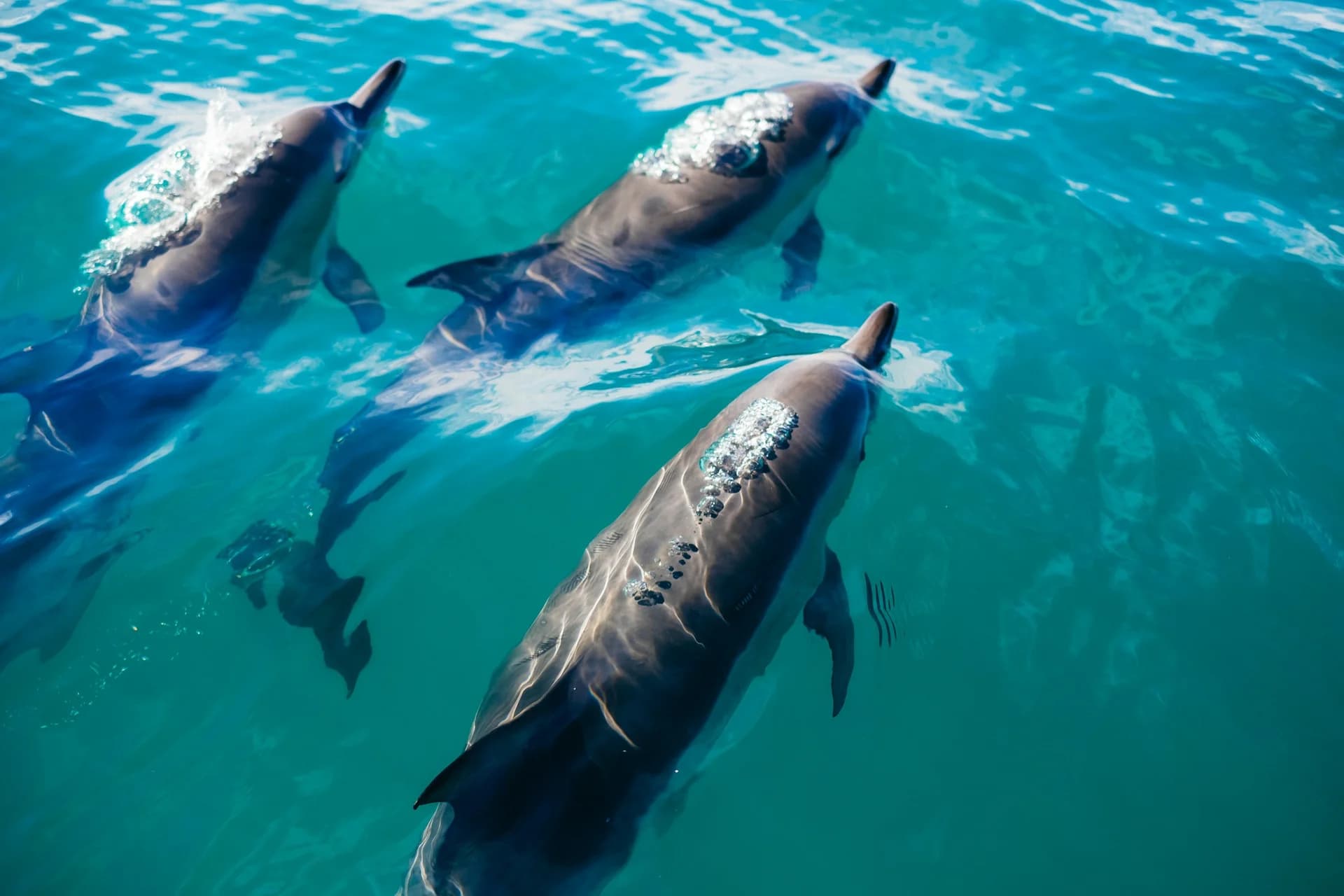
Atlantic Bottlenose Dolphin

Atlantic Bottlenose Dolphin

Destination note

Uncommon but regular; seen in Vava'u channel and Ha'apai passes

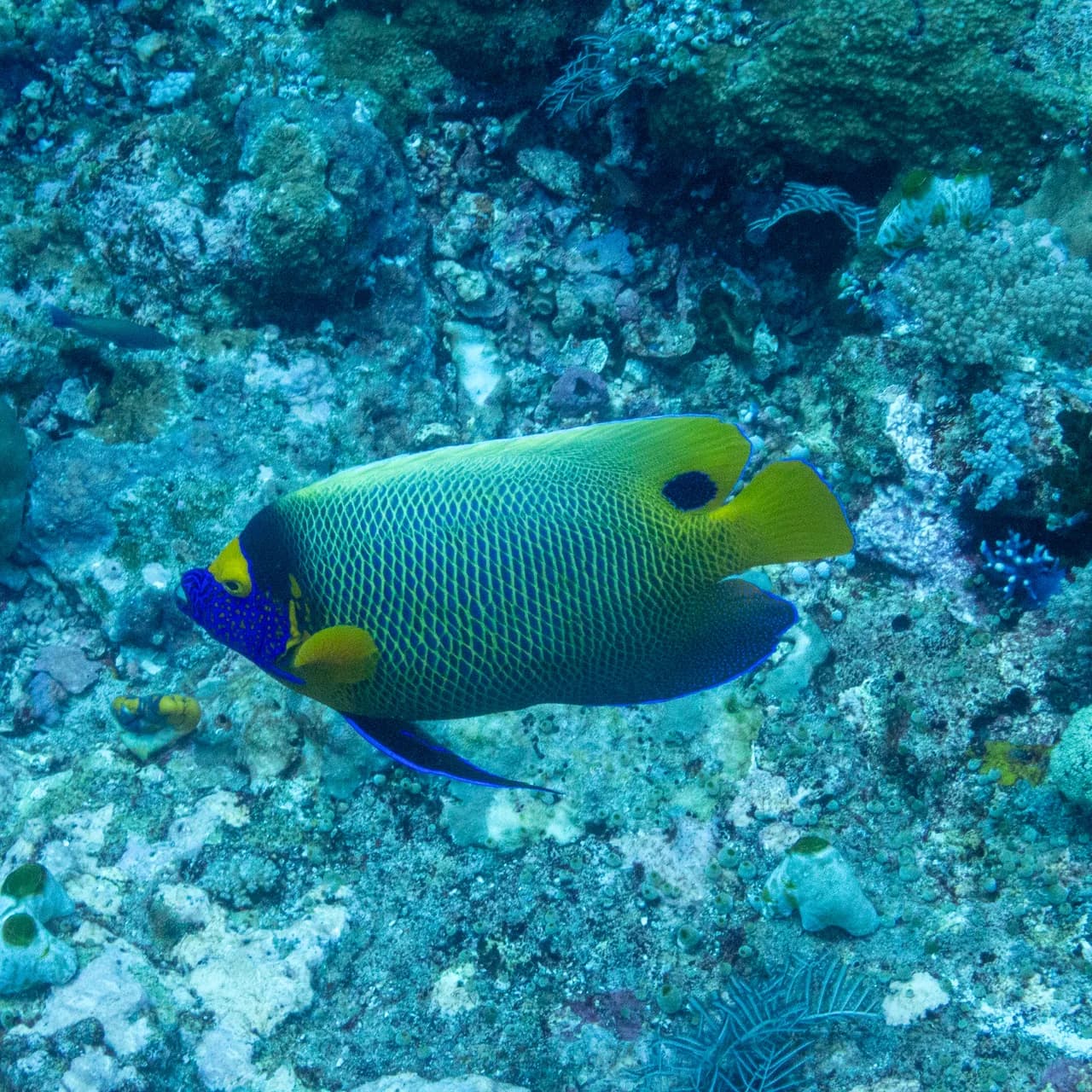
Blueface Angelfish

Photo: Pomacanthus xanthometopon, iNaturalist observation 244248987, photo 435661305 — Justin Philbois · CC0 1.0 · Cropped to a reviewer-selected 1536×1536 px square at (256, 0) of the 2048×1536 px original, resized to 1280×1280 (main) and downscaled to 400×400 (thumbnail), and encoded as WebP with metadata removed.

Blueface Angelfish

General species description, not specific to this destination

A large angelfish with a vivid blue face, yellow mask, blue-edged scales, and a yellow caudal fin. Adults have a deep, laterally compressed body and striking contrasting colors, while juveniles are dark with blue and white curved bands. It is one of the most recognizable Indo-Pacific reef angelfishes.

Pacific Nurse Shark

Pacific Nurse Shark

General species description, not specific to this destination

A marine organism known as Pacific Nurse Shark (Ginglymostoma unami). Found in oceanic environments.

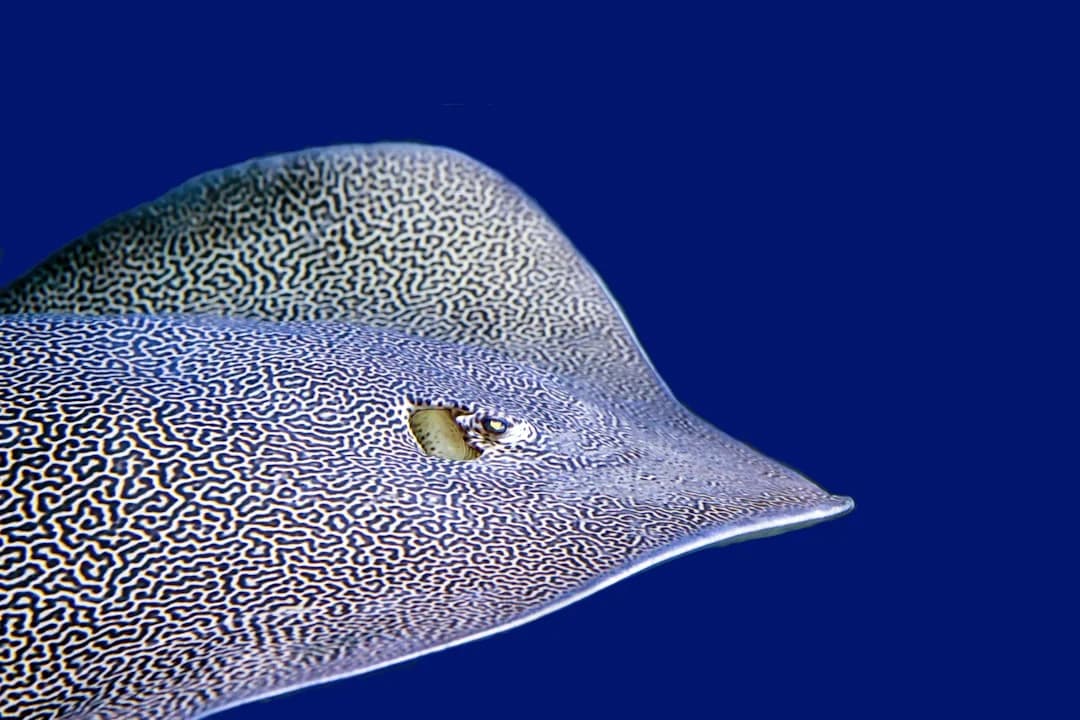
Honeycomb Stingray

Honeycomb Stingray

General species description, not specific to this destination

A marine organism known as Honeycomb Stingray (Himantura uarnak). Found in oceanic environments.

Dwarf Sperm Whale

General species description, not specific to this destination

A marine organism known as Dwarf Sperm Whale (Kogia sima). Found in oceanic environments.

Flame Angelfish

Photo: Centropyge loriculus, iNaturalist observation 173889325, photo 302031710 — Debra Baker · CC BY 4.0 · Cropped to a reviewer-selected 1044×1044 px square at (798, 0) of the 1899×2048 px original, upscaled to 1280×1280 (main) and downscaled to 400×400 (thumbnail), and encoded as WebP with metadata removed.

Flame Angelfish

General species description, not specific to this destination

A marine organism known as Flame Angelfish (Centropyge loricula). Found in oceanic environments.

+77more species in the app

Dive Shops (8)

Dive Rarotonga

★ 4.7Moderate
Website ↗

Pacific Divers PADI 5 star IDC

★ 4.8Moderate
Website ↗

Beqa Adventure Divers

★ 4.8Moderate
Website ↗

Salt Diver Taveuni

★ 4.8Moderate
Website ↗

Deep Blue Diving

★ 4.7Moderate
Website ↗

Beluga Diving

★ 3.6Moderate
Website ↗

Dive Tonga

★ 5Moderate
Website ↗

AX Factor Dive

★ 4.9Moderate
Website ↗

Guides

Safety

Coast guard

Tonga Emergency Services (Unified)

911

Hospital

Vaiola Hospital (Main Referral)

+676 21200

Emergency

DAN Emergency Hotline (Divers Alert Network)

+1-919-684-9111

Police

Tonga Police

922

Hyperbaric chamber

No verified recompression chamber on record.

Contact DAN: +1 919 684 9111

Bring Tonga underwater

Offline access, dive log, AI fish ID, live site maps, and trip planning.

Download on the App Store