Seychelles

Seychelles

Diving in Seychelles

50 sites92 species24–30 °C10–40 m vis

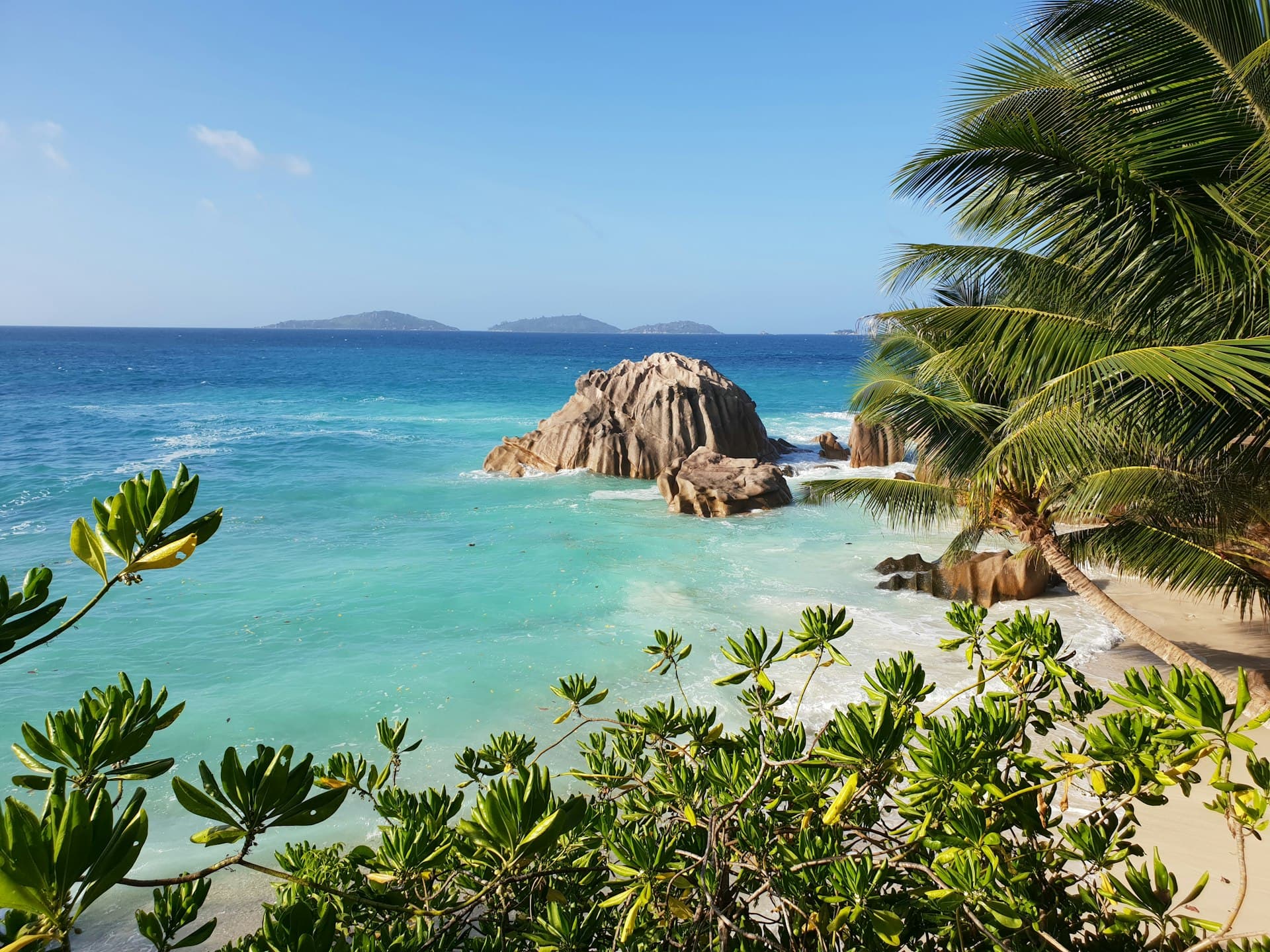
Photo: Francesco Ungaro / Pexels

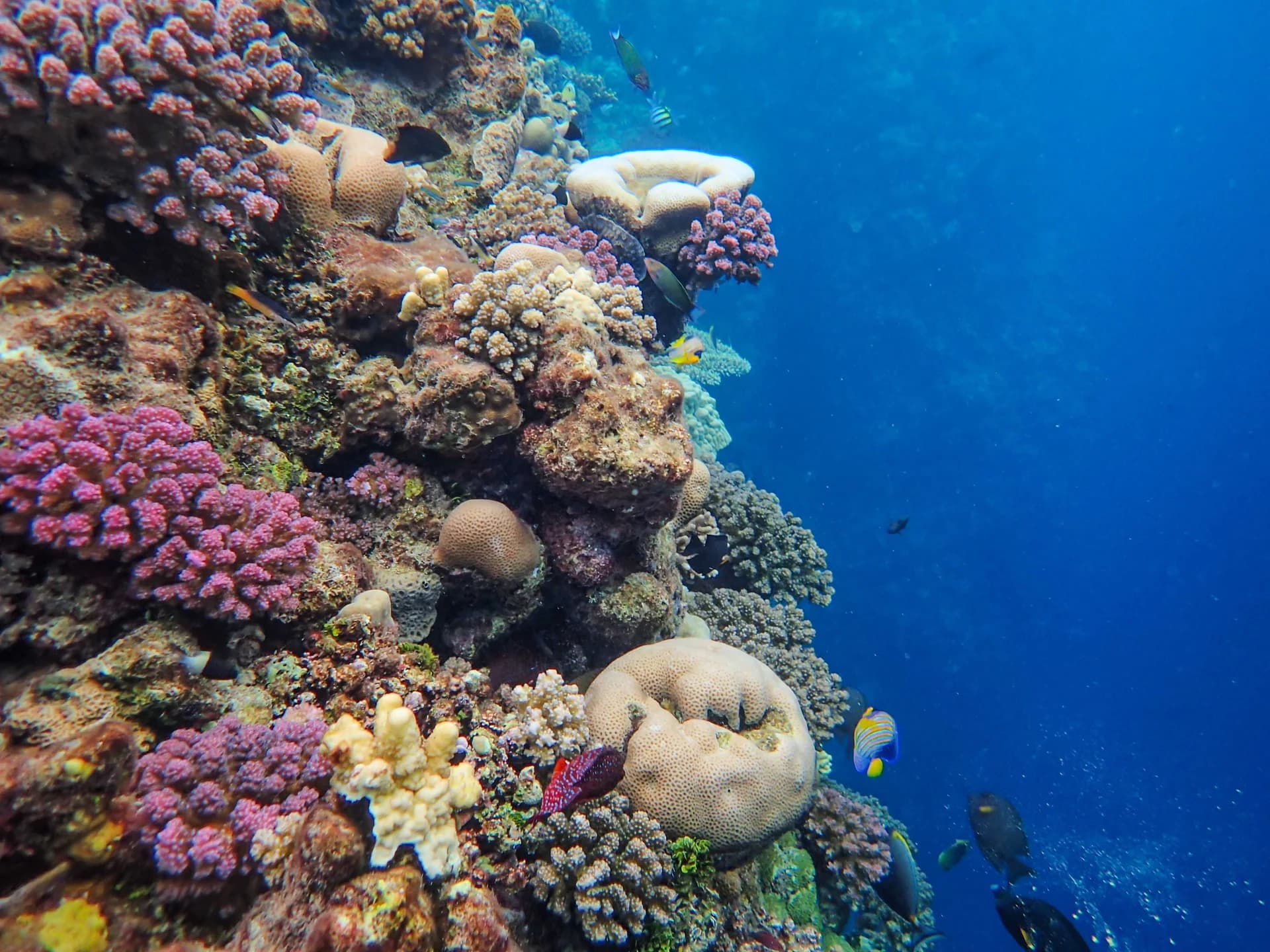
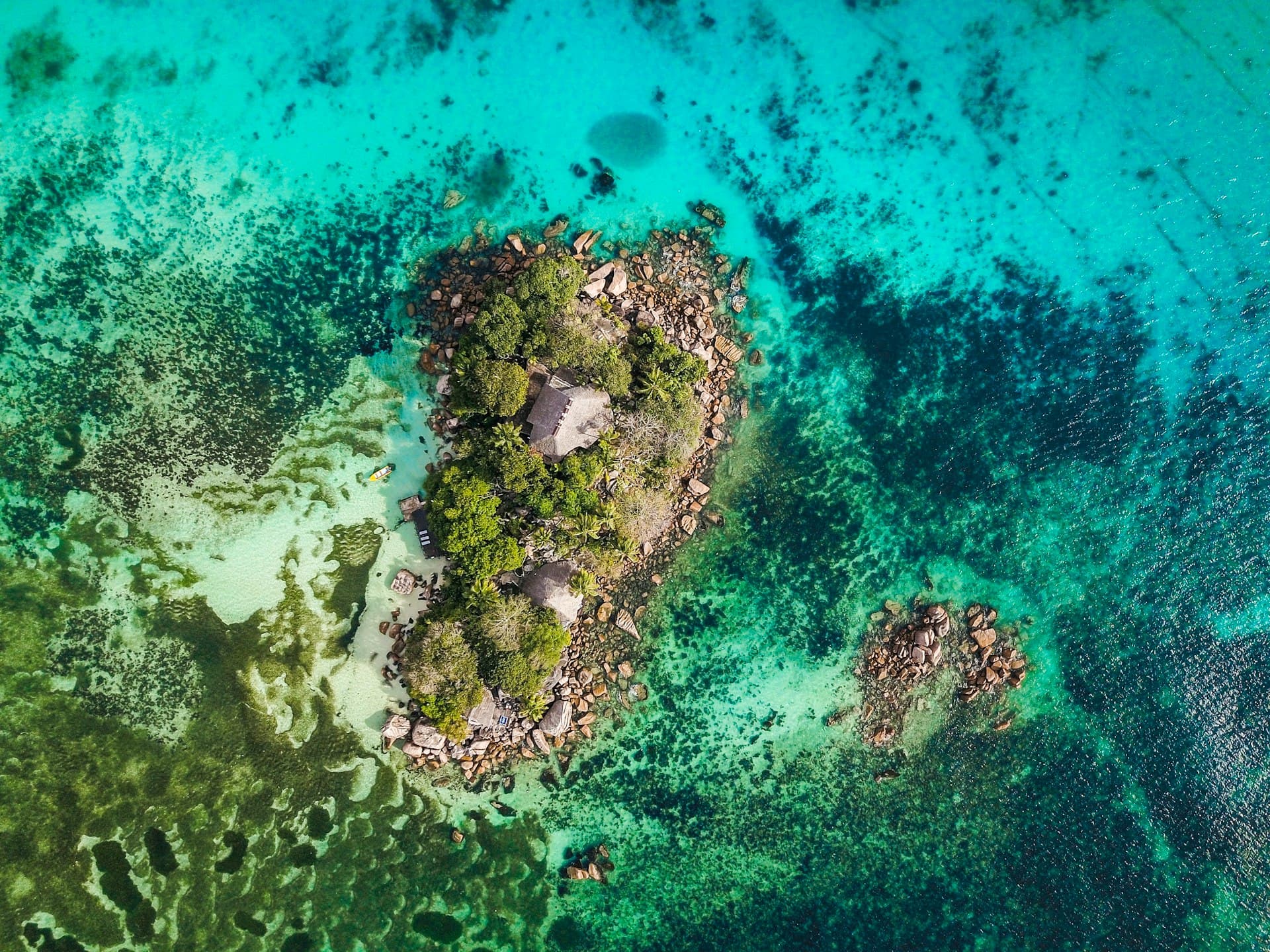
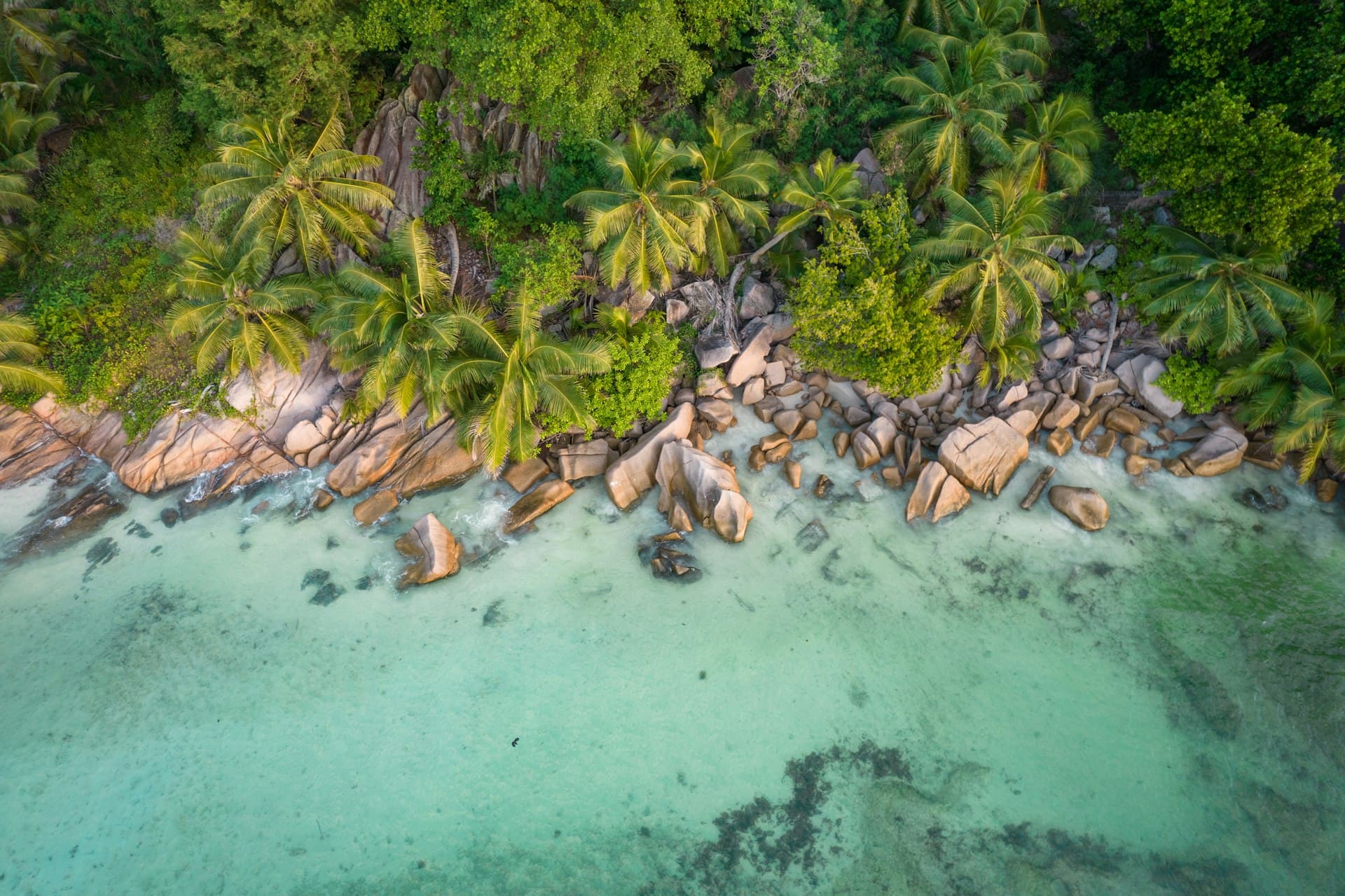
Seychelles — 115 granite-and-coral islands scattered across 1.4 million km² of Indian Ocean, where ancient granite boulders carved by 750 million years of ocean create underwater scenery found nowhere else on Earth. Dive with 50-strong hammerhead schools at Trois Bancs, drift with grey reef sharks through South Marianne's current-swept channel, photograph turtles on nearly every dive, and from September to November share the water with whale sharks drawn to seasonal plankton blooms. The Inner Islands (Mahé, Praslin, La Digue) offer granite swim-throughs, boulder gardens, and cave-riddled walls while the Outer Islands (Alphonse, Desroches, Astove, Cosmoledo) deliver pristine atoll walls, unpressed shark populations, and visibility regularly exceeding 30 metres. With 30% of its waters protected, a shark sanctuary since 2012, and year-round water temperatures of 24–30°C, Seychelles combines world-class diving with genuine conservation leadership.

Seychelles' granite islands are among the oldest oceanic islands on Earth — 750 million years old, formed when the supercontinent Gondwana broke apart.Aldabra Atoll is the world's largest raised coral atoll — 34 km long and home to 152,000 giant Aldabra tortoises.Seychelles completed a landmark debt-for-nature swap in 2018, converting $27M of national debt into 210,000 km² of marine protected areas.The critically endangered Napoleon wrasse (humphead wrasse) is actively tracked via tagging programs at Desroches Channel and other Seychelles sites.Whale sharks visit the Inner Islands reliably every September–November — among the most accessible whale shark encounters in the Indian Ocean.Seychelles was one of the first countries in the world to establish a shark sanctuary (2012), banning all commercial shark fishing in its waters.The Coco-de-Mer — the world's heaviest seed weighing up to 42 kg — grows only in Seychelles, in the Vallée de Mai on Praslin Island.Seychelles Creole cuisine blends French, African, Indian, and Chinese influences — try pwason ek diri (fish with rice) and ladob (plantain in coconut milk).

Explore the map

Select a pin to learn more. Use the zoom buttons or pinch to zoom.

Loading map…

Places on this map (21)
  • Enriched
  • Enriched
  • Enriched
  • Enriched
  • Enriched

45 places have no verified map location yet. Browse the page lists for more places.

Conditions

Water temp

24–30 °C

Visibility

10–40 m

Depth

5–40 m

Current

Moderate

Best season

March–May and September–November (inter-monsoon transitions — calmest seas, peak visibility 20–40m)

MonthSummary
JanWarm NW monsoon waters (28–29°C) with 15–30m visibility. Calm surface conditions on leeward coasts; Beau Vallon may be choppy. Turtles active on all reefs.
FebPeak summer warmth (28–30°C), visibility 15–30m. Similar to January — NW monsoon conditions with occasional afternoon showers. Excellent for beginners at protected sites.
MarTransition month — NW monsoon easing, visibility climbing to 20–40m. Water 28–30°C. One of the best months of the year with calm seas and excellent clarity.
AprPeak inter-monsoon window — arguably the best month. 20–40m visibility, 28–30°C water, light currents. All sites accessible. Eagle rays, turtles, and reef sharks abundant.
MayStill excellent conditions (27–29°C, 20–35m vis) as SE trade winds begin building. Good month for advanced sites before winds strengthen. Whale shark season approaching.
JunSE trades established — cooler water (25–27°C), visibility drops to 10–25m with plankton blooms. Whale shark season begins; mantas more active. Wetter, windier — leeward sites preferred.
JulCoolest water of the year (24–26°C), visibility 10–25m. Peak whale shark and manta season. SE trades at their strongest — some northern sites inaccessible. Wetsuit recommended.
AugWater 24–26°C, visibility 10–25m. Whale sharks and mantas at their peak — best month for pelagic encounters. SE trade winds persist. Wreck dives sheltered from wind are excellent.
SepSE trades easing — water warming (25–27°C), visibility improving to 15–25m. Last reliable month for whale sharks. Mantas still present. Transition beginning toward November calm.
OctTransition month — excellent conditions return. Water 26–28°C, visibility 20–35m. Humpback whales possible in outer island passes. Manta sightings still good. Winds lightening.
NovNW monsoon returns — peak visibility (25–40m), water 27–29°C, calm seas. Best month for crystal-clear photography and outer island walls. All sites accessible. Many consider this the finest month.
DecExcellent holiday-season conditions — 28–29°C water, 20–35m visibility. NW monsoon settled in. Warm, calm, clear. Busy season — book dive operators and accommodation well in advance.

Dive Sites (50)

Aldebaran Wreck

30–39m · Advanced

Artificial reef · Barracuda

Deep wreck

Alphonse Outer Wall

5–40m · Advanced

Gorgonians

Drop-off wall · Reef mantas

Aquarium (Mahé)

5–15m · Beginner

Beginner friendly · Training site · Snorkeling

Aride Island

10–30m · Intermediate

Remote · Sharks

Seabird sanctuary

Astove Outer Wall

3–40m · Advanced

Pristine coral wall · Staghorn coral · Silvertip sharks

Ave Maria

12–20m · Intermediate

Turtles

Channel dive · Bumphead parrotfish

Baie Ternay Marine Park

5–22m · Beginner

Macro life · Beginner friendly

Marine park

Bay Ternay Wall

10–30m · Intermediate

Wall · Gorgonians · Cleaning station

+42more sites in the appGet the app →

Regional species catalogue (92)

Species recorded in this destination's wider regional catalogue. A species being listed here does not mean it is seen at this destination — check the note on each card.

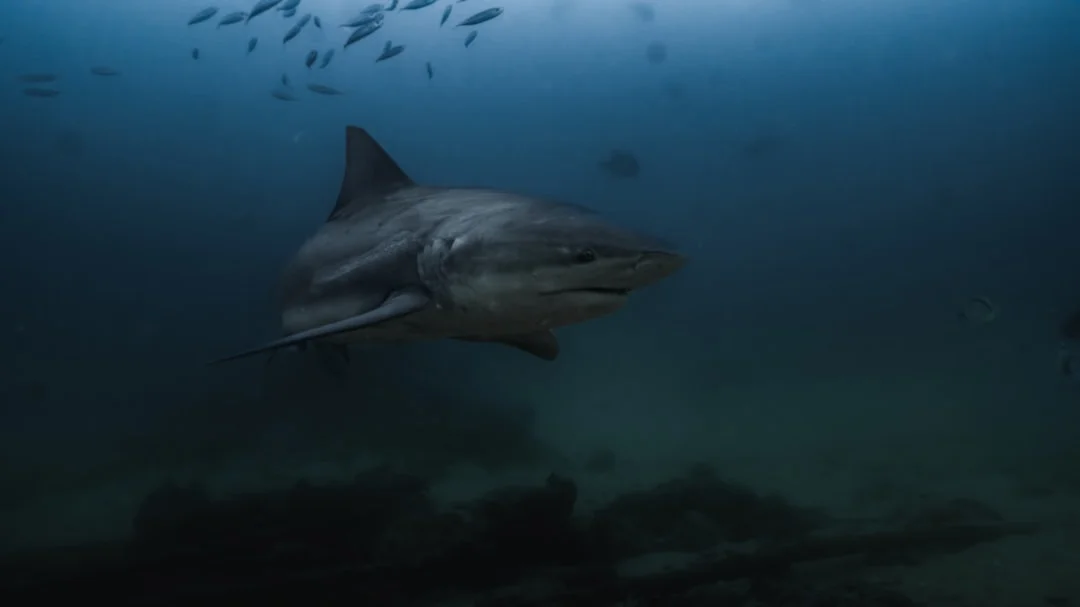
Bull Shark

Bull Shark

General species description, not specific to this destination

Bull sharks are one of the most impressive predators divers can encounter in warm coastal waters. These robust sharks are easily recognized by their broad, blunt snout, stocky build, and grey coloration with a white underside. Growing up to 11 feet long, they have a powerful, muscular appearance that commands respect underwater. Bull sharks are known for their curious nature and may approach divers, maintaining a confident but generally non-aggressive demeanor. They're often seen cruising along reef walls or in open water, sometimes in small groups. Their ability to tolerate both saltwater and freshwater makes them unique among sharks, and they're excellent hunters with a varied diet including fish, rays, and other marine life.

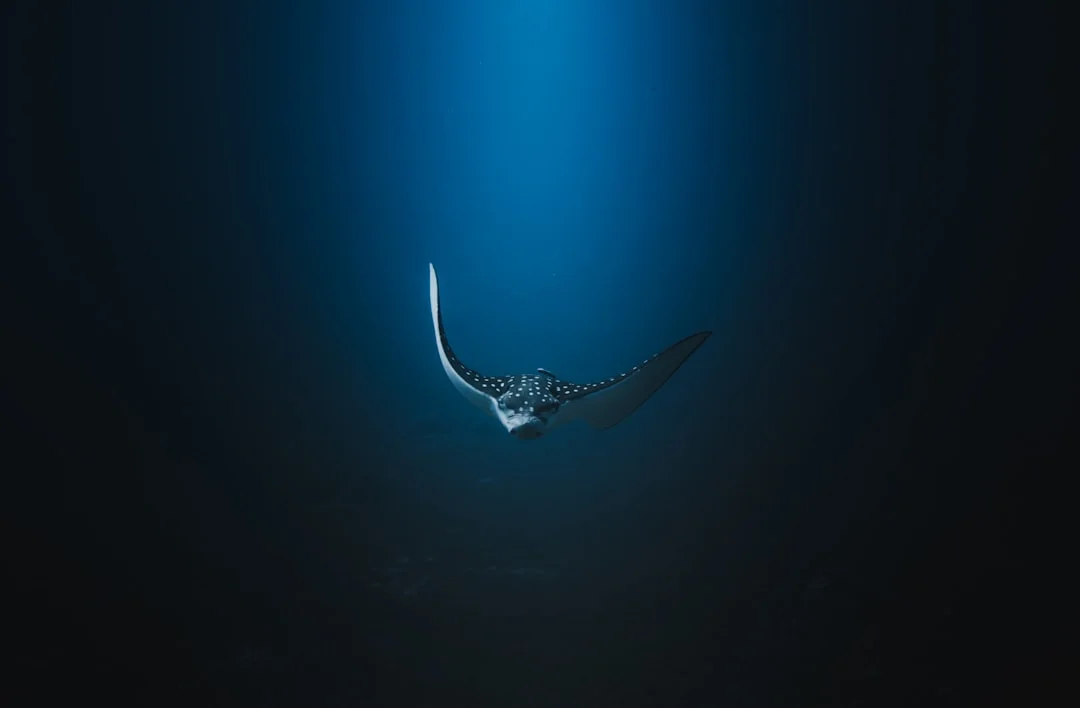
Spotted Eagle Ray

Spotted Eagle Ray

Destination note

Frequently sighted gliding over sandy channels and reef flats around Mahé, Praslin, and La Digue. Often seen in small groups during the calm inter-monsoon months.

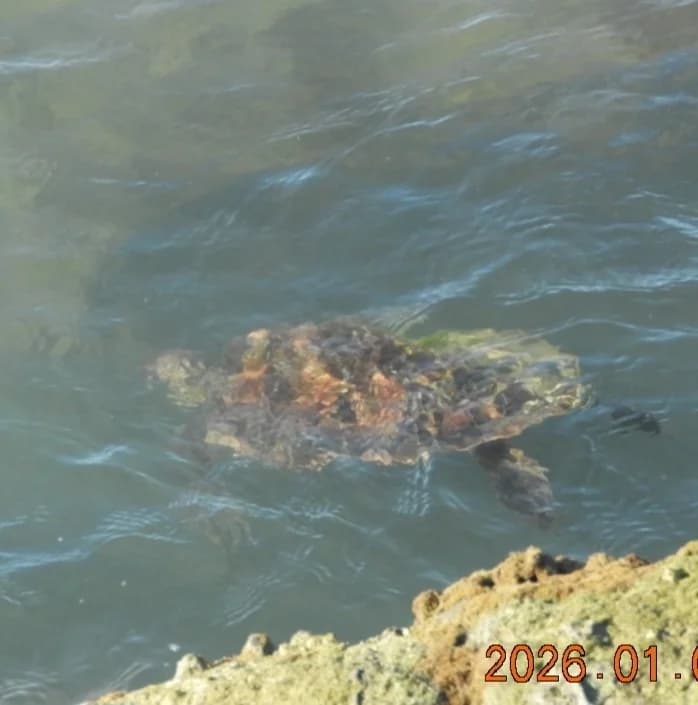
Green Sea Turtle

Green Sea Turtle

Destination note

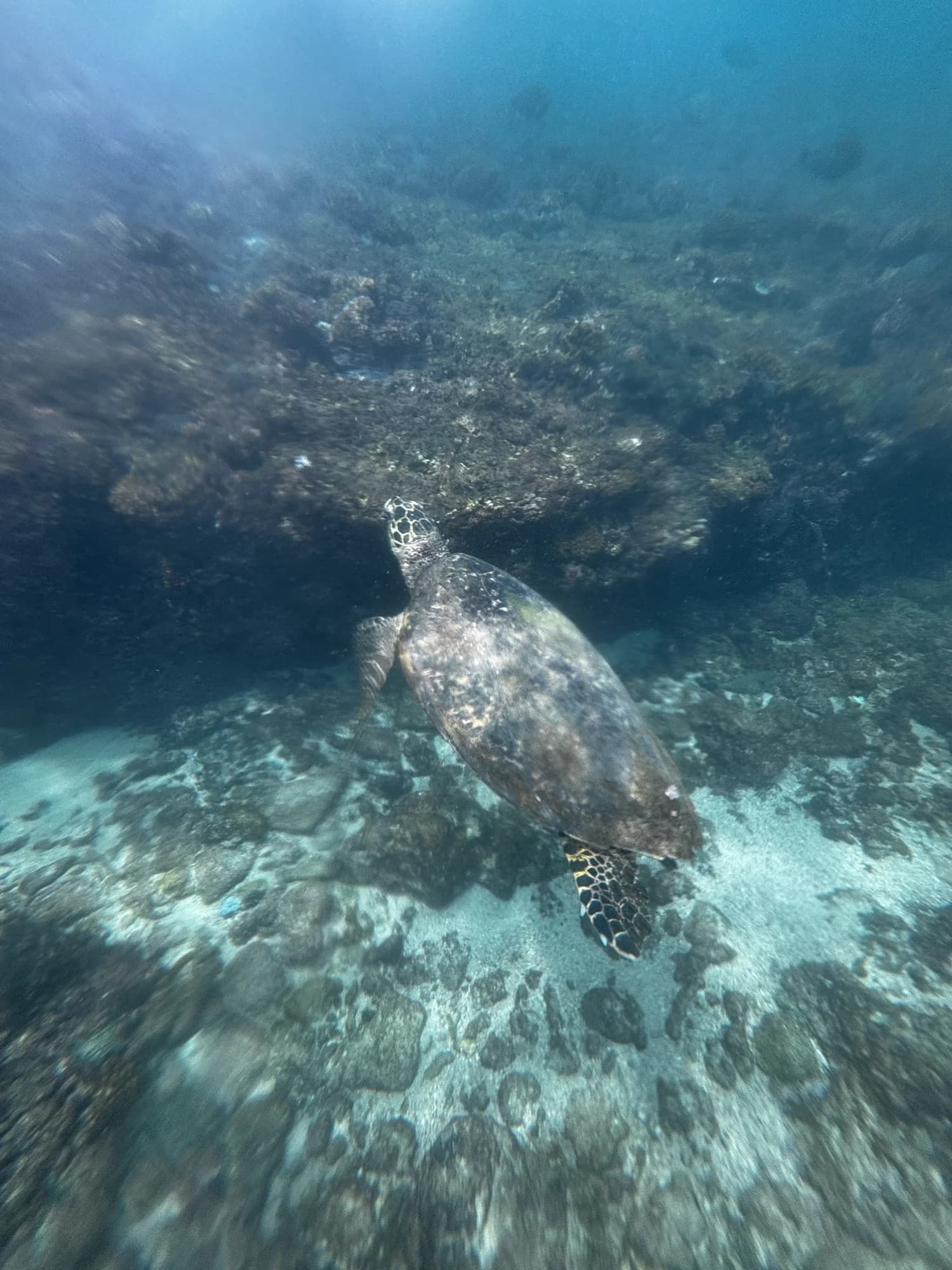
Abundant year-round on nearly every dive site around the inner and outer islands. Nesting season peaks October–February on isolated beaches. Frequently seen grazing on seagrass beds.

Hawksbill Turtle

Hawksbill Turtle

Destination note

Regularly seen on coral reefs throughout Seychelles, especially around Curieuse Marine Park and Aldabra. Nesting occurs on Curieuse beaches October–February. Often observed resting under coral ledges.

Atlantic Bottlenose Dolphin

Atlantic Bottlenose Dolphin

Destination note

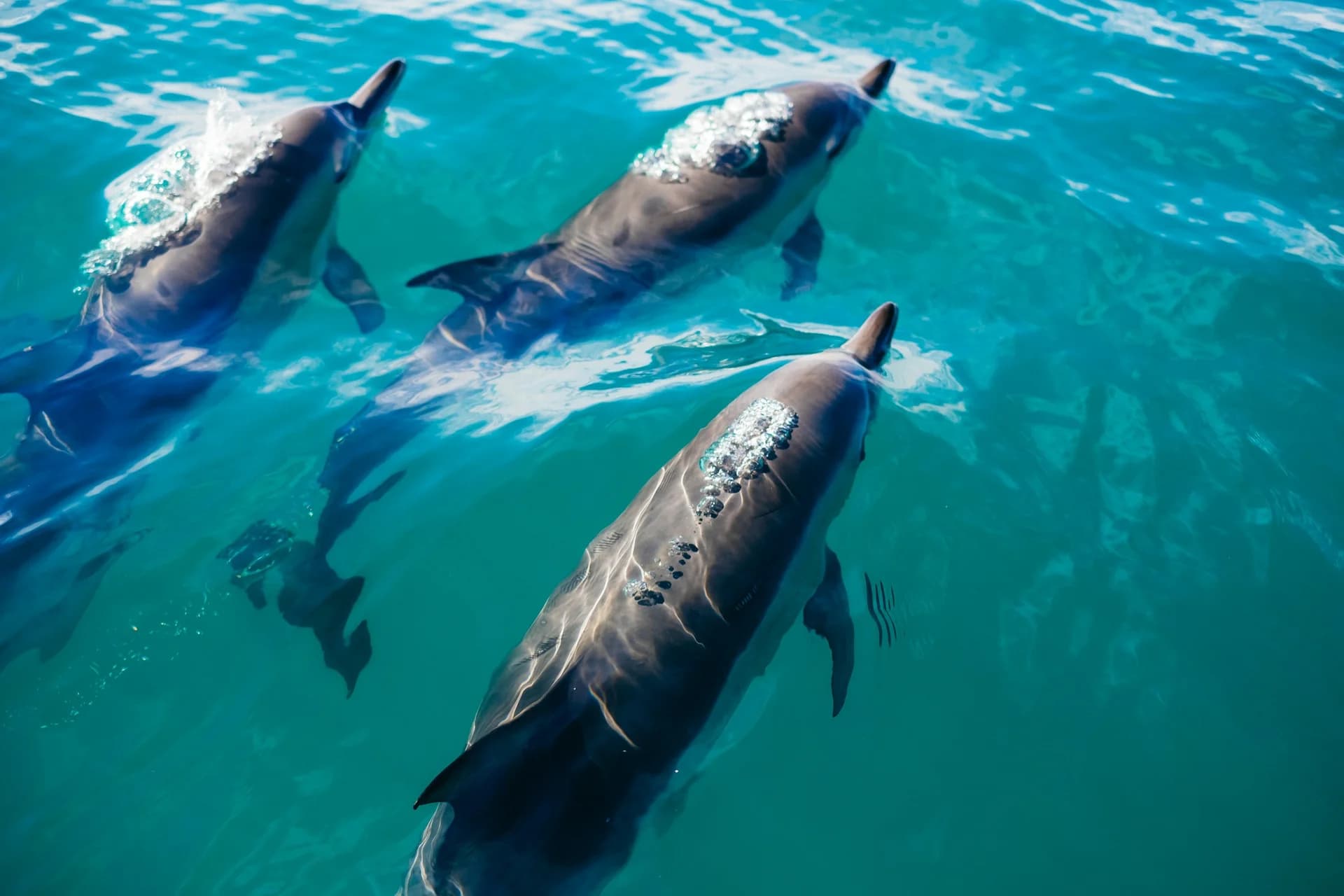
Resident coastal populations around Mahé and Praslin, often seen in small groups patrolling reef edges and bays. Easily spotted from boats throughout the year.

Indian Ocean Blue-spotted Maskray

Indian Ocean Blue-spotted Maskray

General species description, not specific to this destination

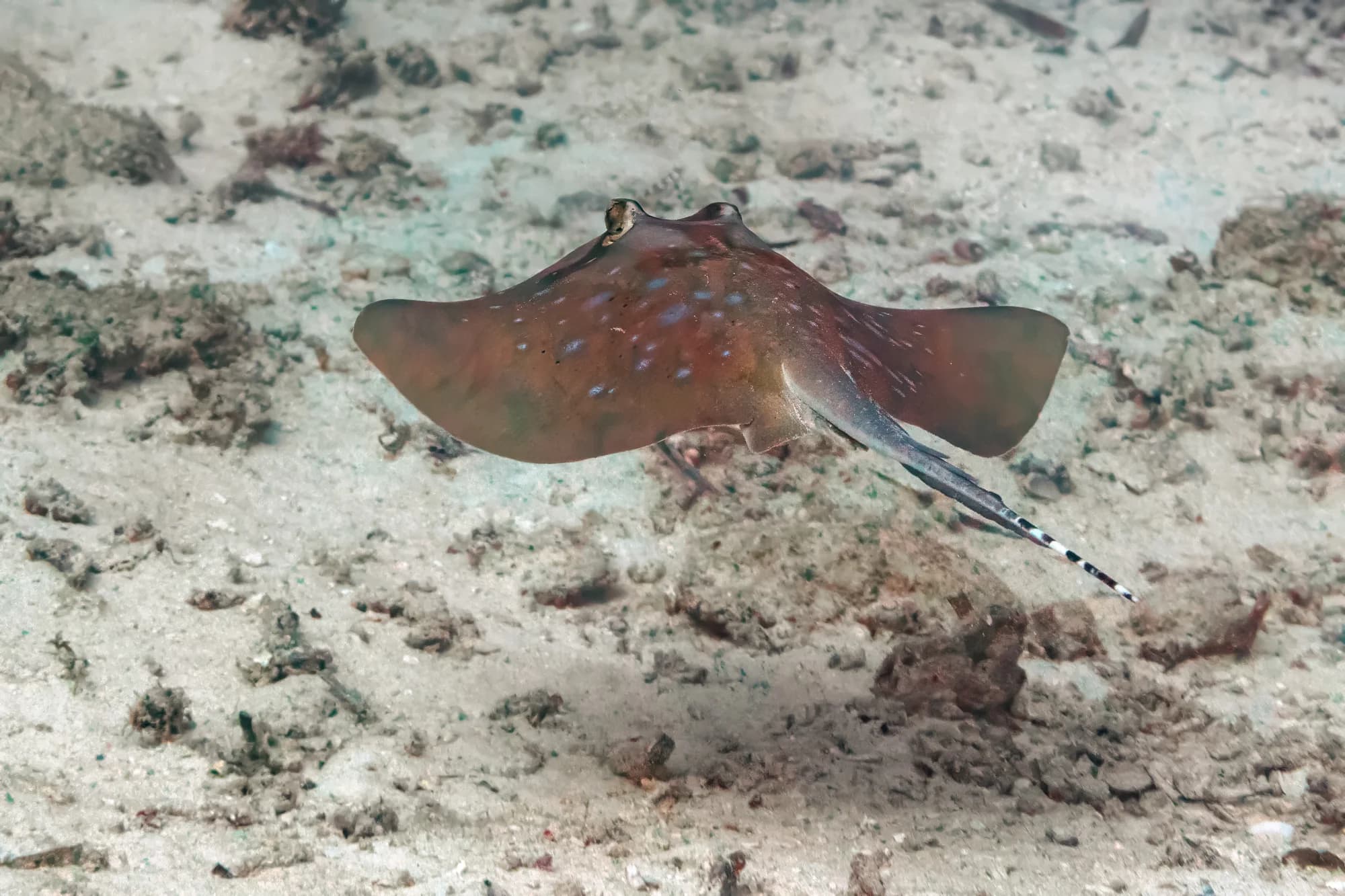
A ray with distinctive blue spots on a yellowish-brown disc, found in the Indian Ocean. It inhabits sandy bottoms near coral reefs.

Common Lionfish

Common Lionfish

General species description, not specific to this destination

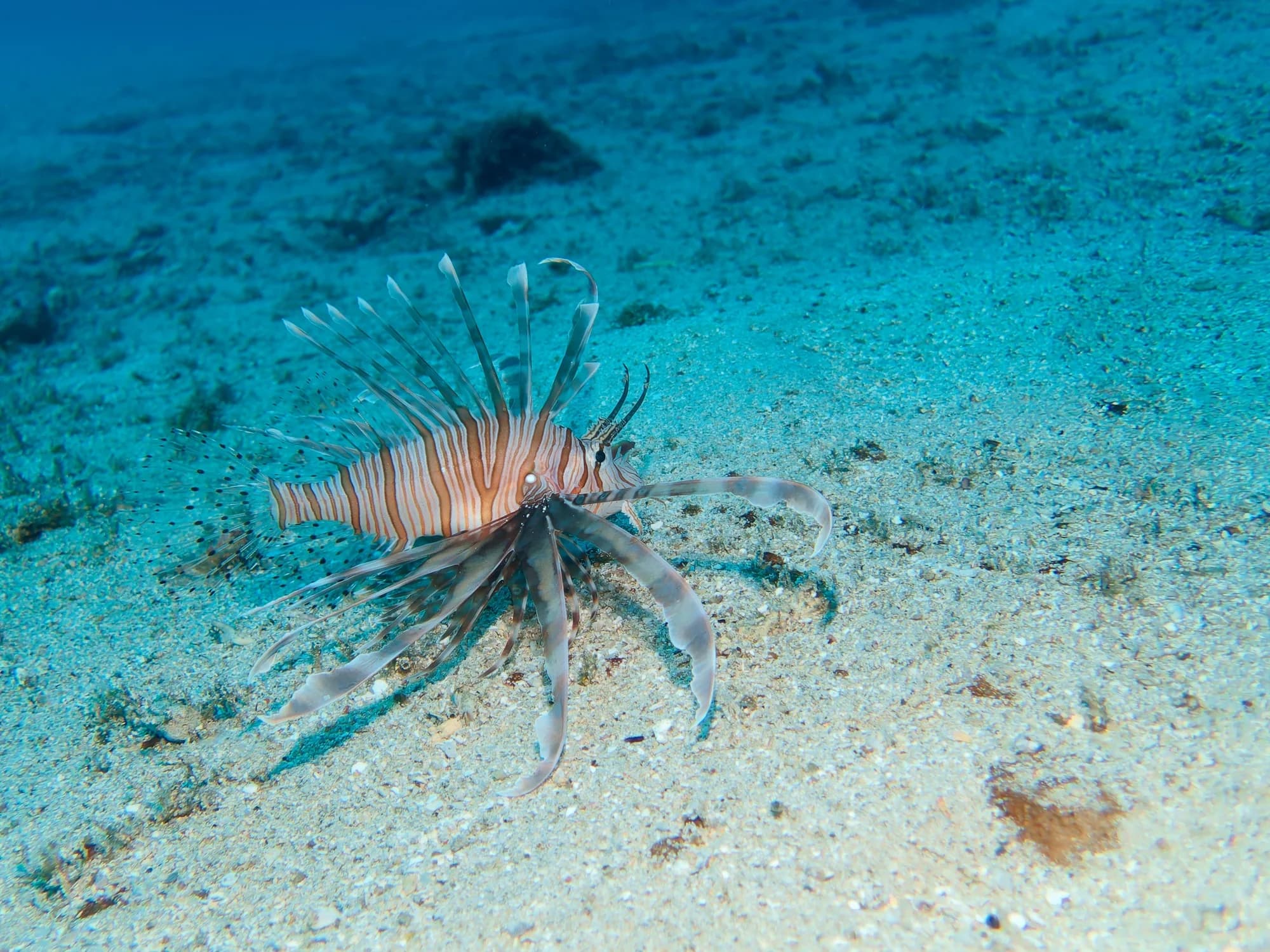
The stunning Common Lionfish is immediately recognizable by its dramatic fan-like pectoral fins and bold red, white, and brown stripes. These graceful predators glide slowly through the water with their venomous spines spread wide like a feathered headdress. Despite their beauty, lionfish are aggressive hunters that use their large mouths to vacuum up small fish and crustaceans. Originally from the Indo-Pacific, they've become established invaders in Caribbean waters. Divers often spot them hovering near coral formations or rocky overhangs during the day, moving with deliberate, almost theatrical movements. Their confidence underwater is striking – they rarely flee from approaching divers, making them excellent photography subjects when observed from a respectful distance.

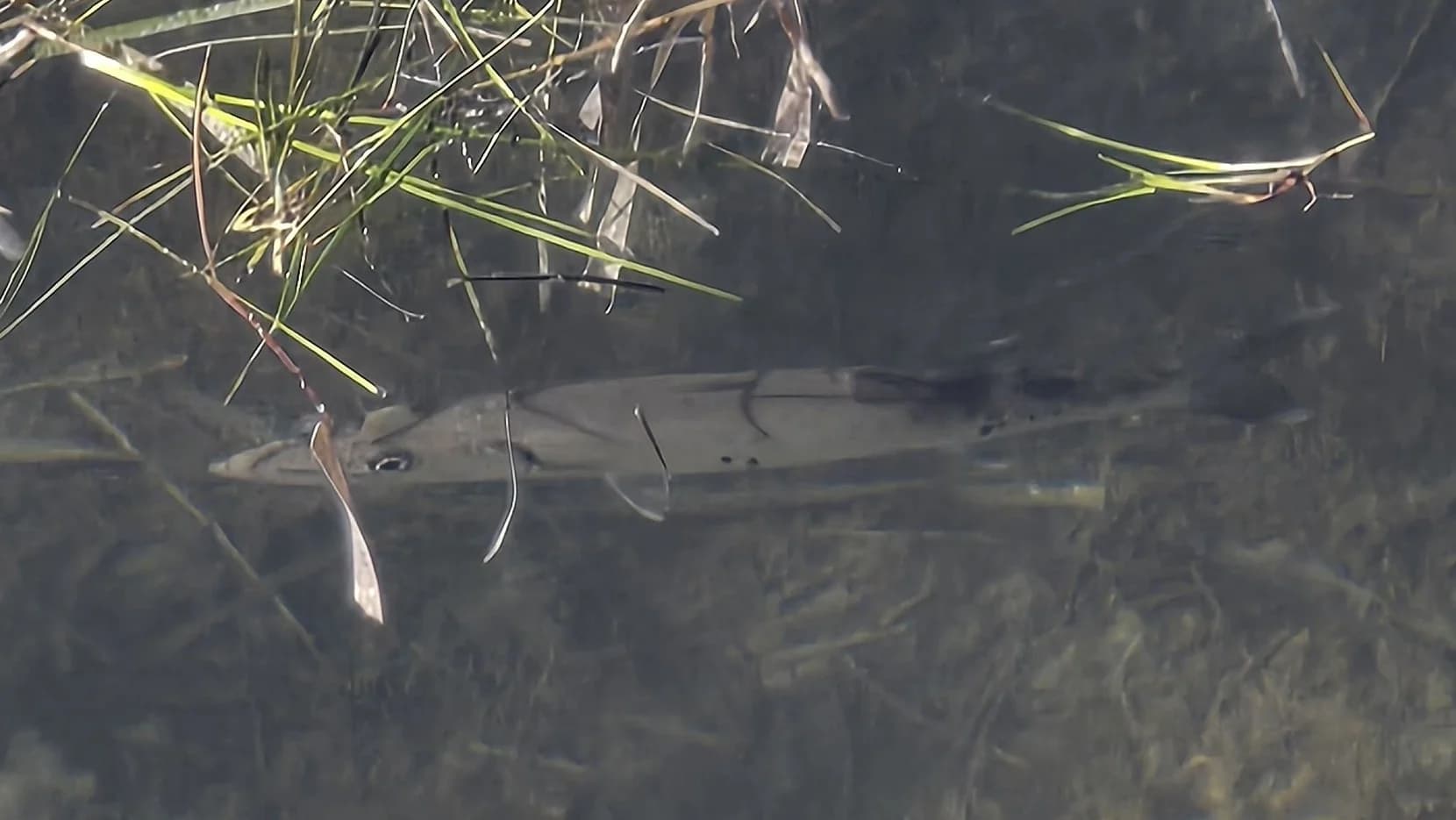
Great Barracuda

Great Barracuda

Destination note

Solitary hunters and small aggregations common on outer reefs and channels throughout Seychelles. Frequently seen hovering in mid-water near drop-offs at most dive sites.

Sky Emperor

Sky Emperor

General species description, not specific to this destination

A stout emperor fish with a pale body, subtle bars or mottling, and strong jaws suited to picking prey from sand and reef edges. It has a robust profile and forked tail typical of lethrinids. Larger individuals are important reef predators and are vulnerable to fishing pressure in parts of their range.

Thorny Seahorse

General species description, not specific to this destination

A marine species with typical characteristics for its taxonomic group. Found in various marine habitats.

Threespot Angelfish

General species description, not specific to this destination

A marine species with typical characteristics for its taxonomic group. Found in various marine habitats.

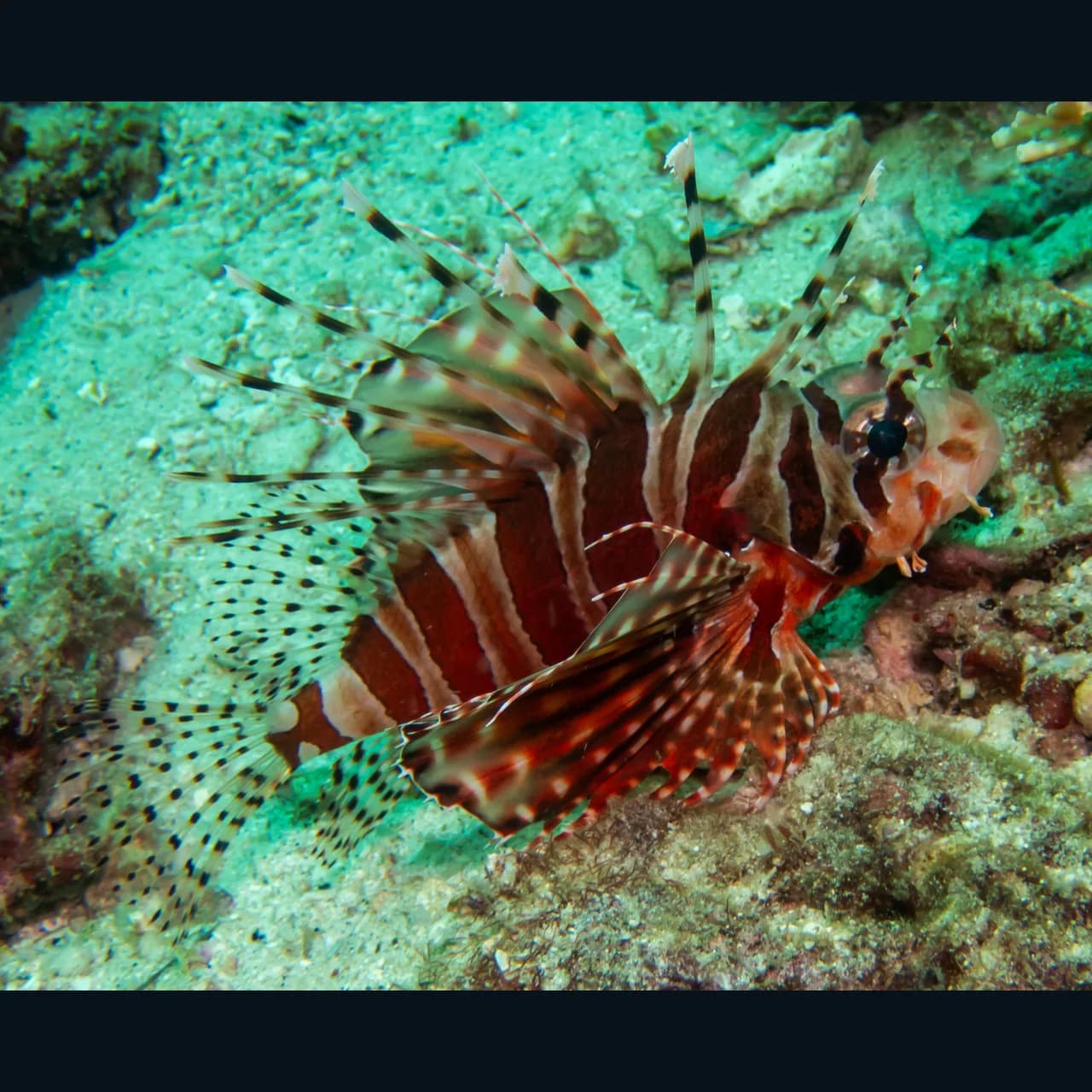
Zebra Lionfish

Photo: Dendrochirus zebra 341451482.jpg — portioid · CC BY-SA 4.0 · Full source frame fitted to a square canvas; resized and encoded as WebP for main (1280×1280) and thumbnail (400×400).

Zebra Lionfish

General species description, not specific to this destination

A compact lionfish with bold zebra-like bands, fanlike pectoral fins, and venomous dorsal spines. It is usually reddish brown, white, and cream, blending well against ledges and coral rubble. Like other lionfishes, it is a sit-and-wait predator of small fishes and crustaceans.

+80more species in the app

Dive Shops (16)

Praslin ProDivers Dive Center

★ 4.9Moderate
Website ↗

Atoll Divers

★ 5Moderate
Website ↗

Blue Sea Divers Seychelles

★ 4.7Moderate
Website ↗

UDive Centre Mahe

★ 4.5Moderate
Website ↗

EQUINOXE Diving School

★ 4.9Moderate
Website ↗

Octopus Diving Center

★ 4.5Moderate
Website ↗

Big Blue Divers

★ 4.4Moderate
Website ↗

Dive Resort Seychelles

★ 4.7Moderate
Website ↗

Labriz PADI Diving Center

★ 4.3Moderate

Dive Equipment Seychelles

★ 4.7Moderate
Website ↗

Trek Divers

★ 4.8Moderate
Website ↗

Freediving Seychelles

★ 5Moderate
Website ↗

Oceanika Diving

★ 4.9Moderate
Website ↗

Whitetip Divers

★ 4.6Moderate
Website ↗

Ocean dream divers

★ 4.9Moderate
Website ↗

DIVE EXPLORER SEYCHELLES

★ 4.7Moderate

Guides

Safety

Hyperbaric chamber

Seychelles Hospital Hyperbaric Chamber

+248 4 38 80 00

Coast guard

Seychelles Coast Guard

+248 4 22 45 80

Hospital

Seychelles Hospital (Victoria)

+248 4 38 80 00

Police

Seychelles Police Emergency

999

Emergency

DAN International Emergency Hotline

+1-919-684-9111

Hyperbaric chamber

No verified recompression chamber on record.

Contact DAN: +27 82 810 6010

Bring Seychelles underwater

Offline access, dive log, AI fish ID, live site maps, and trip planning.

Download on the App Store