Santa Elena (Esmeraldas)

Ecuador

Diving in Santa Elena (Esmeraldas)

30 sites87 species19–28 °C7–25 m vis

Photo: Claus Giering / Unsplash

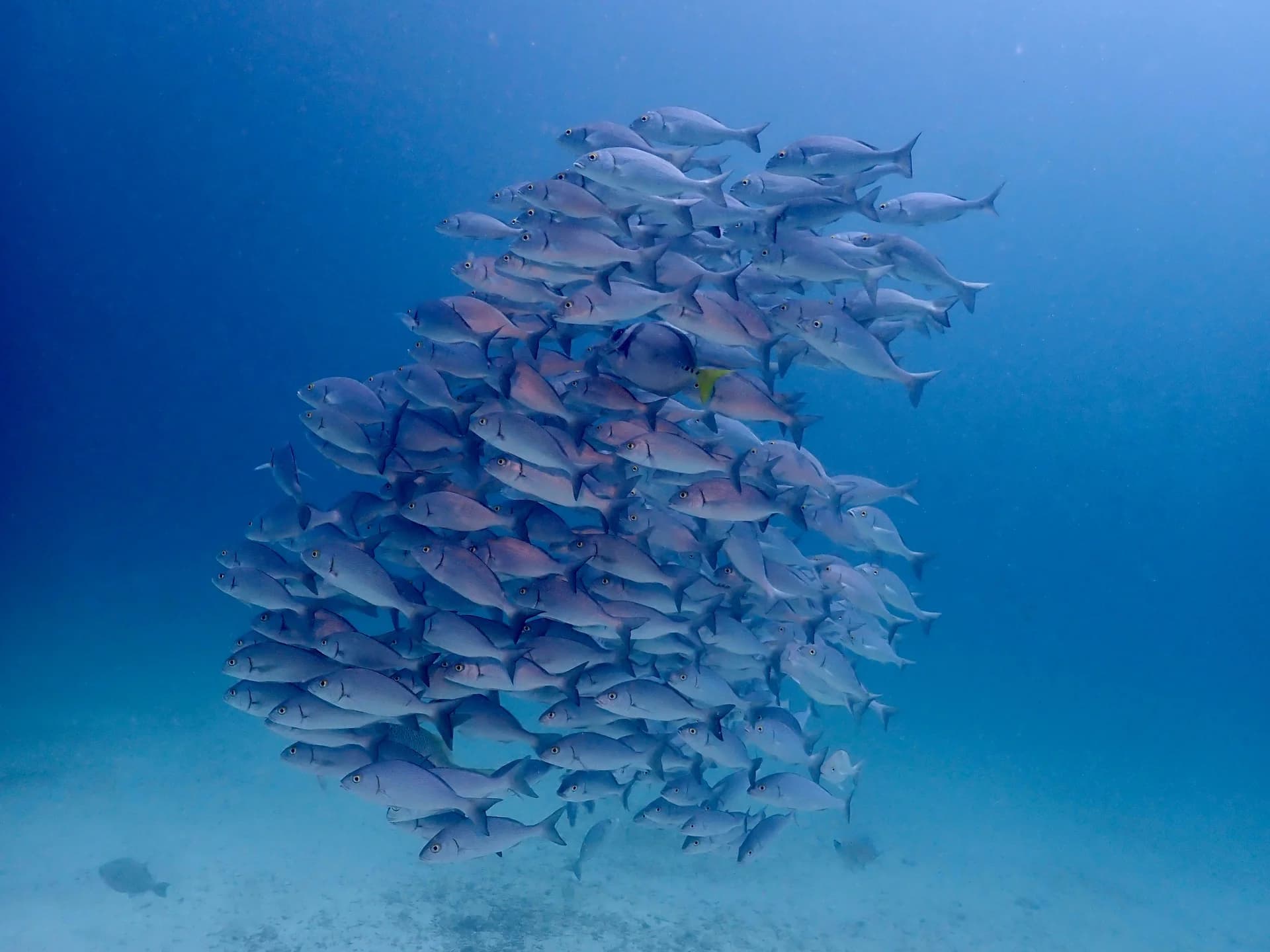
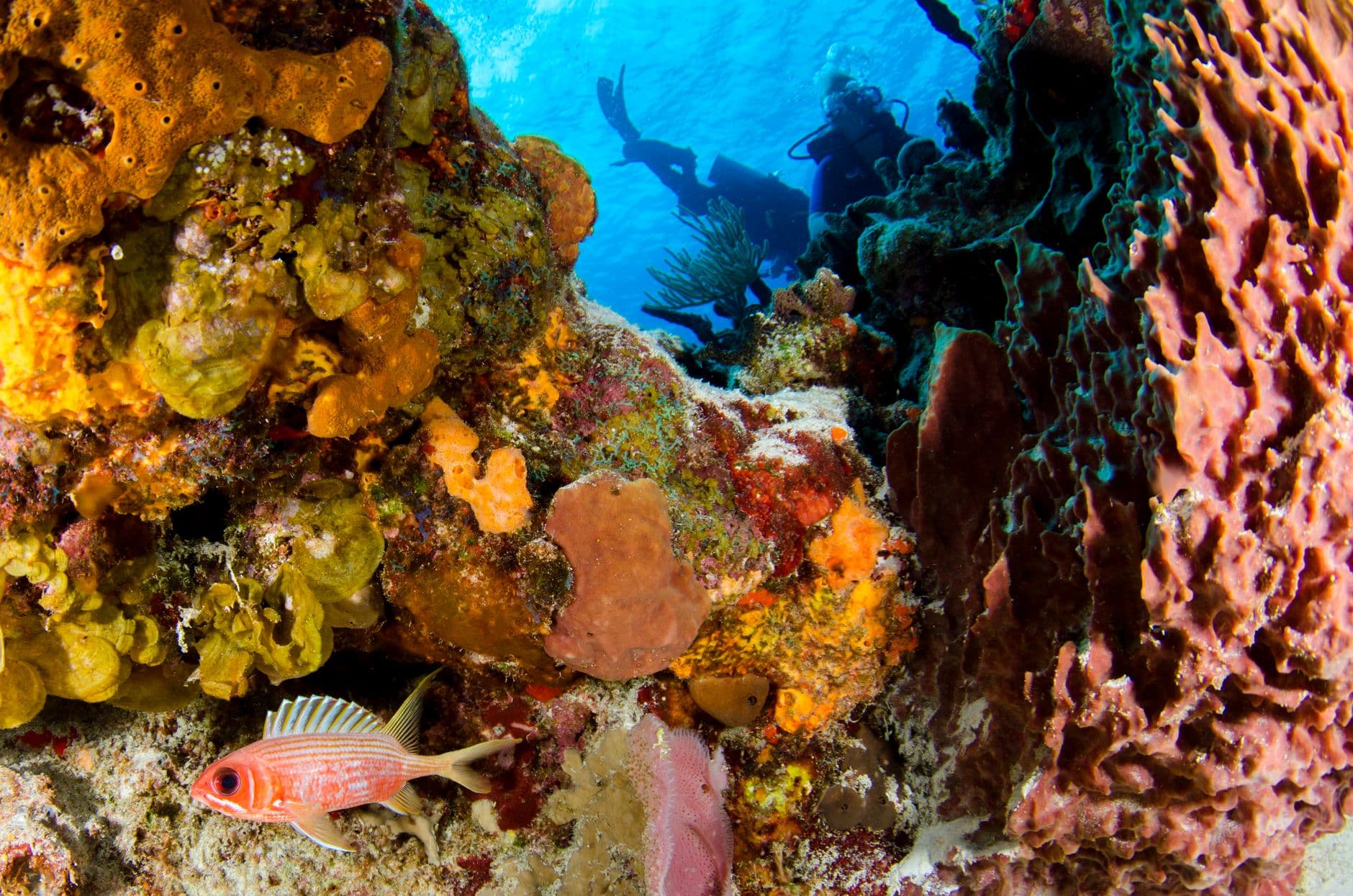
Ecuador's mainland Pacific coast — the Ruta del Spondylus — hides one of South America's most underrated dive destinations. Anchored on the Santa Elena and Manabí provinces, this coastal corridor delivers world-class manta ray encounters (the largest documented oceanic manta population on Earth — over 28,000 individuals), humpback whale songs audible underwater from June to September, and the largest coral reef on Ecuador's mainland at Isla de la Plata, the 'Poor Man's Galápagos.' Two distinct seasons shape the diving: warm, calm waters December through May, and the nutrient-rich Humboldt upwelling June through November bringing the megafauna spectacle. With 12 PADI dive operators, two marine reserves, and dives accessible for all skill levels — all at a fraction of Galápagos prices — Santa Elena is the practical, accessible Pacific dive destination that delivers bucket-list encounters without the bucket-list budget.

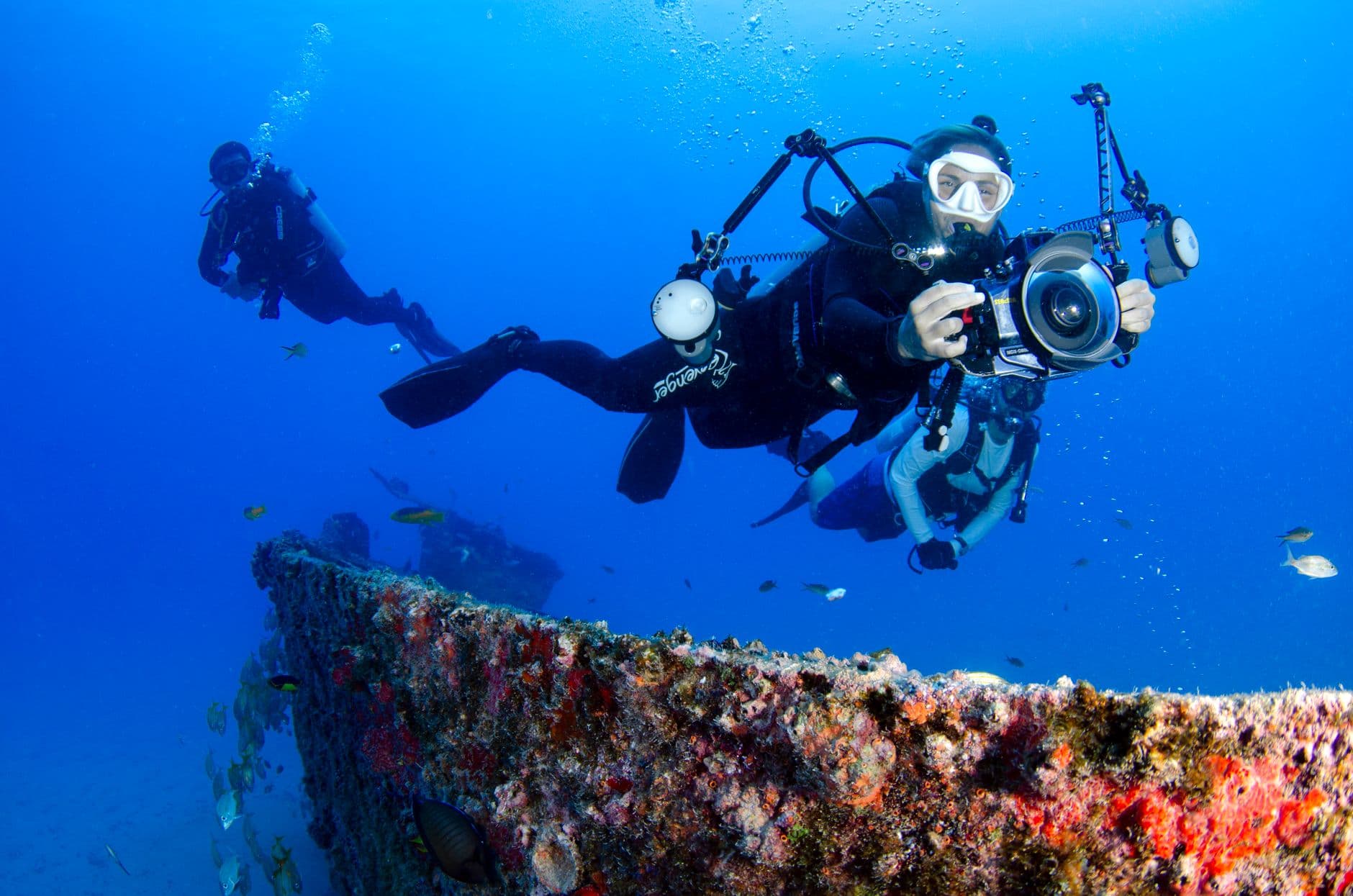
The largest documented population of oceanic manta rays on Earth — over 28,000 individuals identified over 14 years — lives off Ecuador's mainland coast, studied by Oregon State University researchers since 2010.Humpback whales migrate over 7,000 km from Antarctica to Machalilla National Park to mate and give birth. Their underwater songs can be heard by divers at Isla de la Plata from June to September.Isla de la Plata is nicknamed the 'Poor Man's Galápagos' — it hosts blue-footed boobies, frigatebirds, sea lions, and many of the same species as the famous archipelago, at roughly one-tenth the cost.The Ruta del Spondylus coastal highway is named after the spiny oyster shell (Spondylus princeps), which was traded as sacred currency throughout the Inca Empire and as far north as Mexico over 500 years ago.Machalilla National Park, established in 1979, is Ecuador's only coastal national park and the main nesting site for critically endangered hawksbill turtles in all of South America.The underwater Sacred Heart of Jesus statue (El Cristo) at 11 meters depth and the deliberately scuttled Navy ship Rigel serve as thriving artificial reefs in El Pelado Marine Reserve, colonized by moray eels, octopus, and schooling reef fish.

Explore the map

Select a pin to learn more. Use the zoom buttons or pinch to zoom.

Loading map…

Places on this map (16)
  • Enriched
  • Enriched
  • Enriched
  • Enriched
  • Enriched
  • Enriched
  • Enriched
  • Enriched
  • Enriched
  • Enriched
  • Enriched

16 places have no verified map location yet. Browse the page lists for more places.

Conditions

Water temp

19–28 °C

Visibility

7–25 m

Depth

3–30 m

Current

Moderate

Best season

December–April (warm, calm, best visibility) or June–October (manta rays and humpback whales peak)

MonthSummary
JanWarm waters (26°C) and excellent visibility (20m+). Peak diving season with calm Humboldt conditions. Ideal for all sites including Bajo Cope.
FebContinued warm season with 26°C water and 20m visibility. Reef life abundant at El Pelado and Isla de la Plata. Manta rays present year-round.
MarPeak warm season at 26°C. Best visibility of the year (22-24m). All skill levels can enjoy the full range of sites from El Acuario to Bajo Cantagallo.
AprTransition month at 25°C with good visibility (20m). Last month of peak warm season. Excellent conditions for Isla de la Plata day trips.
MayShoulder season begins at 24°C. Visibility drops to 18m as Humboldt Current strengthens. First humpback whales arrive. Good mixed conditions.
JunCool season at 22°C with 15m visibility. Humpback whales in full song. Manta ray season begins at Isla de la Plata and Bajo Cope. Nutrient-rich waters attract megafauna.
JulPeak megafauna month at 21°C. Manta rays and humpback whales at maximum abundance. Visibility drops to 12m but wildlife encounters are spectacular. Advanced divers thrive at Bajo Cope.
AugColdest water (21°C) and lowest visibility (12m) of the Humboldt upwelling peak. Manta rays continue strong through September. 5mm wetsuit recommended for all dives.
SepLast month of peak manta and whale season at 21°C. Visibility begins improving to 15m. Excellent month for dedicated megafauna divers willing to brave cooler water.
OctTransition month at 22°C with 15m visibility. Manta rays still present but thinning. Good all-around diving as Humboldt Current weakens. Fewer crowds than peak months.
NovShoulder season at 23°C with improving visibility (18m). Water warming as El Niño current strengthens. Good month for combining reef and pelagic diving with comfortable conditions.
DecWarm season returns at 25°C with 20m visibility. Calm seas and comfortable water temperatures. Excellent holiday diving at all sites. Peak tourism season begins.

Dive Sites (30)

Antonio

10–22m · Advanced

Manta rays · Cleaning station · Drift dive

Bajo Cantagallo

10–30m · Advanced

Manta rays

Whale sharks · Humpback whales

Barco Hundido Rigel

8–15m · Beginner

Wreck · Artificial reef

penetration

Burbullón

12–25m · Intermediate

Manta rays · Pelagics

shoal

El Acuario

3–12m · Beginner

Coral reef · Macro life · Photography

El Cristo

5–11m · Beginner

Artificial reef · Photography

statue

El Cuarenta

12–20m · Intermediate

Wall · Coral reef · Pelagics

El Pelado Coral Walls

5–30m · Intermediate

Coral reef · Wall

Sponge garden

+22more sites in the appGet the app →

Regional species catalogue (87)

Species recorded in this destination's wider regional catalogue. A species being listed here does not mean it is seen at this destination — check the note on each card.

Great Hammerhead

General species description, not specific to this destination

The Great Hammerhead is the largest of all hammerhead species, instantly recognizable by its massive, flattened head extension called a cephalofoil. This prehistoric-looking predator can reach lengths of up to 20 feet, with a distinctive tall, sickle-shaped dorsal fin. Their unique head shape houses electroreceptors that help them hunt stingrays buried in sand. Great Hammerheads are solitary hunters, often seen cruising along reef walls and sandy bottoms. Despite their intimidating size, they're generally shy around divers and will often move away when approached. Their powerful swimming style and graceful movements make encounters truly memorable for fortunate divers.

roosterfish

General species description, not specific to this destination

The majestic Roosterfish, with its distinctive comb-like dorsal fin, is an unforgettable sight for divers in the Eastern Pacific. These powerful predators boast a sleek, silvery body marked by several dark, diagonal stripes. Growing up to 1.6 meters (5 feet) and weighing over 50 kg (100 lbs), they are built for speed and agility. Divers often spot them patrolling shallow, sandy surf zones, rocky reefs, and estuaries, either solitarily or in small schools. Their preferred habitat near turbulent waters makes them a challenging but rewarding encounter. Witnessing a Roosterfish dart through the water is a testament to its predatory prowess, making it a highly sought-after sighting for its unique appearance and impressive presence.

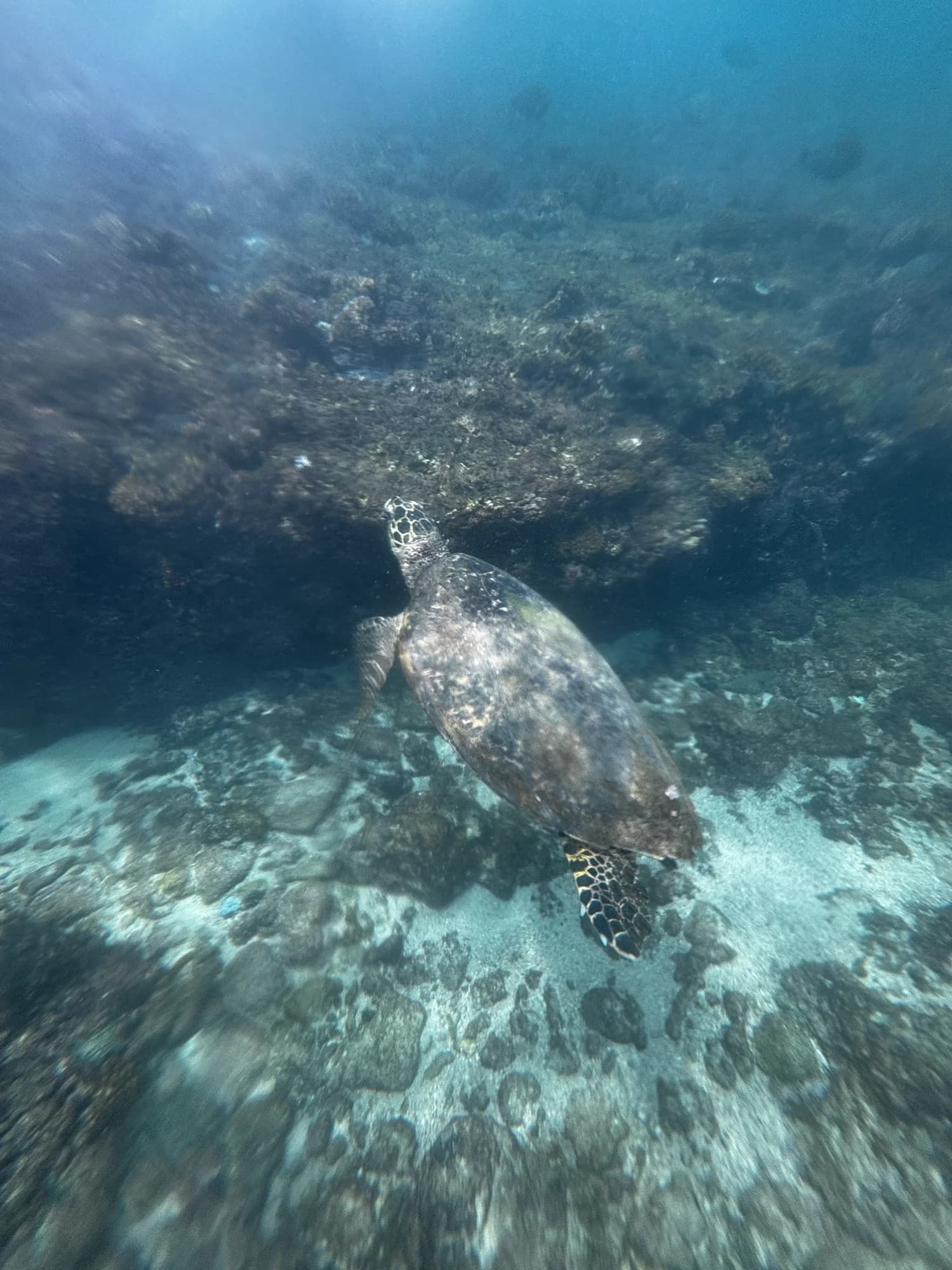
Hawksbill Turtle

Hawksbill Turtle

Destination note

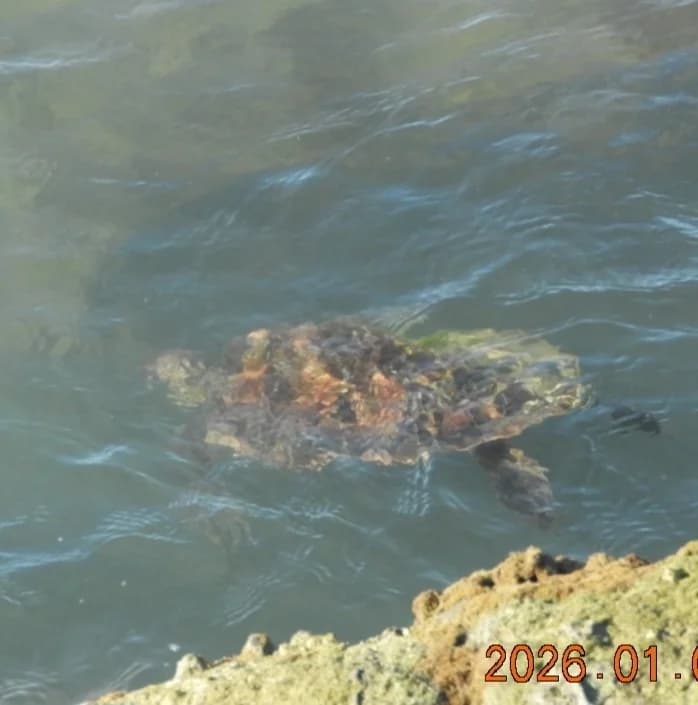
Main South America nesting beach at Playita, Machalilla NP. Nesting season peaks December–March, but hawksbills are seen year-round at Isla de la Plata dive sites.

Green Sea Turtle

Green Sea Turtle

Destination note

Common year-round at Isla de la Plata dive sites. Largest concentrations during warm season (December–May) when visibility and water temperature are optimal.

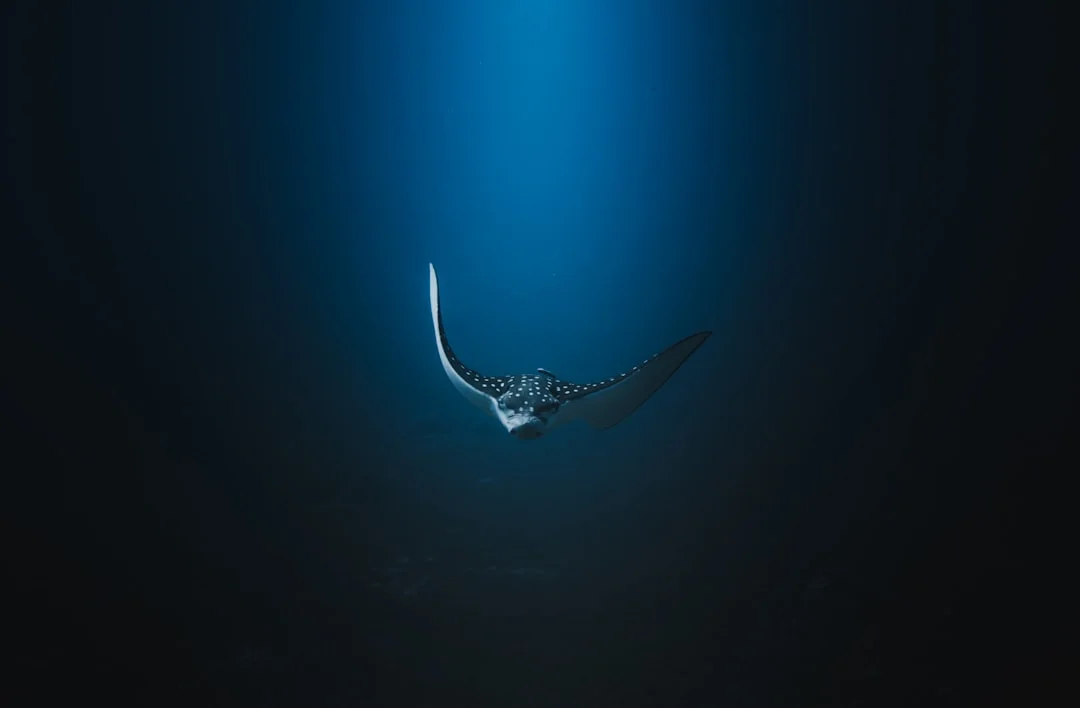
Spotted Eagle Ray

Spotted Eagle Ray

Destination note

Occasional sightings at Isla de la Plata and Bajo Cope. More common during cooler months. Smaller population than the giant manta rays but consistently reported.

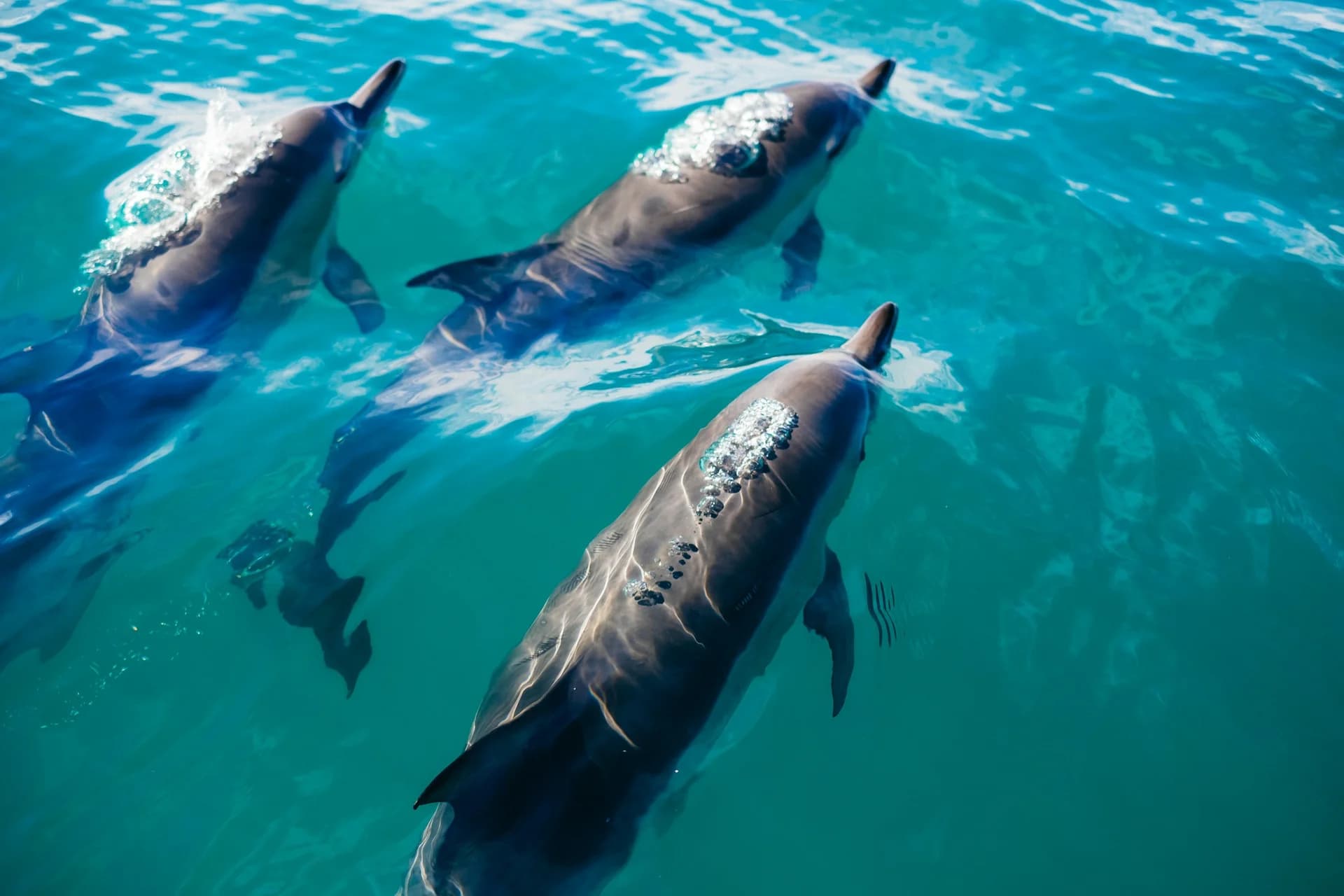
Atlantic Bottlenose Dolphin

Atlantic Bottlenose Dolphin

Destination note

Common year-round along the Ruta del Spondylus corridor. Frequently encountered during boat transits to offshore dive sites. Larger pods during cooler months.

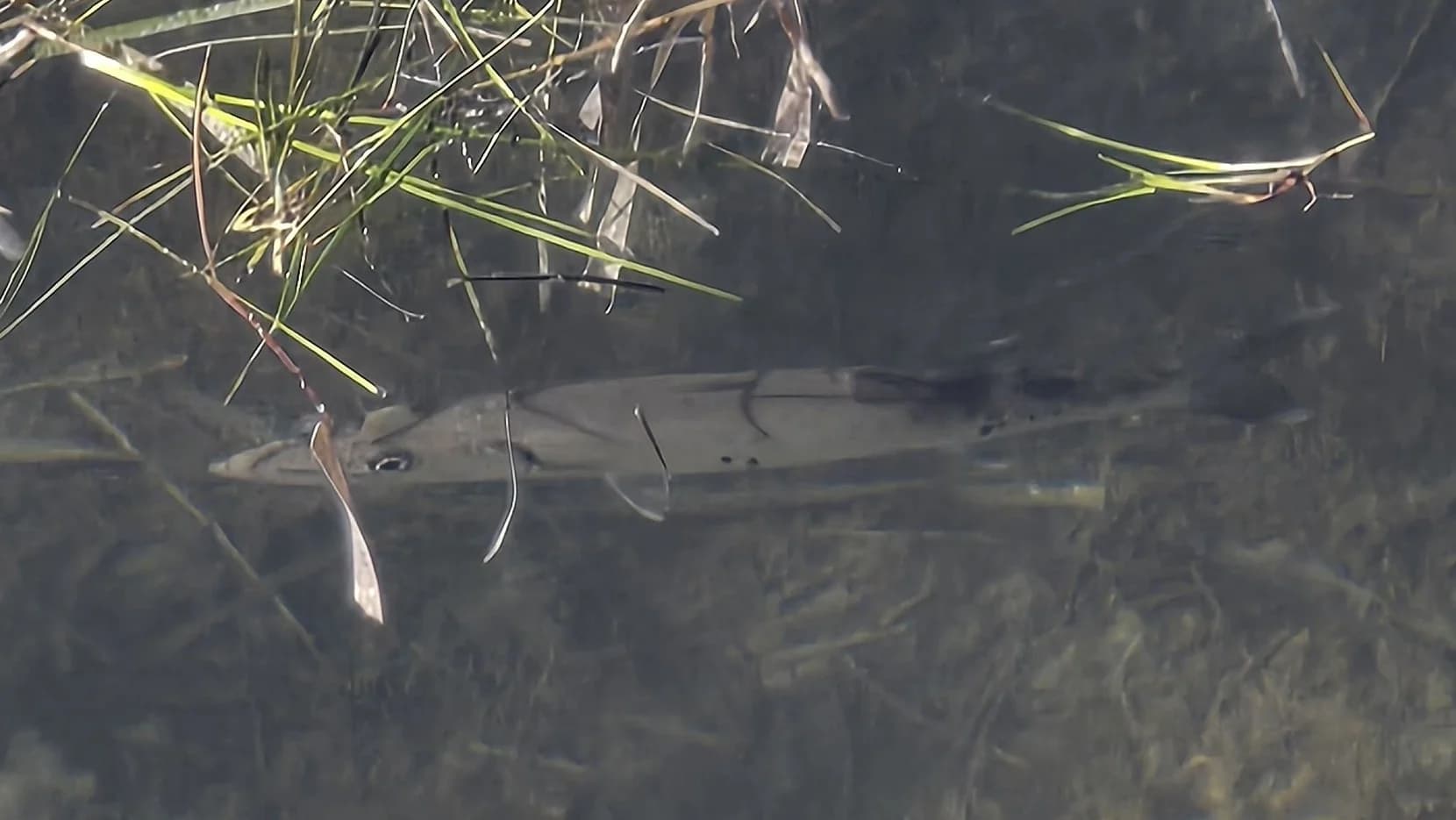
Great Barracuda

Great Barracuda

General species description, not specific to this destination

The Great Barracuda is an impressive predator with a streamlined body and powerful jaws filled with razor-sharp teeth. They can grow over 6 feet long and often hover motionless near the reef, curious about divers.

Longspined Porcupinefish

General species description, not specific to this destination

The Longspined Porcupinefish is a fascinating resident of tropical reefs around the world, easily recognized by its rounded body covered in prominent spines and distinctive yellow-brown coloration with darker spots. When relaxed, this gentle fish appears almost balloon-like as it slowly navigates the reef. However, when threatened, it transforms dramatically by inflating into a spiky sphere twice its normal size - a spectacular defensive display that divers occasionally witness. These curious fish often approach divers closely, their large eyes giving them an almost comical expression. They're commonly found hovering near coral formations and caves during the day, using their beak-like mouths to crush small crustaceans and mollusks. Their slow, deliberate swimming style and tendency to remain stationary make them excellent photography subjects for underwater enthusiasts.

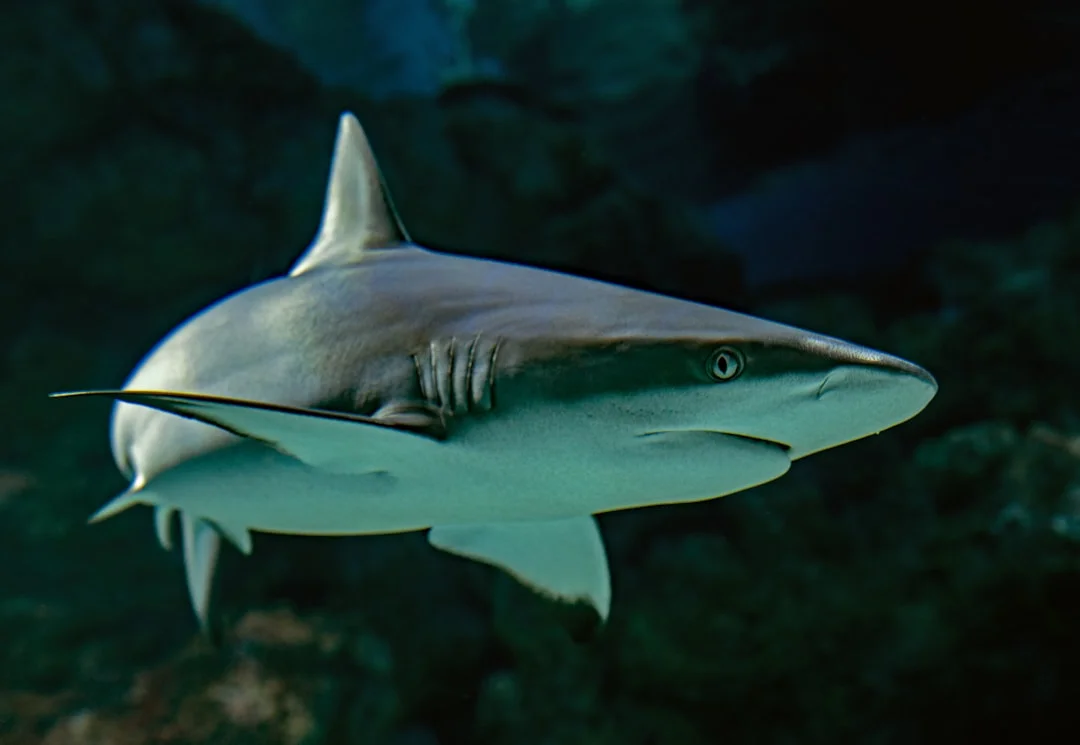
Pacific Nurse Shark

Pacific Nurse Shark

General species description, not specific to this destination

A marine organism known as Pacific Nurse Shark (Ginglymostoma unami). Found in oceanic environments.

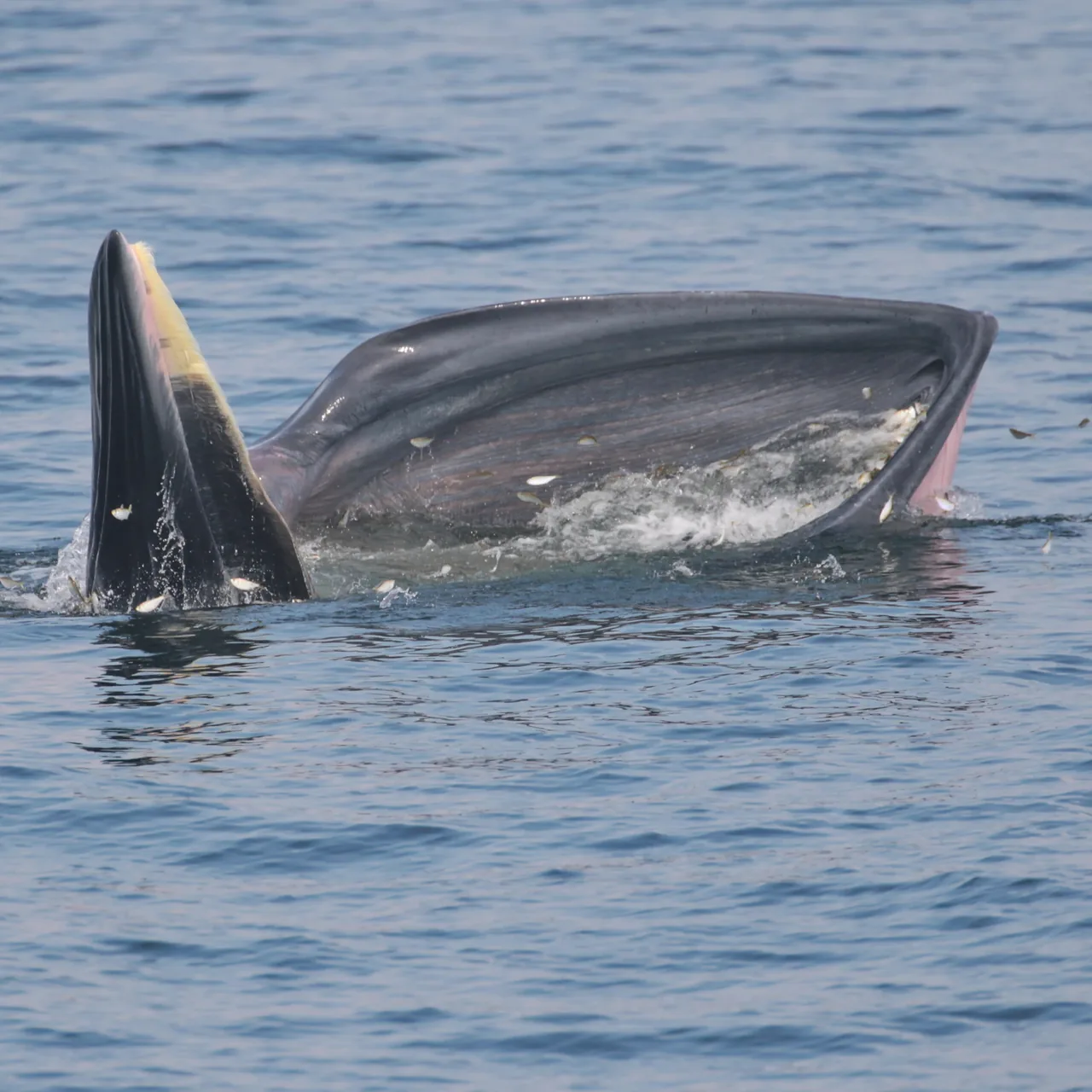
coastal form Bryde's whale

Photo: Balaenoptera edeni, iNaturalist observation 302263701, photo 544731333 — Ian Dugdale · CC BY 4.0 · Cropped to a reviewer-selected 1536×1536 px square at (328, 0) of the 2048×1536 px original, resized to 1280×1280 (main) and downscaled to 400×400 (thumbnail), and encoded as WebP with metadata removed.

coastal form Bryde's whale

General species description, not specific to this destination

Encounters with the Coastal Form Bryde's Whale are a rare and magnificent experience. These sleek rorquals, distinguished by three prominent ridges on their head (a key identifier), possess a dark grey back and a lighter underside. Divers might observe them near the surface, often engaged in lunge-feeding on schooling fish or krill. Their movements can be erratic and powerful, making for exciting, albeit distant, observation opportunities. While generally elusive, their presence indicates a healthy marine ecosystem rich in prey. Observing these majestic creatures reminds us of the ocean's vastness and the incredible diversity of life it supports.

Tiger Shark

Tiger Shark

General species description, not specific to this destination

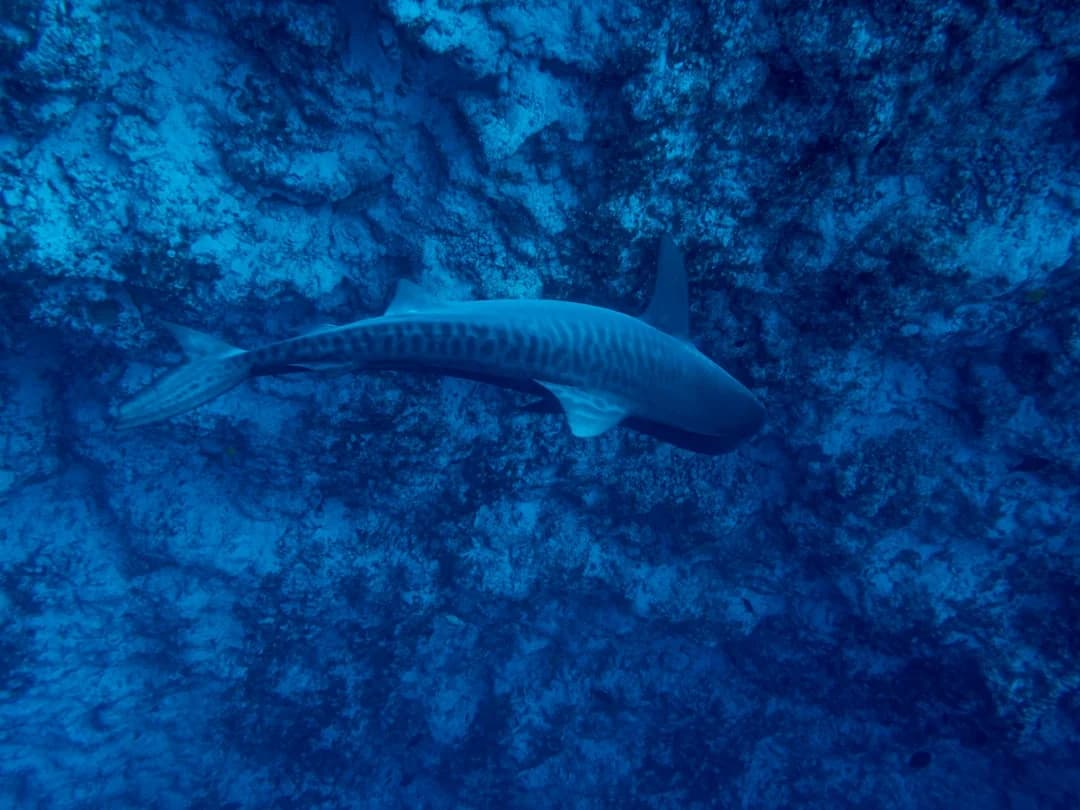
A huge, powerful shark with a blunt square snout and dark vertical bars on its flanks that fade with age, roaming reefs, channels and open water of the western Indian Ocean.

Sicklefin Smoothhound

Sicklefin Smoothhound

General species description, not specific to this destination

A marine organism known as Sicklefin Smoothhound (Mustelus lunulatus). Found in oceanic environments.

+75more species in the app

Dive Shops (2)

Buceo Ecuador home & Dive Center

★ 4.6Moderate
Website ↗

Exploramar Diving

★ 4.7Moderate
Website ↗

Guides

Safety

Police

ECU 911 National Emergency

911

Coast guard

MRCC Guayaquil (Maritime Rescue)

+593-4-2321602

Emergency

DAN Americas — 24/7 Diving Emergency Hotline

+1-919-684-9111

Hospital

Hospital Metropolitano (Guayaquil)

+593-4-256-8000

Hospital

Clínica Kennedy (Guayaquil)

+593-4-228-8800

Hyperbaric chamber

No verified recompression chamber on record.

Contact DAN: +1 919 684 9111

Bring Santa Elena (Esmeraldas) underwater

Offline access, dive log, AI fish ID, live site maps, and trip planning.

Download on the App Store