San Benedicto Island (Revillagigedo)

Mexico

Diving in San Benedicto Island (Revillagigedo)

2 sites114 species21–28 °C15–30 m vis

Photo: Harvey Clements / Pexels

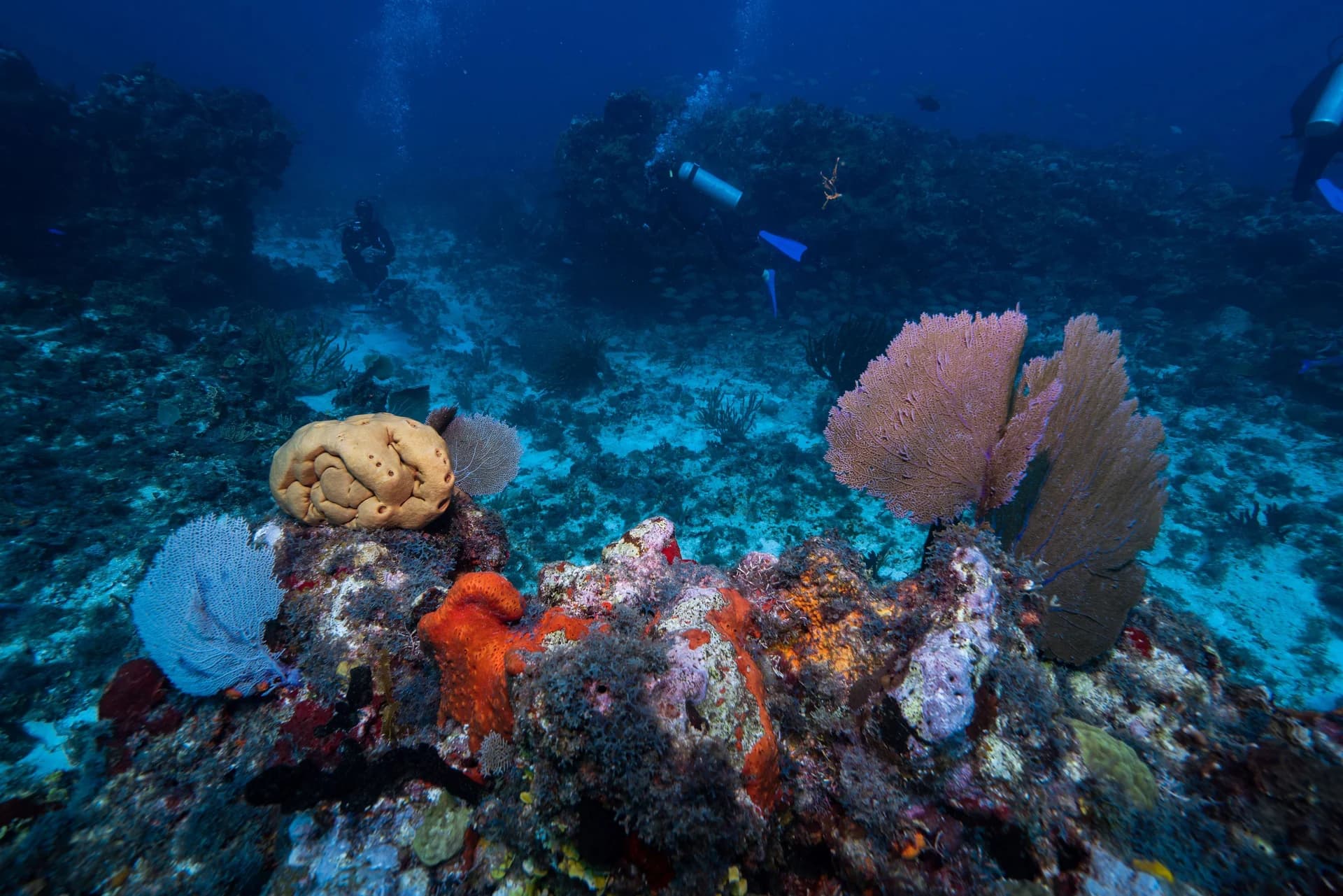
San Benedicto Island is the most remote of Mexico's Revillagigedo archipelago — an uninhabited volcanic cinder cone 390 km southwest of Cabo San Lucas. Known as "Mexico's Little Galápagos," it is home to two of the world's most extraordinary dive sites: El Boiler, featuring the world's premier giant manta ray cleaning station where mantas actively seek divers for playful interaction, and El Canyon, renowned for massive schools of scalloped hammerhead sharks. Accessible exclusively by liveaboard from Cabo San Lucas, the island sits within Revillagigedo National Park — the largest fully protected marine reserve in North America at 148,000 km².

Revillagigedo National Park is the largest fully protected marine reserve in North America at 148,000 km².San Benedicto is an uninhabited volcanic cinder cone; a 1952 eruption reshaped the island and its underwater terrain.Giant oceanic mantas at El Boiler reach wingspans of over 7 meters (22+ feet).The Clarion angelfish is endemic to the Revillagigedo archipelago and cleans the visiting mantas at El Boiler.More than ten shark species patrol the archipelago, including the scalloped hammerhead schools famous at El Cañón.Humpback whales pass through between January and April, and divers can sometimes hear them singing underwater.Divers can photograph the mantas and submit their IDs to mantamatcher.com to help catalog individual animals.The island has no permanent fresh water, which is why it has never been inhabited.

Explore the map

No mapped locations are available for this selection. You can still explore the lists on this page.

2 places have no verified map location yet. Browse the page lists for more places.

Conditions

Water temp

21–28 °C

Visibility

15–30 m

Depth

10–40 m

Current

Strong

Best season

November to June (Revillagigedo liveaboard season), with peak big-animal encounters November to May.

MonthSummary
JanJanuary is prime liveaboard season with cooler water around 24-26°C; expect giant Pacific oceanic mantas at cleaning stations, schooling scalloped hammerheads, and humpback whales whose song is often audible underwater.
FebFebruary brings world-class encounters for experienced divers, with oceanic mantas, hammerhead schools, and silvertip sharks amid strong currents; humpback whales are present and their song carries through the water.
MarMarch remains a peak month with cool water near 24-26°C, giant mantas, hammerheads, and Galapagos sharks; it is the tail end of humpback whale season, with songs still often heard underwater.
AprApril offers excellent liveaboard diving as water gradually warms; oceanic mantas, schooling hammerheads, bottlenose dolphins, and silvertip sharks are reliable highlights for advanced divers.
MayMay is late-season diving with warmer water and strong action from giant mantas and hammerheads; whale shark sightings become more likely as the season winds down.
JunEarly June marks the close of the liveaboard season, with the best chance of whale sharks alongside oceanic mantas and sharks before operations pause for the summer.
JulJuly is off-season at San Benedicto: liveaboards do not operate during the summer hurricane season and heavy seas, so diving is not available this month.
AugAugust is off-season with no diving available; hurricane season and rough Pacific conditions keep all liveaboard operations suspended.
SepSeptember remains off-season at this remote offshore site; liveaboards do not run during hurricane season, so diving is not offered this month.
OctOctober is the final off-season month; heavy seas and hurricane risk mean liveaboards stay closed and diving is unavailable until the season reopens.
NovNovember reopens the liveaboard season as conditions settle; early trips already deliver giant oceanic mantas, schooling hammerheads, and silvertip sharks for advanced divers.
DecDecember is excellent early-season diving with water cooling toward 24-26°C; expect oceanic mantas at cleaning stations, hammerhead schools, and bottlenose dolphins in strong currents.

Dive Sites (2)

El Boiler

6–50m · Advanced

Shallow guyot · Flat mesa top · Sheer walls

El Canyon (El Cañón)

10–50m · Advanced

Deep vertical walls · Canyon formations · Two cleaning stations

Regional species catalogue (114)

Species recorded in this destination's wider regional catalogue. A species being listed here does not mean it is seen at this destination — check the note on each card.

Great Hammerhead

General species description, not specific to this destination

The Great Hammerhead is the largest of all hammerhead species, instantly recognizable by its massive, flattened head extension called a cephalofoil. This prehistoric-looking predator can reach lengths of up to 20 feet, with a distinctive tall, sickle-shaped dorsal fin. Their unique head shape houses electroreceptors that help them hunt stingrays buried in sand. Great Hammerheads are solitary hunters, often seen cruising along reef walls and sandy bottoms. Despite their intimidating size, they're generally shy around divers and will often move away when approached. Their powerful swimming style and graceful movements make encounters truly memorable for fortunate divers.

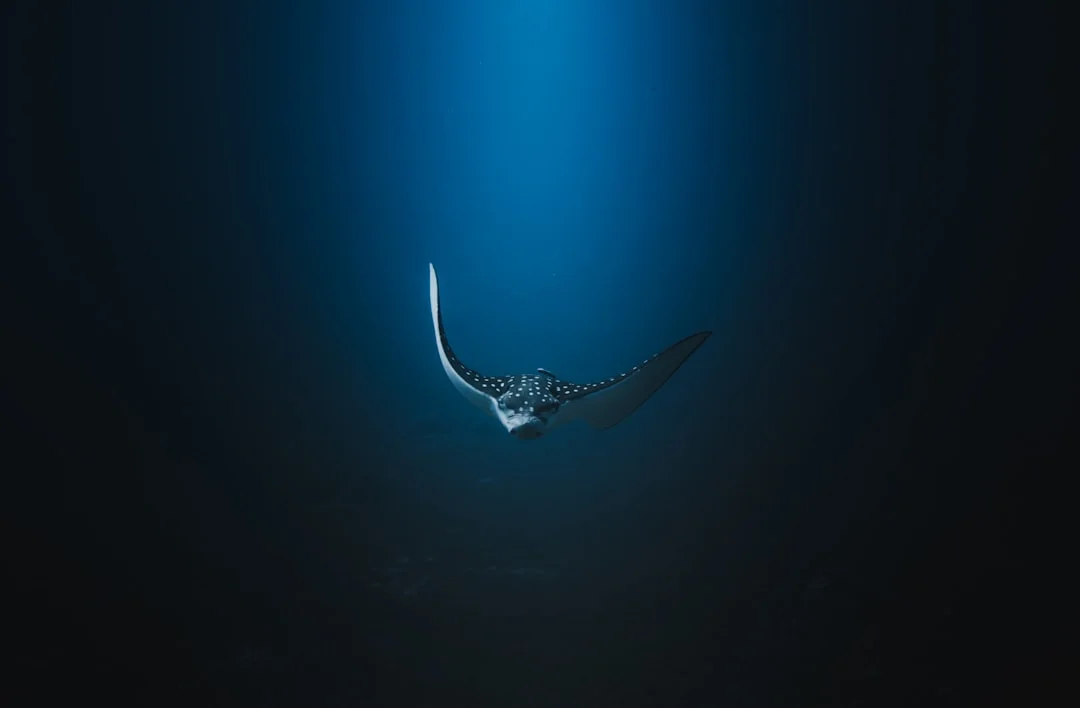
Spotted Eagle Ray

Spotted Eagle Ray

Destination note

Occasional sightings at El Canyon and Roca Partida cleaning stations. More frequent March–May.

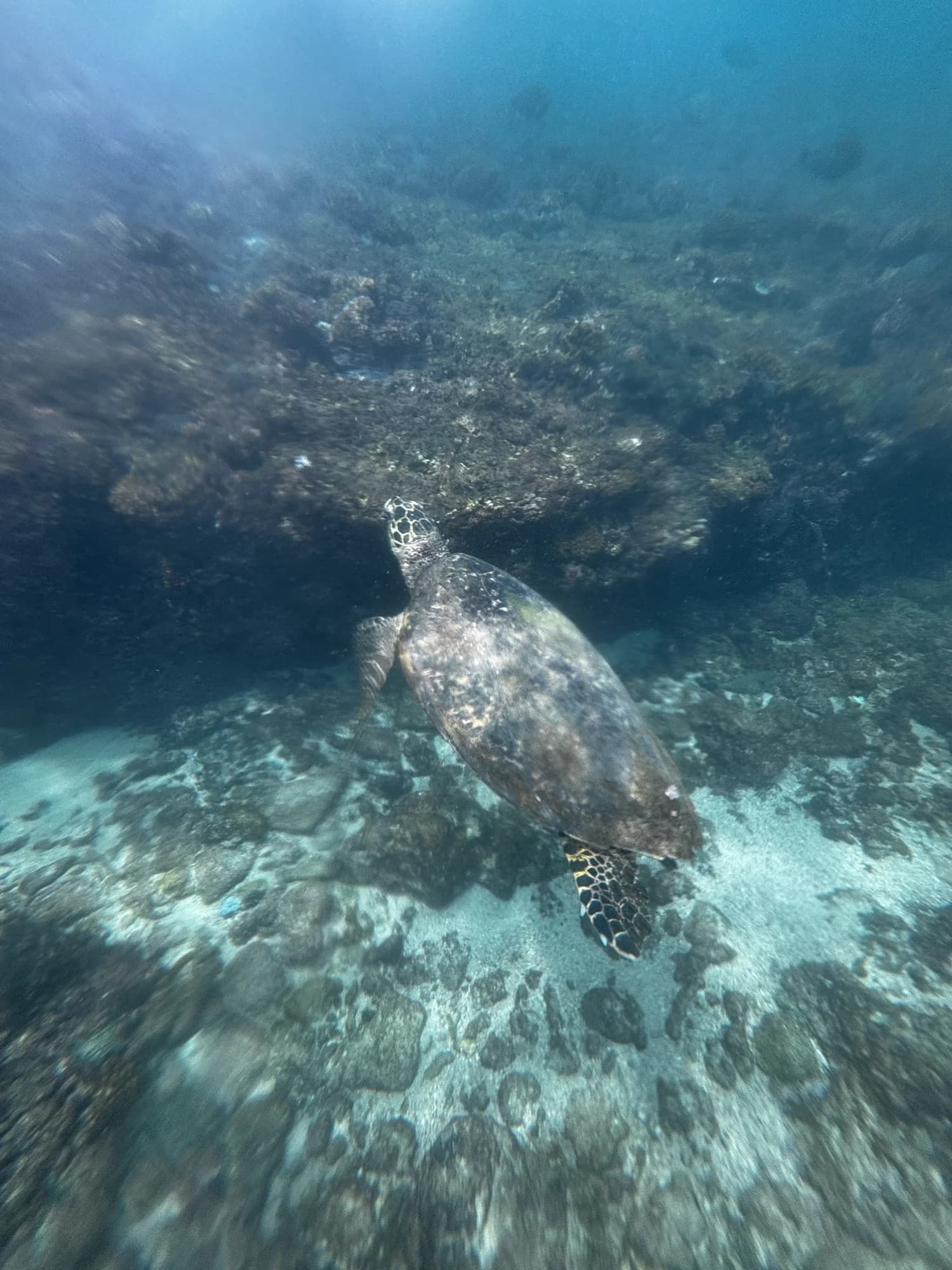
Hawksbill Turtle

Hawksbill Turtle

Destination note

Year-round resident during dive season. Frequently sighted at cleaning stations at El Boiler and El Canyon.

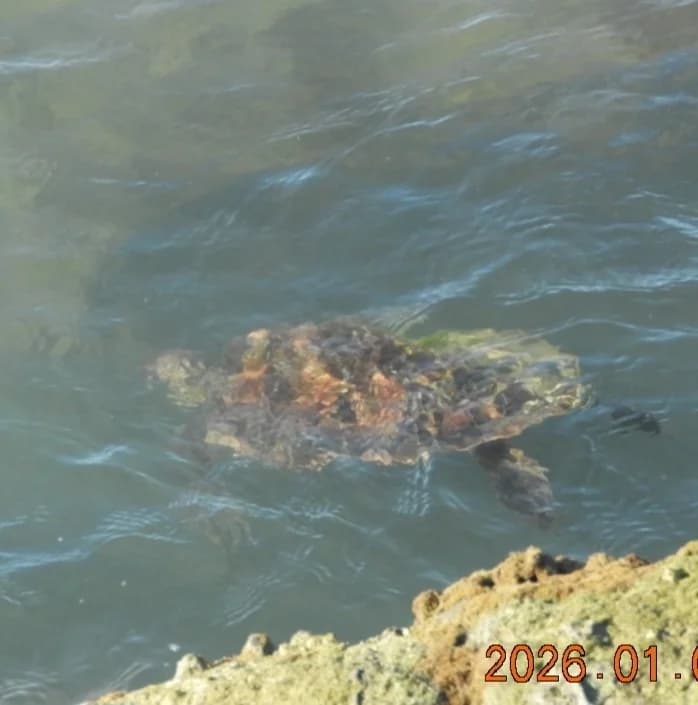
Green Sea Turtle

Green Sea Turtle

Destination note

Uncommon but regular. Most often seen grazing on shallow volcanic reef slopes.

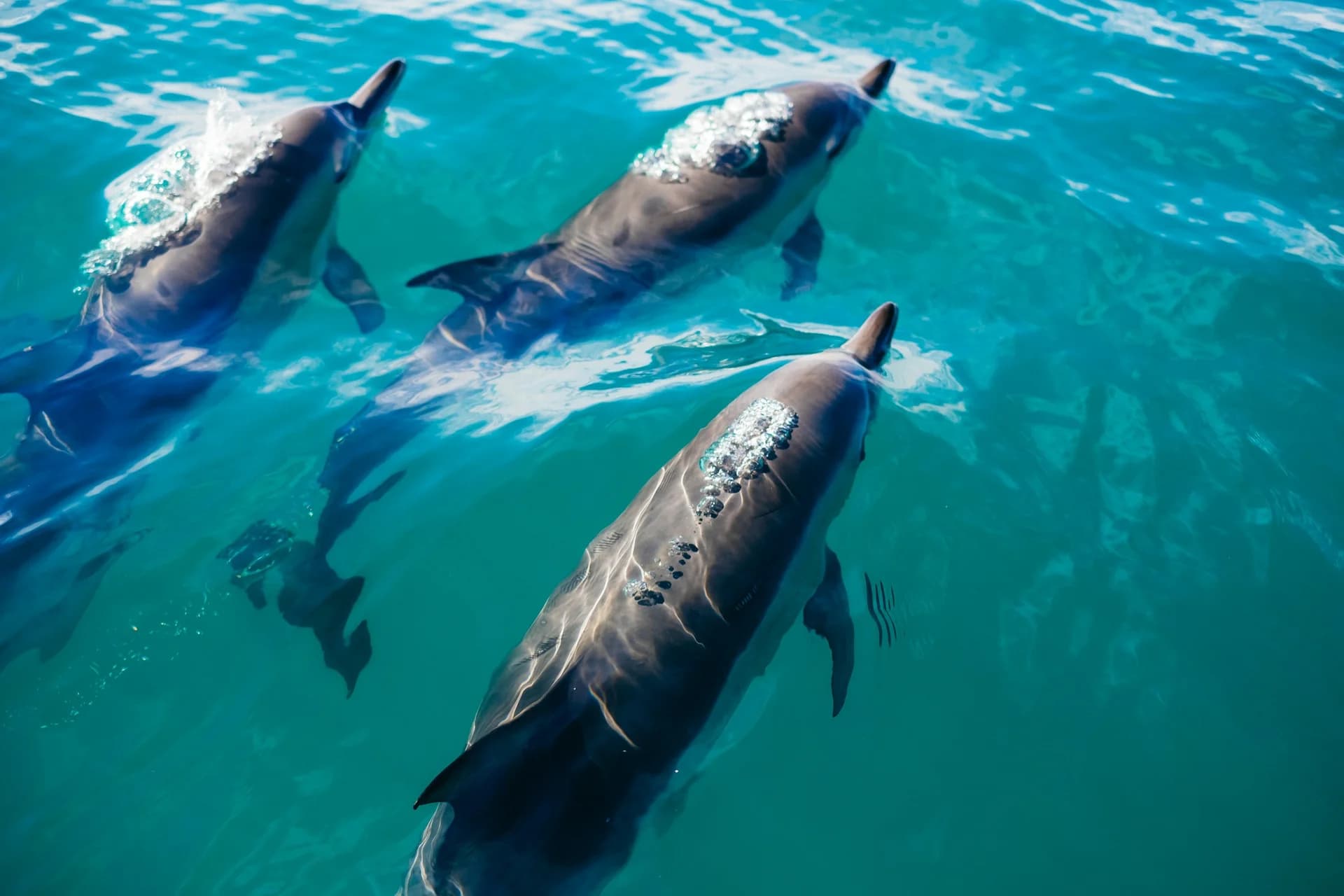
Atlantic Bottlenose Dolphin

Atlantic Bottlenose Dolphin

Destination note

Frequently sighted at all dive sites, especially San Benedicto and Socorro. Known for extraordinarily interactive behavior with divers.

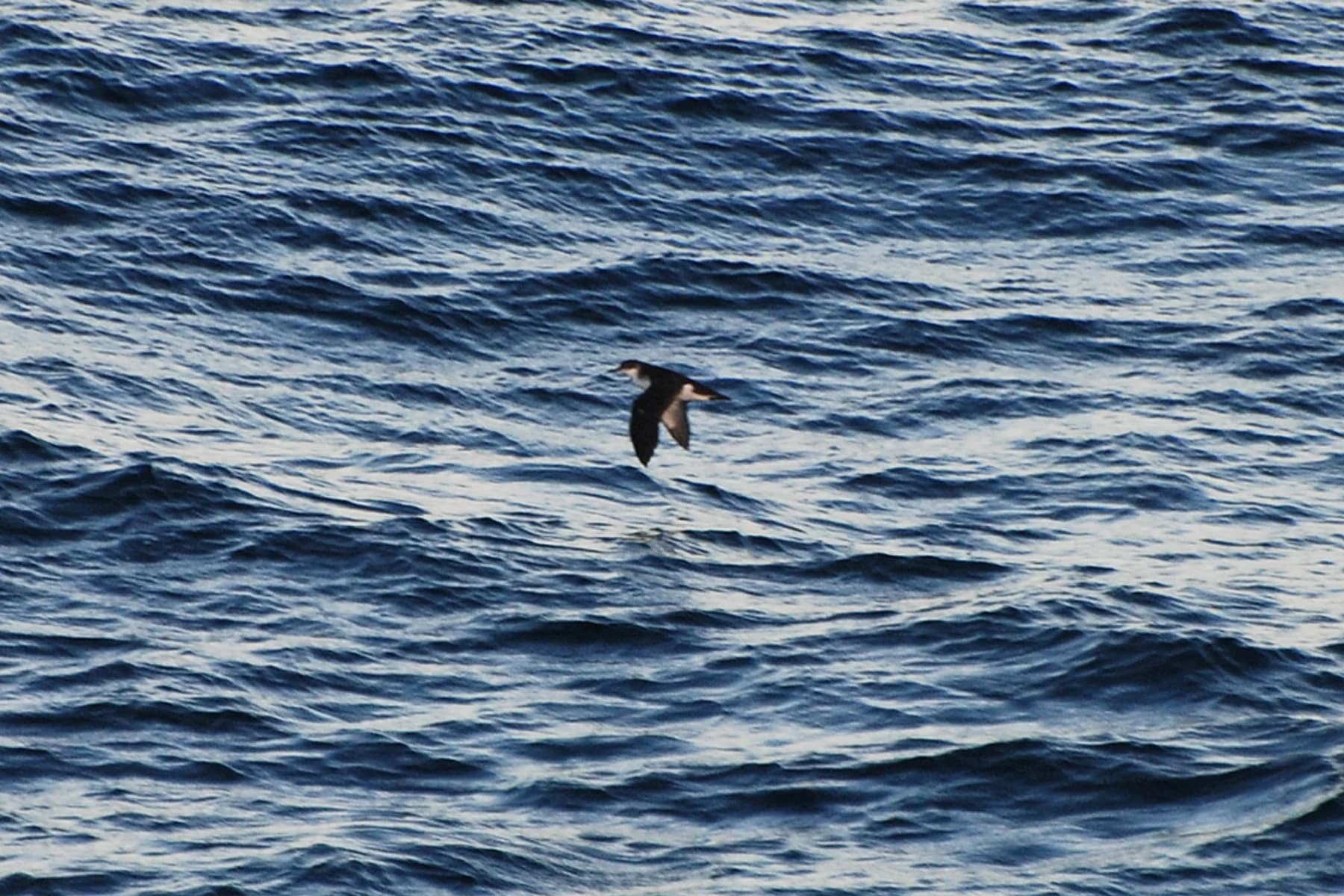
Townsend's Shearwater

Townsend's Shearwater

General species description, not specific to this destination

A critically endangered seabird endemic to the Revillagigedo Archipelago. Nests in burrows on Socorro and Clarion Islands, foraging over deep oceanic waters for fish and squid.

Longspined Porcupinefish

General species description, not specific to this destination

The Longspined Porcupinefish is a fascinating resident of tropical reefs around the world, easily recognized by its rounded body covered in prominent spines and distinctive yellow-brown coloration with darker spots. When relaxed, this gentle fish appears almost balloon-like as it slowly navigates the reef. However, when threatened, it transforms dramatically by inflating into a spiky sphere twice its normal size - a spectacular defensive display that divers occasionally witness. These curious fish often approach divers closely, their large eyes giving them an almost comical expression. They're commonly found hovering near coral formations and caves during the day, using their beak-like mouths to crush small crustaceans and mollusks. Their slow, deliberate swimming style and tendency to remain stationary make them excellent photography subjects for underwater enthusiasts.

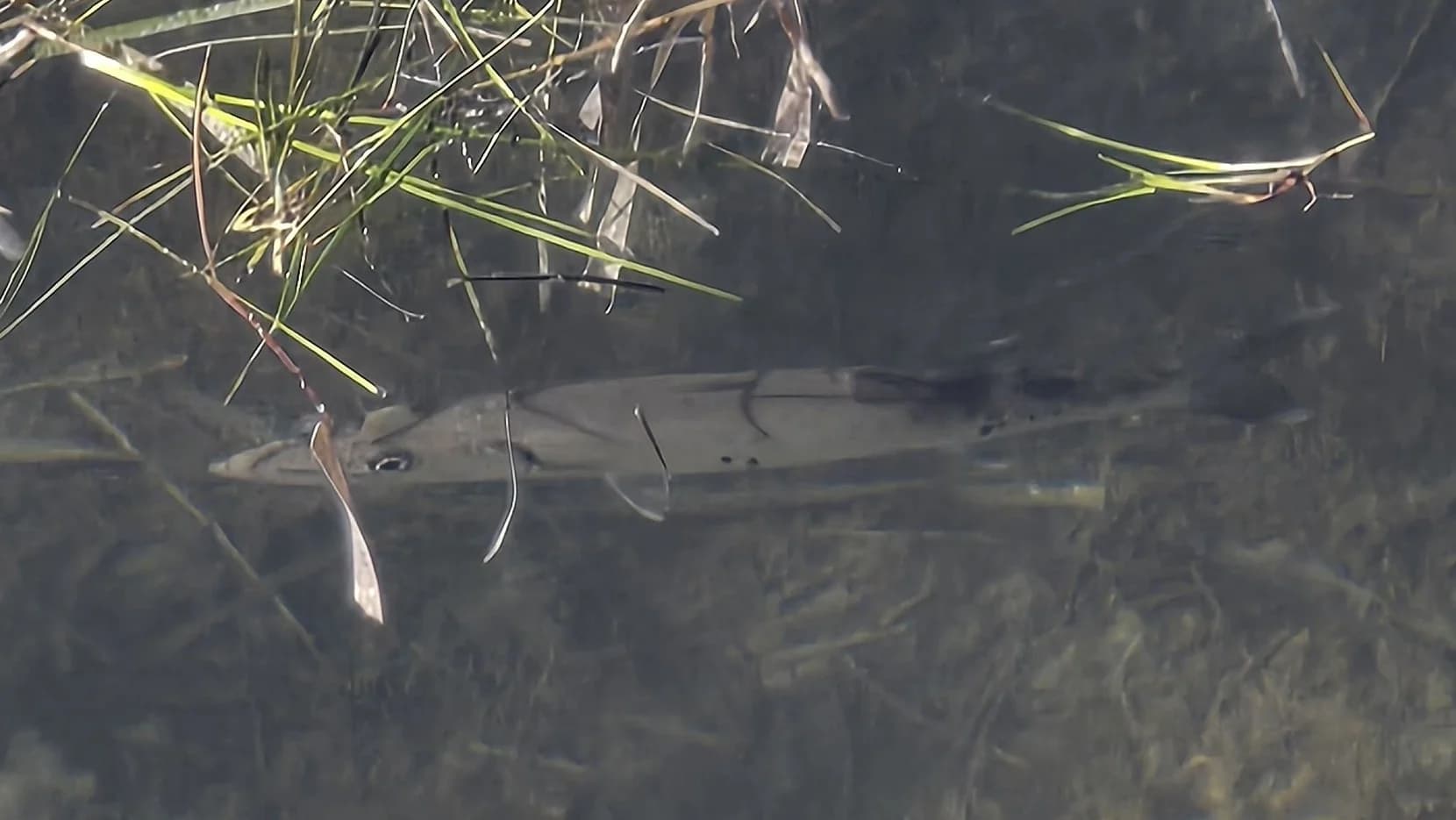
Great Barracuda

Great Barracuda

Destination note

Year-round resident during dive season. Frequently seen at El Boiler and El Canyon. Often solitary or in small groups.

Telja's Nudibranch

General species description, not specific to this destination

A colorful aeolid nudibranch with elongated cerata covering its back. Found on rocky reefs feeding on hydroids. Displays striking orange and white coloration.

Socorro Serrano

General species description, not specific to this destination

A small reef fish endemic to the Revillagigedo Archipelago. Occurs on rocky reefs and boulder slopes where it hunts small crustaceans and fish. Distinguished by its mottled brown and white pattern.

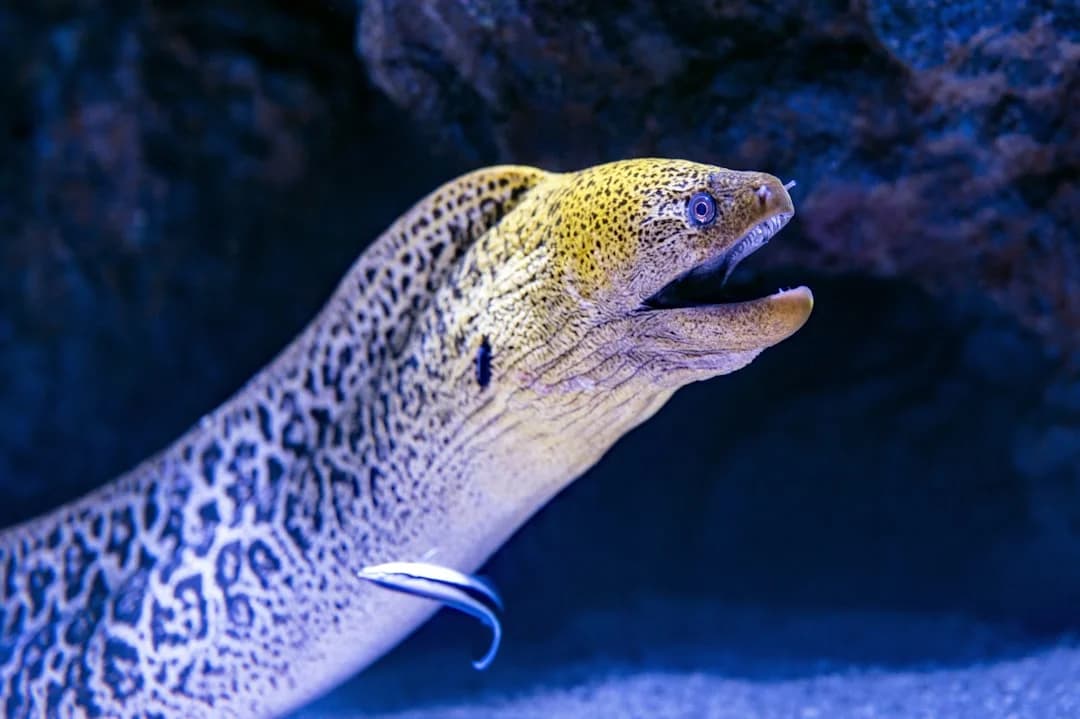
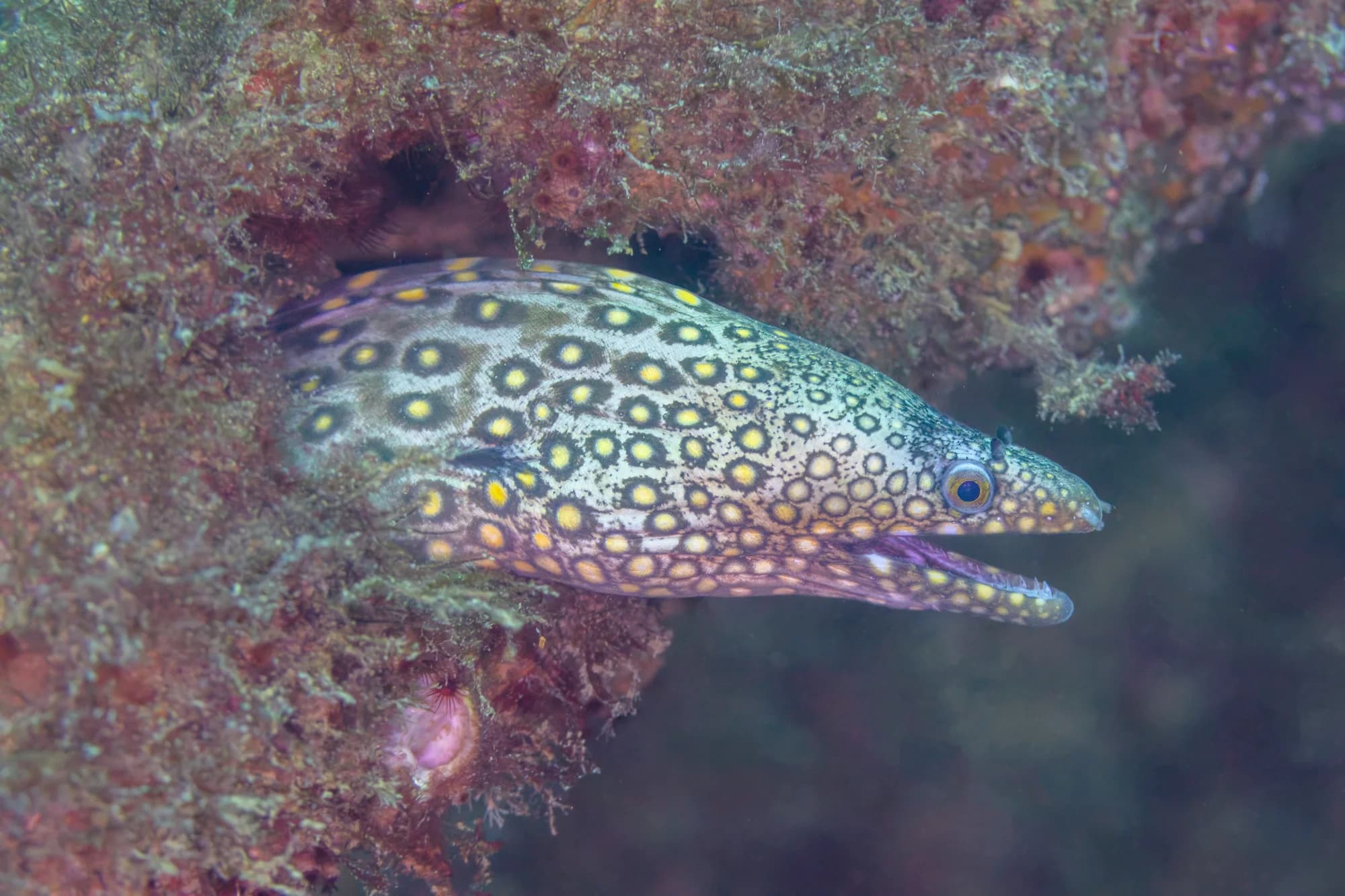
Finespotted Moray

Finespotted Moray

General species description, not specific to this destination

A large pale moray finely speckled with dark spots that lurks in reef crevices and ambushes fishes and octopuses at night. It is widespread in the Eastern Pacific including the Galápagos.

Jewel Moray

Jewel Moray

General species description, not specific to this destination

A small reddish-brown moray patterned with pale jewel-like spots ringed in dark, hiding in crevices on rocky reefs. It ranges through the Eastern Pacific including the Galápagos.

+102more species in the app

Dive shops

No dive shops are listed for this destination yet.

Liveaboards (6)

Nautilus Liveaboards

Operated by Nautilus Liveaboards

Website ↗

Mexico Liveaboards

Operated by Mexico Liveaboards

Website ↗

Socorro Aggressor (Aggressor Adventures)

Operated by Aggressor Adventures

Website ↗

Dive Ninja Expeditions

Operated by Dive Ninja Expeditions

Website ↗

Guides

Safety

Coast guard

Coast Guard (Mexican Navy)

+52 624 144 9100

Emergency

DAN Diving Emergency Hotline (recompression coordination)

+1 919-684-9111

Hospital

Hospital San Francisco

+52 624 144 8000

Police

Mexican Emergency Number

911

Coast guard

Mexican Navy Regional (BCS)

+52 624 143 8000

Emergency

CONANP (Revillagigedo National Park)

+52 55 5627 1770

Hyperbaric chamber

No verified recompression chamber on record.

Contact DAN: +1 919 684 9111

Bring San Benedicto Island (Revillagigedo) underwater

Offline access, dive log, AI fish ID, live site maps, and trip planning.

Download on the App Store