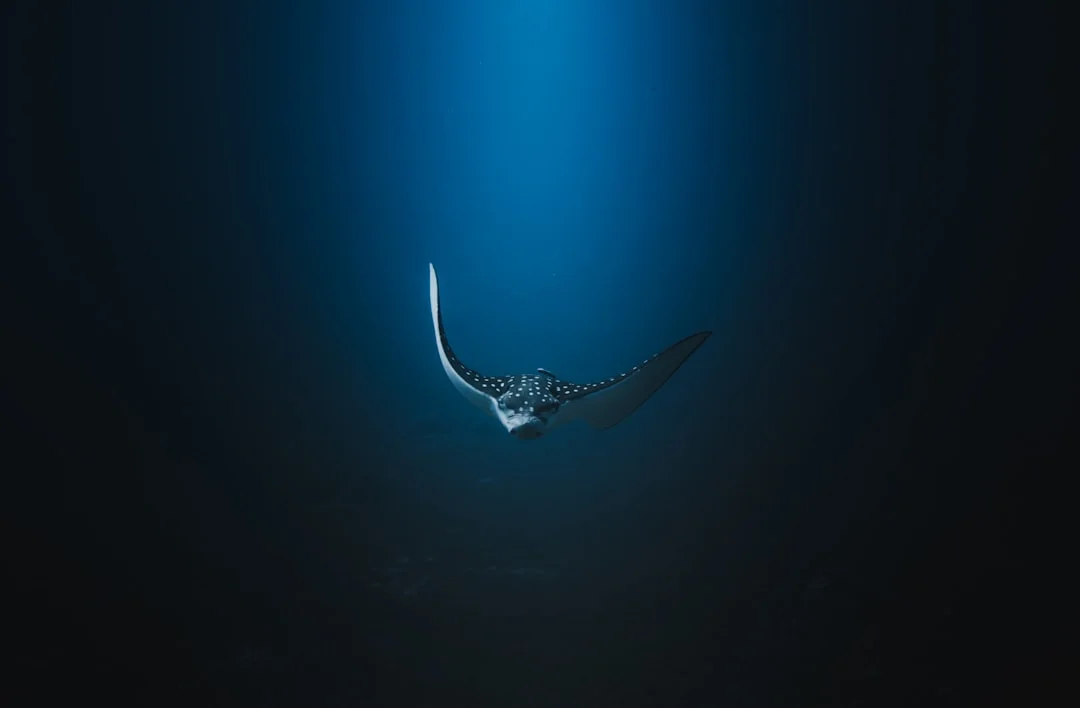
Spotted Eagle Ray
Destination note
Common year-round at Ras Mohammed, Tiran, and offshore reefs; often seen singly or in small groups
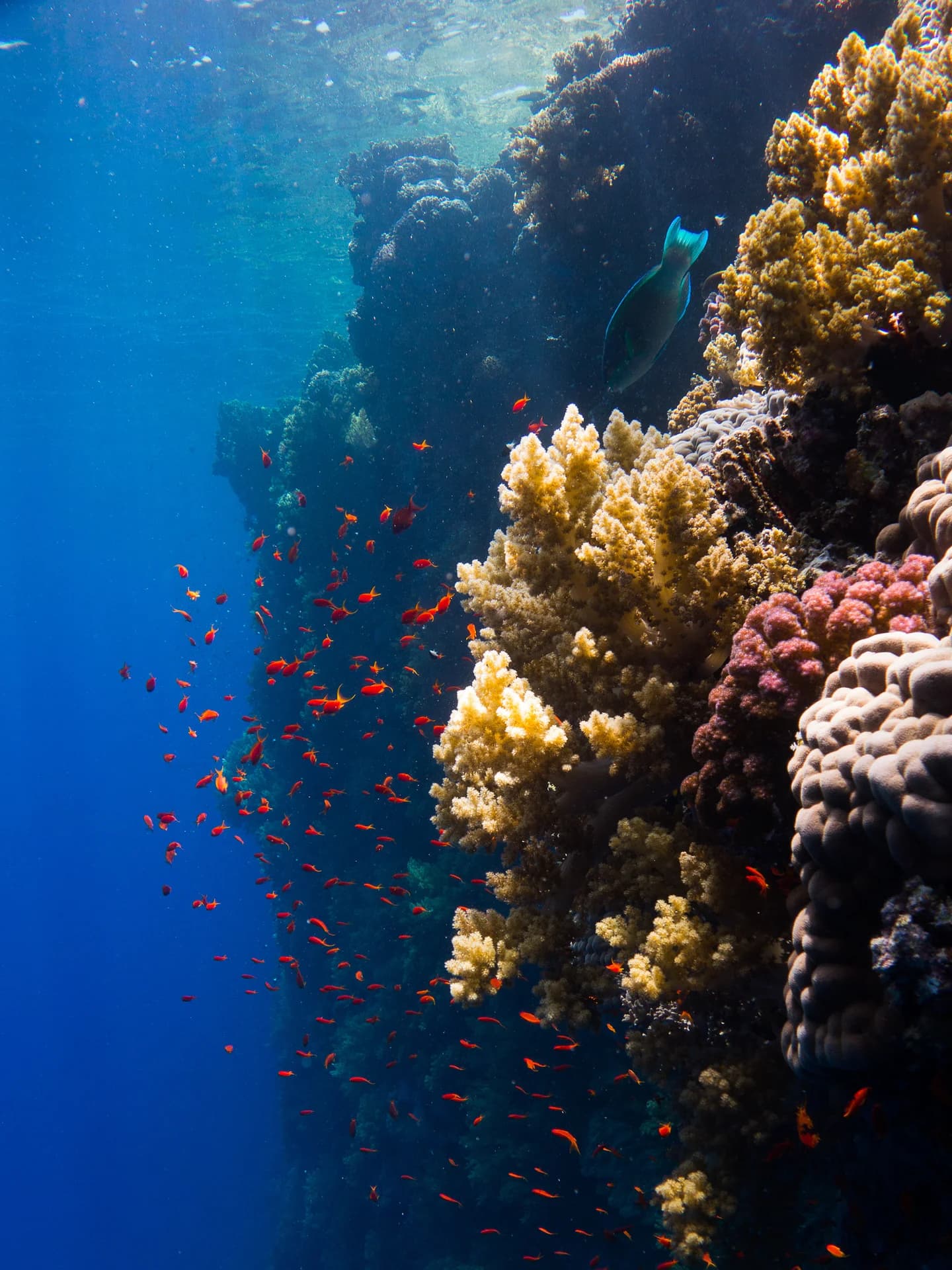
Egypt
Photo: Unknown / Wikimedia Commons (CC BY)
The Egyptian Red Sea is one of the world's premier scuba diving destinations, offering over 1,200 fish species, 250+ coral species, legendary wrecks, dramatic wall dives, and reliable year-round dive conditions along 1,200km of pristine coastline. From the world-famous SS Thistlegorm wreck to hammerhead schools at Daedalus Reef, oceanic whitetips at Elphinstone, and the iconic Blue Hole at Dahab, every dive region delivers encounters that rival anywhere on the planet. With hyperbaric chambers in every major dive hub, strict CDWS safety regulations, and the Mediterranean's best budget-for-value ratio, Egypt's Red Sea is the most accessible world-class diving on earth.
Select a pin to learn more. Use the zoom buttons or pinch to zoom.
Loading map…
11 places have no verified map location yet. Browse the page lists for more places.
21–30 °C
20–40 m
5–40 m
Moderate
March–May and September–November offer the best combination of comfortable air temperatures, excellent visibility (25–40m), and manageable crowds. Summer (June–August) is peak for hammerheads and mantas but hot topside. Winter (December–February) offers clearest visibility and fewest crowds.
| Month | Summary |
|---|---|
| Jan | January brings the Red Sea's coolest water (21–24°C) and clearest visibility (25–40m). Perfect for wreck diving with minimal crowds. A 5–7mm wetsuit is recommended. |
| Feb | February continues winter conditions with 21–24°C water and excellent 25–35m visibility. Wreck diving is at its best. Fewer divers mean uncrowded sites. |
| Mar | March marks the start of spring with warming water (22–24°C) and good visibility (20–30m). Pleasant topside temperatures and the first hammerhead sightings begin. A great all-around month. |
| Apr | April delivers 23–25°C water and 20–30m visibility. Peak Easter crowds at resort areas — book early. Hammerhead season begins in earnest at Daedalus and Brothers. |
| May | May is the sweet spot — 24–26°C water, warming to summer, with hammerhead schools building at offshore sites. Whale sharks begin appearing. Visibility 20–30m. |
| Jun | June brings summer heat (26–28°C water) and peak hammerhead season at Daedalus Reef. Manta rays arrive at offshore sites. Visibility 25–30m. Hot topside (35°C+). |
| Jul | July is peak summer with the warmest water (27–29°C). Hammerhead action continues at offshore sites. Manta encounters reliable. Excellent visibility (25–30m). Rash guard or 3mm sufficient. |
| Aug | August maintains peak summer warmth (28–30°C) with 25–35m visibility. Last month of prime hammerhead season. Manta rays and thresher sharks still present. Hot but rewarding. |
| Sep | September is the golden month — water 27–29°C, peak visibility returns (30–40m), oceanic whitetip season begins at Elphinstone. Pleasant air temperatures and manageable crowds. Arguably the best month overall. |
| Oct | October delivers stellar conditions — 26–28°C water, 30–40m visibility, oceanic whitetips in full display at Elphinstone, and thresher sharks active at Brothers. Ideal autumn diving. |
| Nov | November sees cooling water (24–26°C) but maintains excellent 25–35m visibility. Oceanic whitetips still present. Fewer crowds after autumn peak. A 5mm wetsuit recommended. |
| Dec | December transitions to winter with 22–24°C water and 25–35m visibility. Wreck diving enters prime season. Quietest month for crowds. Festive season brings holiday divers. 5–7mm wetsuit needed. |
2–20m · Beginner
Dugongs · Seagrass beds · Green turtles
3–25m · Intermediate
Caves · Soft corals
Coral towers
20–35m · Advanced
Artificial reef
Shipwreck · WWII history
5–20m · Beginner
Anemone fields · Clownfish colony · Sandy seabed
5–40m · Advanced
Manta rays
Thresher sharks · Hammerhead sharks
6–30m · Intermediate
Submarine sinkhole · Coral garden rim · The Arch (tech-only)
5–40m · Advanced
Wall · Strong currents · Pinnacle
15–27m · Intermediate
Historic wreck (1869) · Copper-clad hull · Coral-encrusted
Species recorded in this destination's wider regional catalogue. A species being listed here does not mean it is seen at this destination — check the note on each card.
Spotted Eagle Ray
Destination note
Common year-round at Ras Mohammed, Tiran, and offshore reefs; often seen singly or in small groups
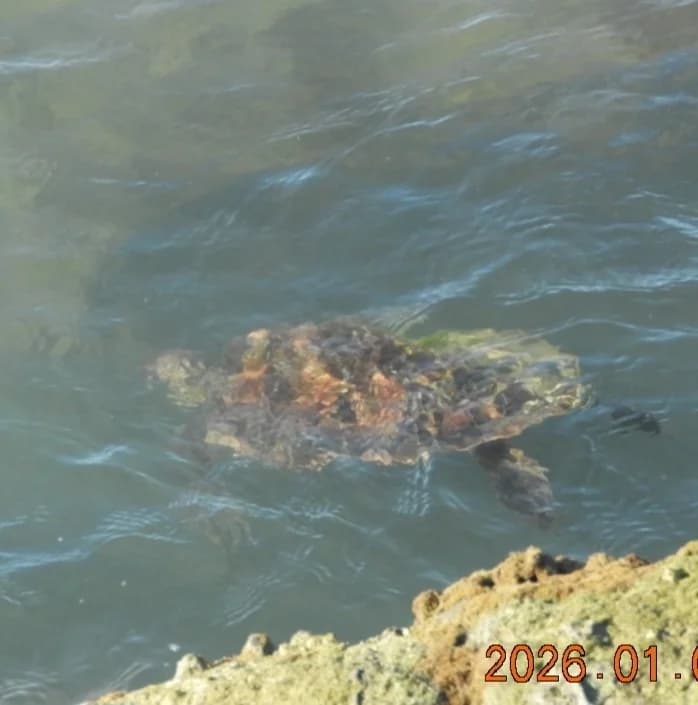
Green Sea Turtle
Destination note
Year-round resident; abundant at seagrass beds in Marsa Alam, Turtle Bay (Sharm), and Abu Dabbab
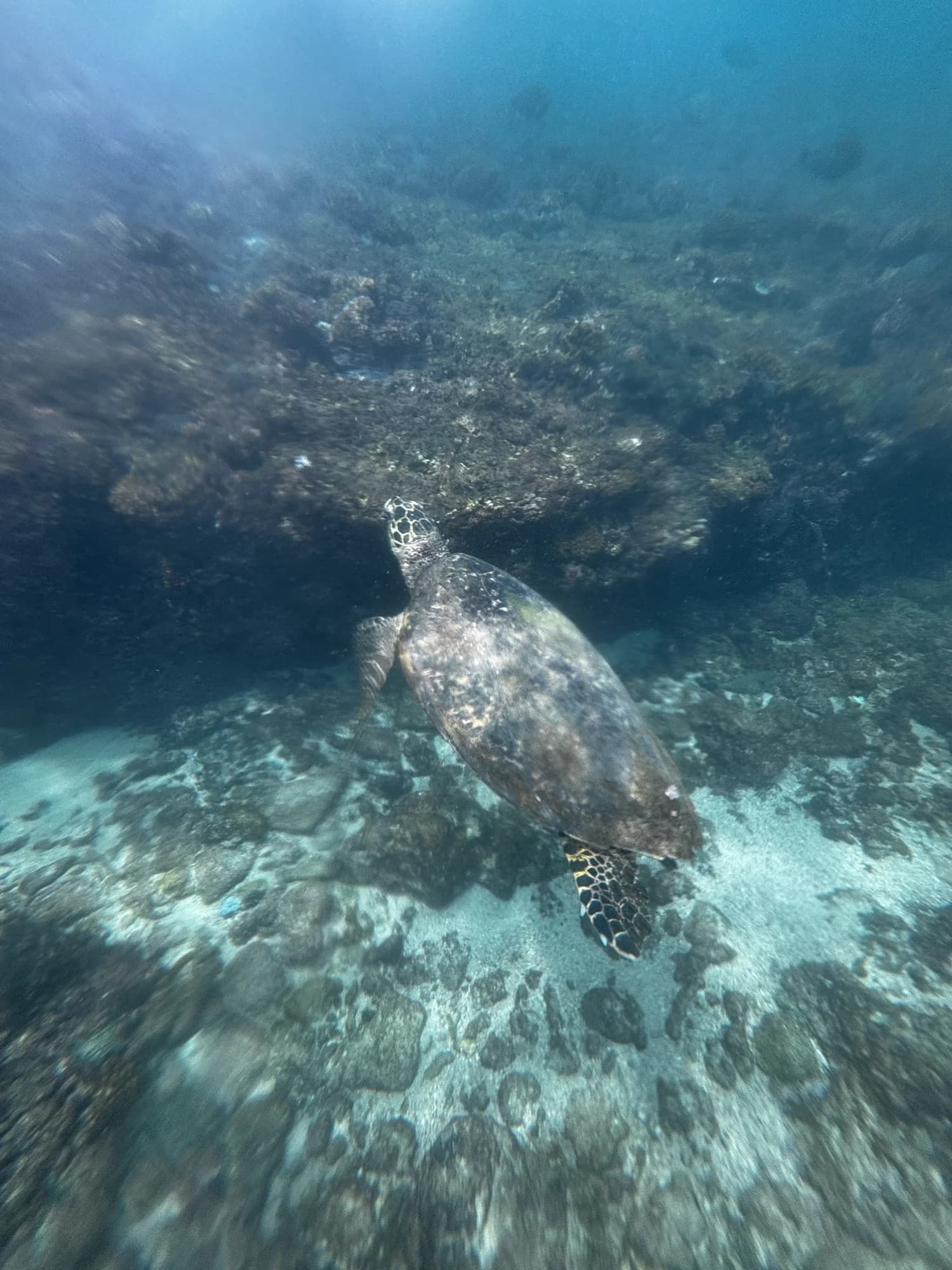
Hawksbill Turtle
Destination note
Common at reef sites across the Red Sea; nesting on Zabargad and Brothers Islands
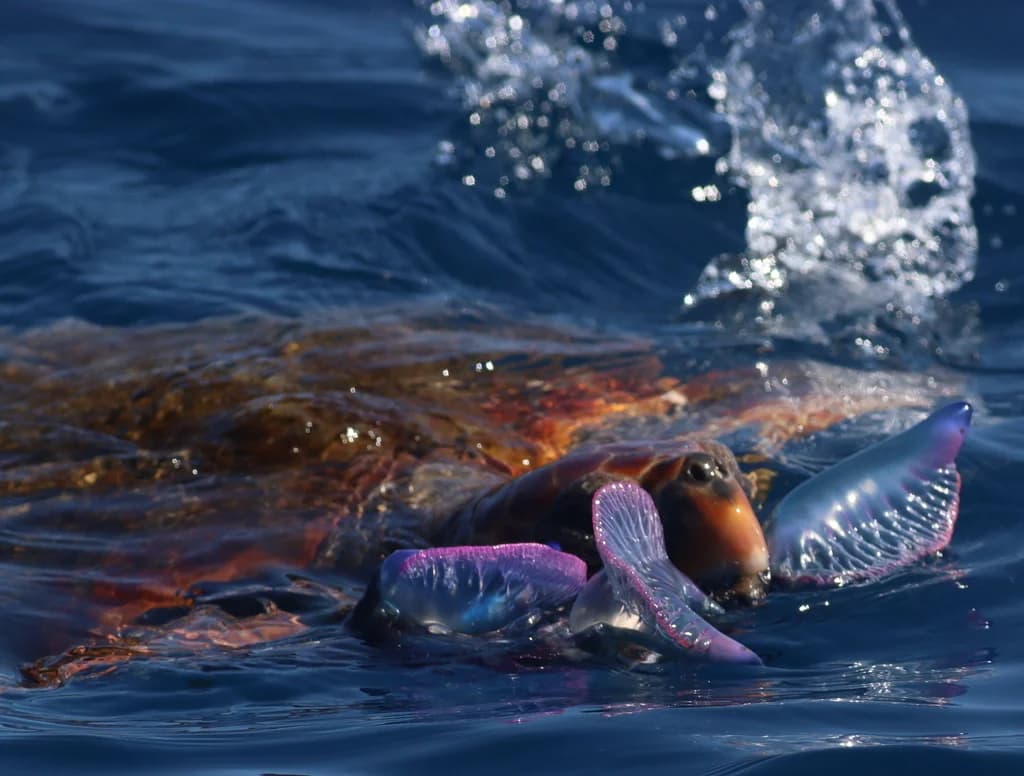
Loggerhead Turtle
Destination note
Less common than green and hawksbill; occasional sightings at Marsa Alam and offshore reefs
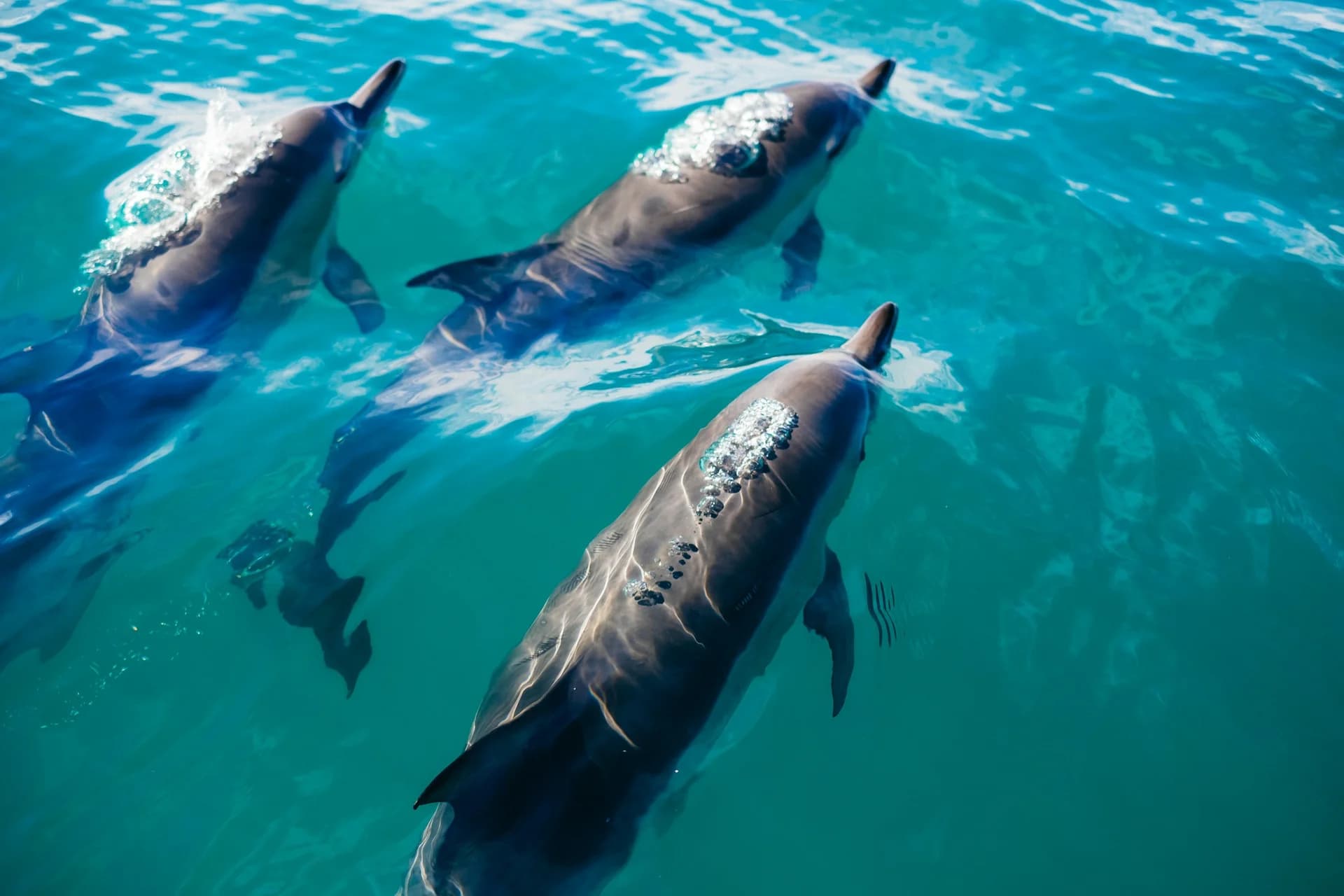
Atlantic Bottlenose Dolphin
Destination note
Frequently sighted across the Red Sea; common near Sharm, Hurghada, and Marsa Alam; often bow-ride dive boats
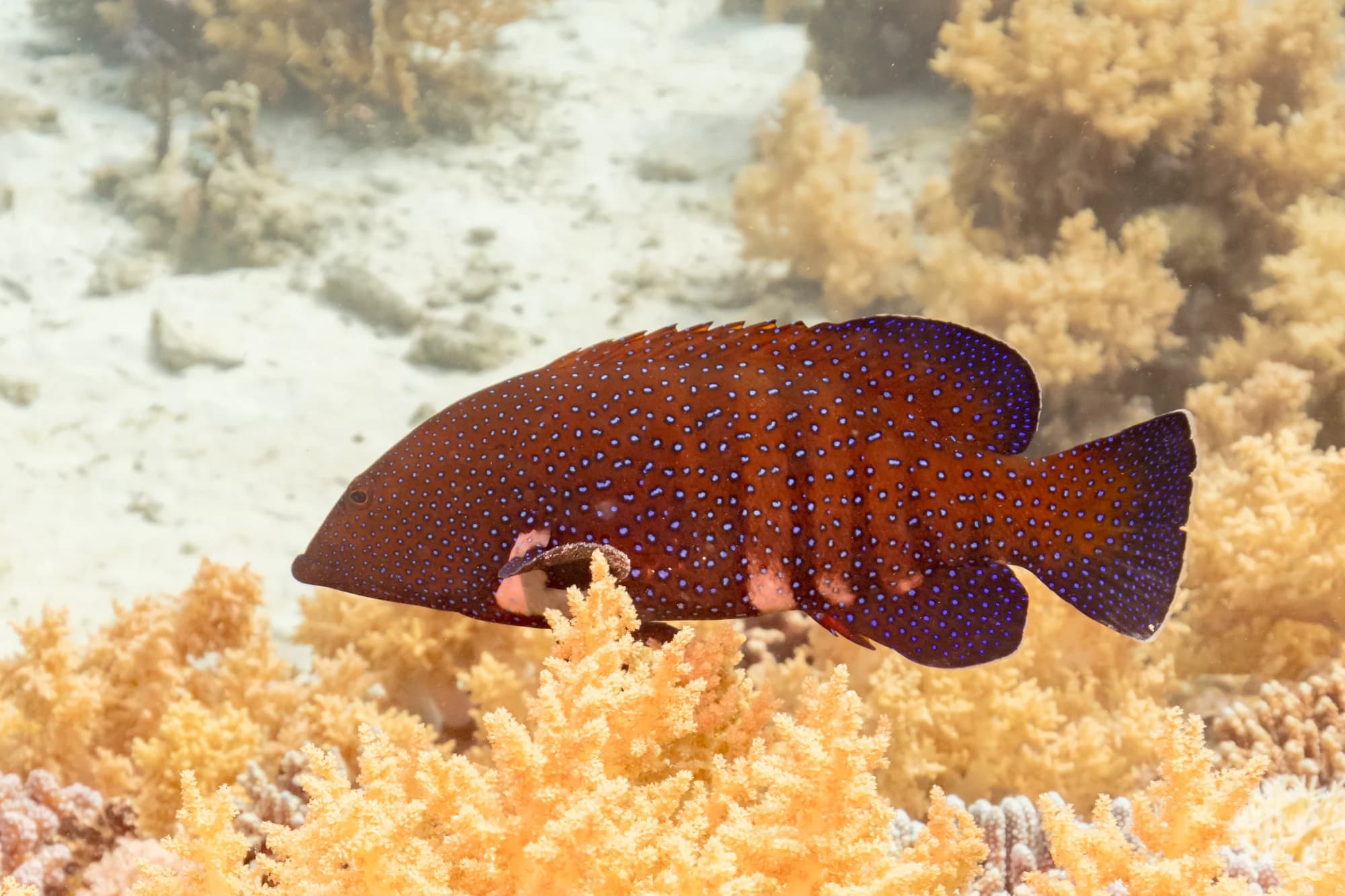
Roving Coral Grouper
General species description, not specific to this destination
A coral grouper with a streamlined body, large mouth, and reddish to brownish coloration marked with blue spots or fine patterning depending on age and locality. It is a strong reef predator and an important species in Indo-Pacific reef fisheries. Its shape, bold posture, and tendency to hover near coral cover help identify it.
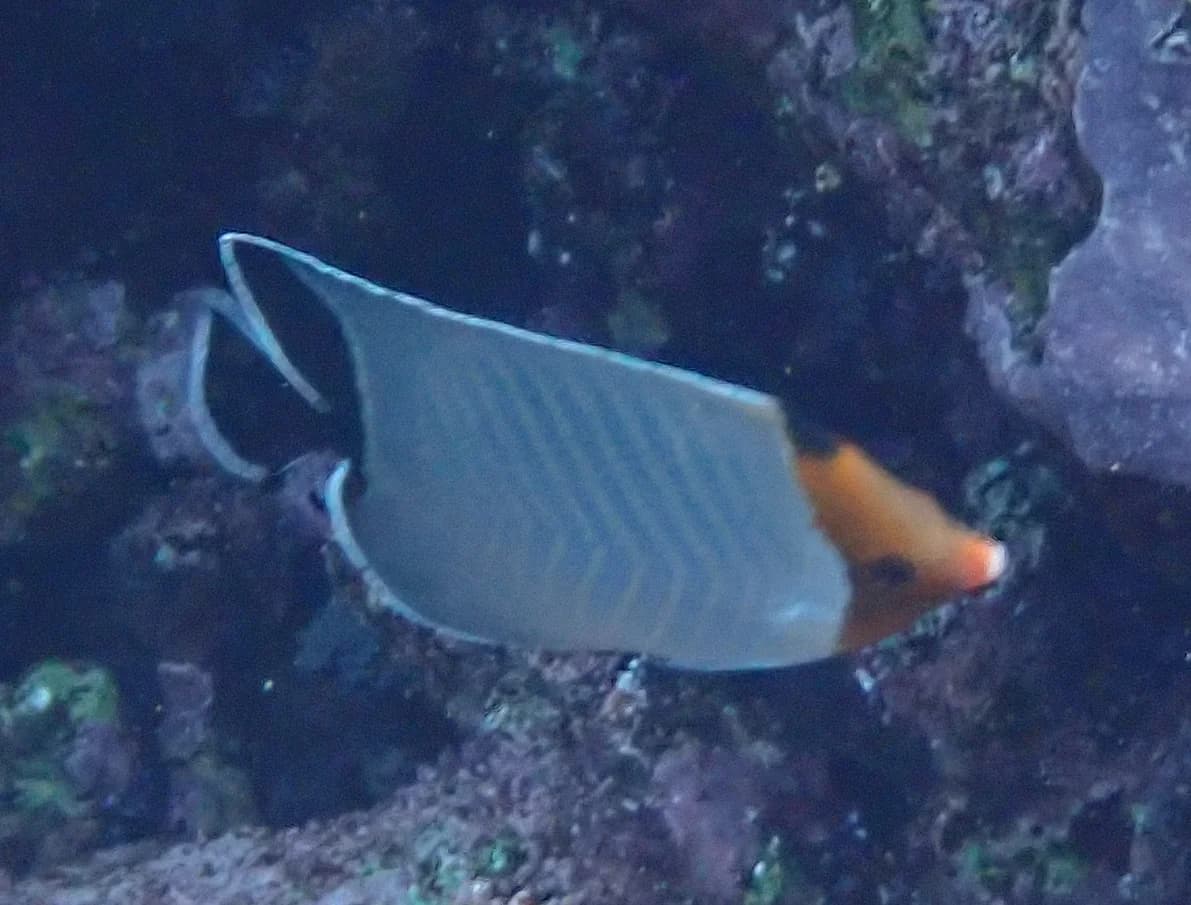
Hooded Butterflyfish
General species description, not specific to this destination
A species of fish found in marine environments. It has typical fish morphology and behavior suited to its habitat.
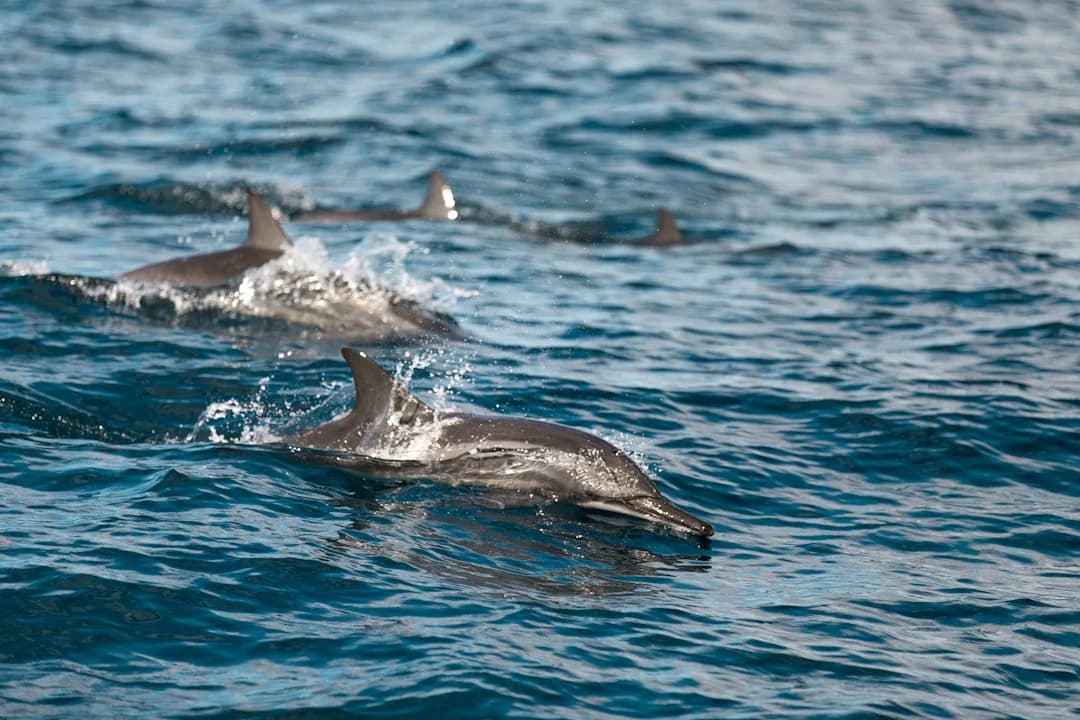
Indian Ocean Humpback Dolphin
General species description, not specific to this destination
A dolphin with a distinctive hump on its back and a long, slender beak, found in coastal waters of the Indian Ocean. It is known for its acrobatic behavior.
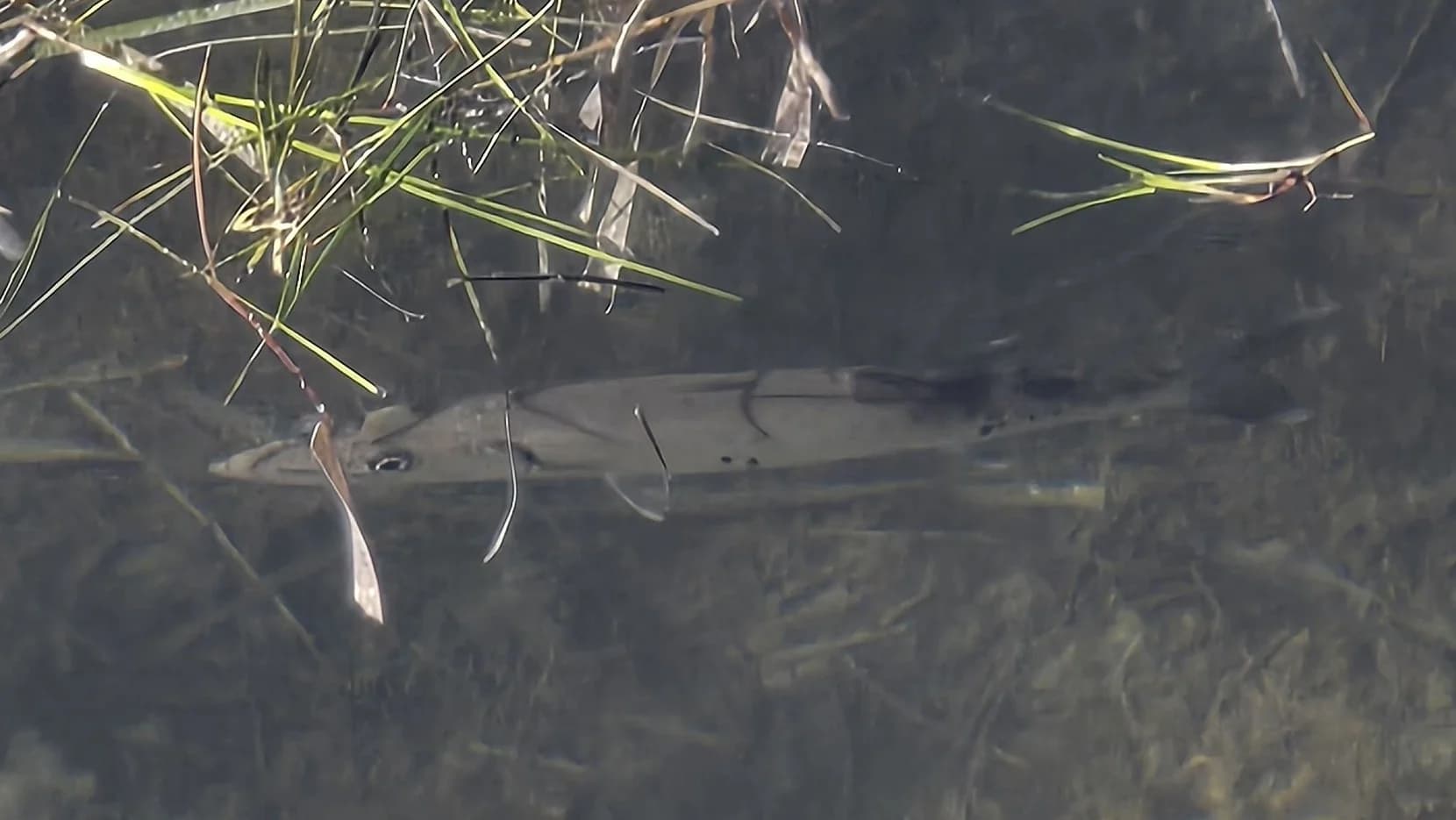
Great Barracuda
Destination note
Common at reef edges and drop-offs; large schools at Shark & Yolanda Reef and Tiran sites
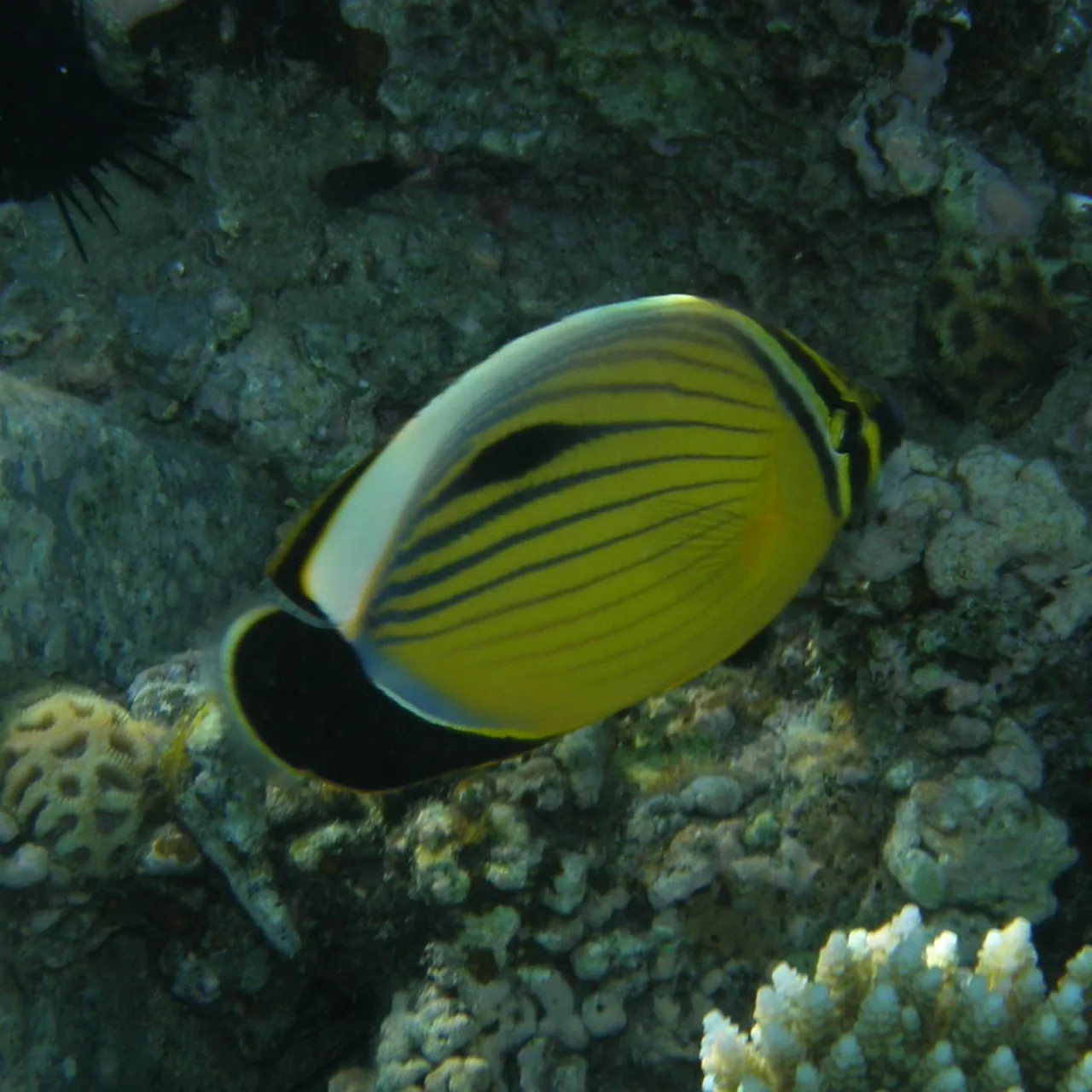
Photo: Chaetodon austriacus, iNaturalist observation 1681649, photo 2041880 — Rafael Medina · CC BY 4.0 · Cropped to a reviewer-selected 922×922 px square at (481, 238) of the 2048×1536 px original, upscaled to 1280×1280 (main) and downscaled to 400×400 (thumbnail), and encoded as WebP with metadata removed.
Black-tailed Butterflyfish
General species description, not specific to this destination
A marine species with typical characteristics for its taxonomic group. Found in various marine habitats.
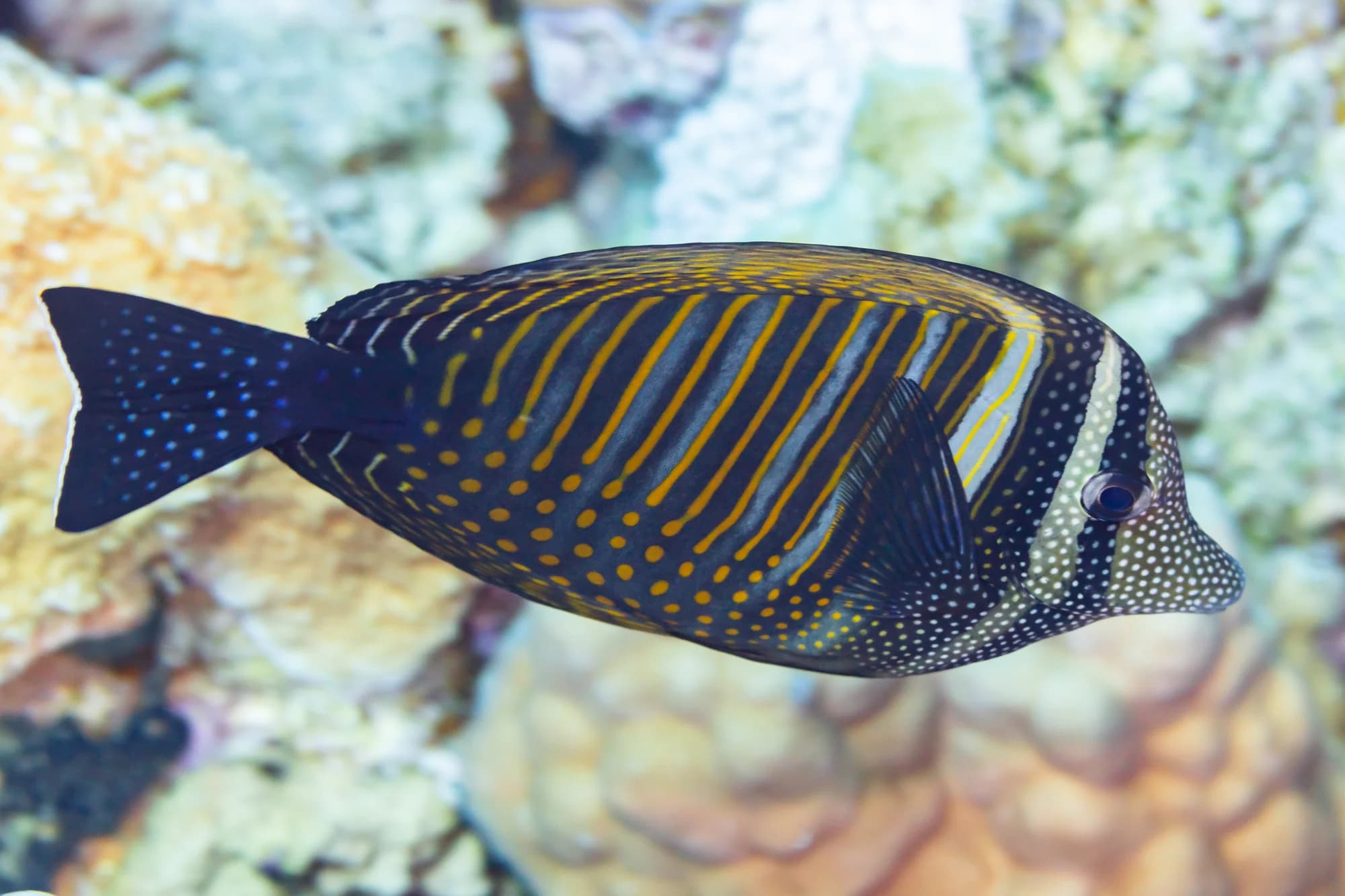
Red Sea Sailfin Tang
General species description, not specific to this destination
A sailfin tang with a deep disk-shaped body, high dorsal and anal fins, and ornate vertical striping with spots on the head and body. When its fins are extended it appears much taller than most surgeonfishes. Like other tangs, it has a sharp scalpel-like spine near the tail base.
Triton's Trumpet
General species description, not specific to this destination
A very large marine snail with a thick, high-spired shell patterned in cream and brown, and a fleshy foot used for slow crawling. It is famous as a predator of crown-of-thorns starfish, helping balance reef ecosystems. The impressive shell makes it vulnerable to collecting, so live animals should be left in place.
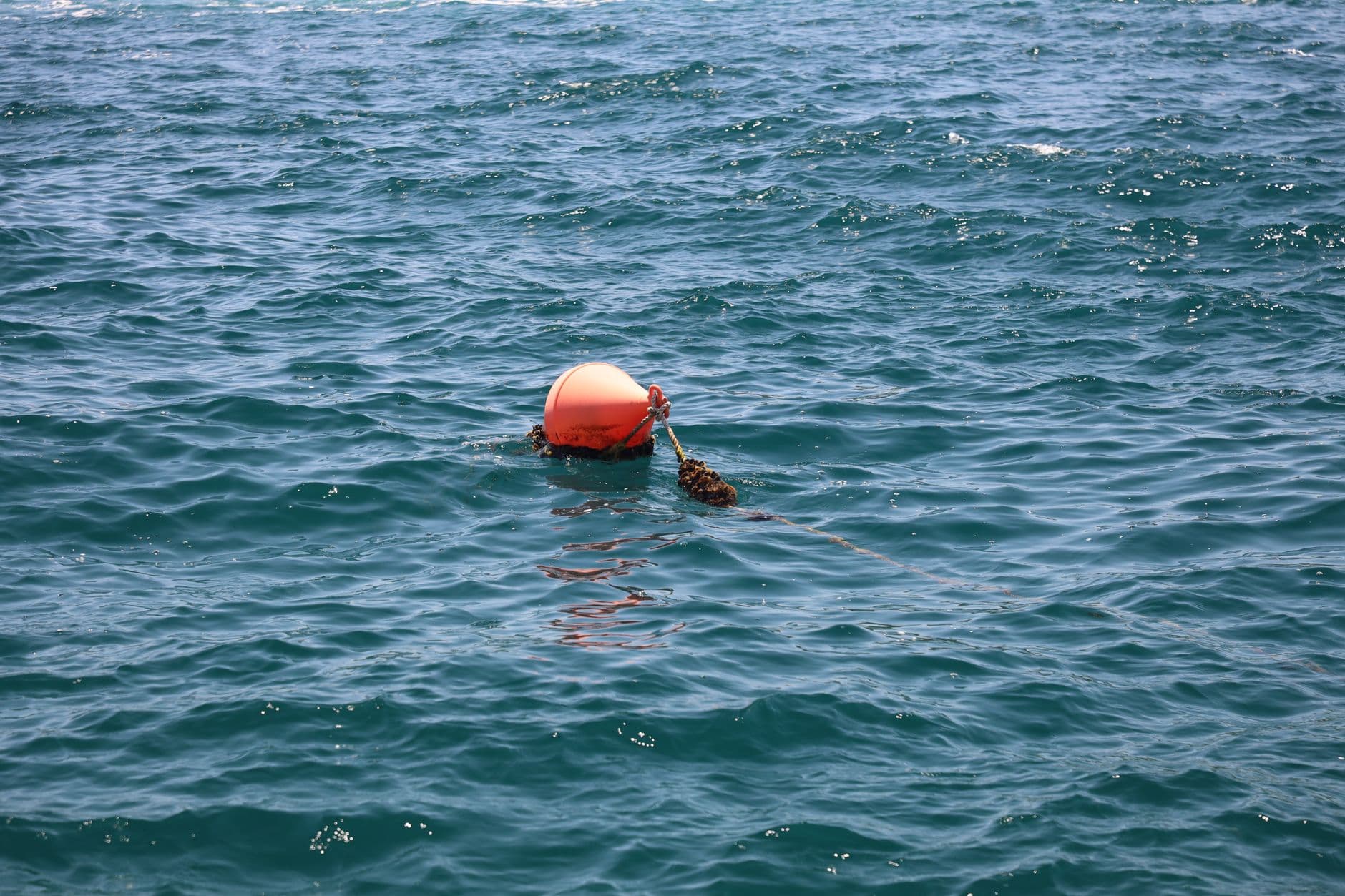
Complete Red Sea diving conditions guide: water temperatures, visibility ranges, seasonal currents, and what to expect month-by-month on Egypt's coast.
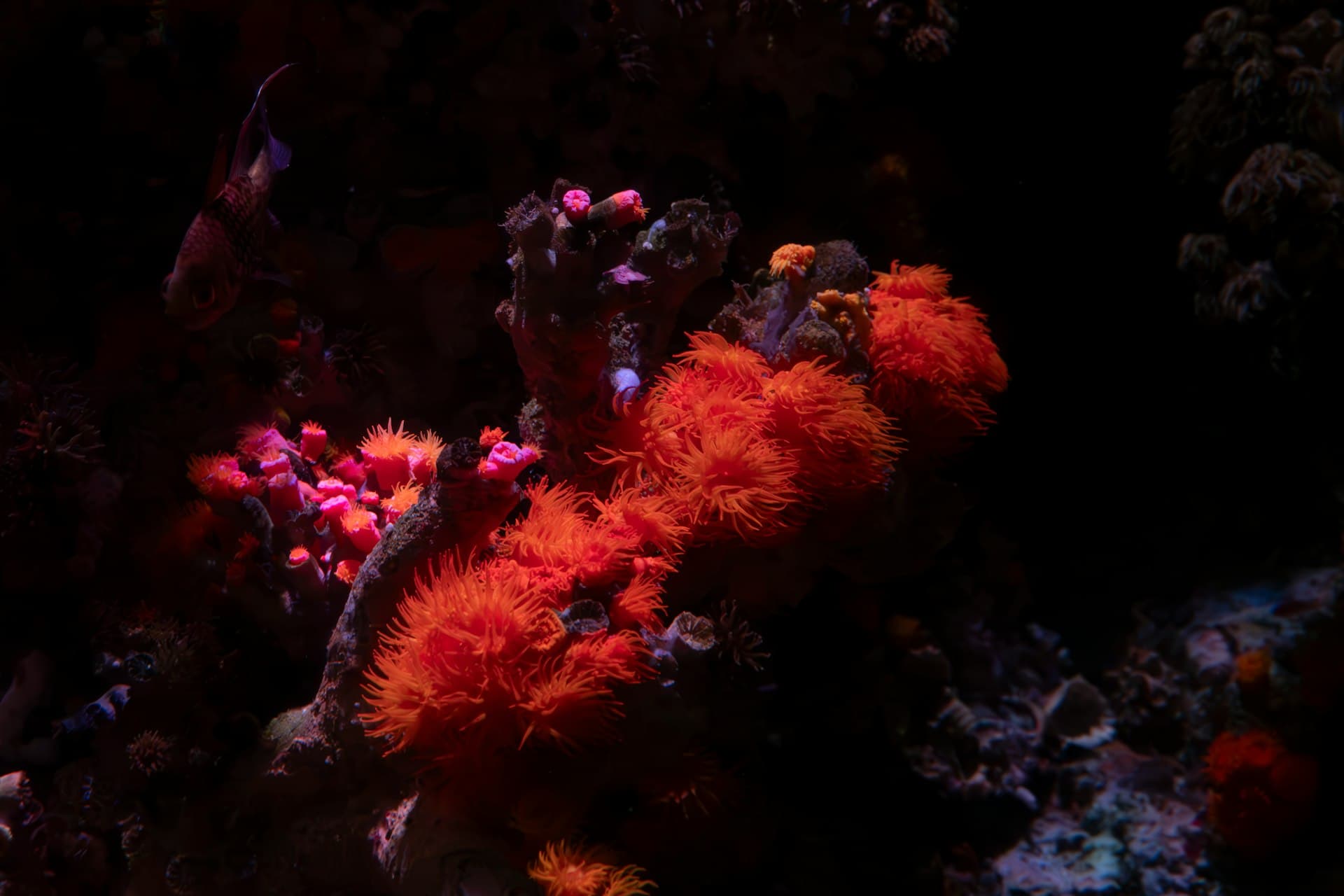
Ranking the top 10 dive sites in Egypt's Red Sea: from the SS Thistlegorm wreck to hammerhead hotspots at Daedalus. Depths, seasons, and marine life.
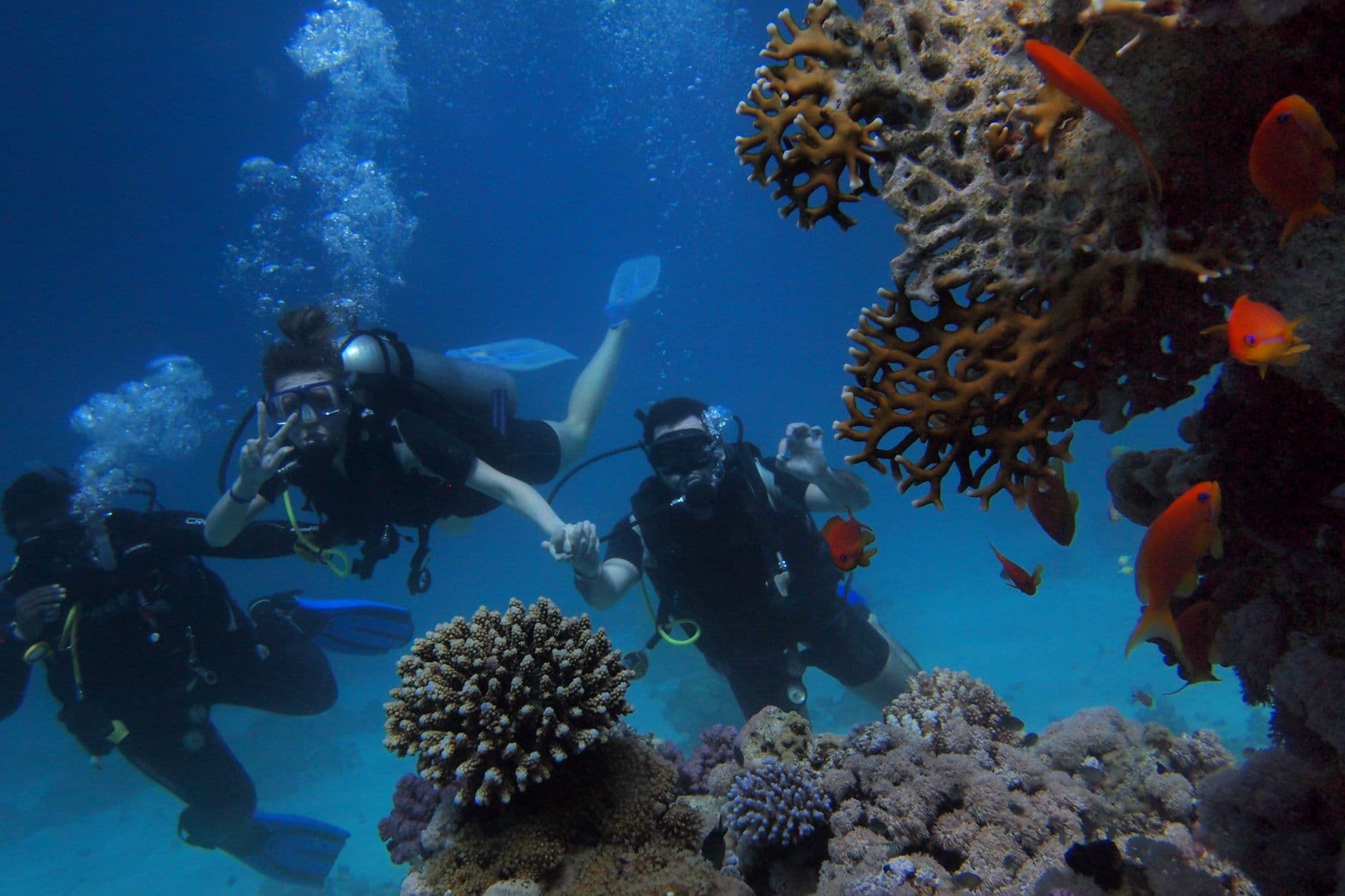
Discover Egypt's Red Sea diving: 1,200 km of coastline, 1,200+ fish species, world-class wrecks and drift dives. Your complete guide to diving in Egypt.
Offline access, dive log, AI fish ID, live site maps, and trip planning.
Download on the App Store