Raja Ampat

Indonesia

Diving in Raja Ampat

40 sites111 species26–30 °C10–35 m vis

Photo: Johnny Africa / Unsplash

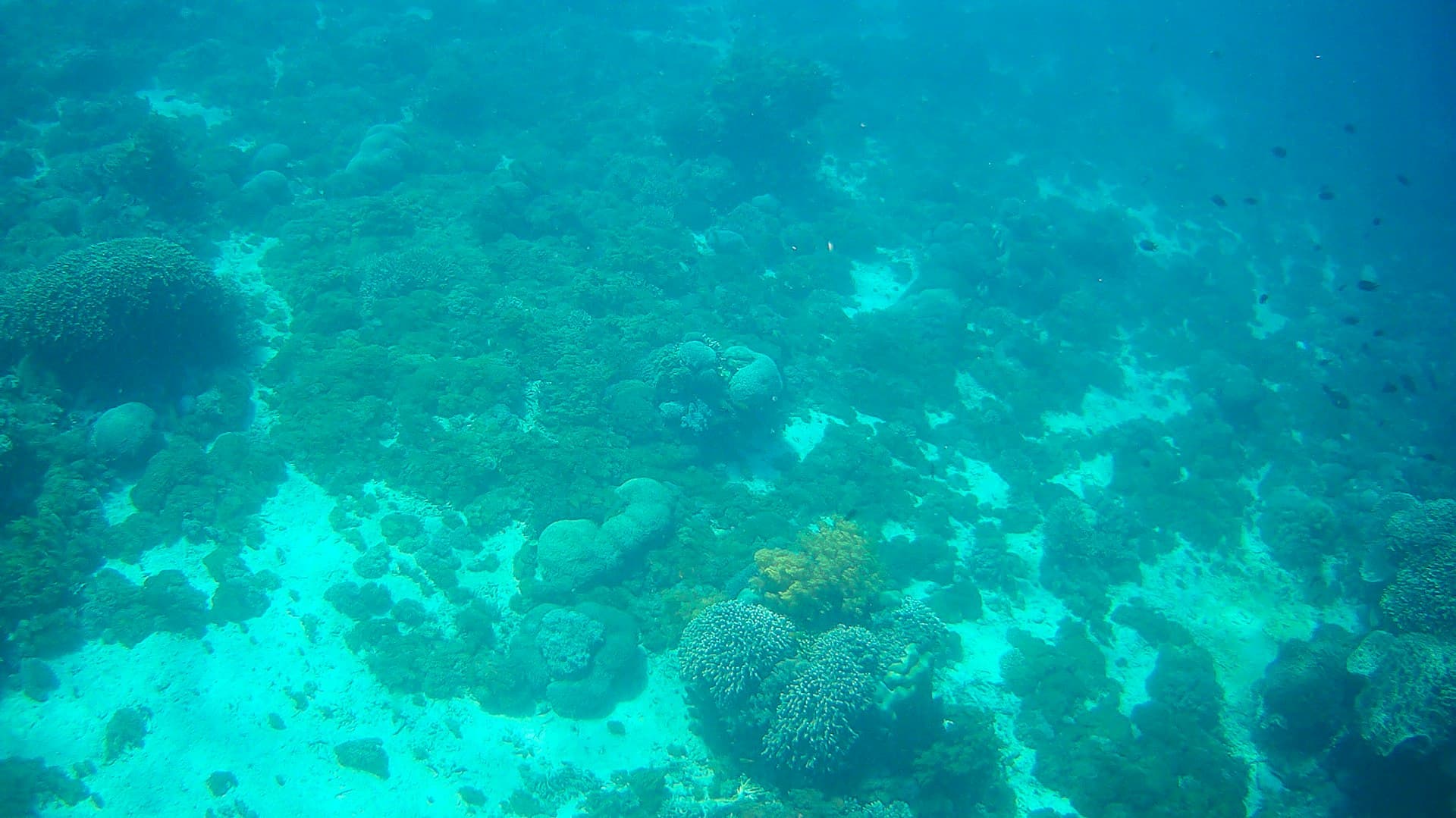
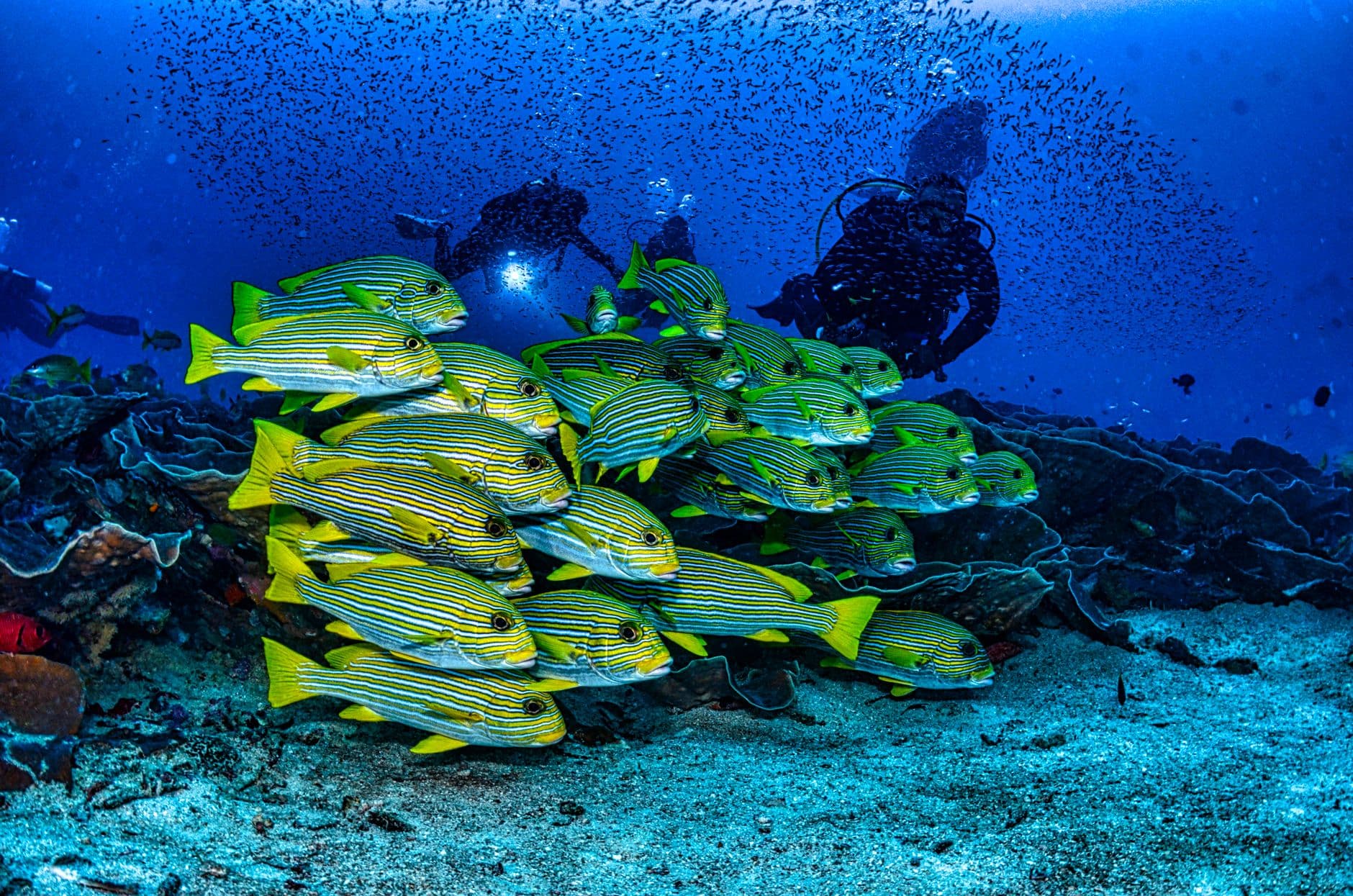
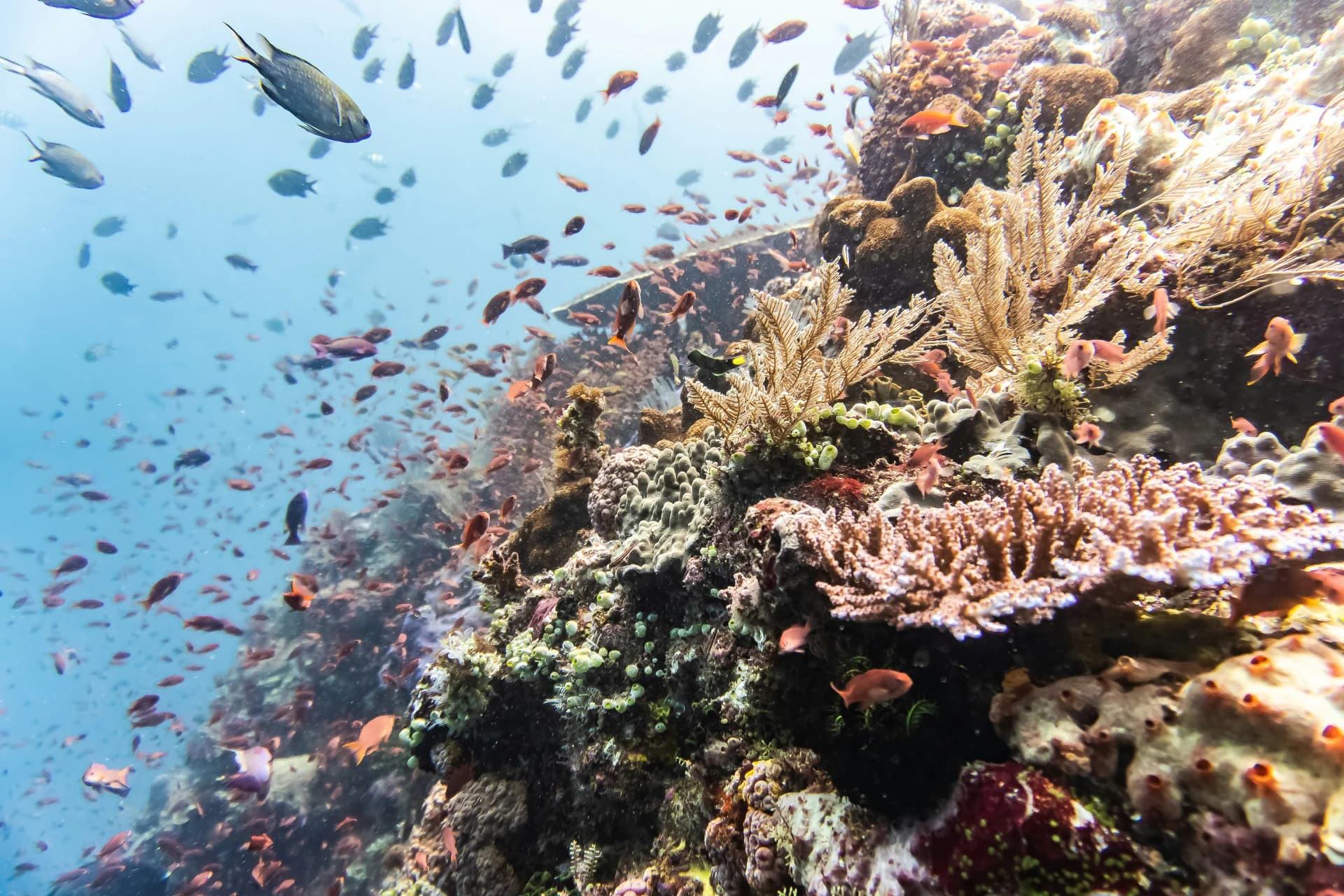
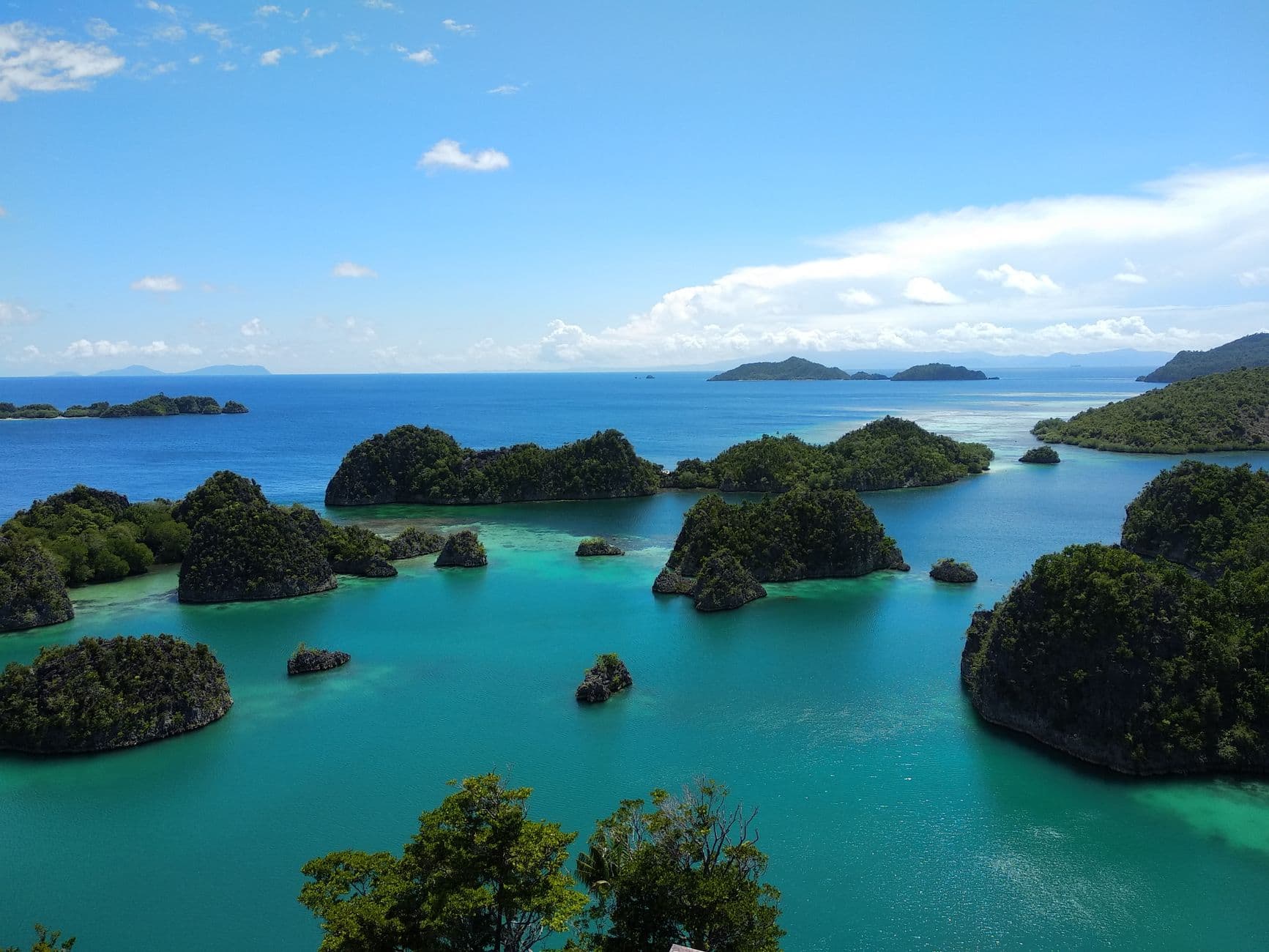
Raja Ampat, meaning "Four Kings," is an archipelago off the northwest tip of Bird's Head Peninsula, Southwest Papua province, Indonesia. It comprises over 1,500 small islands, cays, and shoals surrounding the four main islands of Misool, Salawati, Batanta, and Waigeo. It's renowned as the global epicenter of tropical marine biodiversity and is part of the Coral Triangle.

Raja Ampat is home to over 600 species of hard corals, representing 75% of the world's total known species.The iconic karst limestone islands of Wayag and Piaynemo are some of the most photographed seascapes on Earth.The Dampier Strait, between Waigeo and Batanta, experiences strong tidal flows that create nutrient-rich upwellings supporting extraordinary biodiversity.Raja Ampat was designated a UNESCO Biosphere Reserve in 2025, recognizing its immense ecological importance.The archipelago features at least three landlocked marine lakes with harmless jellyfish, similar to Palau's famous Jellyfish Lake.

Explore the map

Select a pin to learn more. Use the zoom buttons or pinch to zoom.

Loading map…

Places on this map (41)

32 places have no verified map location yet. Browse the page lists for more places.

Conditions

Water temp

26–30 °C

Visibility

10–35 m

Depth

10–35 m

Current

Moderate

Best season

October–April (Dry season)

MonthSummary
JanExcellent diving with calm seas and clear visibility, ideal for exploring vibrant reefs.
FebContinued peak season conditions, offering spectacular encounters with diverse marine life.
MarStill in the dry season with good visibility, perfect for photography and extended dives.
AprEnd of dry season, conditions remain excellent with calm waters before the transition.
MayTransition month, conditions are still very good with moderate currents and good visibility.
JunBeginning of the wet season, reduced visibility but plankton blooms attract manta rays and whale sharks.
JulWet season continues, offering unique opportunities for pelagic encounters despite lower visibility.
AugMid wet season, expect more rain and stronger winds, but still a good chance for big animal sightings.
SepImproving conditions as the wet season ends, visibility starts to increase and marine life remains active.
OctShoulder season, excellent conditions return with calm seas and clearing waters, great for all diving.
NovPeak season begins, offering the best of Raja Ampat with vibrant reefs and abundant marine life.
DecHigh season with pristine conditions, perfect for holiday diving and spectacular underwater experiences.

Dive Sites (40)

Arborek Jetty

1–15m · Beginner

Village jetty · Snorkeling friendly · Cultural experience

Arborek Mangroves

1–8m · Beginner

Mangrove ecosystem · Snorkeling friendly · Nursery habitat

Batanta Wall

5–50m · Advanced

Strong currents

Deep wall · Pristine coral

Batu Rufus

5–40m · Intermediate

Rock pinnacle · Steep walls · Excellent coral

Black Tip Reef (Wayag)

3–20m · Beginner

Shallow reef

Blacktip sharks · Shark photography

Blue Magic

5–50m · Advanced

Strong currents

Deep pinnacle · Pelagic encounters

Boo Rock

5–45m · Advanced

Pinnacle · Strong currents · Schooling fish

Boo Windows

3–30m · Beginner

Limestone formations · Shallow coral · Light effects

+32more sites in the appGet the app →

Regional species catalogue (111)

Species recorded in this destination's wider regional catalogue. A species being listed here does not mean it is seen at this destination — check the note on each card.

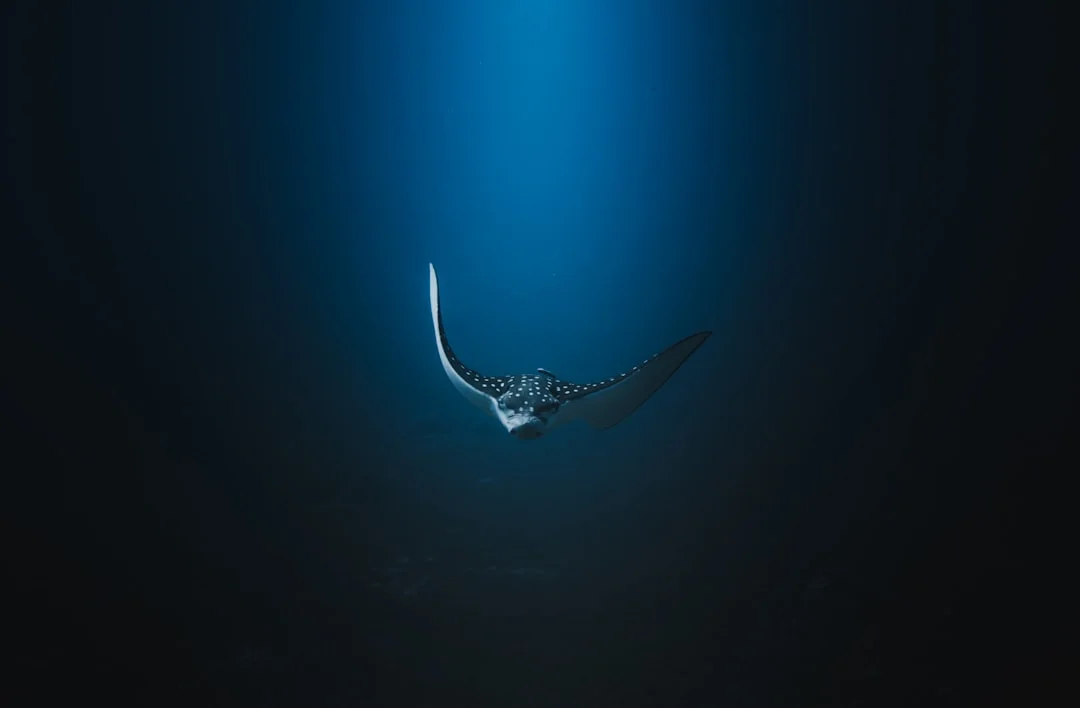
Spotted Eagle Ray

Spotted Eagle Ray

General species description, not specific to this destination

The spotted eagle ray is one of the most spectacular encounters in tropical waters worldwide. These graceful giants glide effortlessly through the water with their distinctive diamond-shaped bodies and long, whip-like tails. Their dark backs are adorned with white spots or rings, creating a beautiful pattern unique to each individual. Watch for their prominent head with a duck-like snout and large eyes positioned on top. They're often seen cruising near sandy bottoms or coral walls, occasionally stopping to dig in the sand for mollusks and crustaceans. Their fluid, bird-like swimming motion is mesmerizing as they 'fly' through the water column, sometimes in small groups.
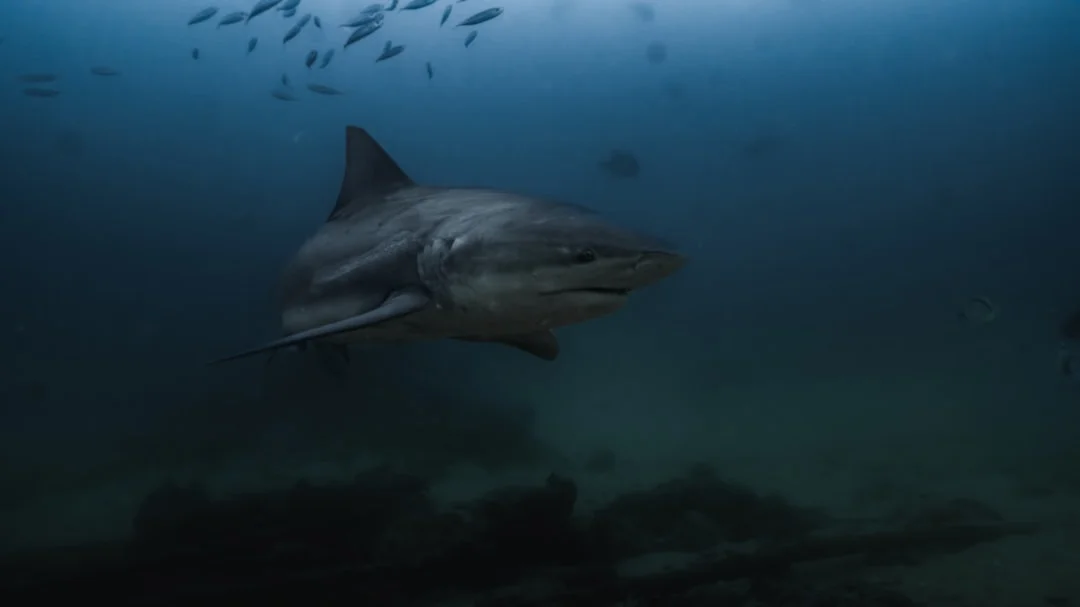
Bull Shark

Bull Shark

General species description, not specific to this destination

Bull sharks are one of the most impressive predators divers can encounter in warm coastal waters. These robust sharks are easily recognized by their broad, blunt snout, stocky build, and grey coloration with a white underside. Growing up to 11 feet long, they have a powerful, muscular appearance that commands respect underwater. Bull sharks are known for their curious nature and may approach divers, maintaining a confident but generally non-aggressive demeanor. They're often seen cruising along reef walls or in open water, sometimes in small groups. Their ability to tolerate both saltwater and freshwater makes them unique among sharks, and they're excellent hunters with a varied diet including fish, rays, and other marine life.
Great Hammerhead

General species description, not specific to this destination

The Great Hammerhead is the largest of all hammerhead species, instantly recognizable by its massive, flattened head extension called a cephalofoil. This prehistoric-looking predator can reach lengths of up to 20 feet, with a distinctive tall, sickle-shaped dorsal fin. Their unique head shape houses electroreceptors that help them hunt stingrays buried in sand. Great Hammerheads are solitary hunters, often seen cruising along reef walls and sandy bottoms. Despite their intimidating size, they're generally shy around divers and will often move away when approached. Their powerful swimming style and graceful movements make encounters truly memorable for fortunate divers.

Loggerhead Turtle

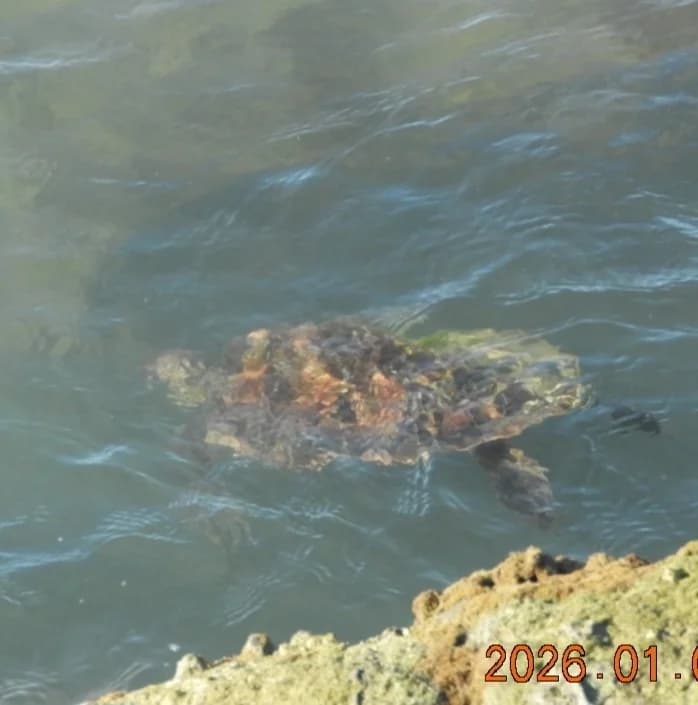
Loggerhead Turtle

General species description, not specific to this destination

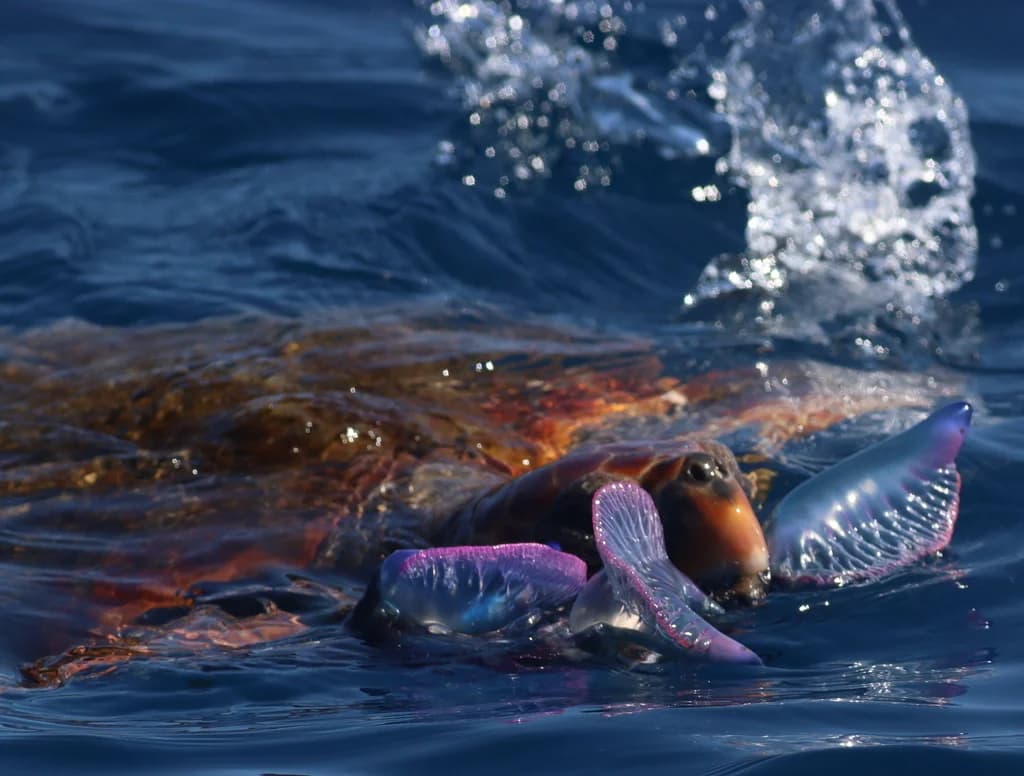
The Loggerhead Turtle is the largest hard-shelled sea turtle, named for its massive head. While less common than Green and Hawksbill turtles on Caribbean reefs, they can be spotted at deeper reef sites.

Hawksbill Turtle

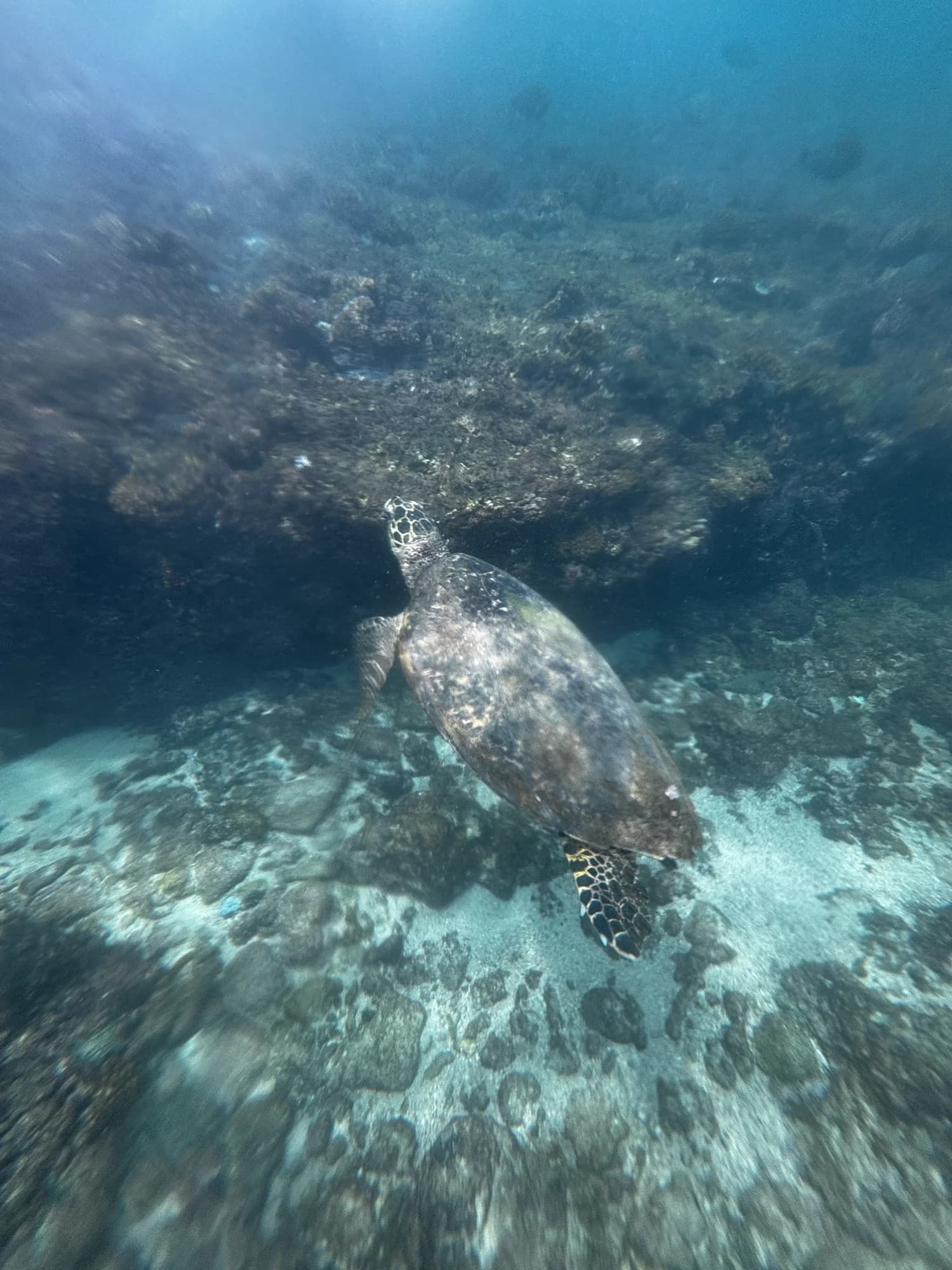
Hawksbill Turtle

Destination note

Year-round resident. Frequently seen on all reef sites, especially around coral bommies and sponge-rich areas. Nesting occurs on remote beaches, primarily Misool and Wayag islands.

Green Sea Turtle

Green Sea Turtle

Destination note

Year-round resident. Common on seagrass beds in protected bays and on shallow reef flats. Often seen resting under coral ledges between feeding sessions. Mayalibit Bay is a key juvenile habitat.

Atlantic Bottlenose Dolphin

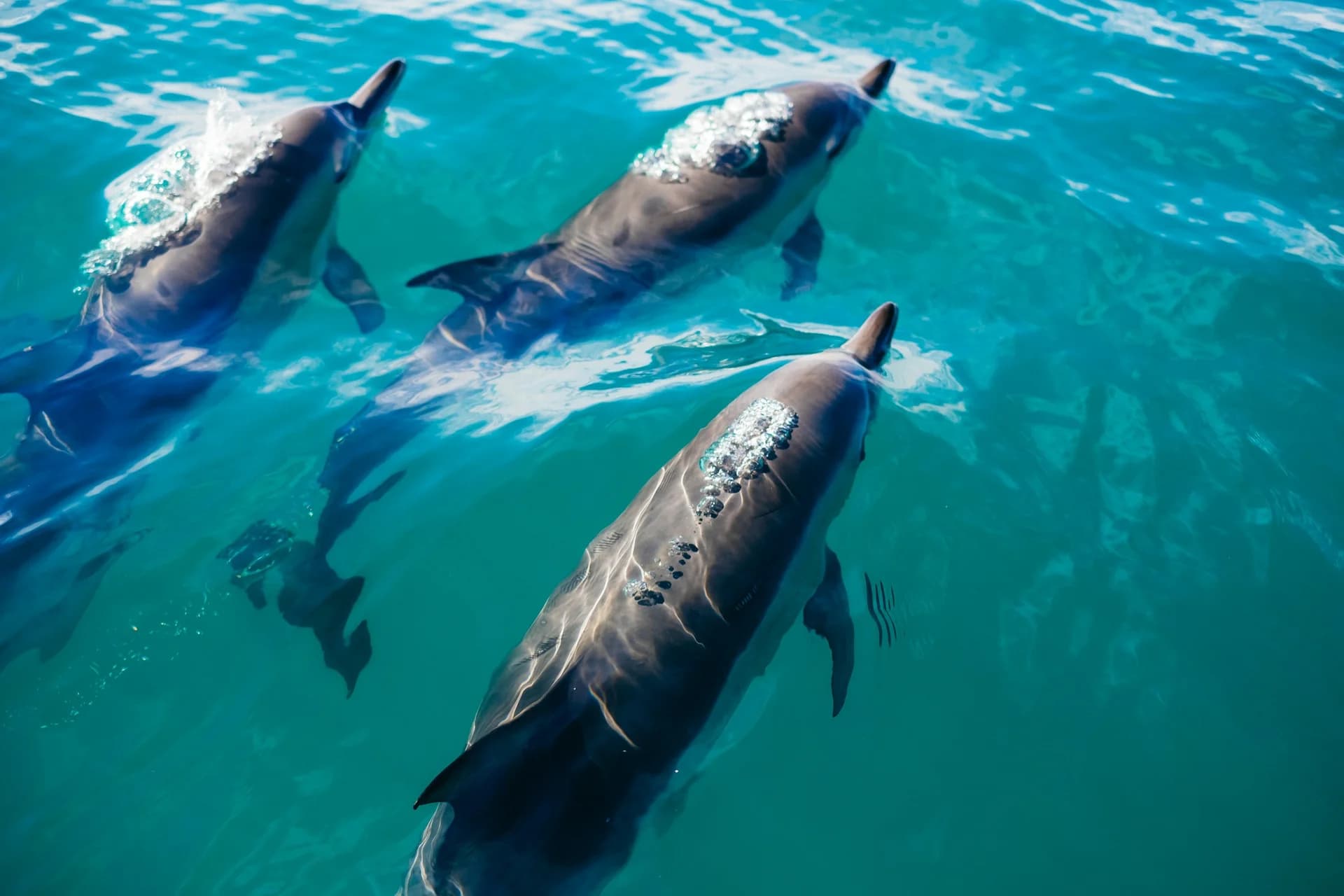
Atlantic Bottlenose Dolphin

Destination note

Year-round resident in the archipelago. Frequently sighted in Dampier Strait, often during surface intervals between dives. Pods of 10-30 individuals common. Also spotted in Mayalibit Bay and near Wayag.

Common Lionfish

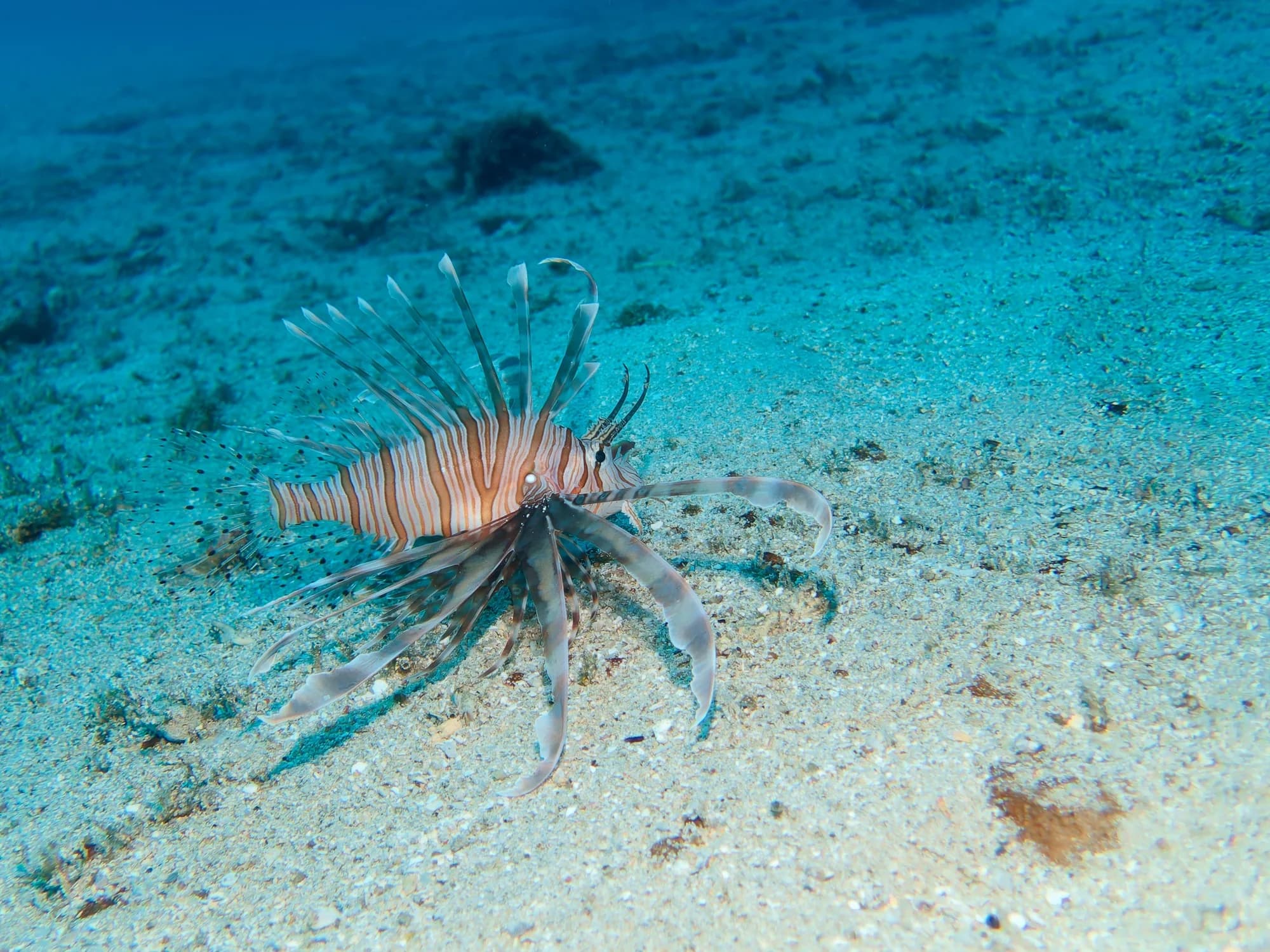
Common Lionfish

General species description, not specific to this destination

The stunning Common Lionfish is immediately recognizable by its dramatic fan-like pectoral fins and bold red, white, and brown stripes. These graceful predators glide slowly through the water with their venomous spines spread wide like a feathered headdress. Despite their beauty, lionfish are aggressive hunters that use their large mouths to vacuum up small fish and crustaceans. Originally from the Indo-Pacific, they've become established invaders in Caribbean waters. Divers often spot them hovering near coral formations or rocky overhangs during the day, moving with deliberate, almost theatrical movements. Their confidence underwater is striking – they rarely flee from approaching divers, making them excellent photography subjects when observed from a respectful distance.

Great Barracuda

Great Barracuda

General species description, not specific to this destination

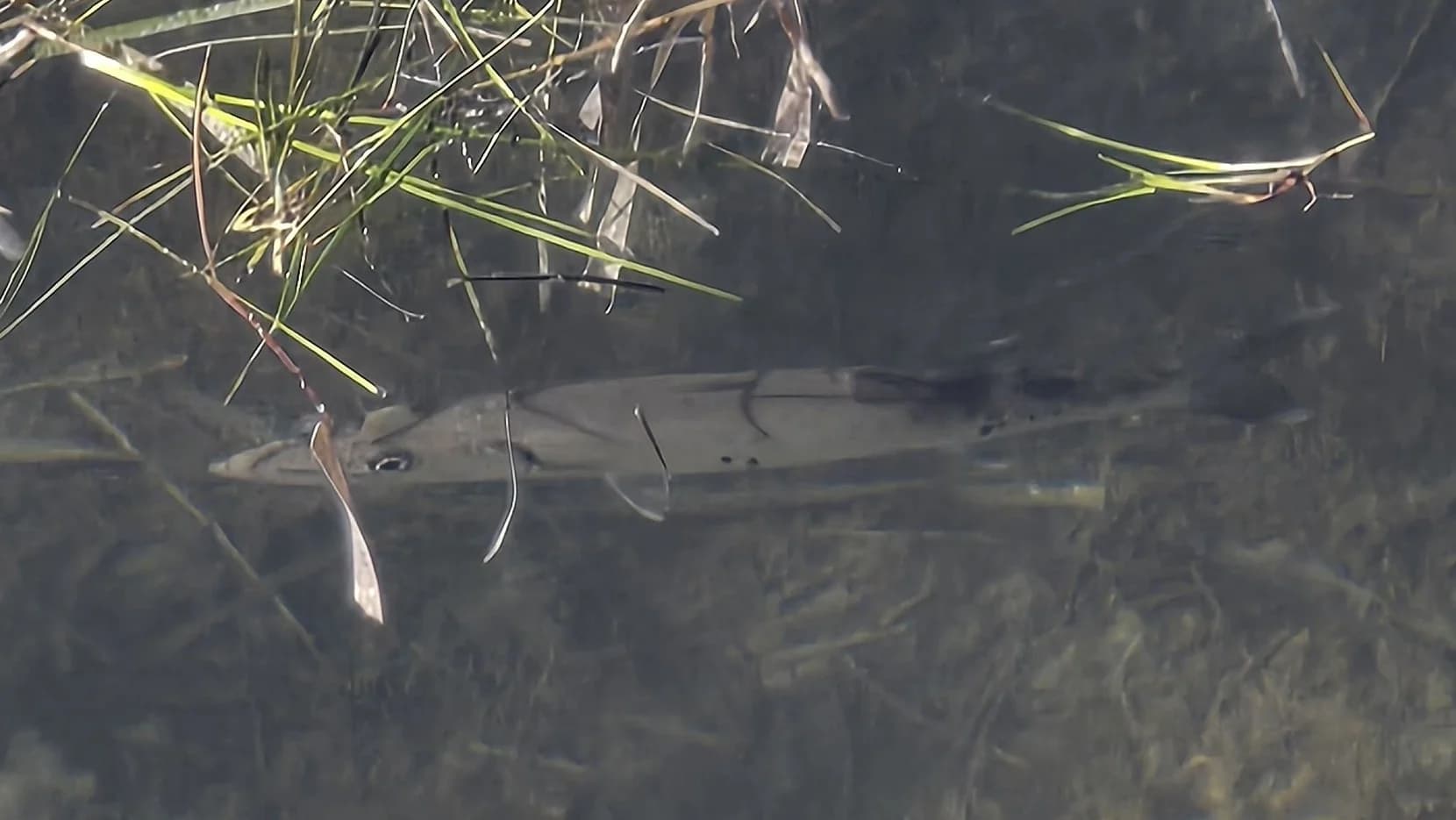
The Great Barracuda is an impressive predator with a streamlined body and powerful jaws filled with razor-sharp teeth. They can grow over 6 feet long and often hover motionless near the reef, curious about divers.

dugong

dugong

General species description, not specific to this destination

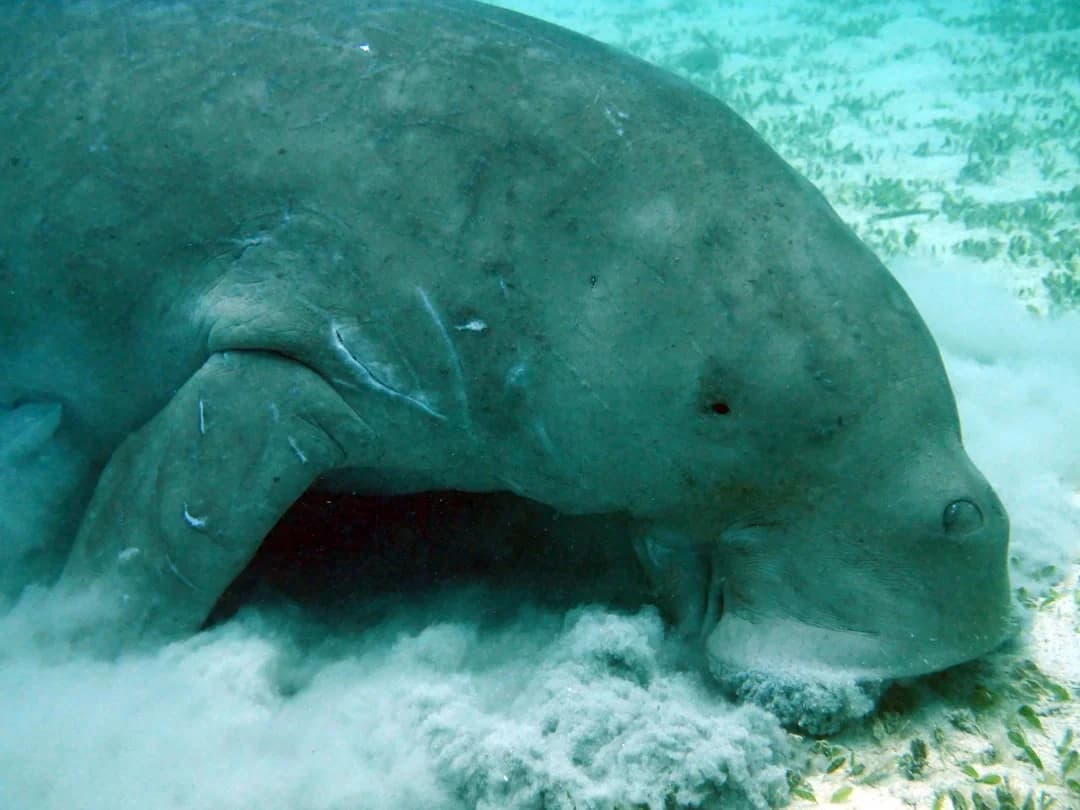
Dugongs are gentle, grey-brown marine mammals, often referred to as 'sea cows' due to their herbivorous diet. Divers encountering a dugong will marvel at their large, streamlined body, distinctively broad, bristly snout used for foraging, and a powerful, fluke-like tail similar to dolphins, distinguishing them from manatees. Their paddle-like front flippers aid in slow, graceful movement through shallow coastal waters. They spend their days slowly grazing on seagrass beds, often leaving distinctive feeding trails. Observing a dugong is a truly serene experience, as they are shy creatures that typically avoid close human interaction, preferring to quietly munch on their underwater pastures. Keep a respectful distance to witness these peaceful giants in their natural habitat.

Pennantfish

Pennantfish

General species description, not specific to this destination

The Pennantfish, also known as the Schooling Bannerfish, is a captivating sight for divers. Easily identified by its striking black and white vertical bands and the exceptionally long, flowing white ray extending from its dorsal fin, resembling a pennant or banner. These elegant fish typically cruise in mid-water just above coral reefs or along drop-offs, gracefully moving as a synchronized unit. Keep an eye out for them feeding on zooplankton, darting in and out of the current. While they share a superficial resemblance to the Moorish Idol, their schooling behavior and more pointed snout are key differentiators. Observing a large school of Pennantfish shimmering in the blue is a truly mesmerizing underwater experience, a true highlight of many dives.

Black-blotched Stingray

General species description, not specific to this destination

A large stingray with a nearly circular disc reaching up to 1.8 meters in width. Dorsal surface is grey to brown with irregular black blotches and spots, unique to each individual. Ventral surface is white. Tail is thick and shorter than the disc length, with a prominent ventral fin fold and one or two serrated spines.

+99more species in the app

Dive Shops (33)

Batanta Diving Homestay

★ 4.5Moderate
Website ↗

Papua Diving

★ 4.5Moderate
Website ↗

Soul Scuba Divers

★ 4.8Moderate
Website ↗

Scuba Republic - Raja Ampat

★ 4.7Moderate
Website ↗

Corepen Dive Homestay

★ 4.9Moderate
Website ↗

Raja Ampat Dive Resort

★ 4.6Moderate
Website ↗

Meridian Adventure Scuba Dive Resort & Marina

★ 4.5Moderate
Website ↗

Tarzan-Diving

★ 4.9Moderate
Website ↗

Nyande Raja Ampat Dive Resort

★ 4.8Moderate
Website ↗

Waiwo Dive Resort

★ 4.4Moderate
Website ↗

Yenkoranu Dive Homestay

★ 4.3Moderate

Raja Ampat Dive Lodge

★ 4.5Moderate
Website ↗

Arborek Homestay and Diving Center

★ 4.5Moderate
Website ↗

Olin Dive Center Raja Ampat

★ 4.8Moderate
Website ↗

Tabari Dive Lodge

★ 4.9Moderate
Website ↗

Raja Ampat Dive Experience

★ 5Moderate
Website ↗

Dive and Stay Raja Ampat

★ 4.3Moderate

Raja Ampat Biodiversity Nature Resort

★ 4.7Moderate
Website ↗

Andau Dive Resort Raja Ampat

★ 4.5Moderate
Website ↗

Arborek Dive Shop

★ 4.6Moderate
Website ↗

Kri Eco Resort - Papua Diving

★ 4.5Moderate
Website ↗

AFU DIVE RESORT

★ 4.3Moderate

Coriana Dive Resort

★ 4.4Moderate
Website ↗

Dragonet Divers Raja Ampat

★ 4.8Moderate
Website ↗

Corepen Dive Center

★ 4.9Moderate
Website ↗

Warahnus Dive Homestay

★ 4.5Moderate
Website ↗

Raja4Divers

★ 4.9Moderate
Website ↗

Dayan Dive Homestay Raja Ampat

★ 4.5Moderate
Website ↗

Zanclus Dive Center Raja Ampat

★ 4.7Moderate
Website ↗

Indos dive homestay

★ 4.2Moderate
Website ↗

Rajaampat Dive Trips

★ 5Moderate
Website ↗

Turtle Divers Raja Ampat

★ 4.8Moderate
Website ↗

Papua Explorers Dive Resort

★ 4.9Moderate
Website ↗

Guides

Safety

Hospital

Waisai General Hospital (RSUD Raja Ampat)

+62-951-315-5000

Emergency

DAN Emergency Hotline

+1-919-684-9111

Coast guard

BASARNAS Sorong (National SAR Agency)

+62-951-321-500

Police

Polairud (Water Police)

+62-951-324-300

Hyperbaric chamber

No verified recompression chamber on record.

Contact DAN: +1 919 684 9111

Bring Raja Ampat underwater

Offline access, dive log, AI fish ID, live site maps, and trip planning.

Download on the App Store