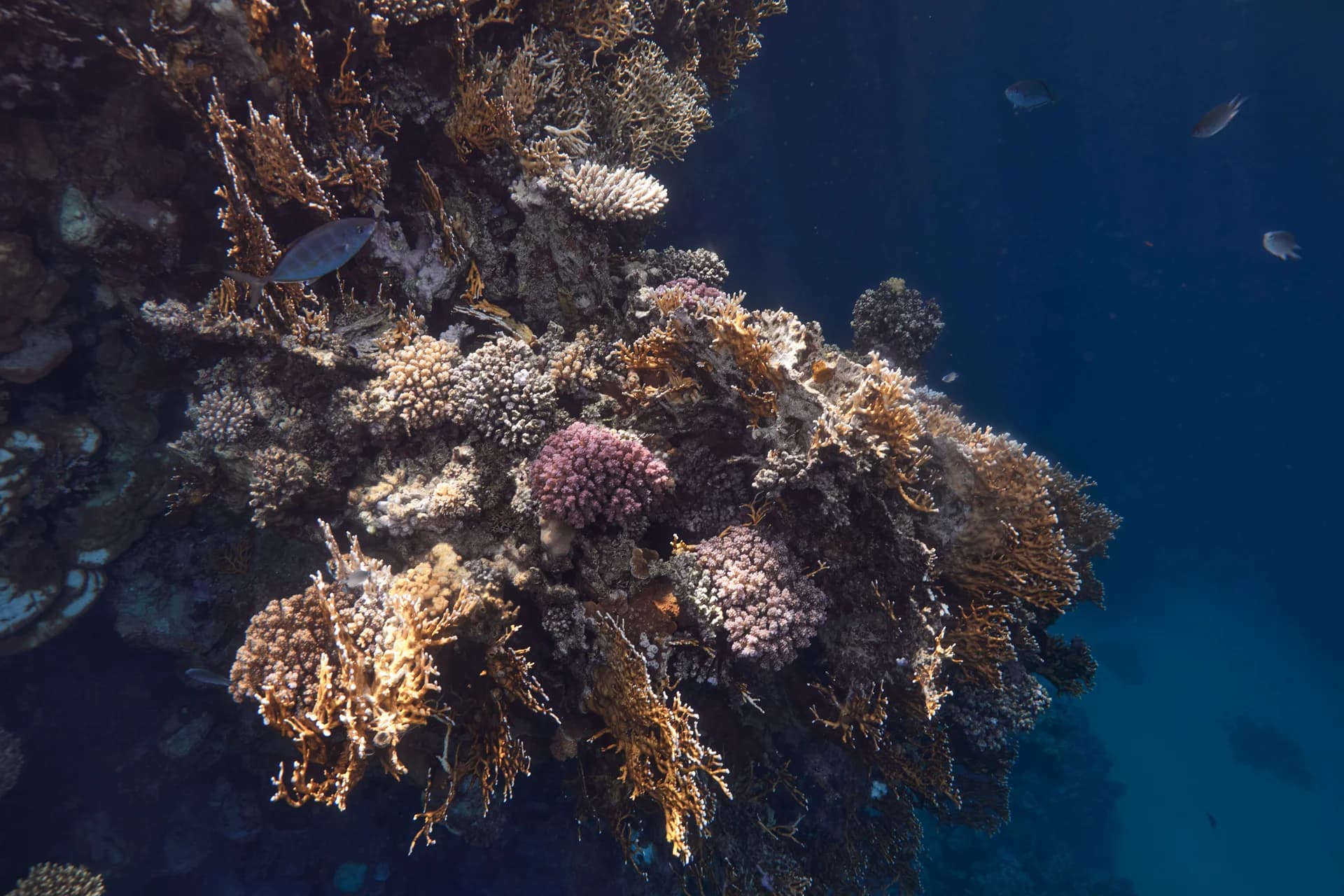
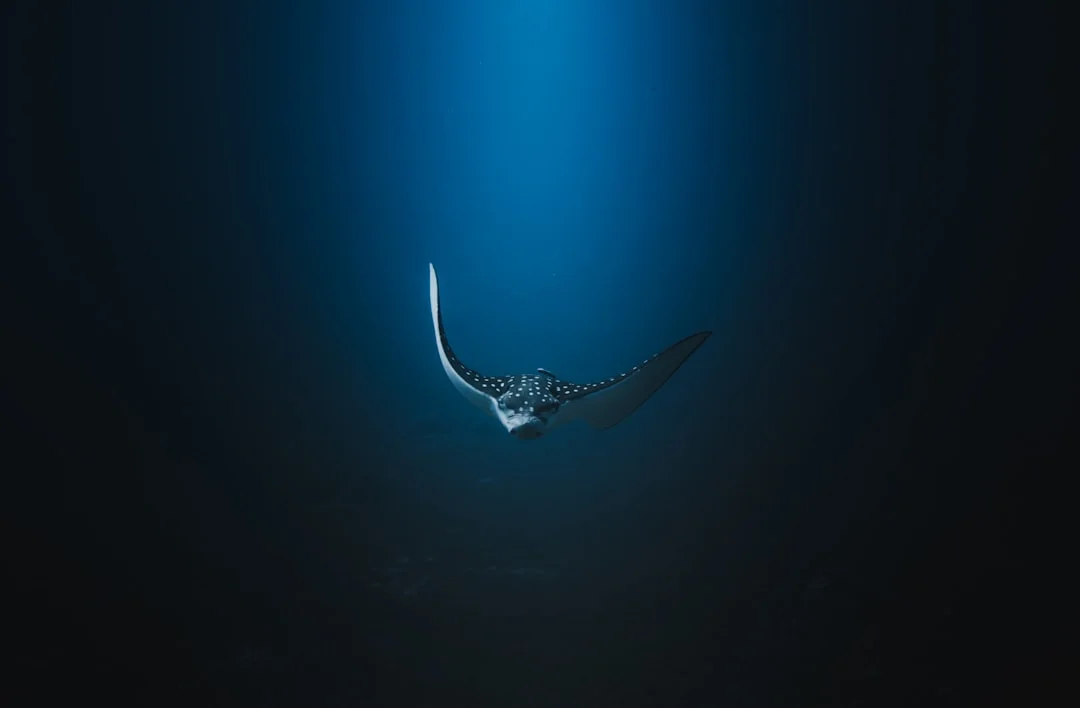
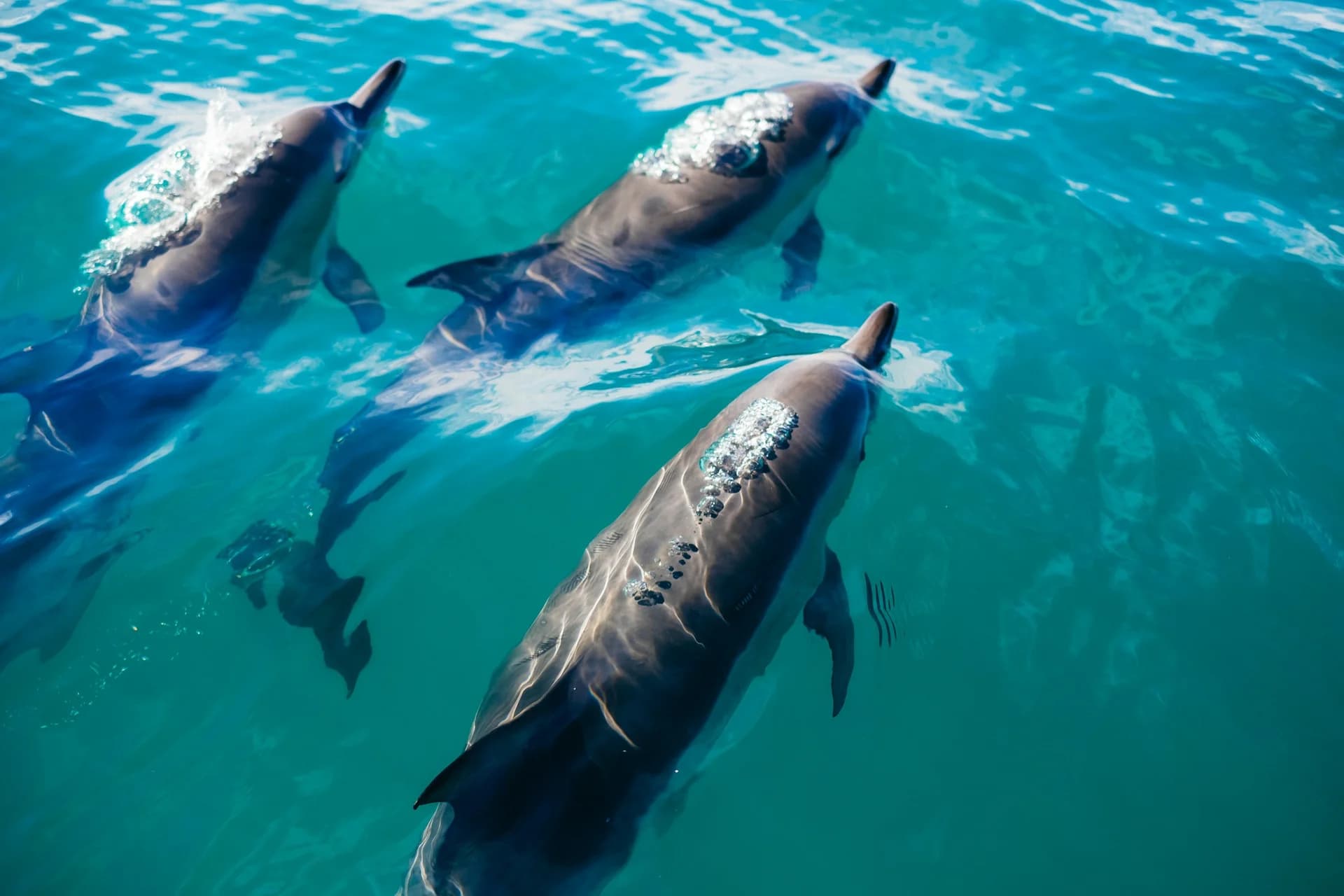
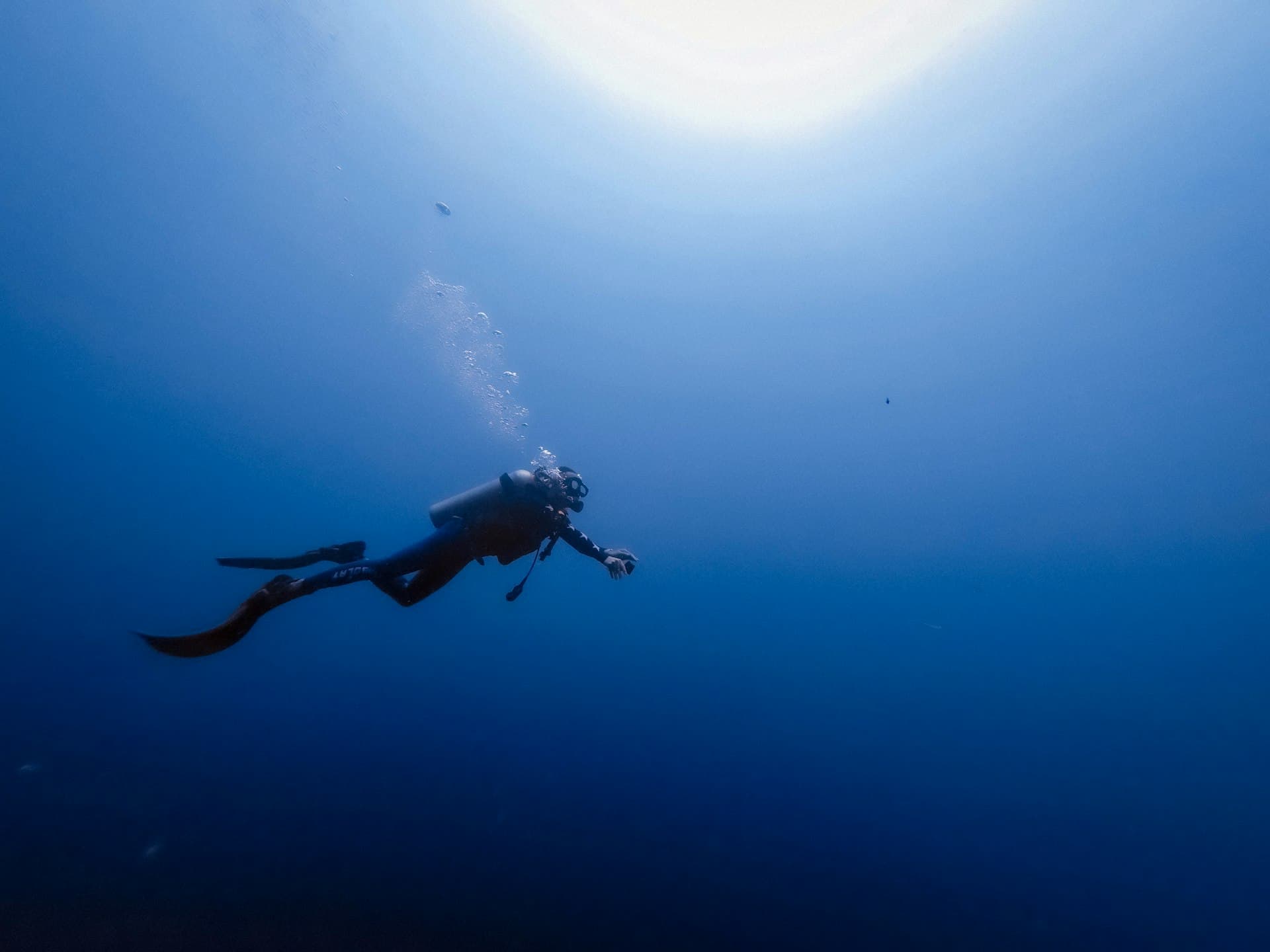
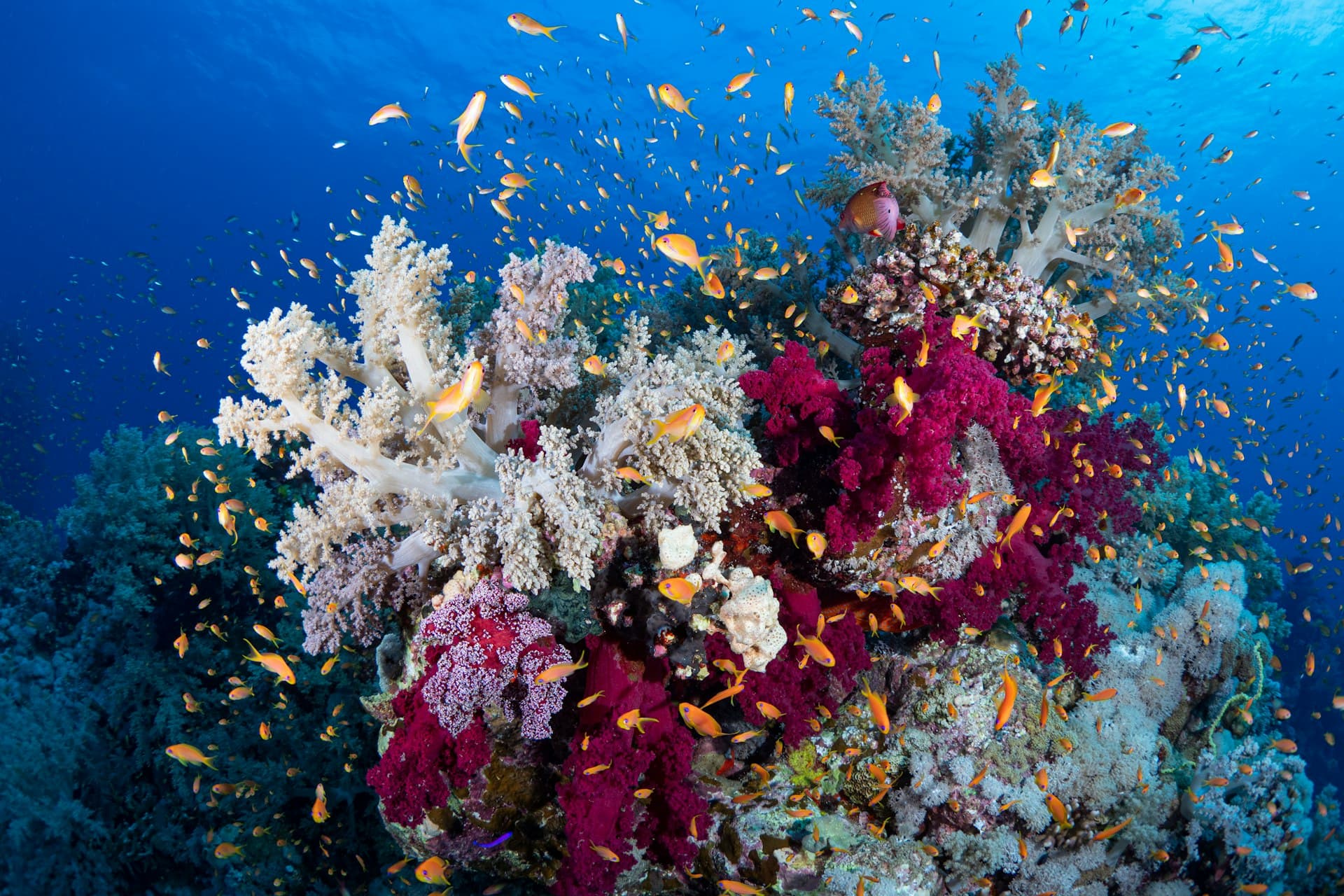
Marsa Alam is Egypt's premier southern Red Sea diving destination — a 200 km stretch of pristine fringing reefs, offshore pinnacles, and protected marine parks far from the crowds of Sharm El Sheikh and Hurghada. Once a quiet fishing village, it transformed into a world-class dive hub after its international airport opened in 2003. The region's crown jewel is Elphinstone Reef, an offshore pinnacle 11 km from shore where oceanic whitetip sharks (Oct-Dec) and scalloped hammerheads (May-Aug) patrol walls that plunge beyond 200 meters. Abu Dabbab Bay offers one of the rare places on Earth to reliably dive with dugongs — only seven individuals inhabit the entire Egyptian Red Sea coast. Shaab Samadai (Dolphin House) hosts a resident pod of spinner dolphins inside a protected horseshoe lagoon. The Fury Shoals area south of Wadi Lahami offers over 30 pristine offshore reefs with coral gardens, wrecks, and pelagic action. With year-round diving, water temperatures from 22-30°C, visibility reaching 60 meters offshore, and shore-accessible sites that rival any boat dive, Marsa Alam delivers the full Red Sea experience at every skill level — from beginner seagrass bays to advanced-only drift walls.
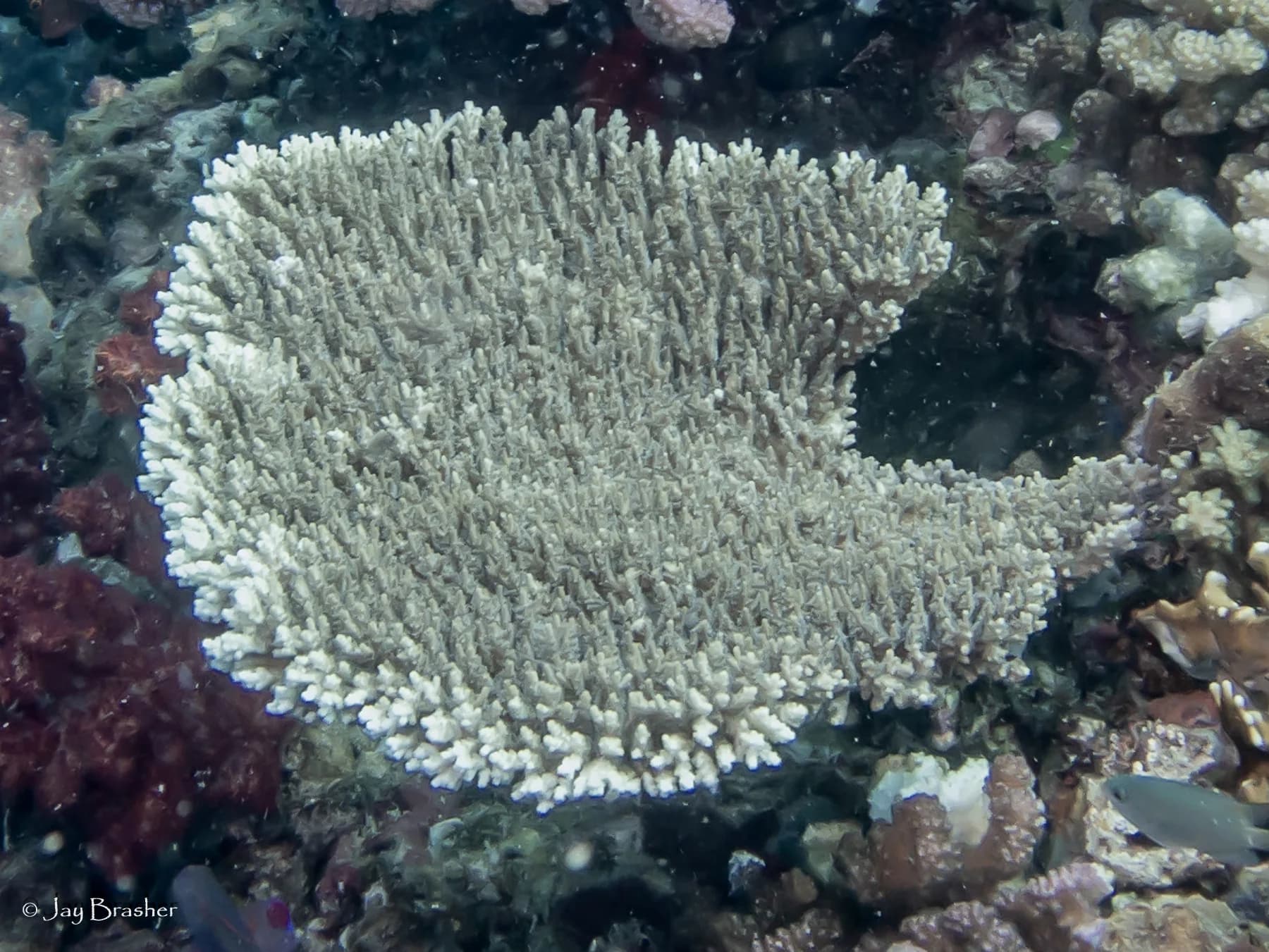
Marsa Alam is one of the only places in Egypt where you can reliably see dugongs — only 7 known individuals inhabit the entire Egyptian Red Sea coast, and several are semi-resident at Abu Dabbab.Elphinstone Reef is one of the few sites globally where oceanic whitetip shark encounters are reliable — peak season runs October to December when these pelagic sharks aggregate at the offshore pinnacle.Red Sea corals at Marsa Alam show exceptional thermal resilience, surviving water temperatures 4-6°C above normal bleaching thresholds — making this one of the most climate-resilient reef systems on Earth.Marsa Alam's name means 'Anchorage Mountain' in Arabic — the town was a tiny fishing village until its international airport opened in 2003 and transformed it into a diving destination.Port Ghalib is one of the largest man-made marinas in the Red Sea with a capacity of 1,050 yachts — it serves as the primary liveaboard departure point for southern Red Sea itineraries including the Brothers and Daedalus.The 'Great Fringing Reef' of the Egyptian Red Sea — covering the entire southern Red Sea reef system — was declared a marine protected area in December 2025, adding a new layer of conservation protection to Marsa Alam's reefs.Marsa Alam receives approximately 3,958 hours of sunshine per year — among the sunniest places on Earth — with an average annual rainfall of just 5 mm.Shaab Samadai (Dolphin House) is a government-protected marine park where rangers enforce strict distance rules for spinner dolphin encounters — permits are required and included in dive operator fees.The Baro Medical decompression chamber at Marsa Shagra Village is one of the best-equipped hyperbaric facilities in the Red Sea, with specialized doctors operating 24/7 — it serves the entire southern Red Sea diving region.Wadi El Gemal National Park covers 7,450 km² — including 60 km of Red Sea coastline, islands, coral reefs, mangroves, and the ancient Roman emerald mines that gave the region its gemstone heritage.
Bring Marsa Alam underwater
Offline access, dive log, AI fish ID, live site maps, and trip planning.
Download on the App Store