Malpelo Island

Colombia

Diving in Malpelo Island

15 sites160 species24–30 °C10–30 m vis

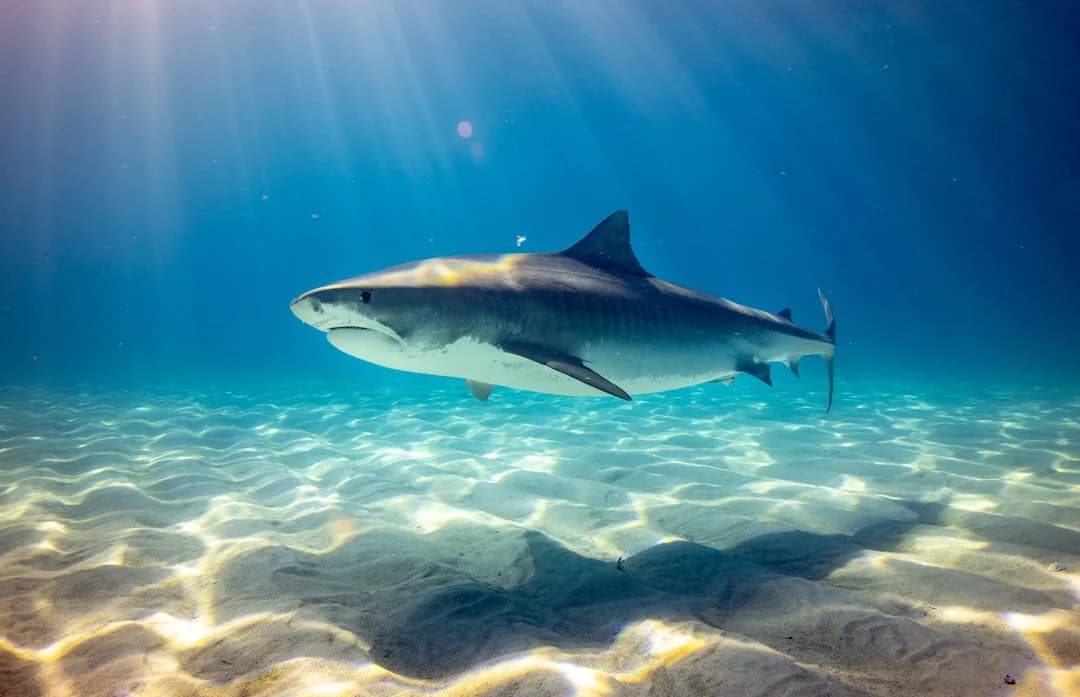
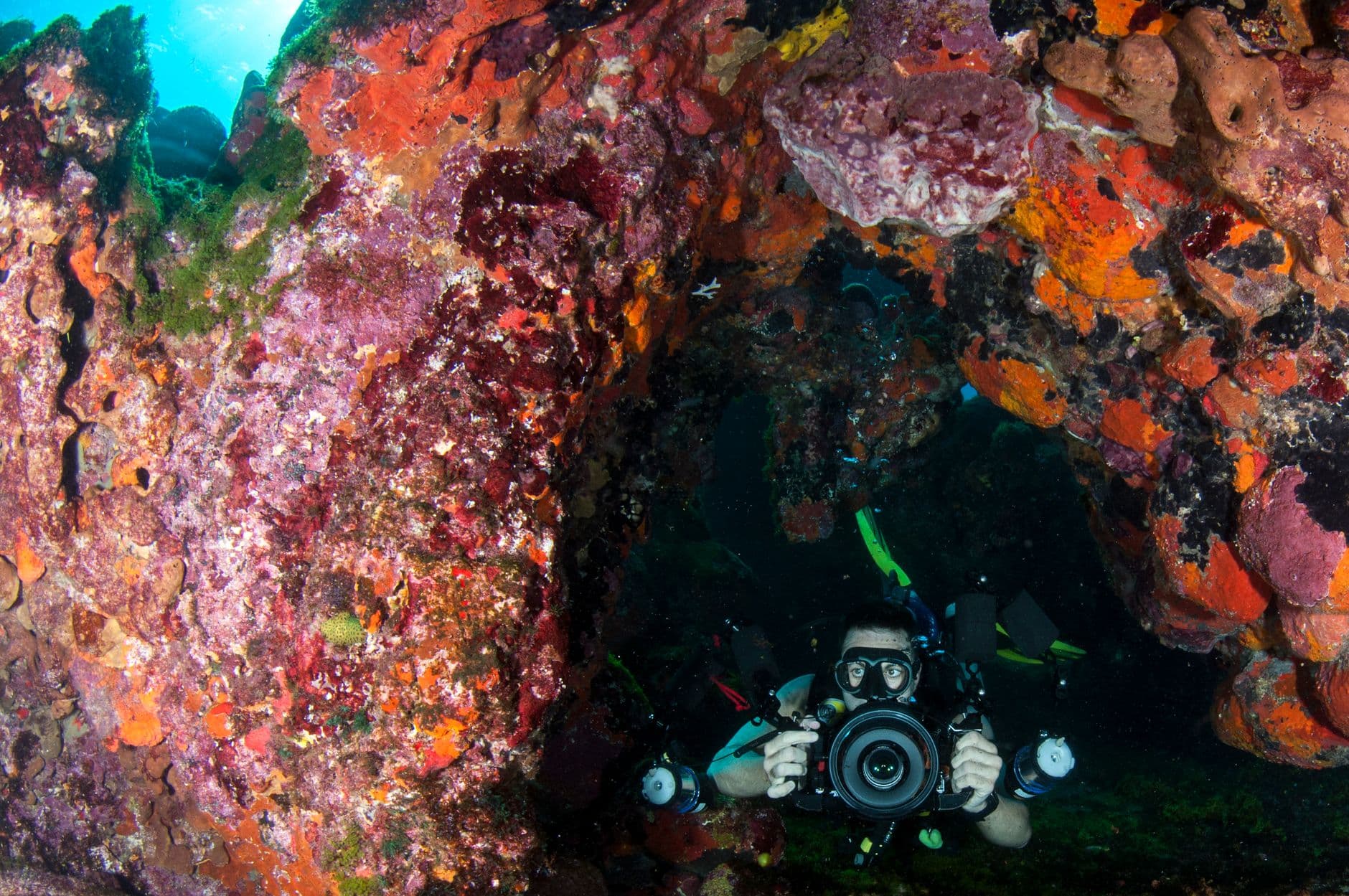
Photo by John Cahil Rom on Pexels

Malpelo Island is a remote volcanic rock 500 km off Colombia's Pacific coast, designated a UNESCO World Heritage Site and one of the world's premier shark diving destinations. This uninhabited island rises from abyssal depths, surrounded by waters that host one of the highest densities of scalloped hammerhead sharks on Earth — schools of 300-500+ individuals at the legendary El Bajo del Monstruo pinnacle. Accessible only by liveaboard (24-36 hour crossing from Buenaventura), Malpelo offers advanced divers encounters with over 17 shark species including the rare smalltooth sand tiger shark, giant manta rays, and whale sharks.

Scalloped hammerhead schools at El Bajo del Monstruo can number 300-500+ individuals — among the highest densities on EarthMalpelo is one of the only places in the world where you can reliably see the smalltooth sand tiger shark (Odontaspis ferox) aliveThe sanctuary protects over 200 species of fish, 17 species of sharks, and 5 species of rays across 857,500 hectaresMalpelo is 500 km from the nearest land — one of the most remote dive destinations on EarthThe island is the only outcropping of the Malpelo Ridge, a 300 km volcanic submarine mountain range dating 16-17 million yearsSoundings of 9,100 m exist within a few kilometers of shore — among the deepest water so close to land anywhere60,000-110,000 pairs of Nazca boobies nest on Malpelo — one of the largest colonies in the worldThe Colombian military maintains the only permanent human presence on the island via a rotating outpostThe no-fishing zone covers 857,500 hectares — larger than Yellowstone National ParkIn 2018, the sanctuary's boundaries were significantly expanded as part of the Eastern Tropical Pacific Marine Corridor

Explore the map

Select a pin to learn more. Use the zoom buttons or pinch to zoom.

Loading map…

Places on this map (15)
  • Enriched
  • Enriched
  • Enriched
  • Enriched
  • Enriched
  • Enriched
  • Enriched
  • Enriched
  • Enriched
  • Enriched
  • Enriched
  • Enriched
  • Enriched
  • Enriched
  • Enriched

Conditions

Water temp

24–30 °C

Visibility

10–30 m

Depth

5–50 m

Current

Strong

Best season

Peak season January to April — calmest seas, best visibility, maximum shark activity. Transition months May and December are also good. June-November brings plankton blooms and stronger swells but also whale shark sightings.

MonthSummary
JanPeak season — calm seas, best visibility, peak hammerhead aggregations
FebPeak season — clearest water, large hammerhead schools. Best month overall
MarPeak season — thermocline at 20-25m, excellent shark activity
AprPeak season continues — still great visibility and shark action
MayTransition month — plankton begins, visibility drops slightly. Still good shark activity
JunWet season begins — more plankton, lower visibility, stronger swells. Whale sharks possible
JulWet season — strong swells, plankton blooms reduce visibility. Shark activity still good
AugVariable conditions — can have good days between swells
SepWindy, rougher seas — strongest currents. Not recommended for first-timers
OctWet season peak — lowest visibility, strongest swells
NovImproving conditions — transition back to dry season
DecSeason returns — visibility improving, hammerhead schools returning

Dive Sites (15)

El Aerolito

12–30m · Intermediate

Macro life · Nudibranchs

Granite boulders

El Arrecife

5–40m · Intermediate

Swim-throughs · Reef sharks

Reef wall

El Bajo de Virginia

20–50m · Advanced

Offshore seamount · Hammerhead sharks · Silky sharks

El Bajo del Monstruo

18–50m · Advanced

Hammerhead sharks · Galapagos sharks · Silky sharks

El Bajón

10–50m · Advanced

Vertical wall · Hammerhead sharks · Red-lipped batfish

El Freezer

15–50m · Advanced

Thermocline · Whale sharks · Galapagos sharks

El Mirador

12–25m · Intermediate

Gorgonians

Shallow plateau · Table corals

La Catedral

15–35m · Intermediate

Rock buttresses · Canyons · Whitetip reef sharks

+7more sites in the appGet the app →

Regional species catalogue (160)

Species recorded in this destination's wider regional catalogue. A species being listed here does not mean it is seen at this destination — check the note on each card.

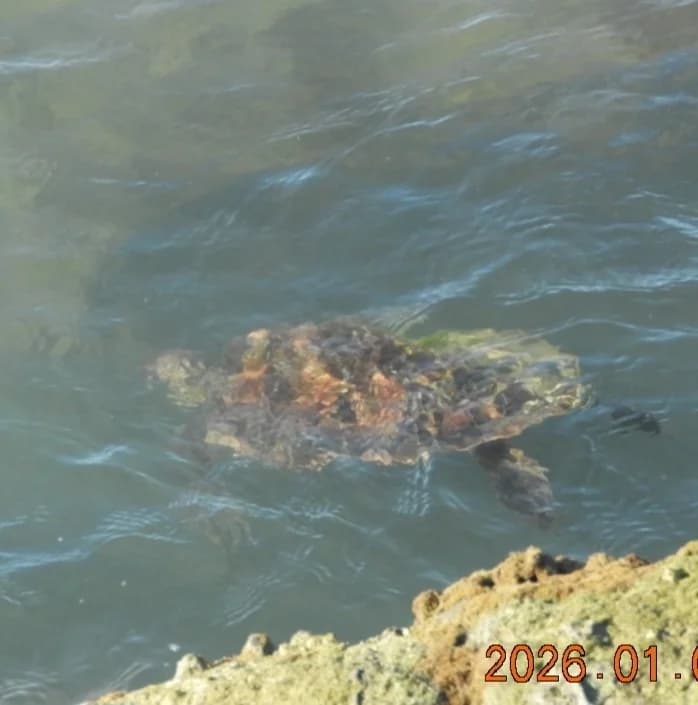
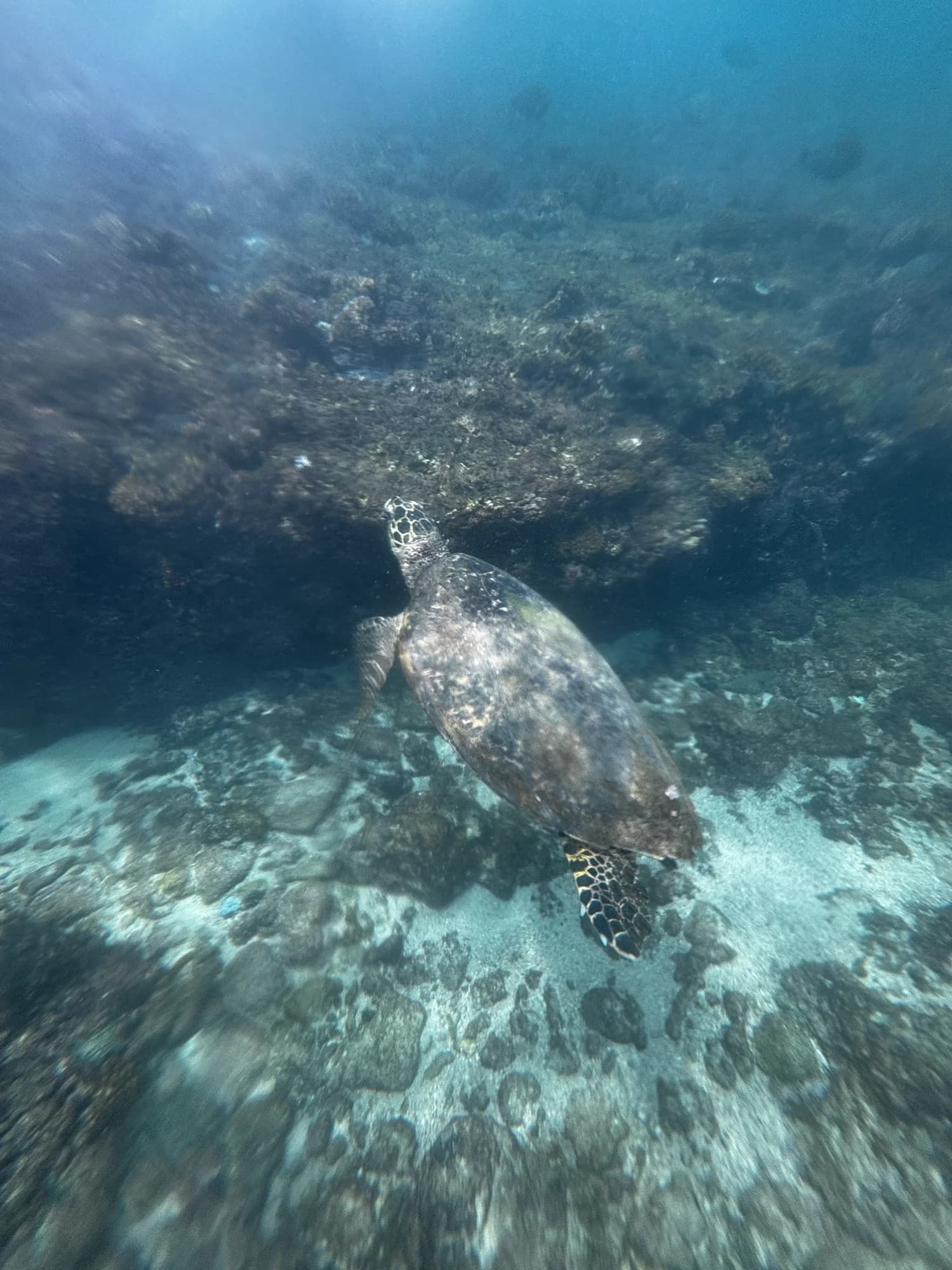
Loggerhead Turtle

Loggerhead Turtle

General species description, not specific to this destination

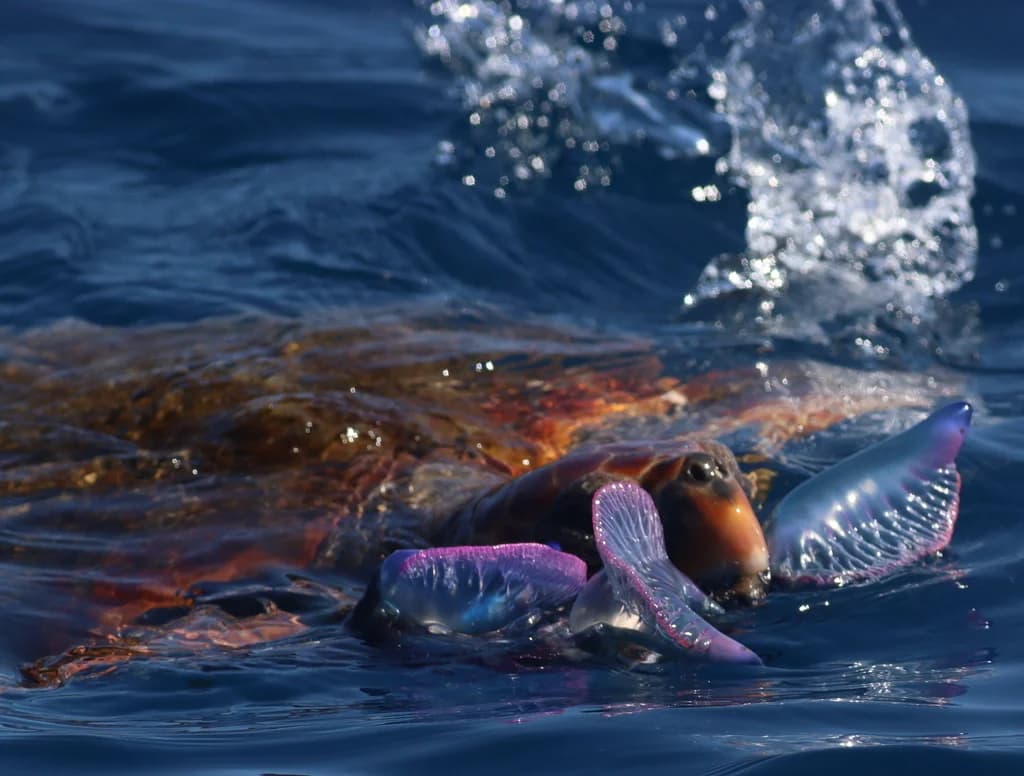
The Loggerhead Turtle is the largest hard-shelled sea turtle, named for its massive head. While less common than Green and Hawksbill turtles on Caribbean reefs, they can be spotted at deeper reef sites.

Great Hammerhead

General species description, not specific to this destination

The Great Hammerhead is the largest of all hammerhead species, instantly recognizable by its massive, flattened head extension called a cephalofoil. This prehistoric-looking predator can reach lengths of up to 20 feet, with a distinctive tall, sickle-shaped dorsal fin. Their unique head shape houses electroreceptors that help them hunt stingrays buried in sand. Great Hammerheads are solitary hunters, often seen cruising along reef walls and sandy bottoms. Despite their intimidating size, they're generally shy around divers and will often move away when approached. Their powerful swimming style and graceful movements make encounters truly memorable for fortunate divers.

Pacific Eagle Ray

Pacific Eagle Ray

Destination note

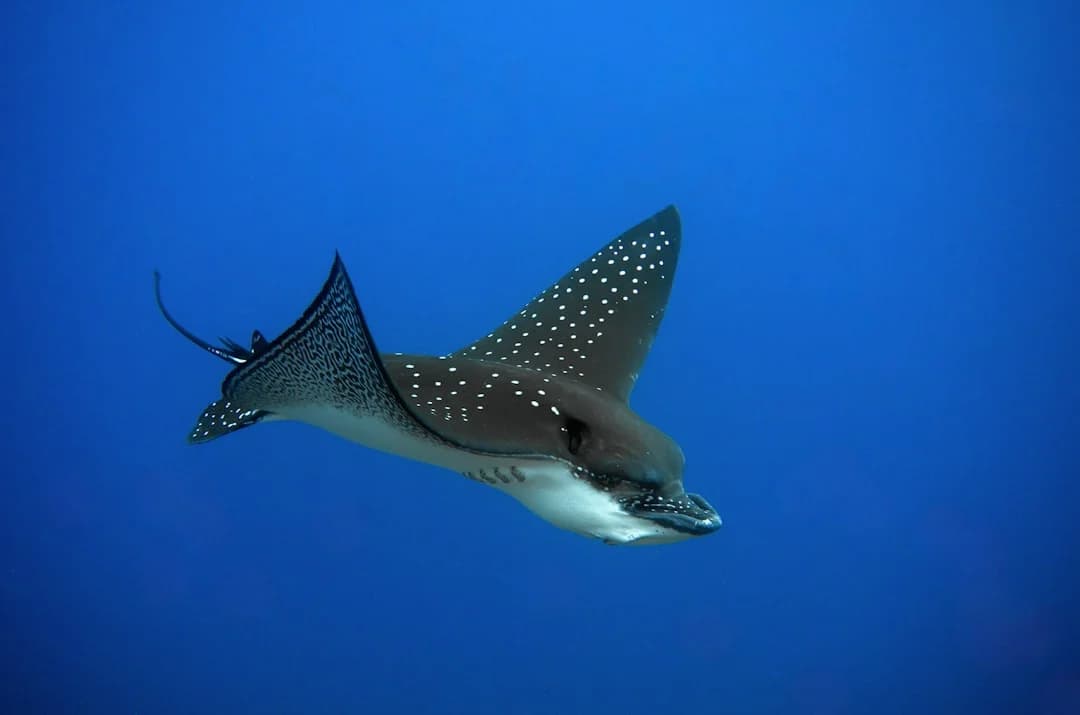
Year-round resident. Most common in open water near La Nevera and El Bajo. Often seen in groups of 3–8. Frequently observed during surface intervals and at cleaning stations.

Spotted Eagle Ray

Spotted Eagle Ray

Destination note

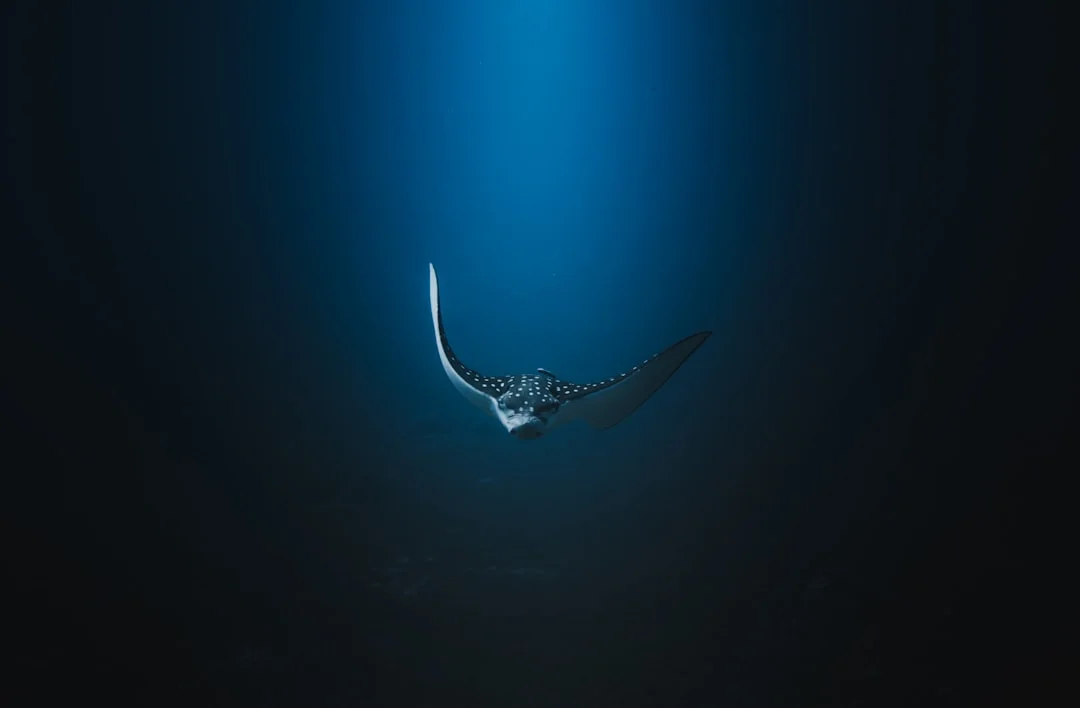
Year-round resident. Most common in open water near La Nevera and El Bajo. Often seen in groups of 3–8. Frequently observed during surface intervals and at cleaning stations.

Dusky Shark

Dusky Shark

Destination note

Seasonal visitor most common during wet season (Jun–Oct) at deep walls. Usually solitary. Seen more frequently on offshore pinnacles during strong current conditions.

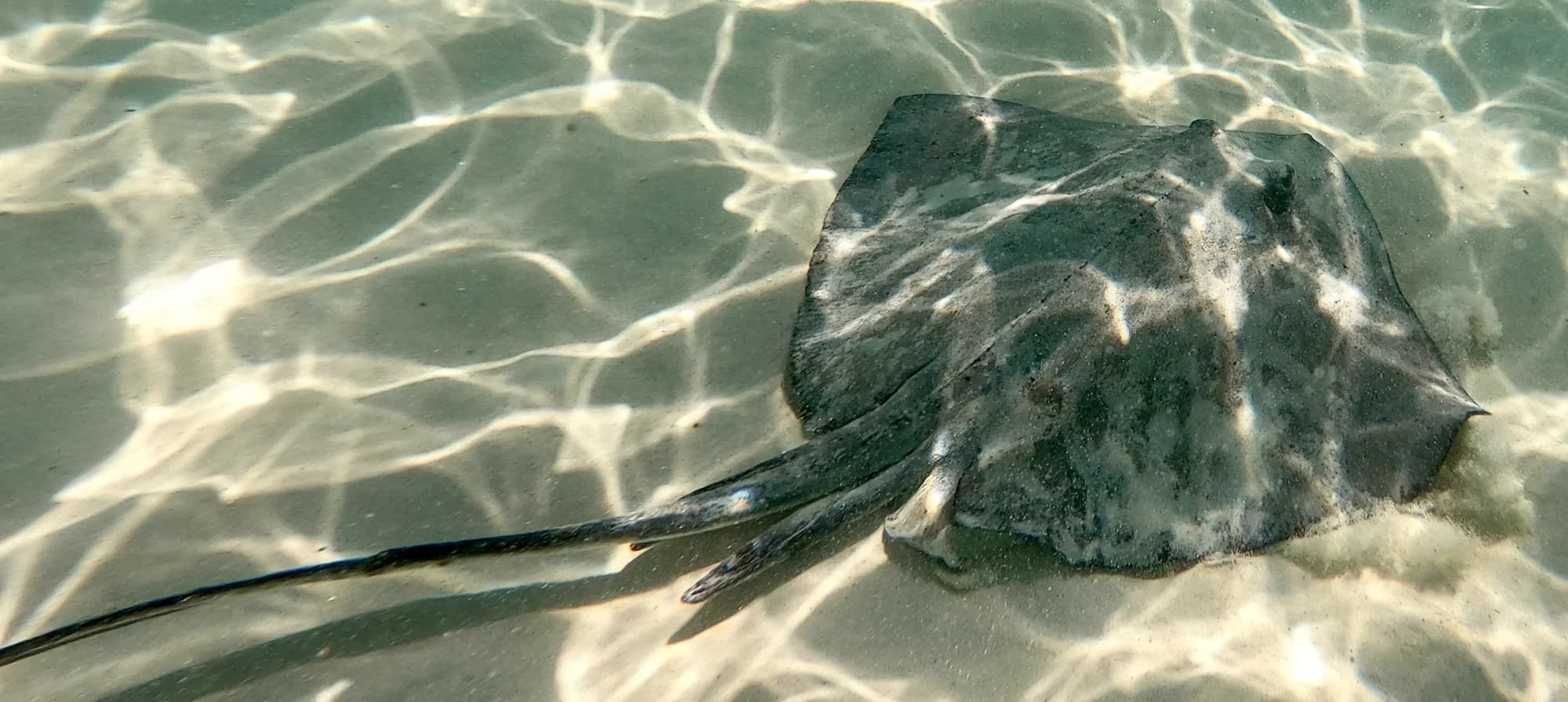
Southern Stingray

Southern Stingray

Destination note

Year-round resident. Found on sandy bottoms and rubble patches at 15–35m. Most common at sites with sandy terraces near La Gringa and the eastern wall.

Green Sea Turtle

Green Sea Turtle

Destination note

Year-round resident. Most common around kelp and algae beds on the leeward side of the island. Often seen resting or grazing on the shallow rocky platforms at 5–15m.

Pacific Creolefish

Pacific Creolefish

Destination note

Ubiquitous year-round at every dive site. Massive schools in the water column at 10–30m. Most dense at La Nevera and the northern pinnacles where current flow is strongest.

Hawksbill Turtle

Hawksbill Turtle

Destination note

Year-round resident. Most common on the coral and sponge-rich walls of the eastern side and near cleaning stations. Often seen in pairs.

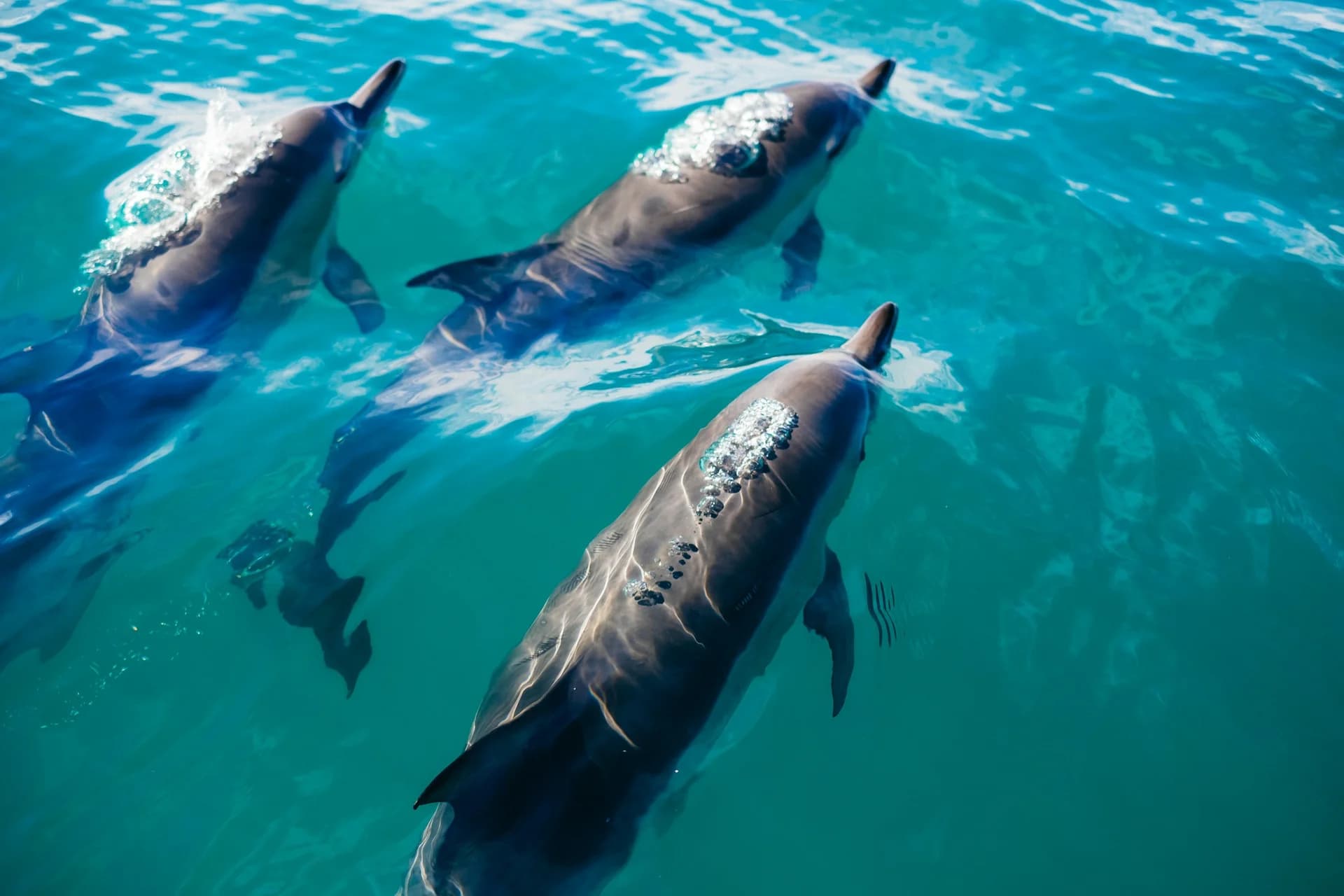
Atlantic Bottlenose Dolphin

Atlantic Bottlenose Dolphin

Destination note

Year-round resident. Frequently seen during surface intervals and boat crossings. Often approaches boats. Pods of 10–30 individuals common. Most active during calm sea conditions.

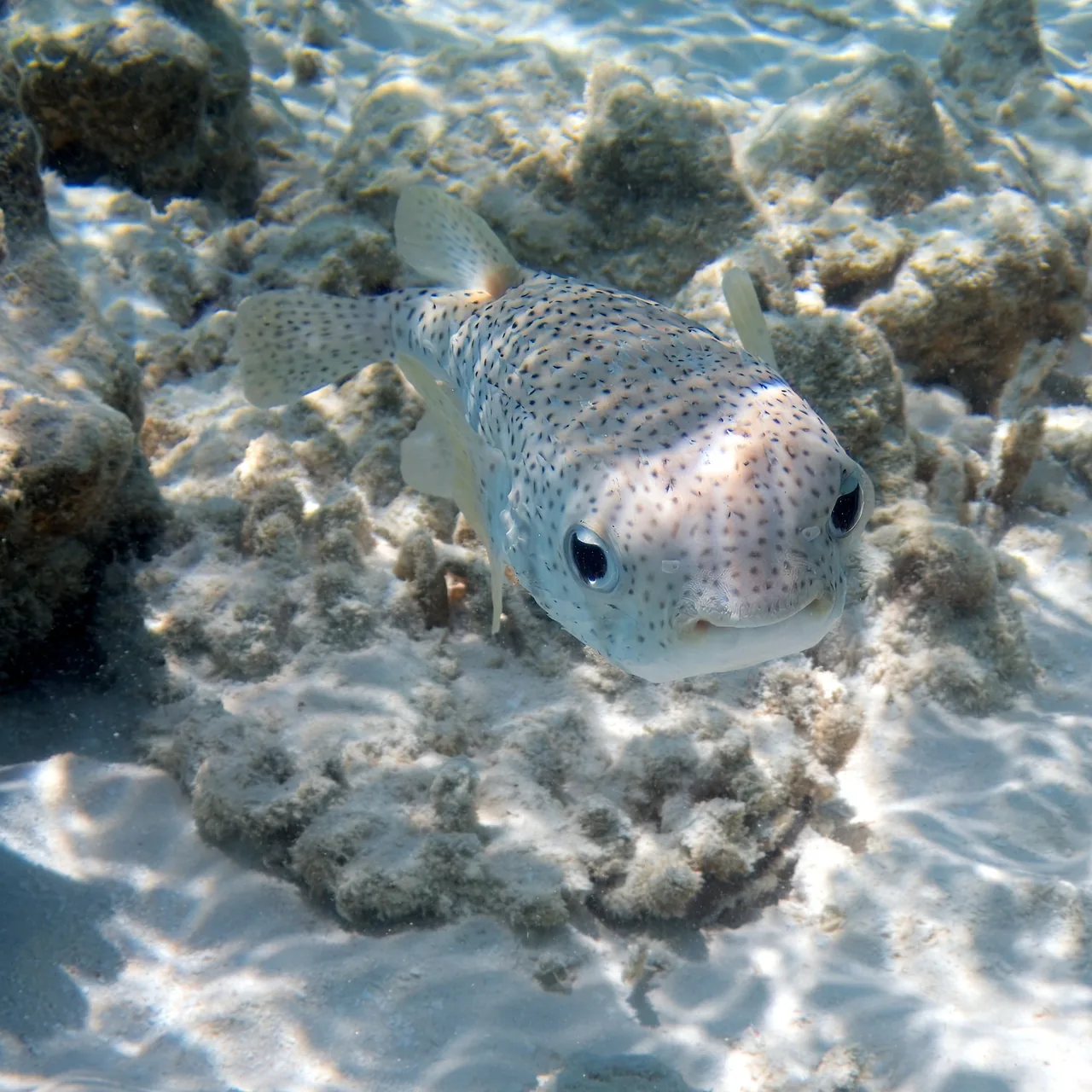
Porcupinefish

Photo: Diodon hystrix, iNaturalist observation 263482430, photo 473348208 — Darren Obbard · CC BY 4.0 · Cropped to a reviewer-selected 1654×1654 px square at (0, 0) of the 2048×1654 px original, resized to 1280×1280 (main) and downscaled to 400×400 (thumbnail), and encoded as WebP with metadata removed.

Porcupinefish

General species description, not specific to this destination

The Porcupinefish can inflate its body with water to several times its normal size, erecting its spines as a defense mechanism. They are often seen resting in reef crevices during the day.

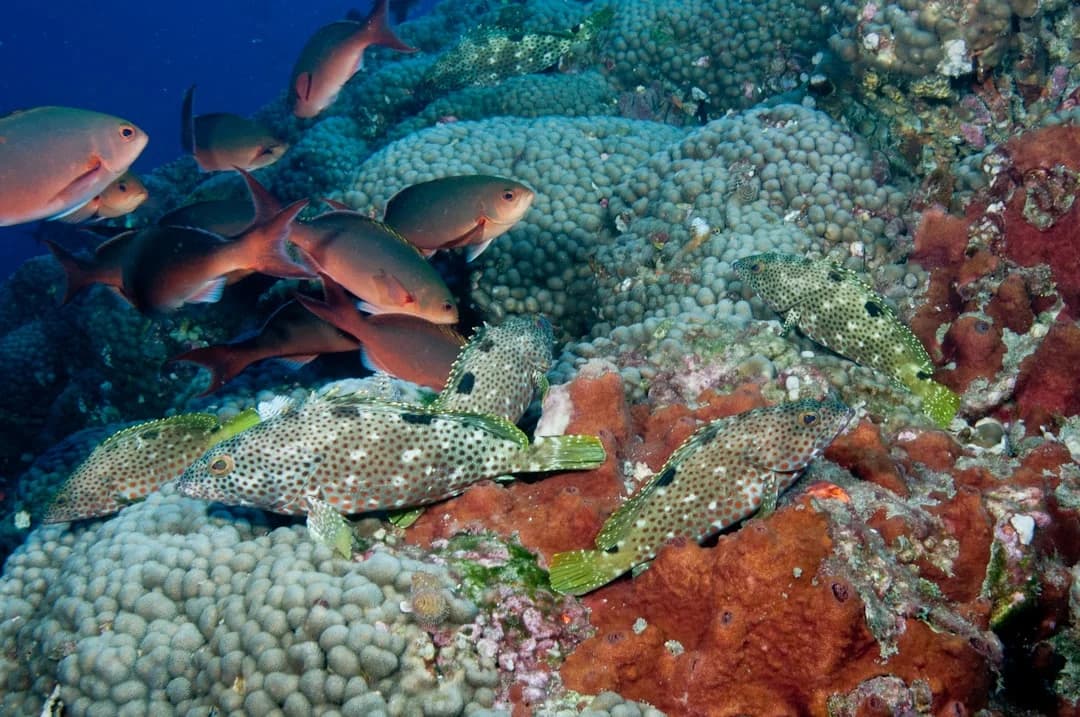
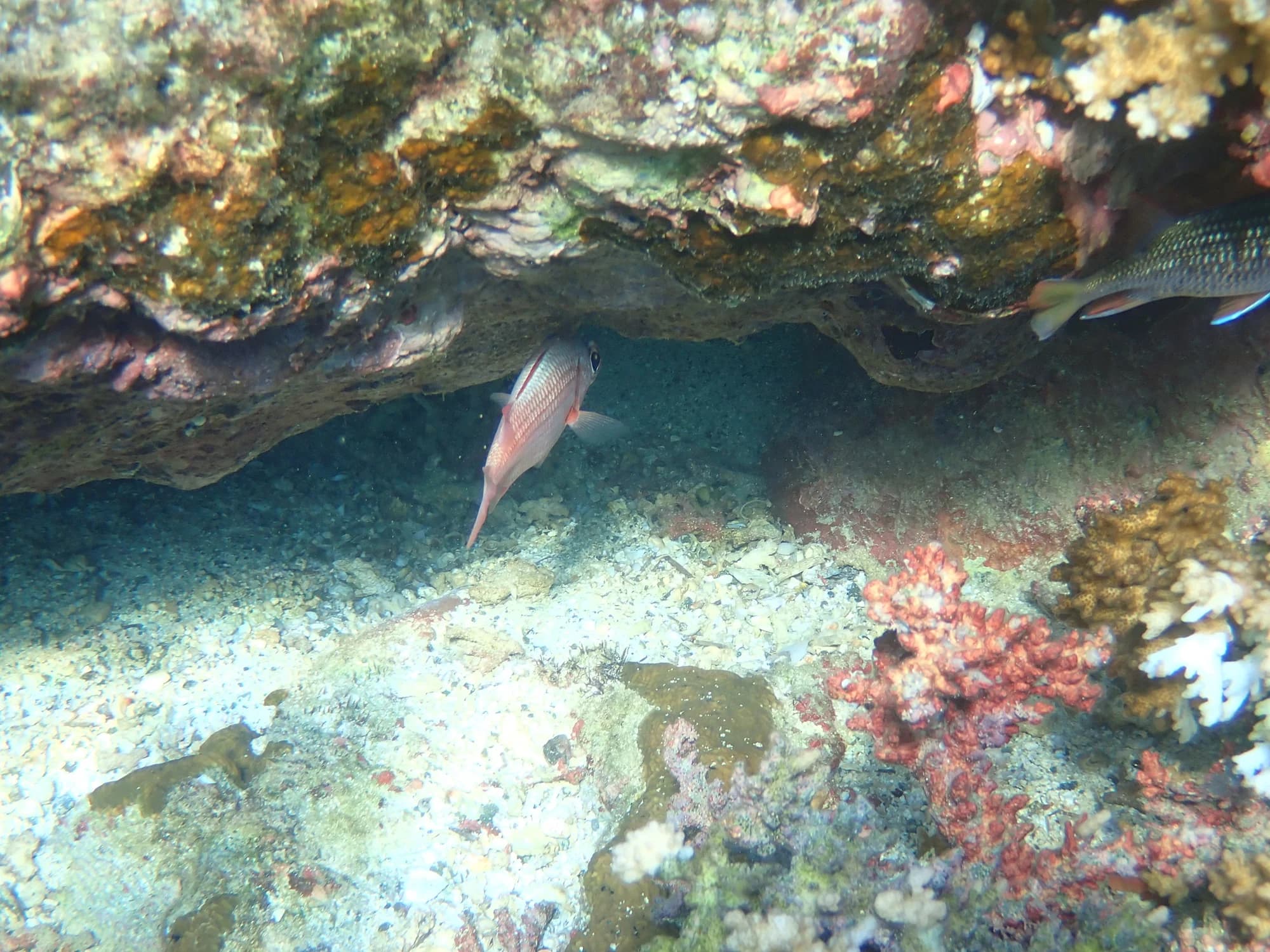
Panamic Soldierfish

Panamic Soldierfish

General species description, not specific to this destination

A vibrant red fish with large eyes adapted for low-light conditions, found schooling in caves and under ledges on Eastern Pacific rocky reefs. Reaches up to 30 cm in length. The name "soldierfish" comes from its uniform-like rows of scales and rigid dorsal spine.

+148more species in the app

Dive shops

No dive shops are listed for this destination yet.

Guides

Safety

Coast guard

DIMAR Colombian Coast Guard

+57 (601) 220 0490

Hospital

Hospital Distrital Buenaventura

+57 (602) 240 0000

Hyperbaric chamber

Hospital Distrital Buenaventura - Hyperbaric Chamber

+57 (602) 240 0000

Hyperbaric chamber

Hospital Universitario del Valle - Hyperbaric Chamber

+57 (602) 552 1000

Emergency

DAN International Hotline

+1-919-684-9111

Police

Policía Nacional de Colombia

123

Hyperbaric chamber

No verified recompression chamber on record.

Contact DAN: +1 919 684 9111

Bring Malpelo Island underwater

Offline access, dive log, AI fish ID, live site maps, and trip planning.

Download on the App Store