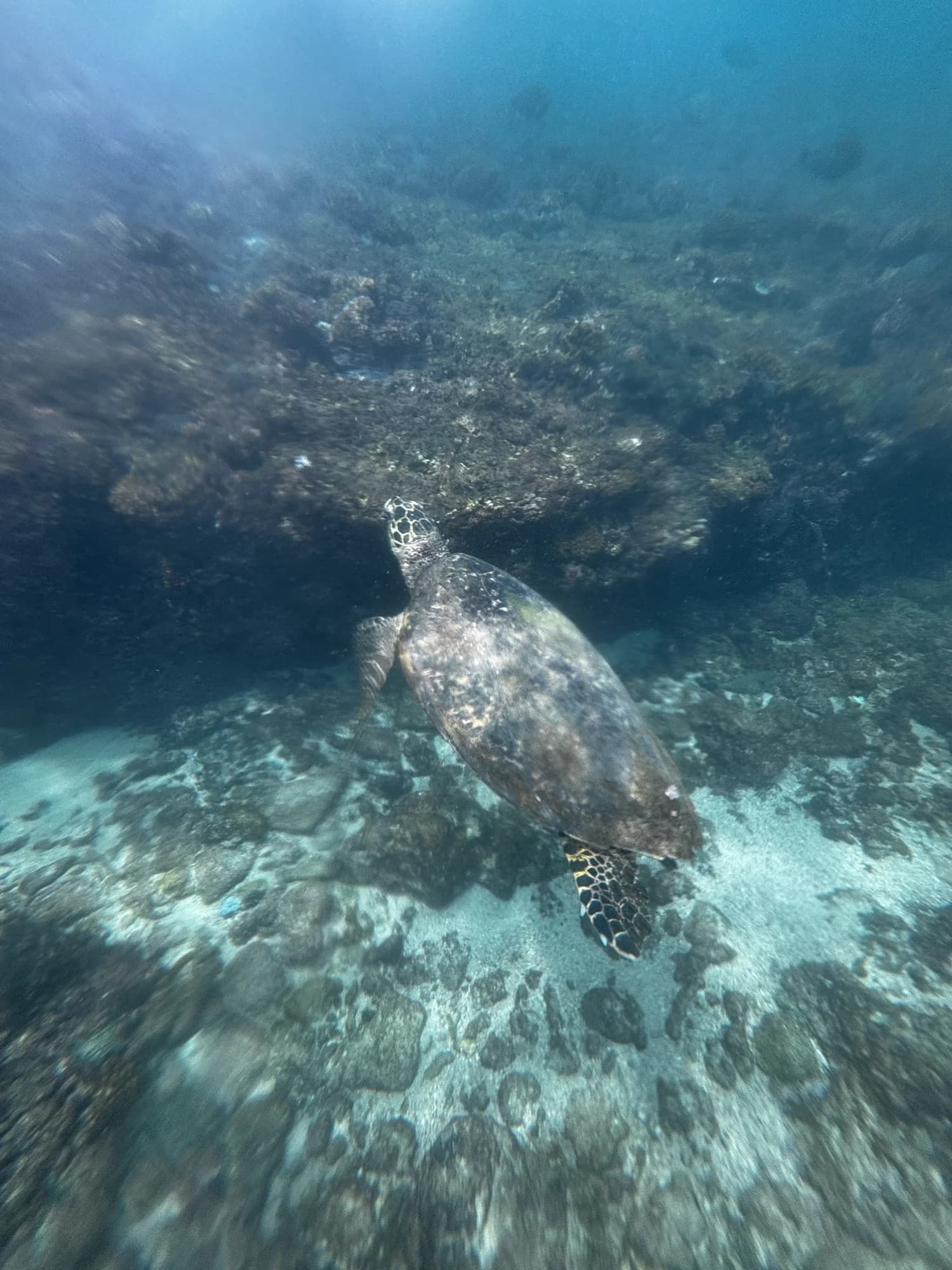
Hawksbill Turtle
Destination note
Most frequently sighted turtle species; present year-round on all reef and thila dives; nesting occurs on uninhabited islands throughout the archipelago
Maldives
Photo: Sebastian Pena Lambarri / Unsplash
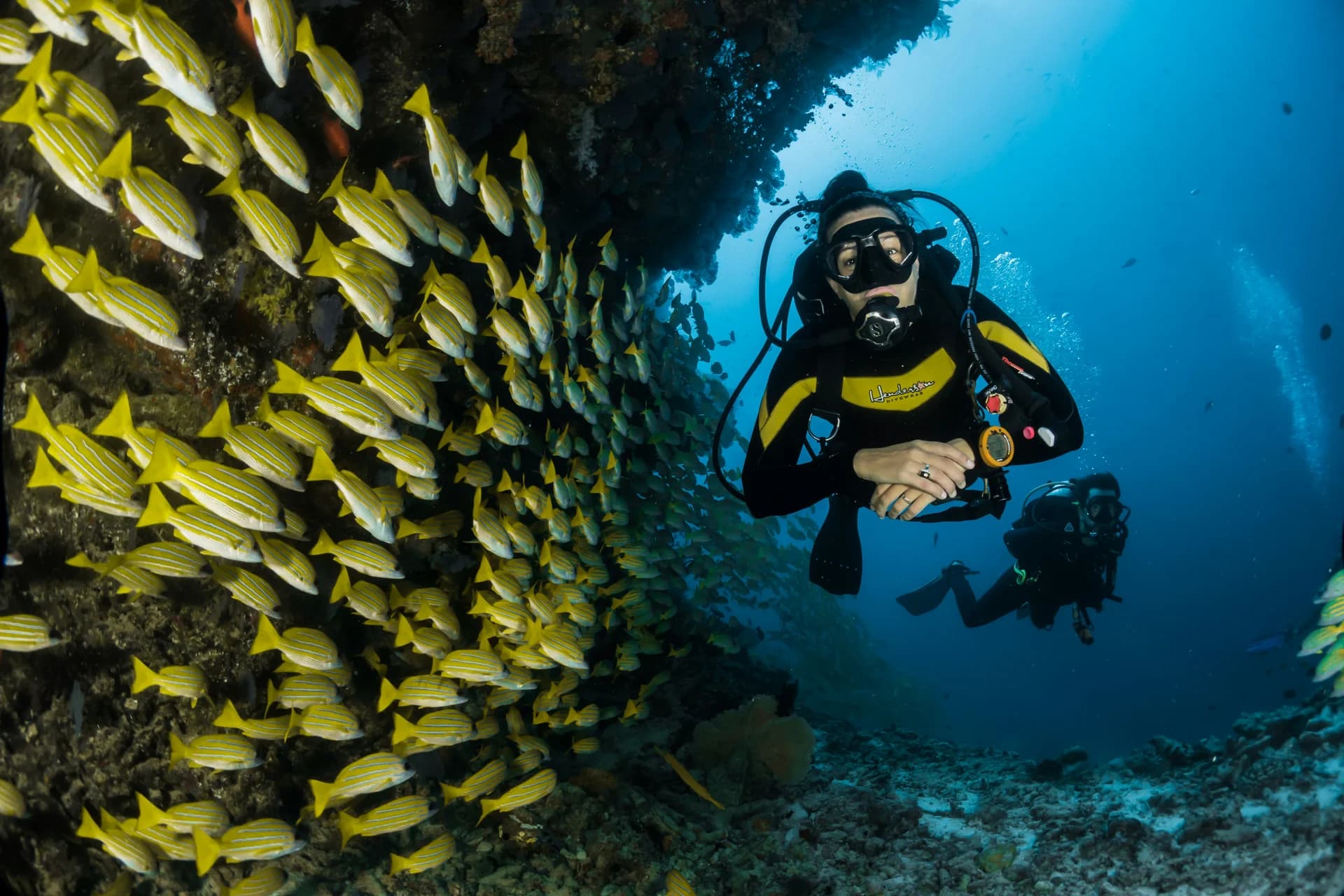
The Maldives is not just a diving destination — it's the shimmering necklace of 26 coral atolls that redefined paradise. In the warm turquoise waters of the Indian Ocean, currents sweep through ancient channels (kandus), funneling nutrients to feed the densest concentration of marine life in the Indian Ocean. Drift dive through clouds of fusiliers and snappers at thilas where grey reef sharks patrol like sentinels. Watch manta rays — up to 200 at a time — cyclone-feed in the plankton soup of Hanifaru Bay. Descend on wrecks that have become coral cathedrals. Cruise on liveaboards that deliver you to a different world-class site with every dawn. From the house reefs of overwater villas to the apex-predator paradise of Fuvahmulah, the Maldives offers every diver their perfect depth.
Select a pin to learn more. Use the zoom buttons or pinch to zoom.
Loading map…
30 places have no verified map location yet. Browse the page lists for more places.
26–30 °C
15–40 m
5–40 m
Moderate
December-April
| Month | Summary |
|---|---|
| Jan | Excellent visibility (30-40m+) and calm seas. Ideal for all types of diving, especially exploring channels and thilas. Northeast monsoon is in full swing. |
| Feb | Continues with pristine conditions: high visibility and calm waters. Peak season for many dive sites. Mantas start to be more active in some atolls. |
| Mar | Great conditions persist. Transition period towards the end of the month, but generally calm and clear. Good for pelagic encounters. |
| Apr | Transition month with slight increase in plankton, which can attract whale sharks and mantas. Visibility might drop slightly but still good. |
| May | Southwest monsoon begins. Choppier seas and plankton blooms. Excellent for manta and whale shark sightings, especially in Baa Atoll. Visibility 15-25m. |
| Jun | Prime month for Hanifaru Bay manta aggregation. Whale sharks are also common. Expect reduced visibility (15-25m) and potentially rougher surface conditions. |
| Jul | Continues with peak manta and whale shark season. Excellent for big animal encounters. Currents can be strong in channels. Visibility 15-25m. |
| Aug | Similar to July, with high chances of manta and whale shark sightings. Hanifaru Bay can be at its best. Ideal for macro photography as well. |
| Sep | Still good for megafauna. Towards the end of the month, conditions may start to improve with less plankton and calmer seas. Visibility 20-30m. |
| Oct | Transition month towards the dry season. Improving visibility and calmer conditions. Good for both macro and pelagic. Visibility 20-30m. |
| Nov | Conditions continue to improve significantly. Visibility increases, and seas calm down. Excellent month for diverse diving, including channel dives. Visibility 25-35m. |
| Dec | Start of the dry season with exceptional visibility (30-40m+) and calm waters. Perfect for all types of diving, especially for those seeking clear conditions. Northeast monsoon. |
3–20m · Beginner
Night dive
Shark spotting · Ray spotting
5–30m · Intermediate
Coral garden · Caves · Overhangs
12–33m · Advanced
Wreck · Coral garden
Historical site
10–30m · Advanced
Drift dive · Strong currents
Shark spotting
8–25m · Beginner
Cleaning station
Manta ray spotting · Shark spotting
10–30m · Advanced
Drift dive · Strong currents
Channel dive
8–25m · Intermediate
Drift dive
Channel dive · Whale shark spotting
14–20m · Intermediate
Cleaning station · Strong currents
Manta ray spotting
Species recorded in this destination's wider regional catalogue. A species being listed here does not mean it is seen at this destination — check the note on each card.
Hawksbill Turtle
Destination note
Most frequently sighted turtle species; present year-round on all reef and thila dives; nesting occurs on uninhabited islands throughout the archipelago
Green Sea Turtle
Destination note
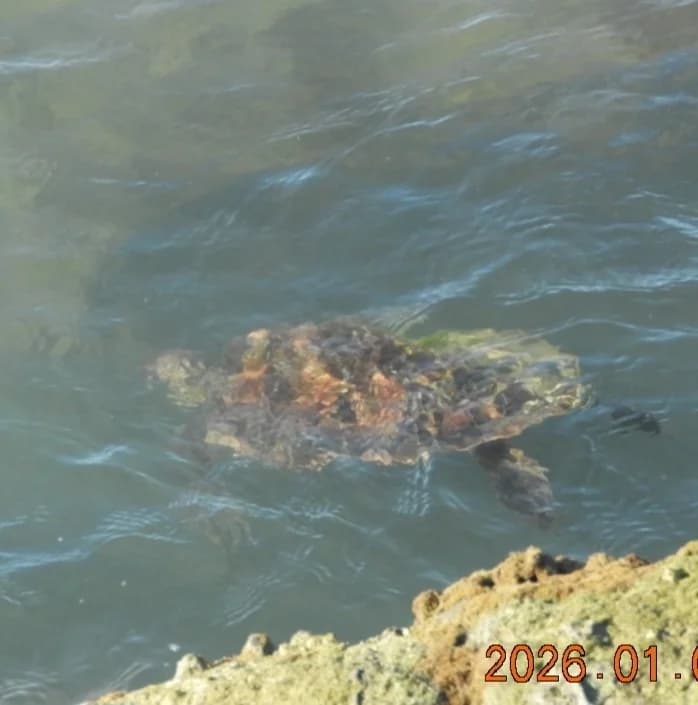
Commonly sighted on house reefs and shallow seagrass areas; less frequent on deep thila dives than hawksbills; juvenile green turtles abundant in lagoon habitats
Spotted Eagle Ray
Destination note
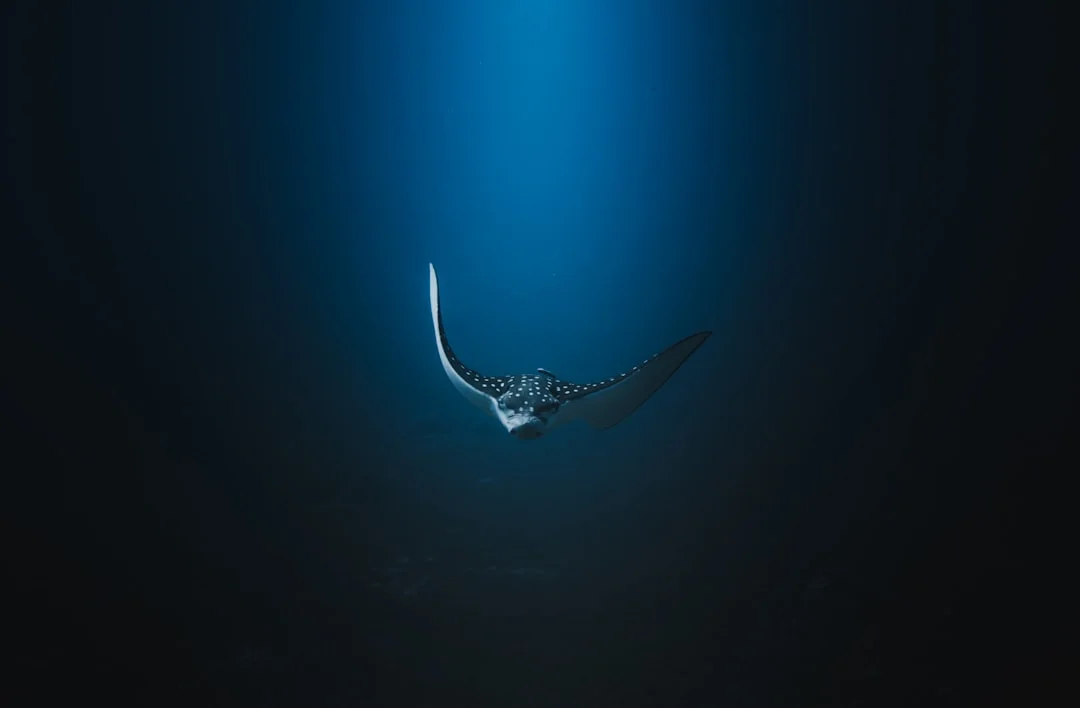
Sightings most common in outer atoll channels and kandu dives; occasionally seen in small groups; peak sightings during calm northeast monsoon months
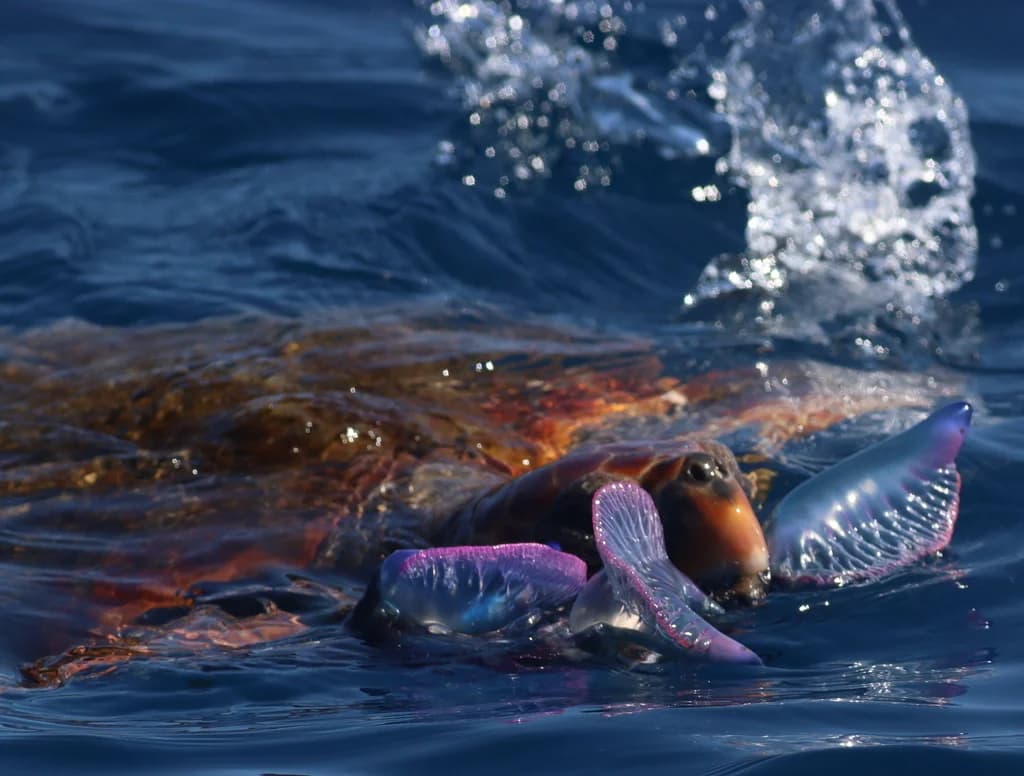
Loggerhead Turtle
Destination note
Less common than hawksbill and green turtles in the Maldives; most frequent sightings at deeper reefs and channel dives in southern atolls including Addu and Huvadhoo
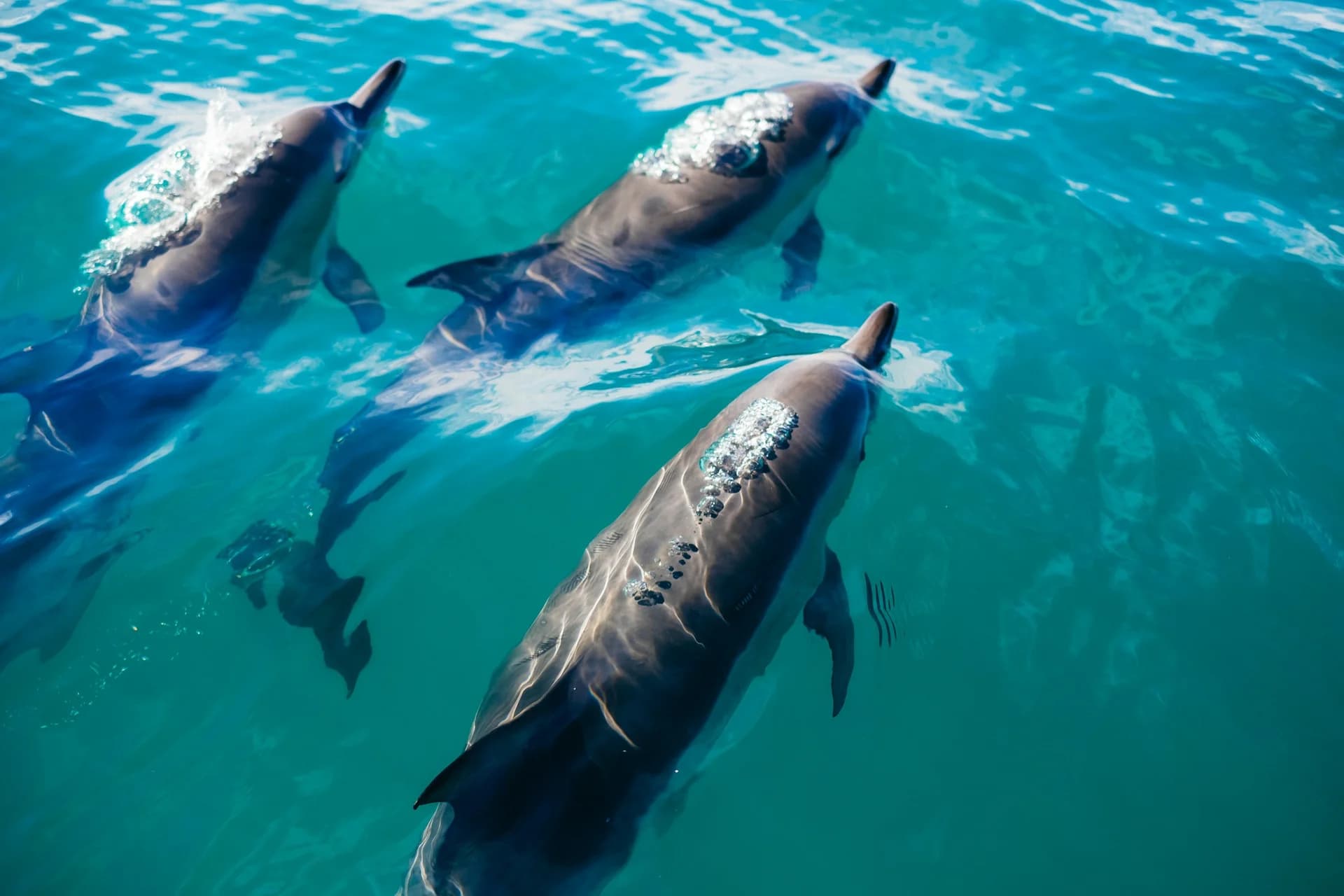
Atlantic Bottlenose Dolphin
Destination note
Year-round resident; largest pods seen during calm Iruvai season (Dec-Apr)
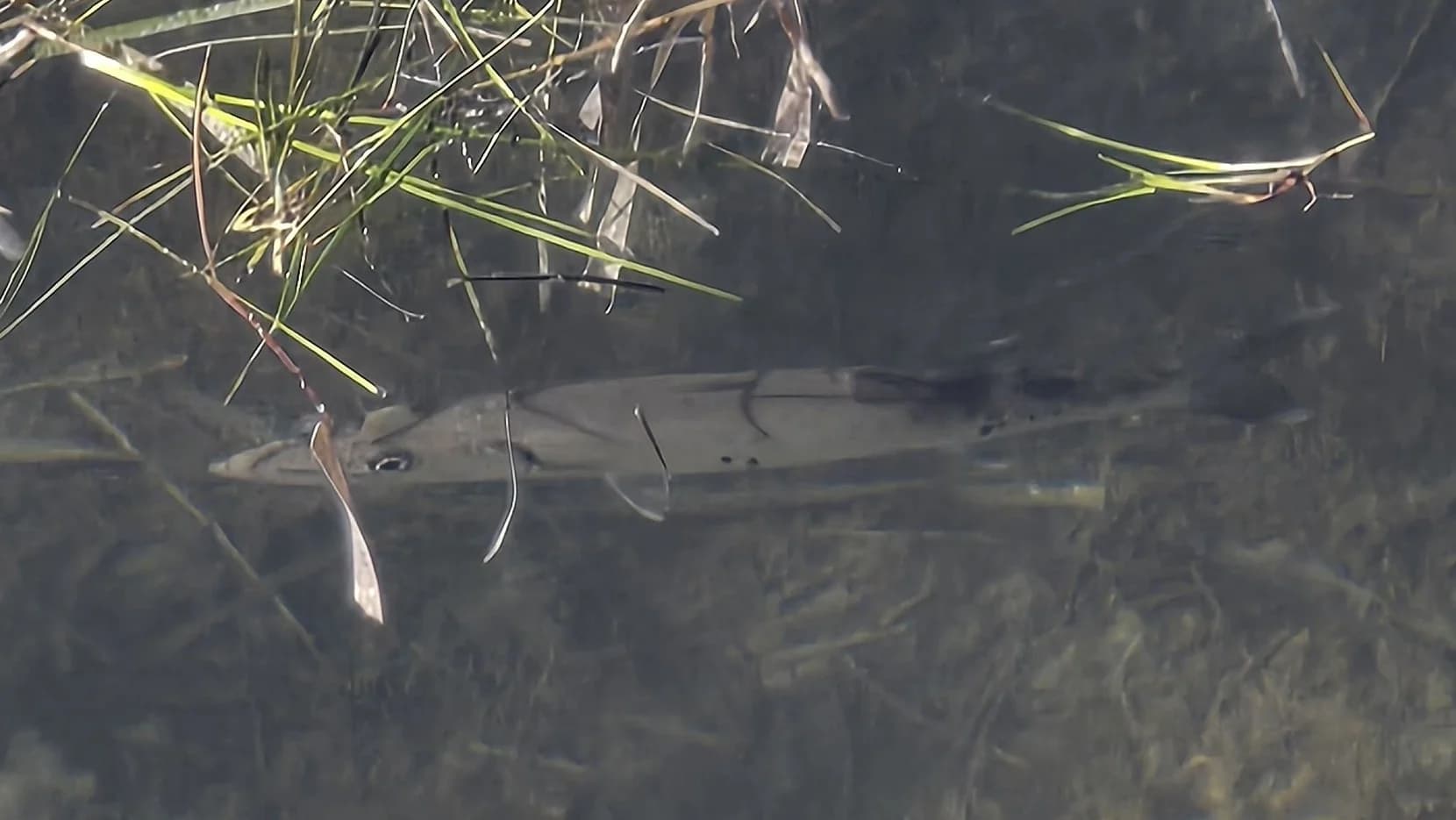
Great Barracuda
General species description, not specific to this destination
The Great Barracuda is an impressive predator with a streamlined body and powerful jaws filled with razor-sharp teeth. They can grow over 6 feet long and often hover motionless near the reef, curious about divers.
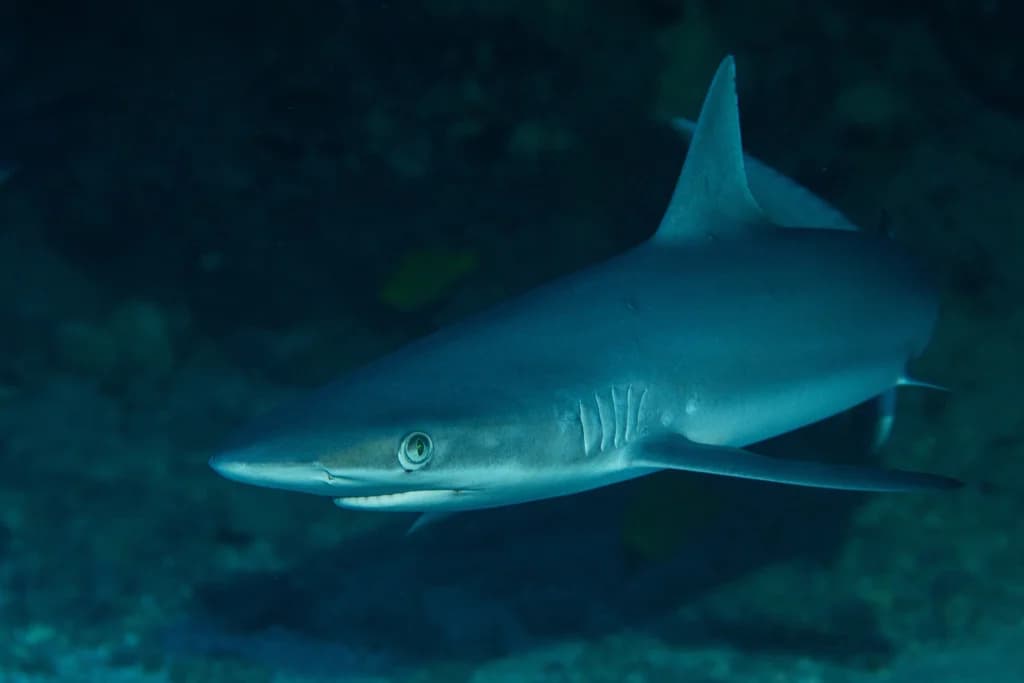
Grey Reef Shark
Destination note
The most commonly sighted shark in the Maldives; dozens per dive at channel and thila sites throughout all atolls; protected under shark sanctuary since 2010
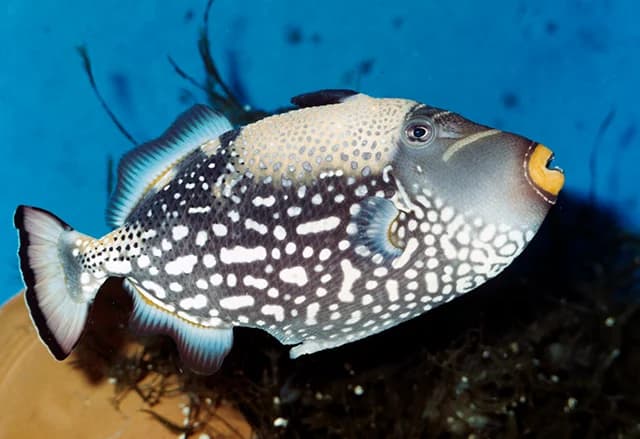
clown triggerfish
Destination note
Sighted on outer reef slopes and coral-rich areas at depths of 5-40m; most reliable at deeper thila sites in Ari and Vaavu Atolls; solitary or in pairs
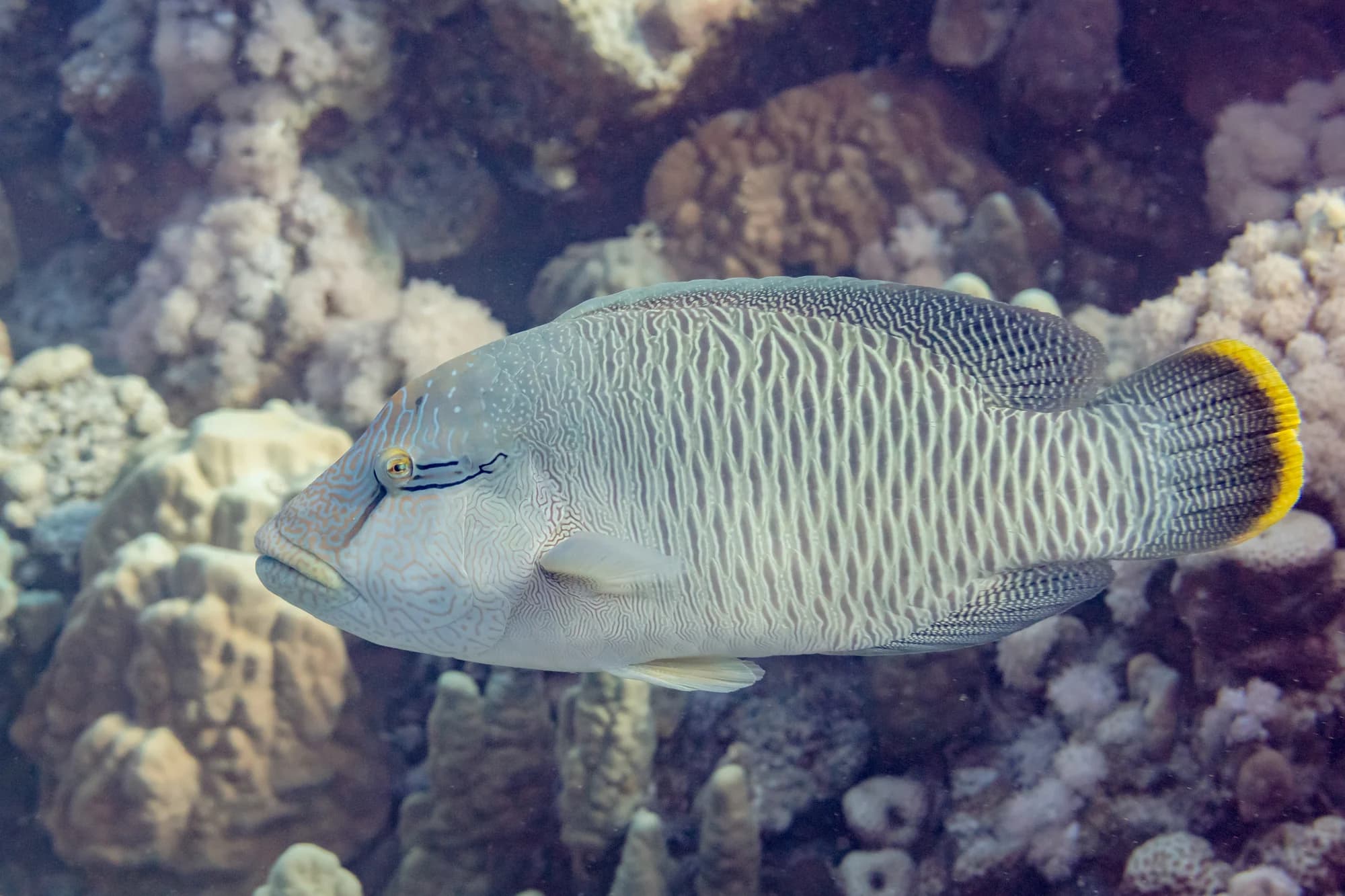
humphead wrasse
Destination note
Healthy population but not seen on every dive; most reliable at protected reef sites in South Malé, Ari, and Baa Atolls; larger individuals at deeper thilas
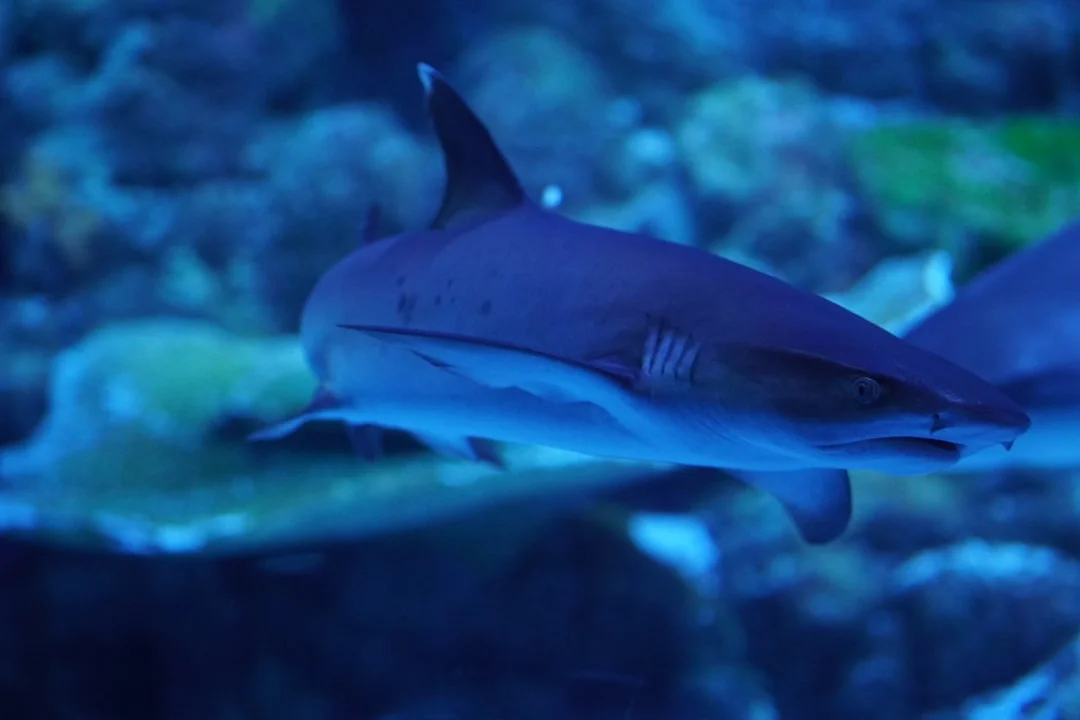
Whitetip Reef Shark
Destination note
Very common on night dives and reef dives with overhangs; resting individuals seen under coral ledges at Maaya Thila, Fish Head, and Banana Reef
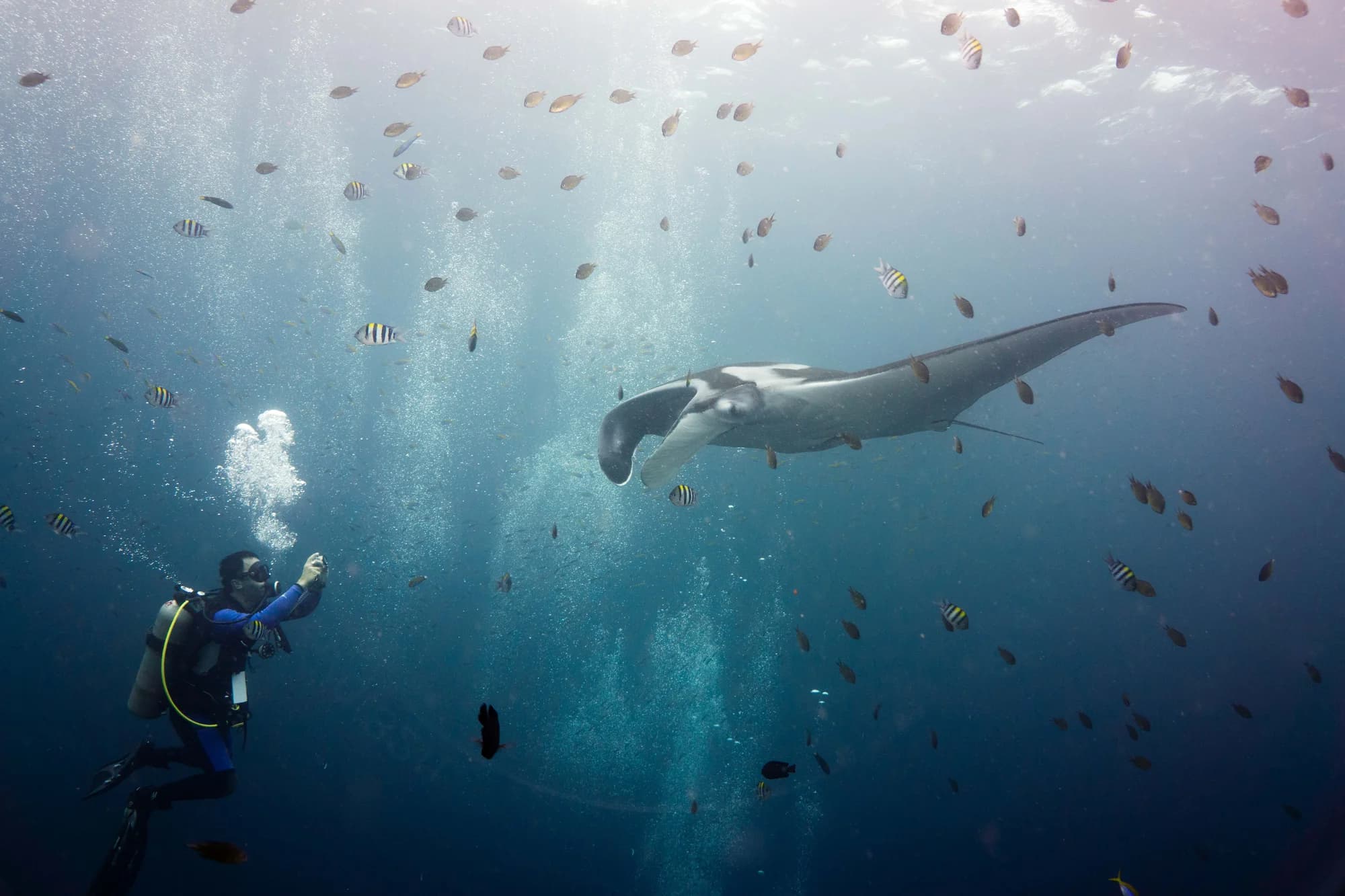
Giant Oceanic Manta Ray
Destination note
Sightings concentrated at Fuvahmulah and Addu Atoll; more pelagic and less site-faithful than reef mantas; most common during southwest monsoon when plankton productivity is highest
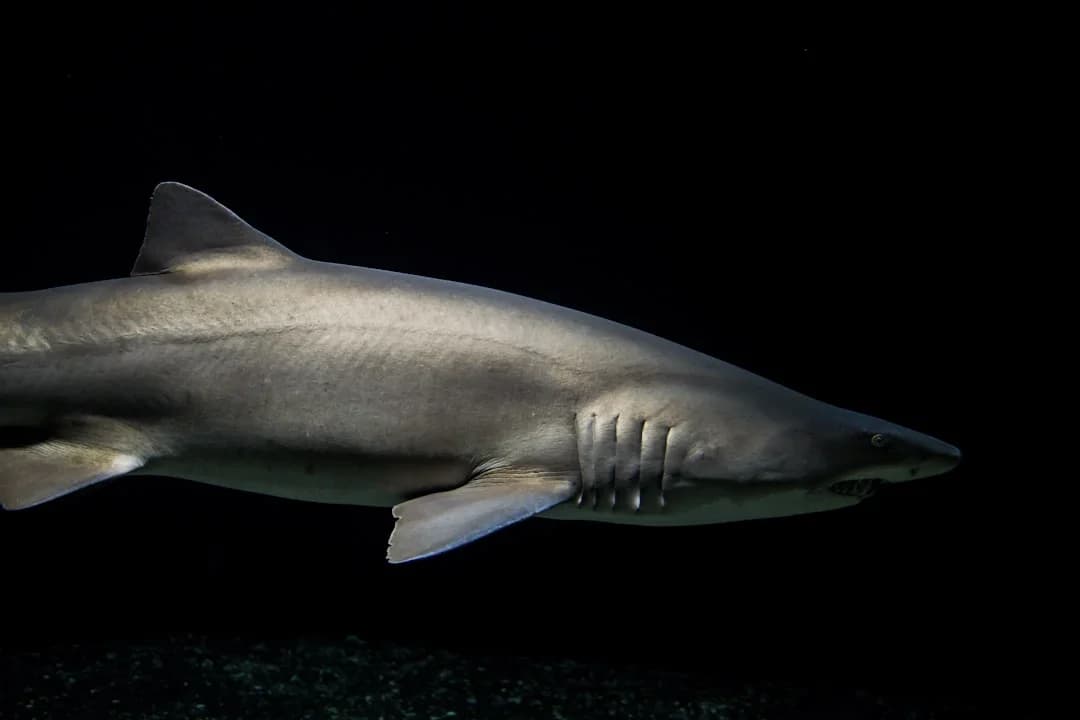
Silvertip Shark
Destination note
Most commonly sighted at outer atoll sites and channel dives (kandus) in North Malé, Ari, and Vaavu Atolls; silvertips prefer deeper water and are more frequent on deeper thila and far-reef dives
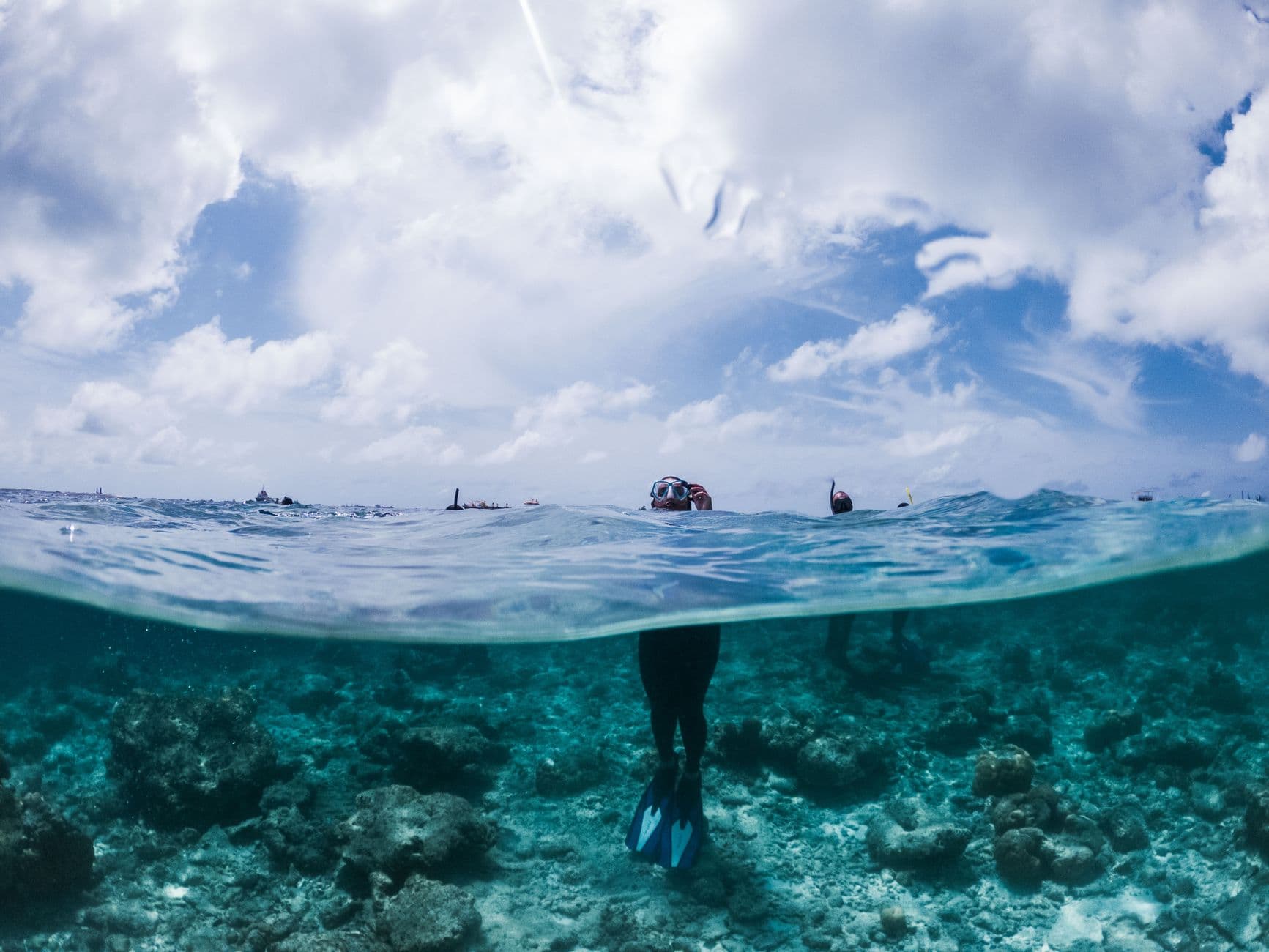
Master the two monsoons that rule Maldivian diving. Month-by-month visibility, water temperature, currents, drift technique, and what you'll see each season.
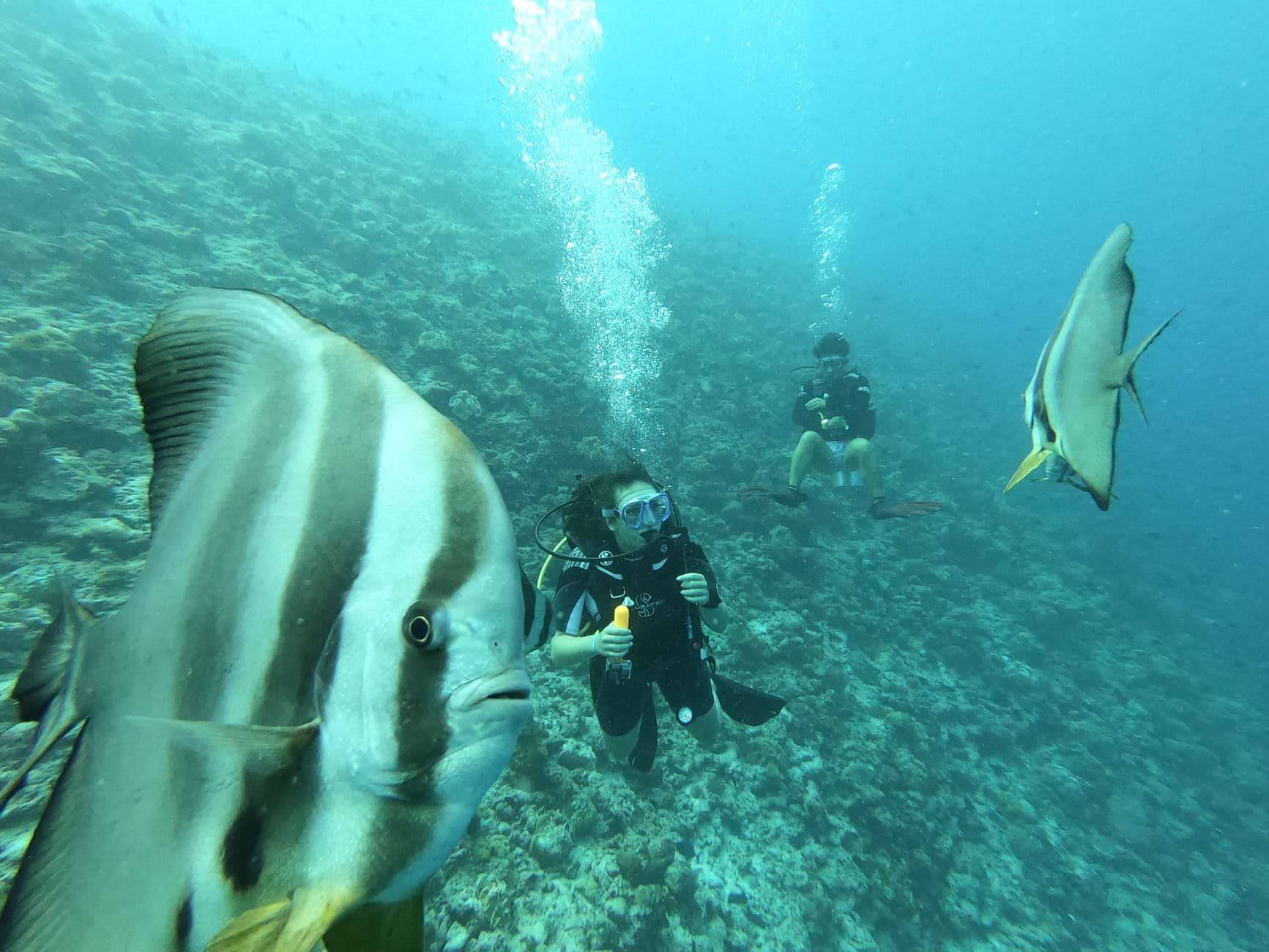
Twenty-six atolls, drift channels, manta rays, and whale sharks in warm water. Your complete guide to diving the Maldives, from resort reefs to liveaboards.
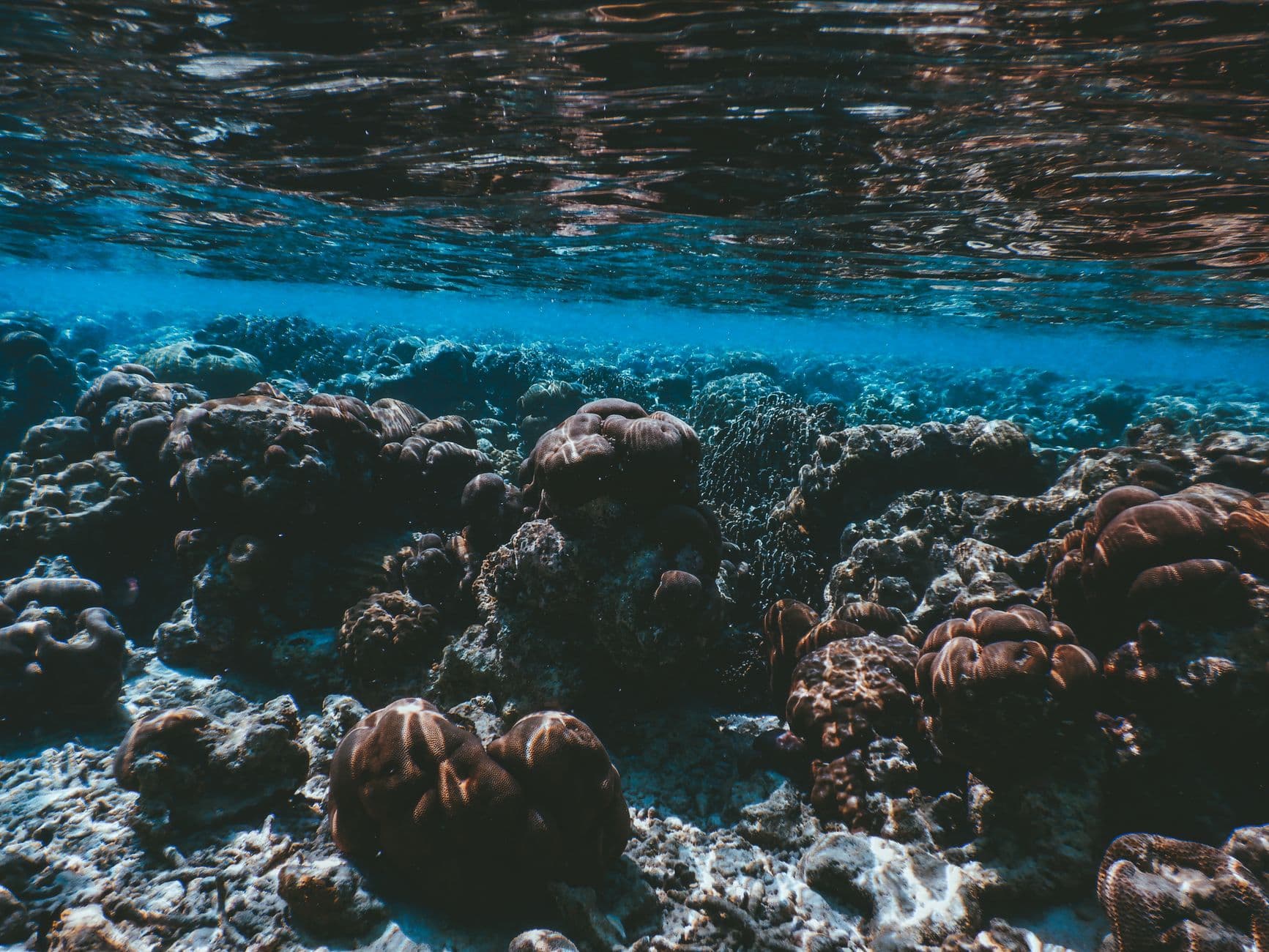
From the manta swarms of Hanifaru Bay to the shark-filled channel of Fotteyo Kandu — the seven greatest Maldives dive sites and what makes each unforgettable.
Offline access, dive log, AI fish ID, live site maps, and trip planning.
Download on the App Store