Lembeh Strait

Indonesia

Diving in Lembeh Strait

50 sites94 species26–30 °C5–25 m vis

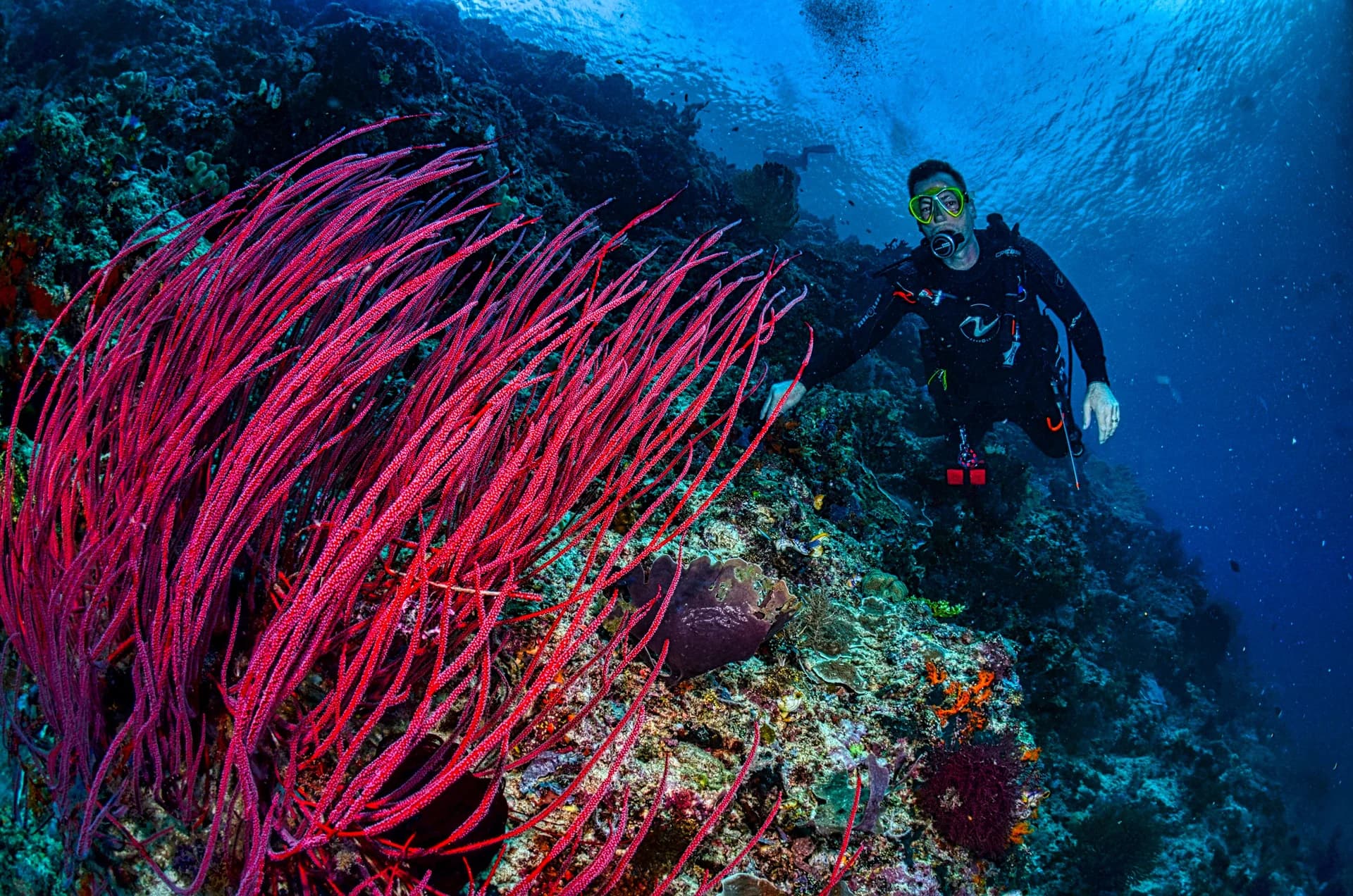
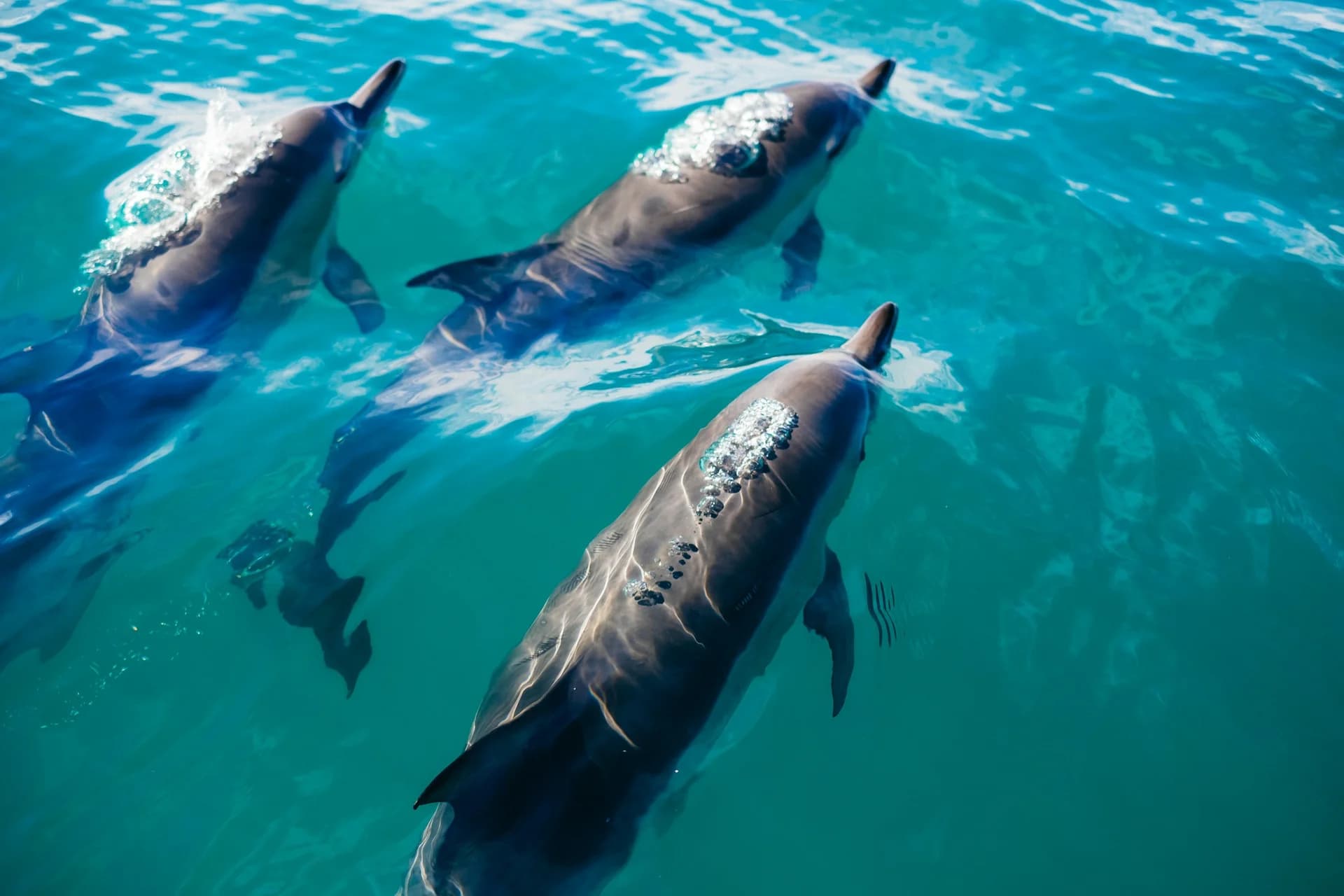
Photo: Tom Fisk / Pexels

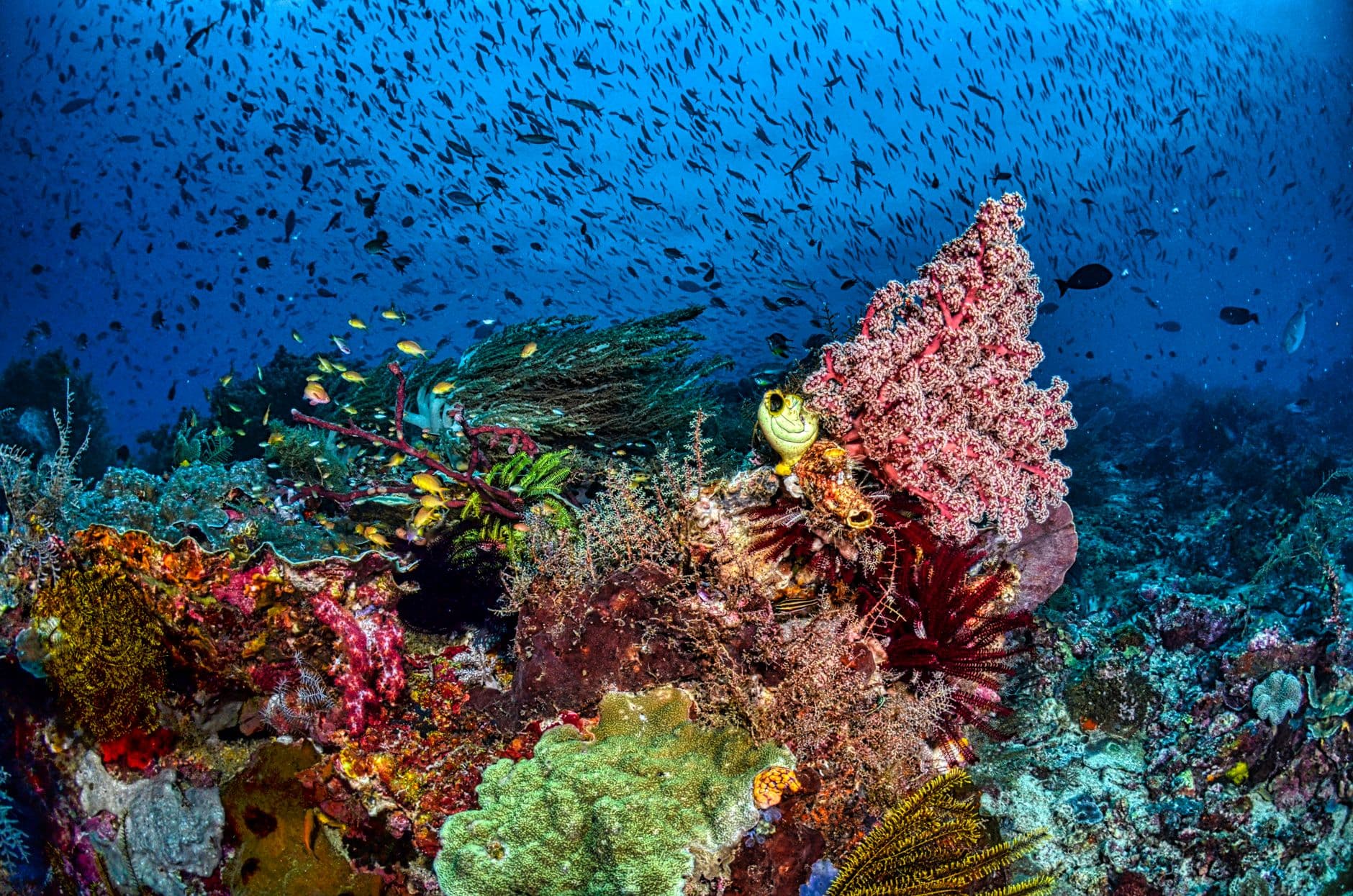
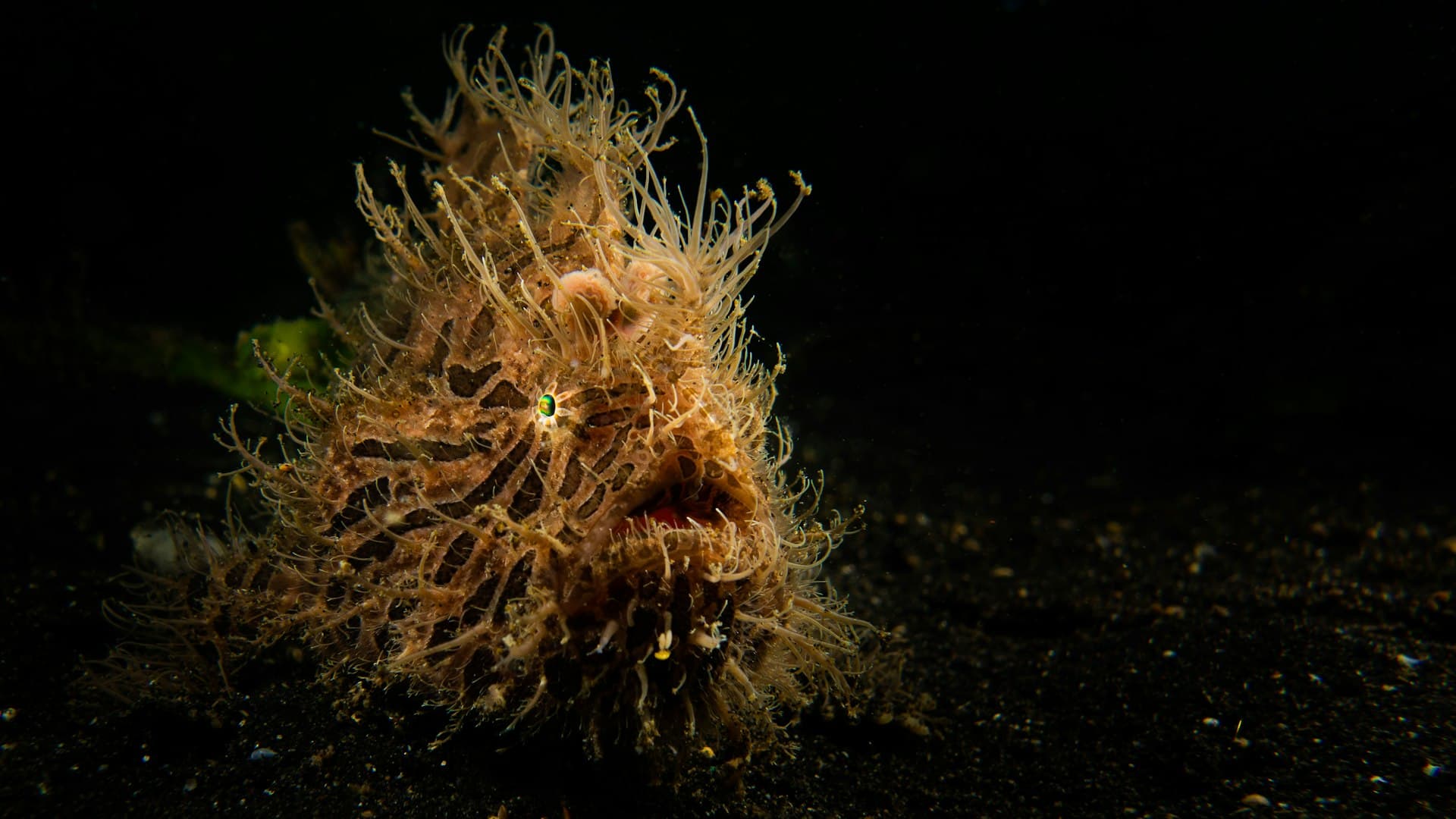
Lembeh Strait is the muck diving capital of the world — a narrow 16 km channel between North Sulawesi and Lembeh Island where black volcanic sand hides the most extraordinary collection of rare macro marine life on earth. Home to an estimated 2,000+ species including the mimic octopus (first observed here), hairy frogfish at the highest concentration anywhere, blue-ringed octopus, flamboyant cuttlefish, and the endemic Lembeh seadragon. This is not big-animal diving — it's a slow, deliberate treasure hunt where every square metre of sand holds a photographic masterpiece. Part of the Coral Triangle biodiversity hotspot, the strait protects divers from open-ocean swell, offering year-round diving with generally mild currents. With over 55 named dive sites, four wrecks within recreational limits, and world-class night and blackwater diving, Lembeh is the ultimate macro photographer's paradise.

Lembeh has the highest concentration of hairy frogfish anywhere on earth — you can see three species of frogfish on a single dive.The mimic octopus was first discovered right here in Lembeh Strait — a dive guide noticed an octopus changing shape to look like a flounder, lionfish, and sea snake.The Lembeh seadragon (Kyonemichthys rumengani) is found only in these waters and nowhere else on the planet — a tiny pipefish relative that is endemic to Lembeh.At least 12 species of octopus can be found in Lembeh including the wonderpus, blue-ringed, coconut, starry night, hairy, algae, and mototi octopus.The strait is only 1-2 km wide at its narrowest point — you can see both shores simultaneously while diving.The Coelacanth (Latimeria menadoensis) — a 'living fossil' fish thought extinct for 66 million years — was discovered off nearby Manado in 1998.Black volcanic sand creates a natural black backdrop eliminating camera backscatter — this is why Lembeh is the world's premier macro photography destination.The flamboyant cuttlefish actually walks on its lower arms across the sand — one of the few cephalopods that 'walks' rather than swims.National Geographic filmed in Lembeh for three weeks in 2023-24 focusing on the black hairy frogfish following radiant sea urchins.Despite being one of the world's top dive destinations, the Lembeh Strait is not a marine park — there are no park fees or protected area restrictions.

Explore the map

Select a pin to learn more. Use the zoom buttons or pinch to zoom.

Loading map…

Places on this map (61)
  • Enriched
  • Enriched
  • Enriched
  • Enriched
  • Enriched
  • Enriched
  • Enriched
  • Enriched
  • Enriched
  • Enriched
  • Enriched
  • Enriched
  • Enriched
  • Enriched
  • Enriched
  • Enriched
  • Enriched
  • Enriched
  • Enriched
  • Enriched
  • Enriched
  • Enriched
  • Enriched
  • Enriched
  • Enriched
  • Enriched
  • Enriched
  • Enriched
  • Enriched
  • Enriched
  • Enriched
  • Enriched
  • Enriched
  • Enriched
  • Enriched
  • Enriched
  • Enriched
  • Enriched
  • Enriched
  • Enriched
  • Enriched
  • Enriched
  • Enriched
  • Enriched
  • Enriched
  • Enriched
  • Enriched
  • Enriched

2 places have no verified map location yet. Browse the page lists for more places.

Conditions

Water temp

26–30 °C

Visibility

5–25 m

Depth

5–30 m

Current

Mild

Best season

Year-round; calmest conditions March–May & September–November with peak visibility October–December (15–25m). Coolest water July–September (25–27°C) brings critters shallower. Highest critter diversity July–December.

MonthSummary
JanRainy season with warm 27–28°C water. Visibility lower at 5–10m due to runoff, but critter counts peak — excellent for macro photography with dramatic moody light.
FebSimilar to January — rainy, warm waters at 27–28°C and 5–10m vis. Calm seas between squalls. Mandarin fish mating displays continue at dusk.
MarTransition to calm season. Water warming to 28–29°C, visibility improving to 10–15m. Flat seas and excellent surface conditions — one of the best months to visit.
AprPeak calm season at 28–29°C with 10–15m vis. Mirror-flat seas most days. Mimic octopus sightings peak (Apr–May). Ideal for combining with Bunaken wall diving.
MayLast month of peak calm season. 28–29°C water, 10–15m vis. Mimic octopus and wonderpus encounters at their best. Warm waters mean abundant plankton for blackwater diving.
JunStart of dry season. High season begins — book well ahead. Water cooling to 26–27°C, 10–15m vis. Windier surface conditions but underwater remains excellent. Critter diversity increases.
JulCoolest water of the year at 25–27°C — critters move shallower for easier viewing. Dry, windier conditions but great diving. Peak frogfish and rhinopias season. Excellent night diving.
AugCool water continues at 26–27°C, 10–15m vis. Considered by many the best month — critters at shallowest depths, flamboyant cuttlefish active, and great night diving for bobbit worms and stargazers.
SepTransition to calm season and peak visibility. 27–29°C, vis improving to 15–20m. Less wind, flattening seas. Another peak travel window — great conditions for both muck and reef sites.
OctPeak visibility of the year at 15–25m. Warm 27–29°C water with calm seas. Best month for wide-angle reef photography at Angel's Window and California Dreaming. Outstanding overall conditions.
NovExcellent conditions continue. 27–29°C, 15–25m vis, calm seas. Last month of peak visibility window. Great for combining muck and reef dives. Fewer crowds than June–August.
DecWarm and wet start to rainy season at 28–29°C. Variable visibility 5–15m with occasional rain. Despite surface conditions, very high critter counts — frogfish, flamboyant cuttlefish eggs, and cephalopod activity at its peak.

Dive Sites (50)

Aer Bajo 1

5–20m · Beginner

Muck diving · Macro photography

mimic octopus

Aer Bajo 2

3–20m · Beginner

Shallow

mimic octopus · hairy frogfish

Aer Perang 1

5–20m · Beginner

Muck diving · Night dive · Macro photography

Aer Perang 2

5–25m · Beginner

muck · bobbit worms · stargazers

Angel's Window

5–30m · Intermediate

Reef · Coral garden · Swim-throughs

Aw Shucks

5–25m · Beginner

Muck diving · Reef

house reef

Batu Angus

5–25m · Beginner

Frogfish

muck & reef · volcanic rock

Batu Bunyan

5–35m · Advanced

Pelagics · Sharks · Eagle rays

+42more sites in the appGet the app →

Regional species catalogue (94)

Species recorded in this destination's wider regional catalogue. A species being listed here does not mean it is seen at this destination — check the note on each card.

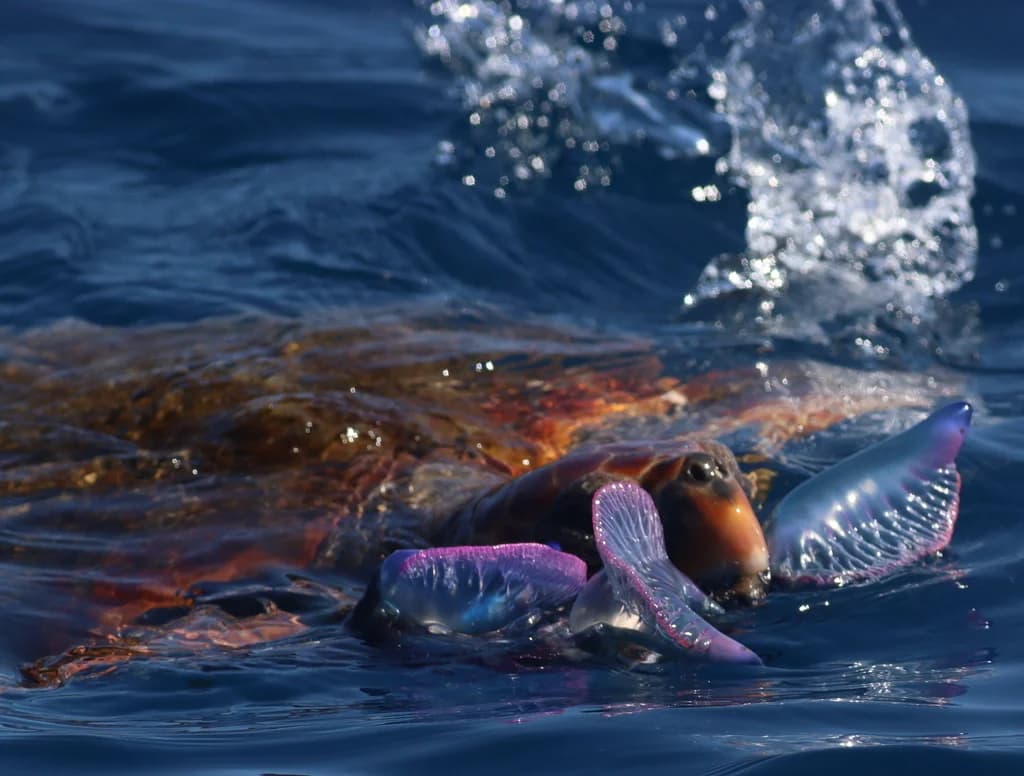
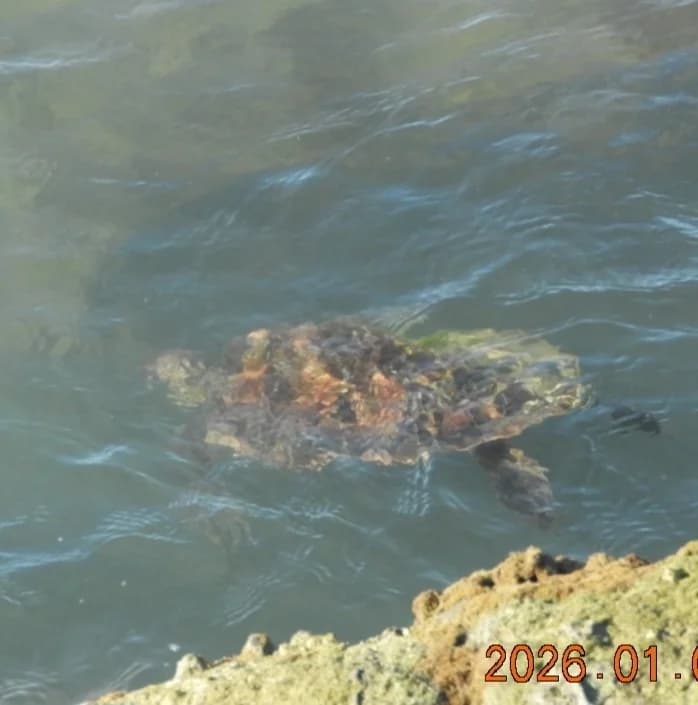
Loggerhead Turtle

Loggerhead Turtle

General species description, not specific to this destination

The Loggerhead Turtle is the largest hard-shelled sea turtle, named for its massive head. While less common than Green and Hawksbill turtles on Caribbean reefs, they can be spotted at deeper reef sites.

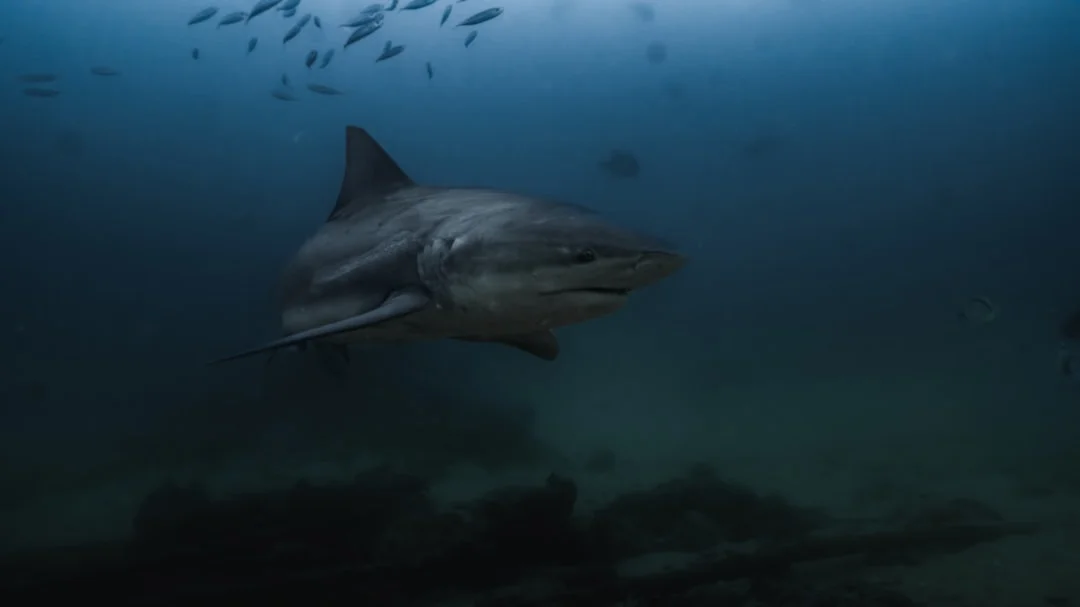
Bull Shark

Bull Shark

General species description, not specific to this destination

Bull sharks are one of the most impressive predators divers can encounter in warm coastal waters. These robust sharks are easily recognized by their broad, blunt snout, stocky build, and grey coloration with a white underside. Growing up to 11 feet long, they have a powerful, muscular appearance that commands respect underwater. Bull sharks are known for their curious nature and may approach divers, maintaining a confident but generally non-aggressive demeanor. They're often seen cruising along reef walls or in open water, sometimes in small groups. Their ability to tolerate both saltwater and freshwater makes them unique among sharks, and they're excellent hunters with a varied diet including fish, rays, and other marine life.

Great Hammerhead

General species description, not specific to this destination

The Great Hammerhead is the largest of all hammerhead species, instantly recognizable by its massive, flattened head extension called a cephalofoil. This prehistoric-looking predator can reach lengths of up to 20 feet, with a distinctive tall, sickle-shaped dorsal fin. Their unique head shape houses electroreceptors that help them hunt stingrays buried in sand. Great Hammerheads are solitary hunters, often seen cruising along reef walls and sandy bottoms. Despite their intimidating size, they're generally shy around divers and will often move away when approached. Their powerful swimming style and graceful movements make encounters truly memorable for fortunate divers.

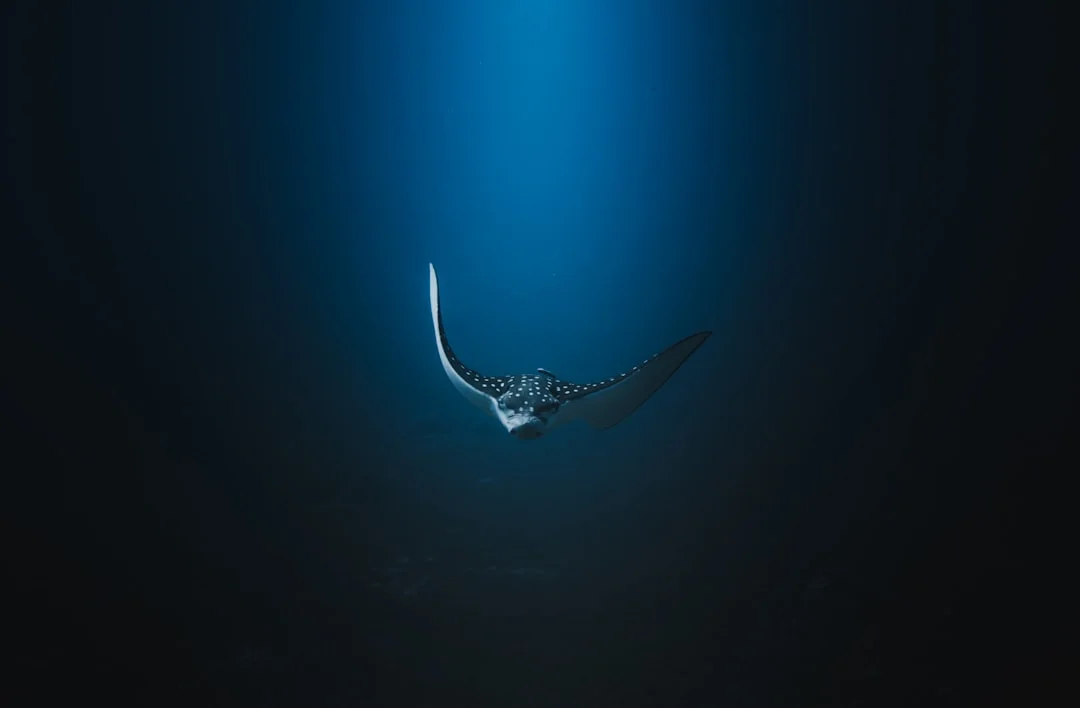
Spotted Eagle Ray

Spotted Eagle Ray

Destination note

Regularly spotted cruising along reef edges and sandy channels throughout Lembeh Strait, especially during calm sea conditions.

Atlantic Bottlenose Dolphin

Atlantic Bottlenose Dolphin

Destination note

Passing pods occasionally enter the strait from the Molucca Sea; more frequently sighted in open water outside the channel.

Green Sea Turtle

Green Sea Turtle

Destination note

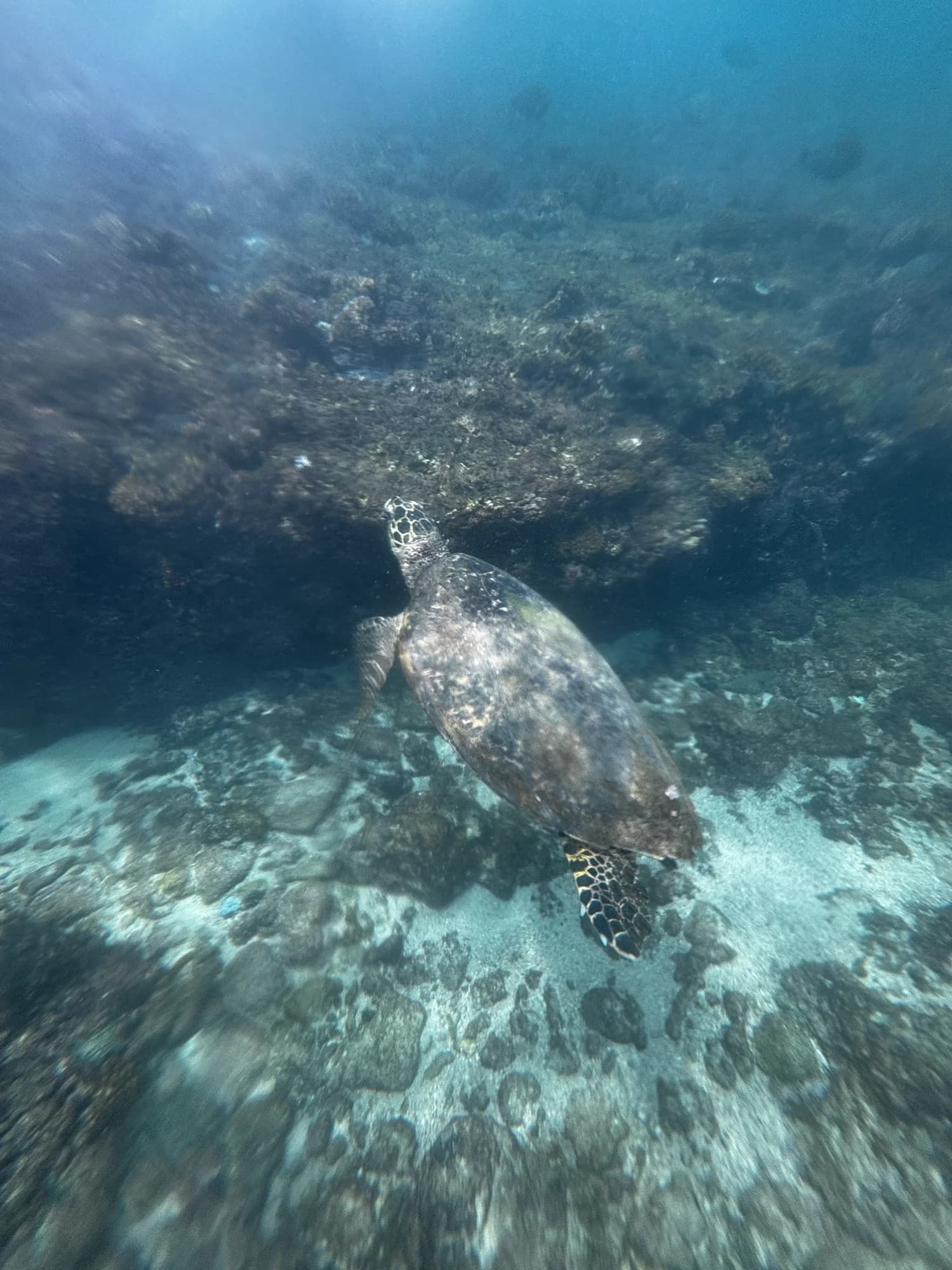
Common in Lembeh Strait reef areas; regularly observed at California Dreaming and Angel's Window sites

Hawksbill Turtle

Hawksbill Turtle

Destination note

Seen on reef sites on the Lembeh Island side. Less common than green turtles in North Sulawesi but regularly spotted.

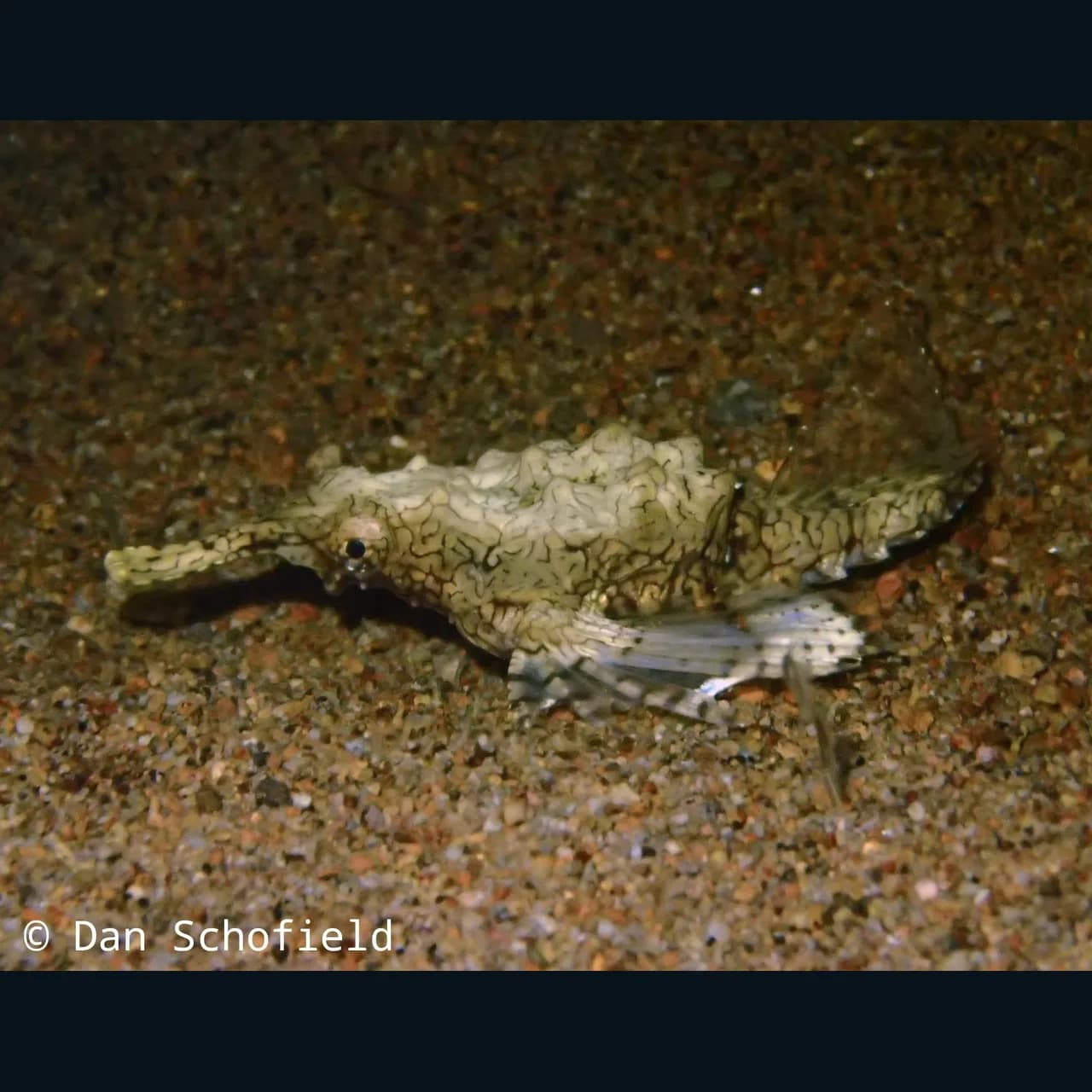
Little Dragonfish

Photo: Eurypegasus draconis 50688005.jpg — Dan Schofield · CC BY 4.0 · Full source frame fitted to a square canvas and resized to WebP; photographer watermark remains visible.

Little Dragonfish

General species description, not specific to this destination

The little dragonfish, also known as the sea moth or short dragonfish, is a bizarre bottom-dwelling fish with a flattened body, wing-like pectoral fins, and a long tubular snout. Its body is armored with bony plates and it uses its pelvic fins to walk along the sandy bottom.

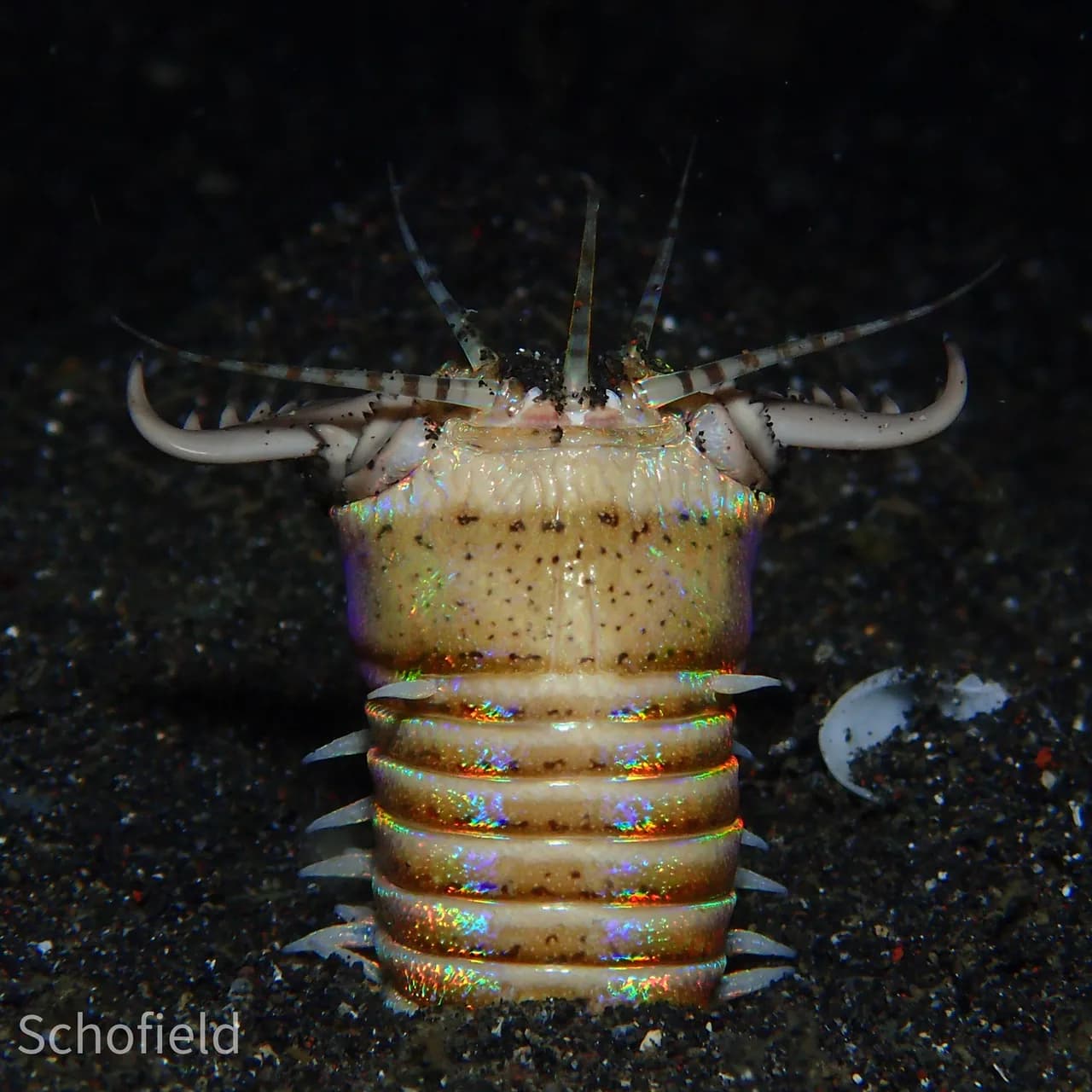
Bobbit Worm

Photo: Eunice aphroditois, iNaturalist observation 53826839, photo 85618067 — Dan Schofield · CC BY 4.0 · Cropped to a reviewer-selected 1536×1536 px square at (256, 0) of the 2048×1536 px original, resized to 1280×1280 (main) and downscaled to 400×400 (thumbnail), and encoded as WebP with metadata removed.

Bobbit Worm

General species description, not specific to this destination

The bobbit worm is a fearsome predatory polychaete worm that can grow up to 3 meters in length. It buries its long body in the sediment with only five antennae exposed, waiting to ambush unsuspecting prey with powerful jaws capable of slicing fish in half.

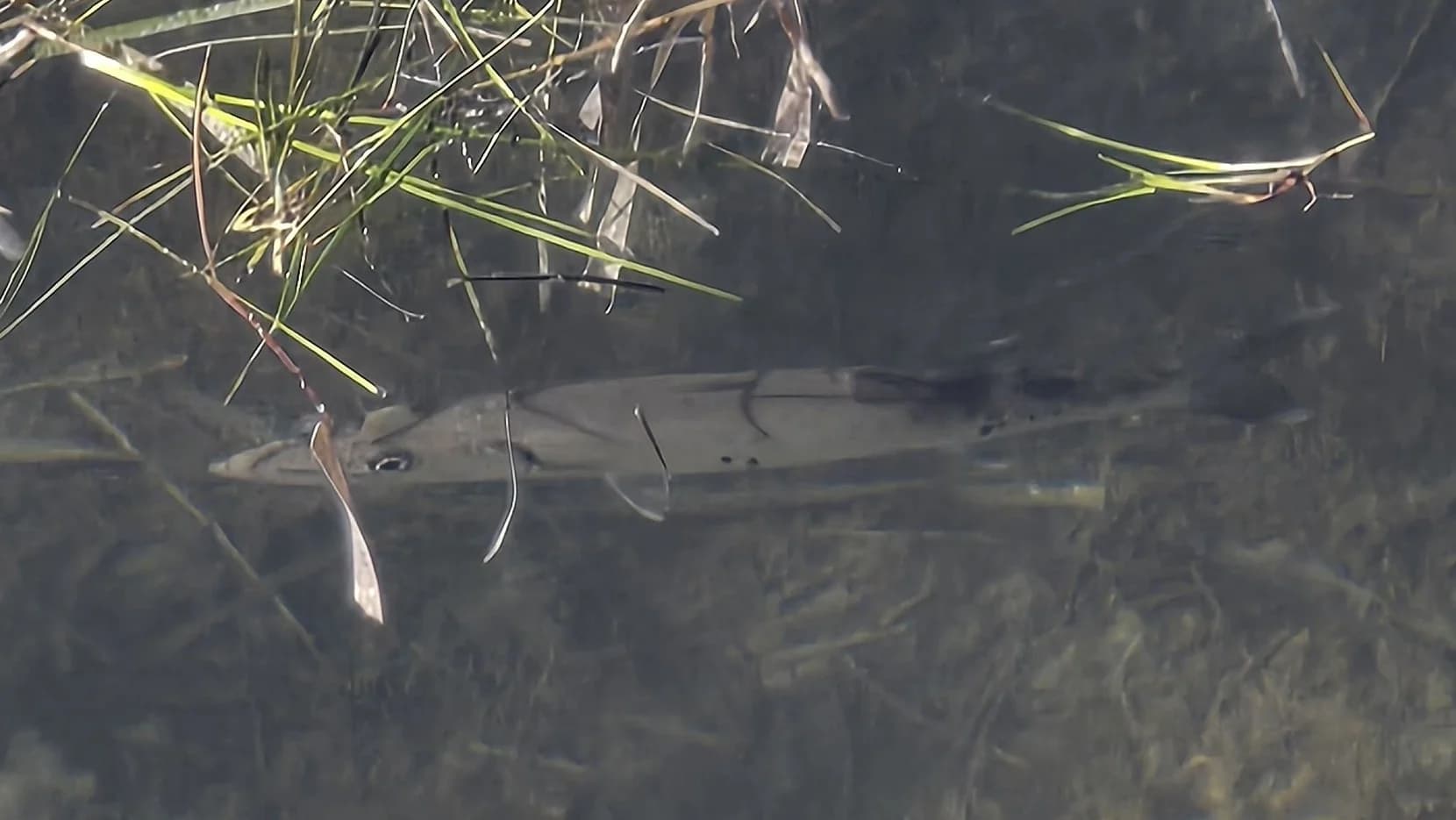
Great Barracuda

Great Barracuda

General species description, not specific to this destination

The Great Barracuda is an impressive predator with a streamlined body and powerful jaws filled with razor-sharp teeth. They can grow over 6 feet long and often hover motionless near the reef, curious about divers.

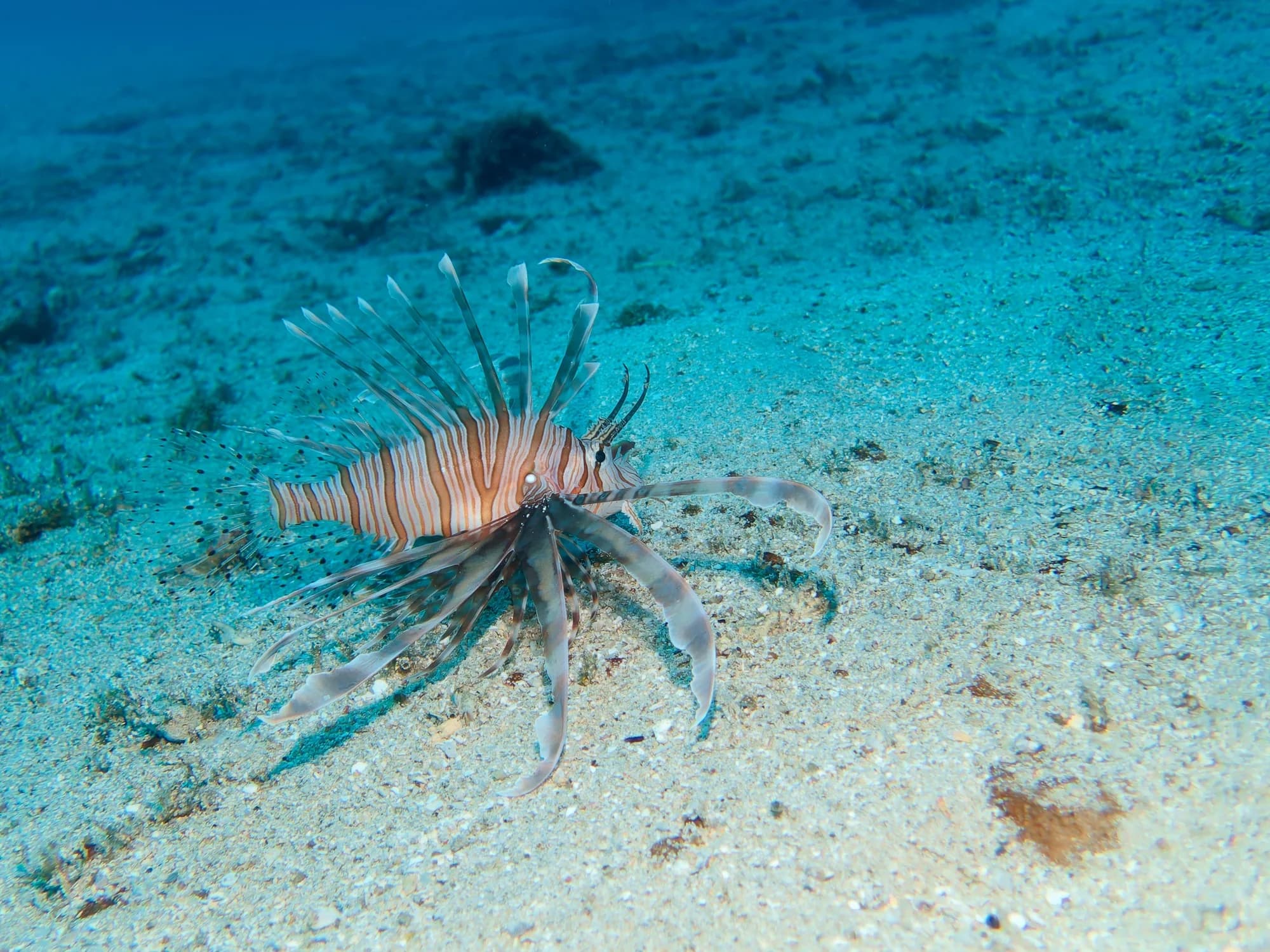
Common Lionfish

Common Lionfish

Destination note

Common throughout the strait on both muck and reef sites. Often found sheltering under overhangs and in wrecks during the day.

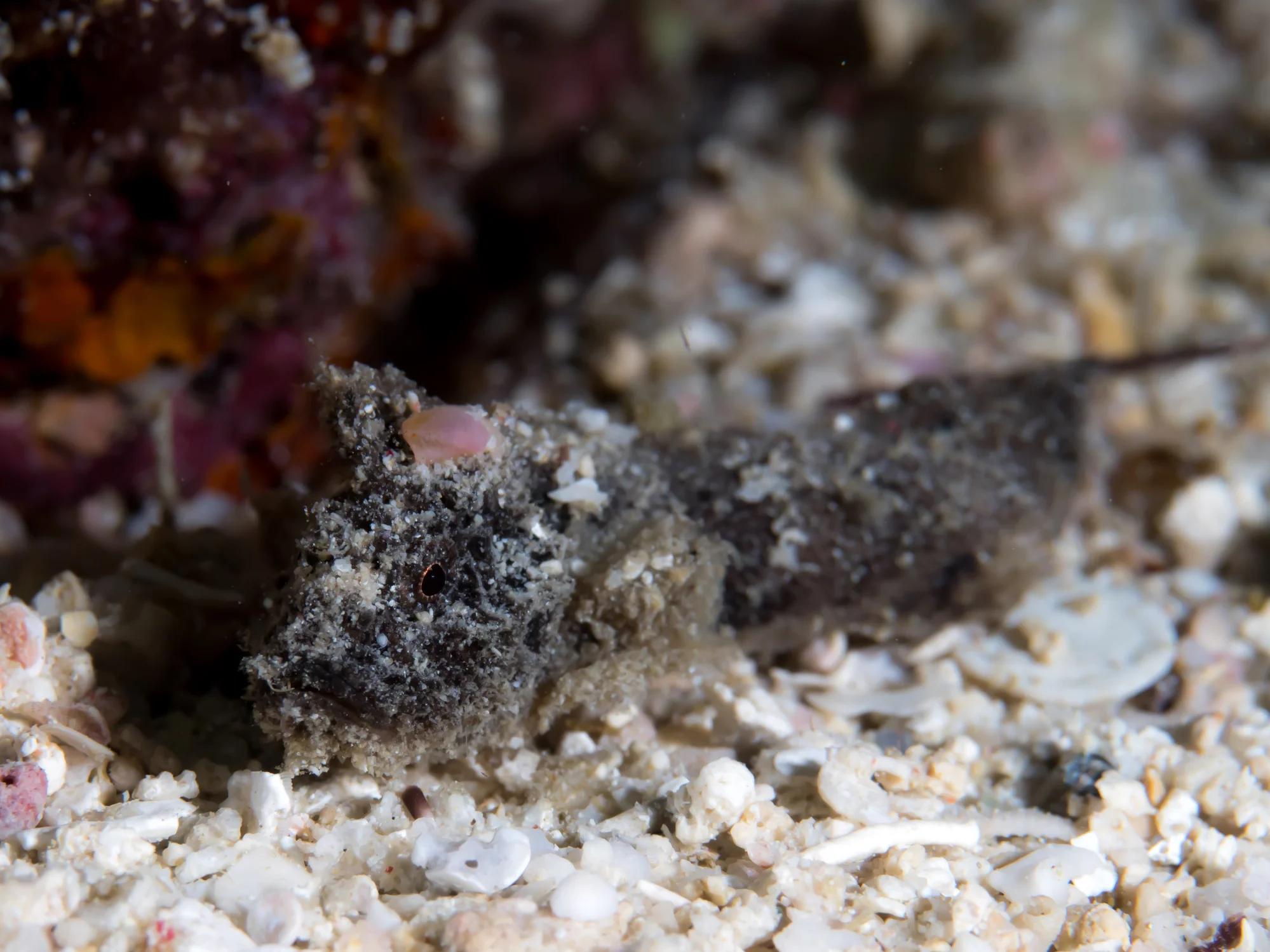
Kagoshima Velvetfish

Kagoshima Velvetfish

General species description, not specific to this destination

The Kagoshima velvetfish is a small, well-camouflaged scorpionfish relative with a velvety skin texture covered in small spinules. Its mottled brown and mottled coloration makes it nearly invisible against sandy and rubbly substrates in muck habitats.

+82more species in the app

Dive Shops (13)

Bastianos Froggies Lembeh Dive Resort

★ 4.4Moderate
Website ↗

Cocotinos Lembeh A Boutique Dive Lodge

★ 4.4Moderate
Website ↗

Eco Divers

★ 4.7Moderate
Website ↗

Rumah Selam Lembeh Dive Center

★ 4.9Moderate
Website ↗

Solitude Lembeh Resort

★ 4.7Moderate
Website ↗

YOS Dive lembeh - Eco Beach Resort

★ 4.7Moderate
Website ↗

Dive Into Lembeh

★ 4.7Moderate
Website ↗

Lembeh Resort - Dive Resort & Spa

★ 4.8Moderate
Website ↗

White Sands Beach Resort Lembeh

★ 4.4Moderate
Website ↗

NAD Lembeh Resort

★ 4.8Moderate
Website ↗

K2 Lembeh Dive Resort

★ 4.8Moderate
Website ↗

Two Fish Divers Lembeh Dive Resort

★ 4.6Moderate
Website ↗

Joe Diving Lembeh

★ 5Moderate
Website ↗

Guides

Safety

Hyperbaric chamber

Malalayang Hospital Hyperbaric Chamber

+62 431 8383058

Hospital

Siloam Hospital Manado

+62 431 7290900

Police

Indonesian National Police

110

Coast guard

BASARNAS (Search & Rescue)

115

Hyperbaric chamber

No verified recompression chamber on record.

Contact DAN: +1 919 684 9111

Bring Lembeh Strait underwater

Offline access, dive log, AI fish ID, live site maps, and trip planning.

Download on the App Store