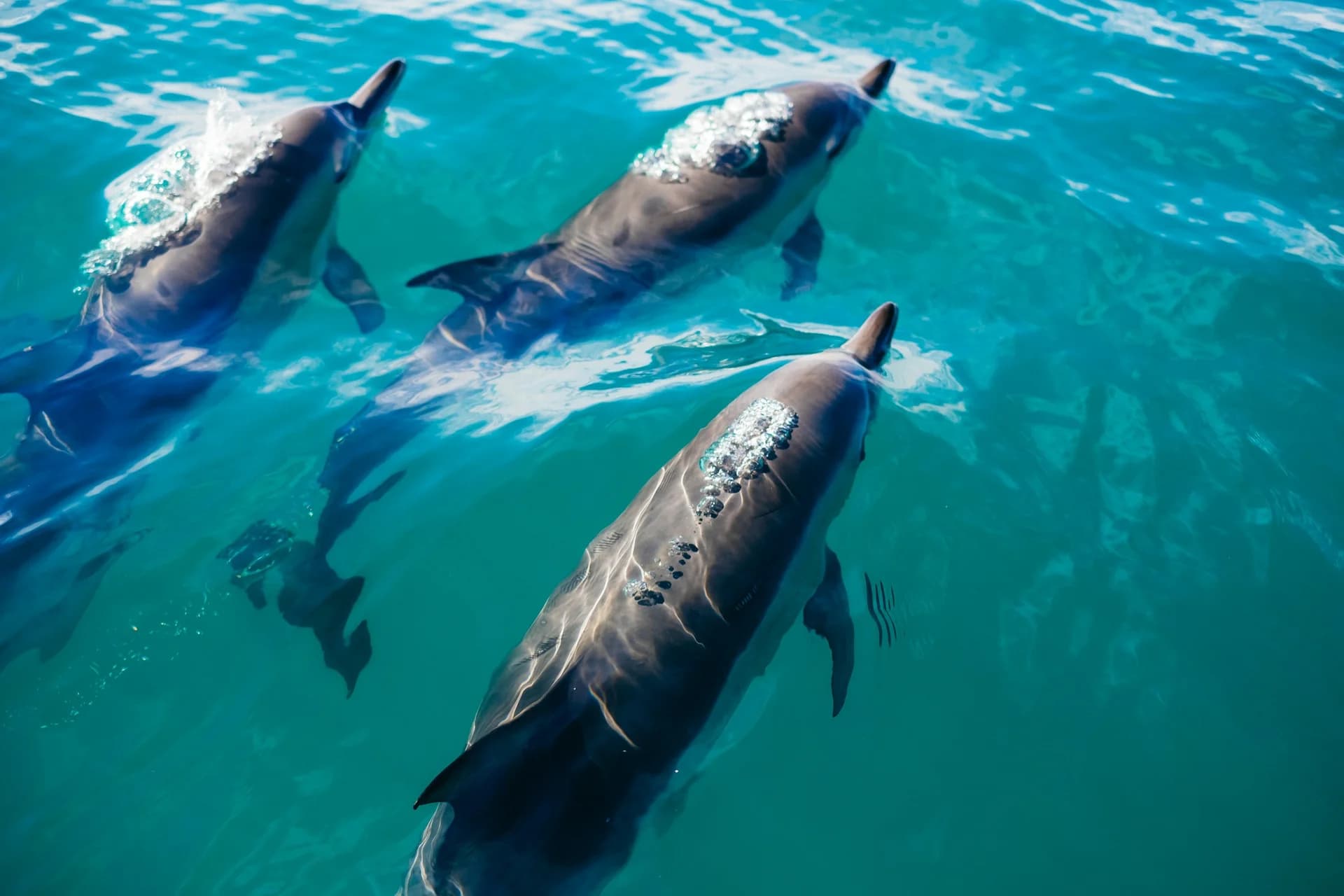
Atlantic Bottlenose Dolphin
General species description, not specific to this destination
Occasionally seen while traveling between dive sites. A real treat!
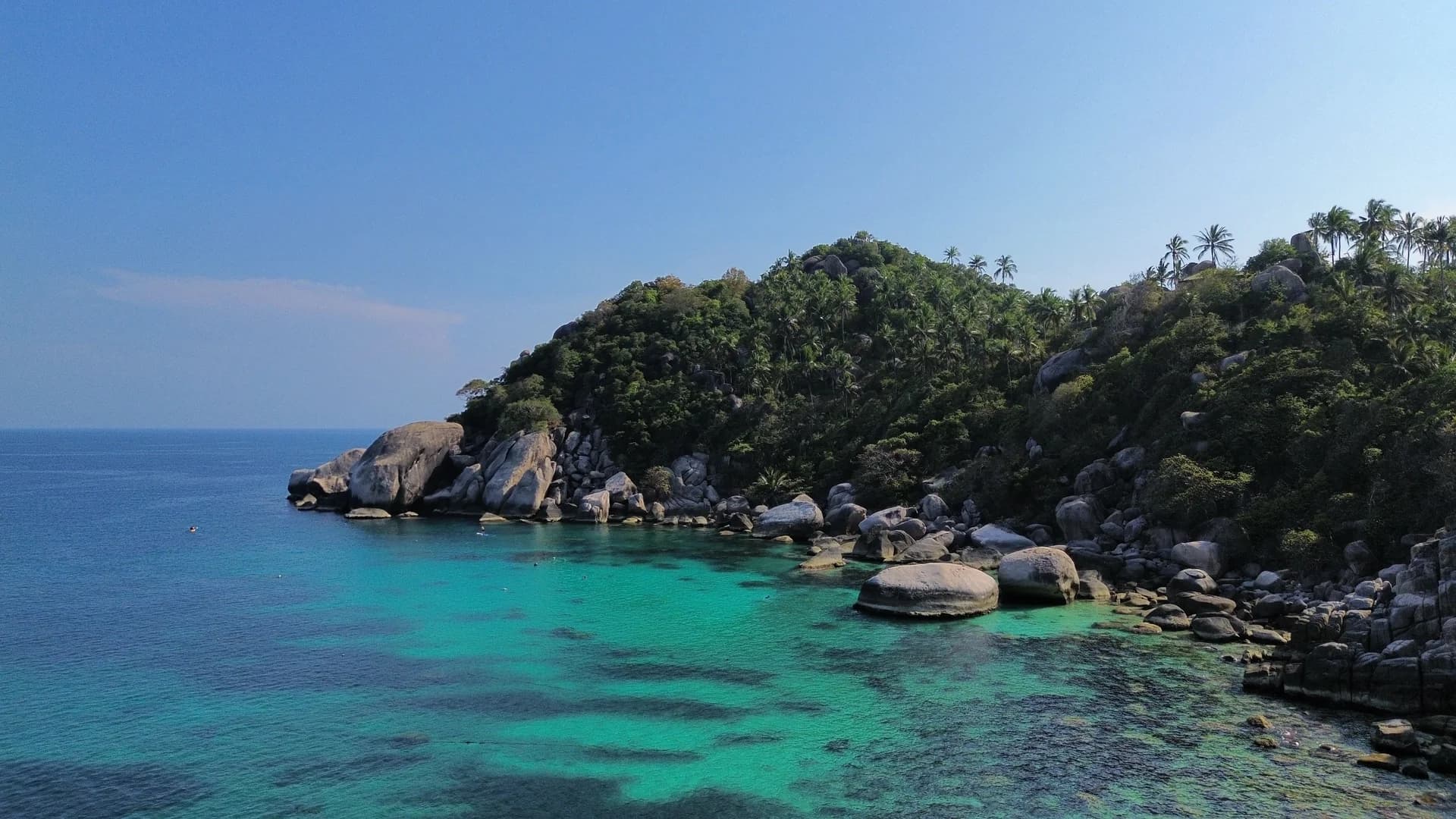
Thailand
Photo: mirthe diender / Pexels
Koh Tao (Turtle Island) is the Gulf of Thailand's diving mecca and the world's most prolific diver certification destination — certifying more new divers per square kilometer than anywhere on Earth. This granite boulder island in the Chumphon Archipelago offers 26+ named dive sites from shallow beginner bays to offshore pinnacles attracting whale sharks. The dramatic underwater terrain features massive granite formations, swim-throughs, caverns, and the iconic Sail Rock chimney. Water temperatures hold steady at 27–30°C year-round with visibility from 5m to 25m. The island's compact size (21 km²) and dense concentration of dive centers (21+ PADI/SSI operators) make it the most accessible and affordable dive training hub in Southeast Asia. Home to its own hyperbaric chamber and healthy populations of reef sharks, turtles, and seasonal whale sharks (peak March), Koh Tao combines world-class diving with Thailand's signature hospitality at backpacker-friendly prices.
Select a pin to learn more. Use the zoom buttons or pinch to zoom.
Loading map…
16 places have no verified map location yet. Browse the page lists for more places.
27–30 °C
5–25 m
2–40 m
Moderate
December to March for best visibility and calm seas; February to April for whale sharks
| Month | Summary |
|---|---|
| Jan | Peak dry season conditions: 27°C water, 15–25m visibility, calm seas. Whale shark season begins. All sites accessible including offshore pinnacles. A 3mm wetsuit is sufficient for most divers. Busy period — book dive packages in advance. |
| Feb | Excellent conditions continue: 27°C water, 15–25m visibility. Prime whale shark month. Best month for offshore pinnacles (Chumphon, Sail Rock) with calmest seas. Water begins warming slightly by late February. |
| Mar | Peak whale shark month — Koh Tao's best month overall for diving. 28°C water, 15–25m visibility, calm seas. All marine life at maximum activity. Whale shark encounters most frequent. Book well ahead — this is the busiest diving month. |
| Apr | Hot season begins: 29°C water, 12–20m visibility. Whale shark sightings continue, conditions still very good. Water warm enough for rash guard or 3mm shorty. Songkran (Thai New Year) mid-month brings festive atmosphere. Slightly lower crowds than March. |
| May | Warm water at 29°C, visibility 12–20m. Good diving conditions continue. Triggerfish nesting season — maintain distance from nests (aggressive territorial behavior). Water warmest for shallow reef dives. Monsoon still distant. |
| Jun | Early monsoon transition: 29°C water, 10–18m visibility. Conditions remain diveable on west coast and protected bays. East coast sites may experience wind chop. Offshore pinnacles still accessible most days. Fewer tourists — more relaxed pace. |
| Jul | Monsoon conditions: 29°C water, 10–18m visibility. Windier with rougher seas, especially on east coast. West coast and protected bays (Japanese Gardens, Mango Bay, Twins) remain reliably diveable. Offshore pinnacles may be canceled on windy days. Low tourist season — uncrowded sites and discounted packages. |
| Aug | Peak monsoon: 29°C water, 10–18m visibility. Roughest sea conditions of the year. Stick to sheltered west coast and Nangyuan sites. Offshore trips limited — check daily with dive operators. Warmest water temperatures make for comfortable shallow diving. Lowest prices of the year. |
| Sep | Monsoon easing: 28°C water, 8–15m visibility. Transitional month — conditions improving through September. West coast sites still the best option. Offshore pinnacles begin reopening by late September. Lower visibility but rich plankton brings more pelagics. Good month for macro photography. |
| Oct | Monsoon transition ending: 28°C water, 8–15m visibility. Variable conditions — can be excellent or rough depending on weather patterns. Offshore sites reopening. Leopard shark season begins around HTMS Sattakut. Shoulder season pricing — good value. |
| Nov | Dry season approaching: 27°C water, 10–18m visibility. Conditions improving rapidly — seas calming, visibility clearing. Leopard sharks regular at Lighthouse Bay, Red Rock, and Sattakut wreck. Excellent value month with good conditions and low crowds. 5mm wetsuit recommended as water cools. |
| Dec | Dry season returns: 27°C water, 12–20m visibility. Excellent diving conditions returning across all sites including offshore pinnacles. Christmas and New Year period is very busy — book well ahead. Cooler air temperatures make surface intervals pleasant. A 3mm wetsuit comfortable for most. |
2–20m · Beginner
Coral garden · Shore dive
Sandy bay
3–14m · Beginner
Shore dive
Sandy bay · Patch reef
2–12m · Beginner
Shore dive
Sandy bay · Patch reef
3–14m · Beginner
Shore dive
Sandy bay · Patch reef
14–36m · Advanced
Pinnacle · Pelagics
boulders
3–15m · Beginner
Seagrass · Coral garden
Sandy bay
5–26m · Beginner
Swim-throughs · Cavern
boulders
5–28m · Intermediate
Coral garden · Swim-throughs
arch
Species recorded in this destination's wider regional catalogue. A species being listed here does not mean it is seen at this destination — check the note on each card.
Atlantic Bottlenose Dolphin
General species description, not specific to this destination
Occasionally seen while traveling between dive sites. A real treat!
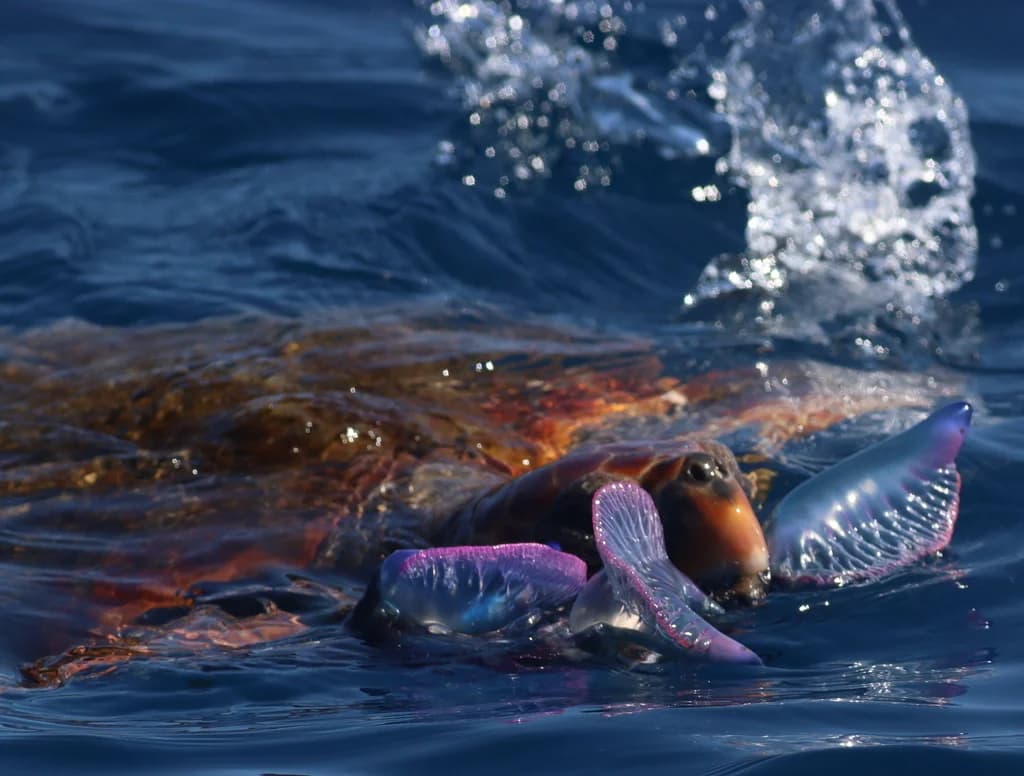
Loggerhead Turtle
General species description, not specific to this destination
The Loggerhead Turtle is the largest hard-shelled sea turtle, named for its massive head. While less common than Green and Hawksbill turtles on Caribbean reefs, they can be spotted at deeper reef sites.
Great Hammerhead
General species description, not specific to this destination
The Great Hammerhead is the largest of all hammerhead species, instantly recognizable by its massive, flattened head extension called a cephalofoil. This prehistoric-looking predator can reach lengths of up to 20 feet, with a distinctive tall, sickle-shaped dorsal fin. Their unique head shape houses electroreceptors that help them hunt stingrays buried in sand. Great Hammerheads are solitary hunters, often seen cruising along reef walls and sandy bottoms. Despite their intimidating size, they're generally shy around divers and will often move away when approached. Their powerful swimming style and graceful movements make encounters truly memorable for fortunate divers.
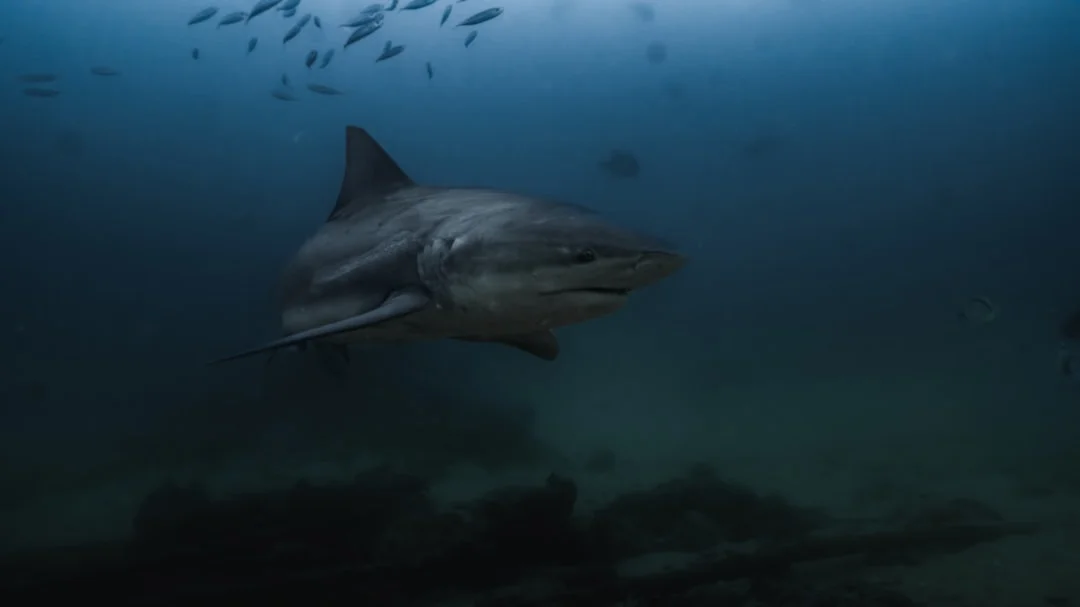
Bull Shark
Destination note
Rare seasonal visitor to offshore pinnacles; most frequently reported at Sail Rock and Chumphon Pinnacle during dry season months Dec-Apr; solitary, typically seen cruising at depth
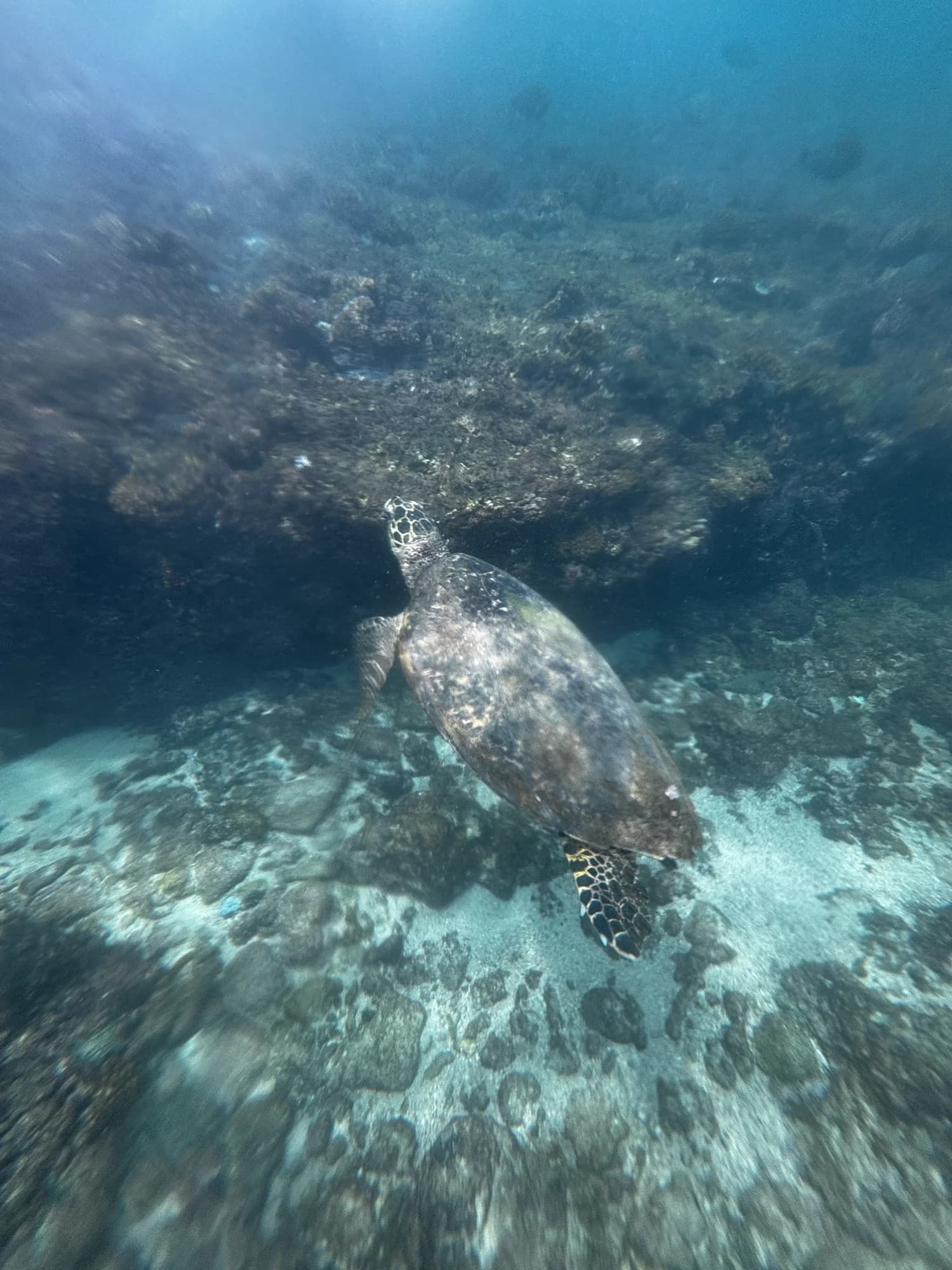
Hawksbill Turtle
Destination note
Resident breeder, frequently seen year-round on shallow reefs and nesting beaches; peak nesting season Dec-Apr
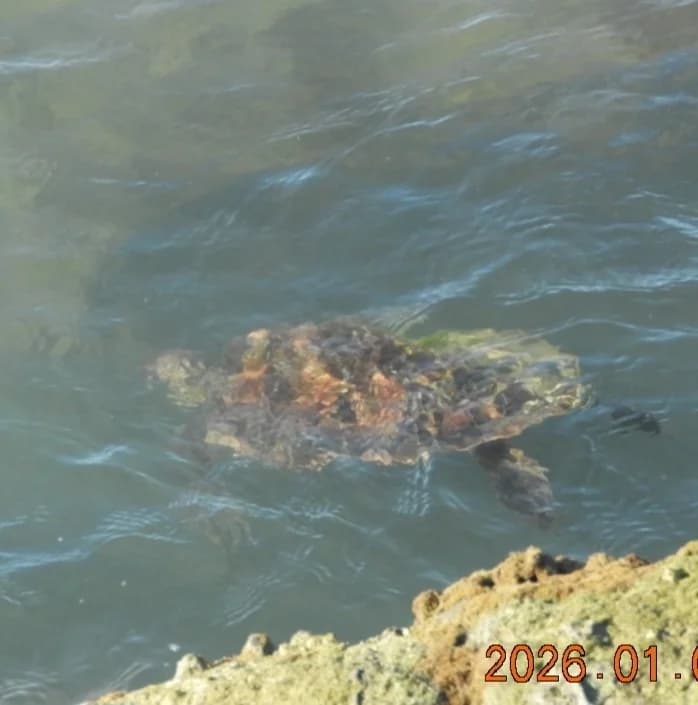
Green Sea Turtle
Destination note
Common resident, often seen grazing on seagrass beds in shallow bays like Mango Bay and Japanese Gardens
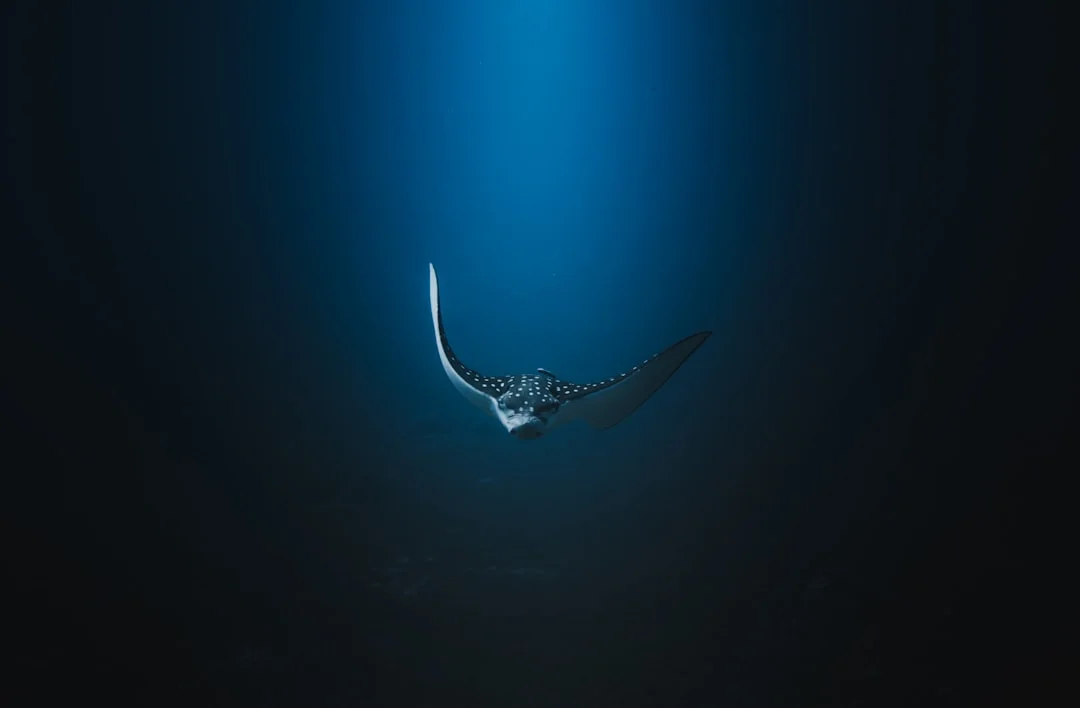
Spotted Eagle Ray
Destination note
Occasional visitor to offshore reefs and pinnacles; solitary or in small groups, most frequently sighted at Chumphon Pinnacle, Sail Rock, and South West Pinnacle
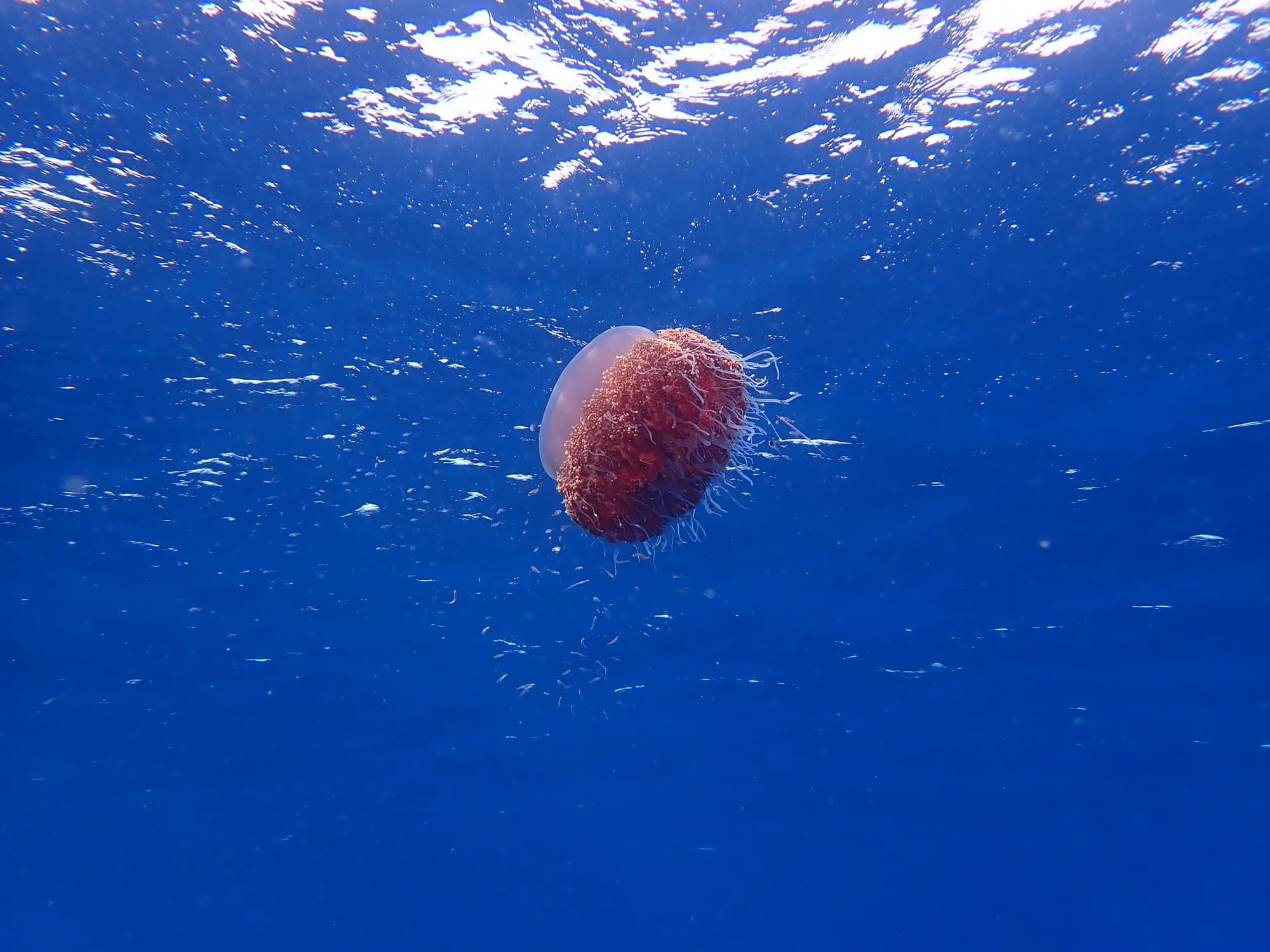
Crowned Jellyfish
General species description, not specific to this destination
A marine species with typical characteristics for its taxonomic group. Found in various marine habitats.
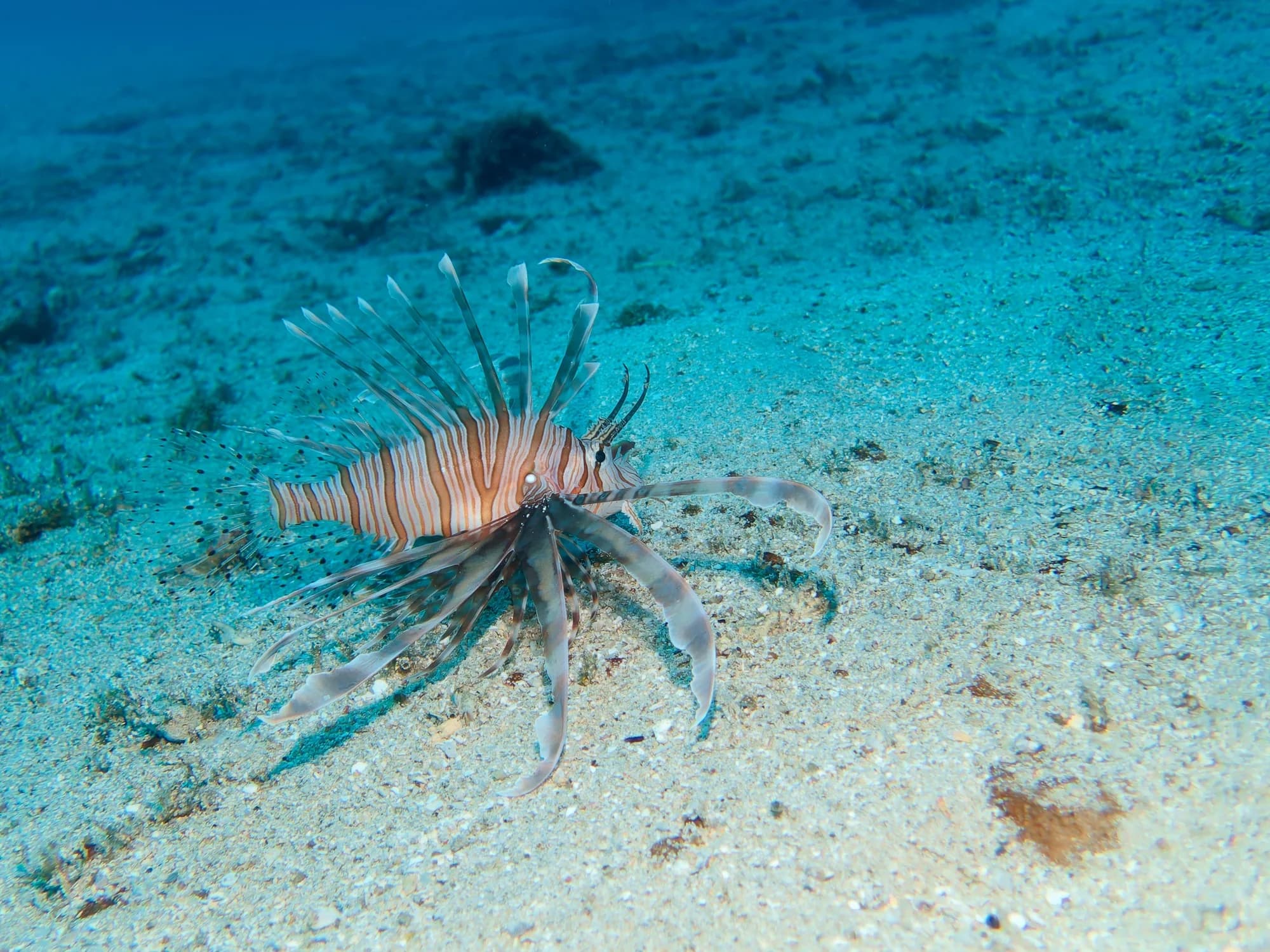
Common Lionfish
General species description, not specific to this destination
The stunning Common Lionfish is immediately recognizable by its dramatic fan-like pectoral fins and bold red, white, and brown stripes. These graceful predators glide slowly through the water with their venomous spines spread wide like a feathered headdress. Despite their beauty, lionfish are aggressive hunters that use their large mouths to vacuum up small fish and crustaceans. Originally from the Indo-Pacific, they've become established invaders in Caribbean waters. Divers often spot them hovering near coral formations or rocky overhangs during the day, moving with deliberate, almost theatrical movements. Their confidence underwater is striking – they rarely flee from approaching divers, making them excellent photography subjects when observed from a respectful distance.
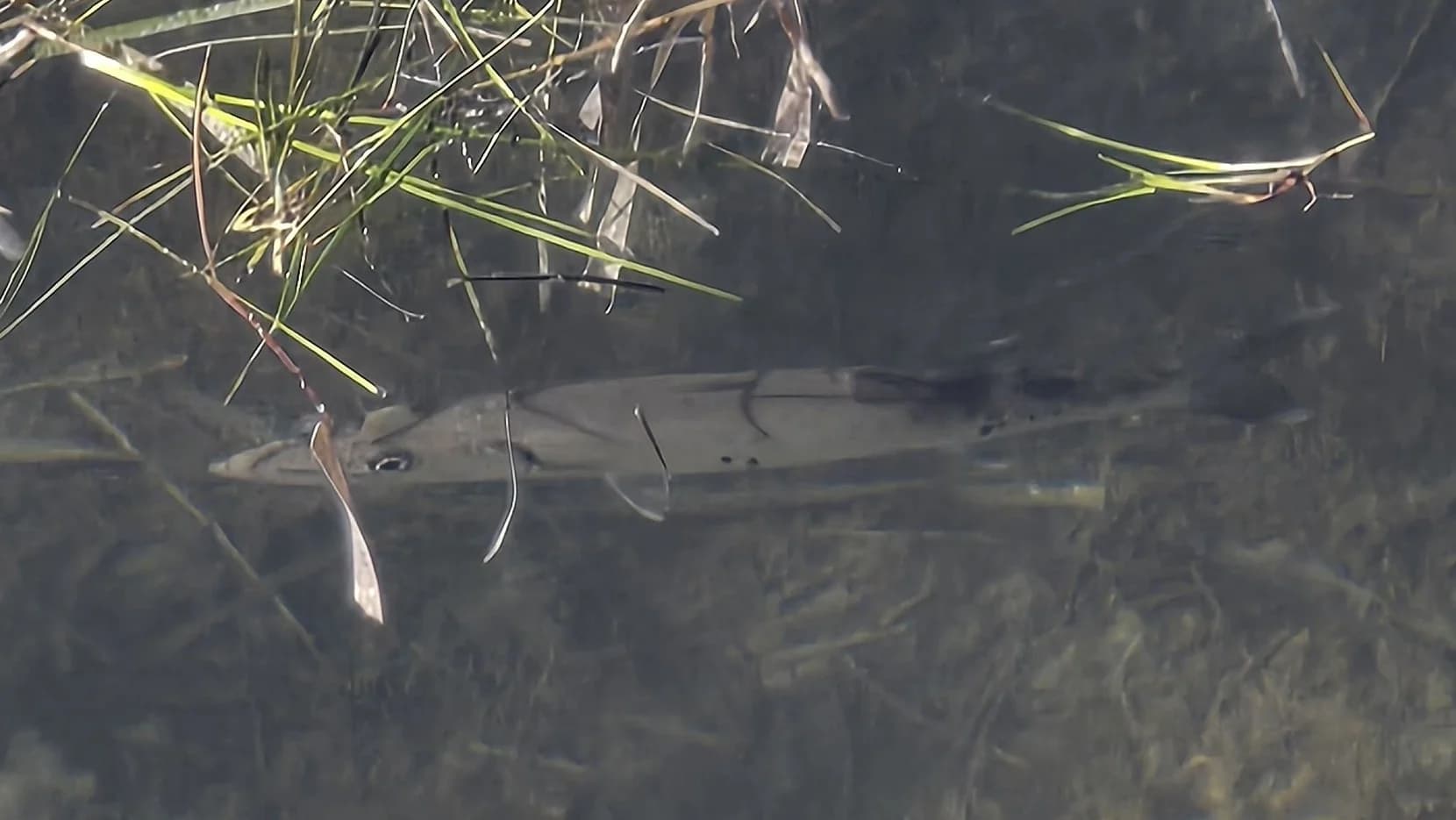
Great Barracuda
Destination note
Common resident at offshore pinnacles and deep reef sites; solitary or in small groups, frequently seen at Sail Rock and Chumphon Pinnacle during Dec-Apr season
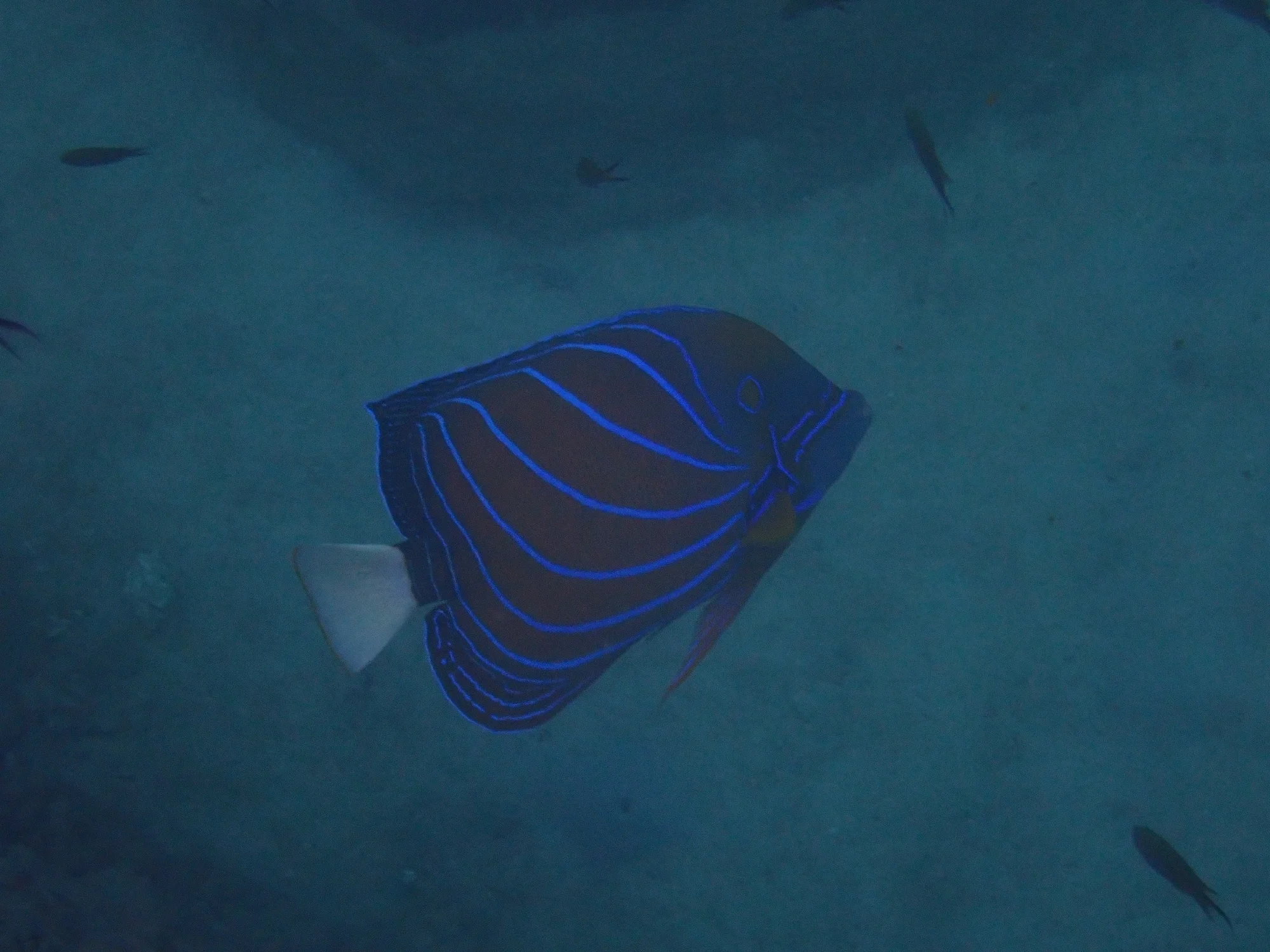
Blue-ring Angelfish
General species description, not specific to this destination
The blue-ring angelfish is a large, deep-bodied reef fish with a yellowish to brown body, vivid curved blue lines, and a prominent blue ring above the gill cover. Juveniles are dark with pale blue and white arcs, changing pattern as they mature. It grazes sponges and tunicates and is one of the more conspicuous angelfishes on Indo-Pacific reefs.
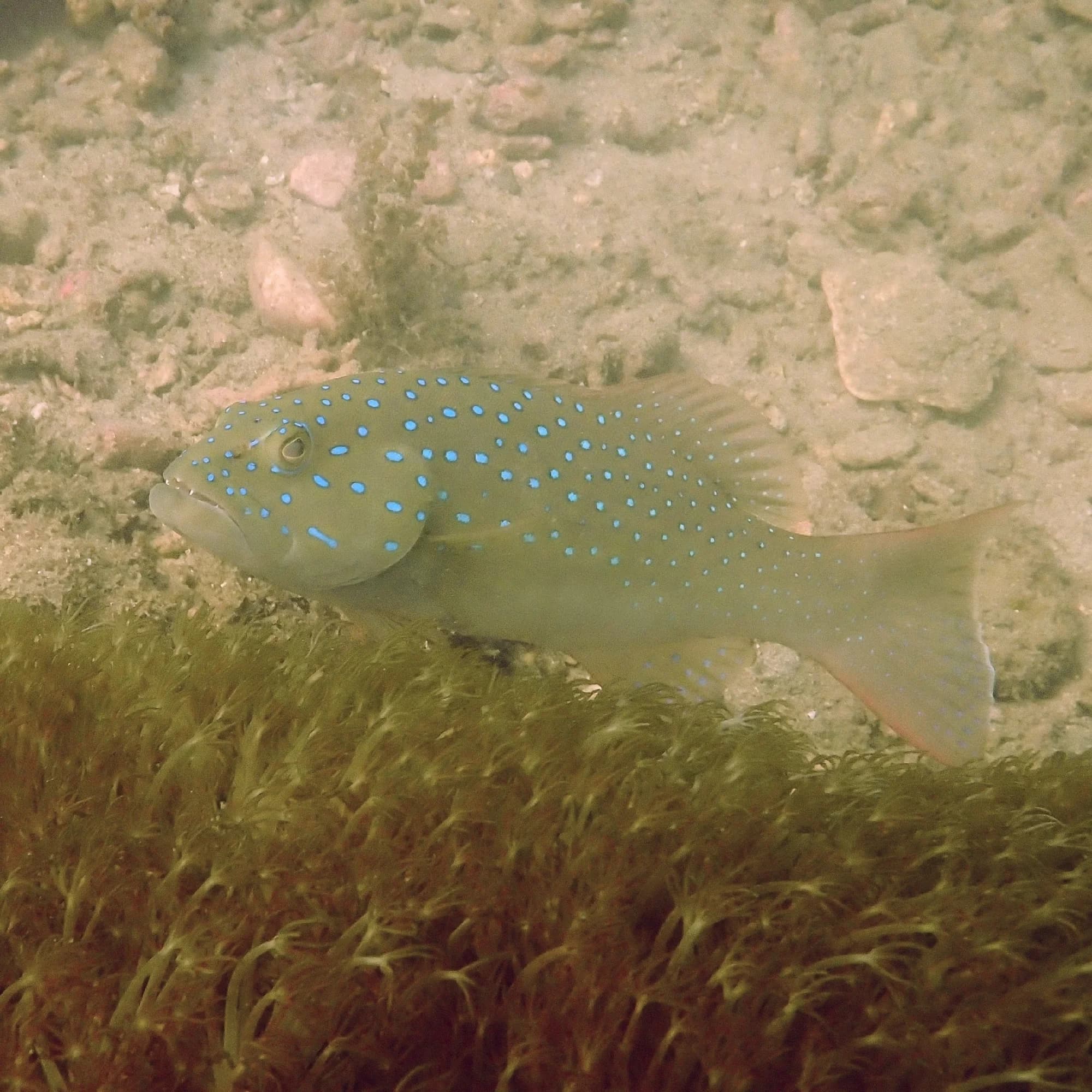
Spotted Coral Grouper
General species description, not specific to this destination
A marine species with typical characteristics for its taxonomic group. Found in various marine habitats.
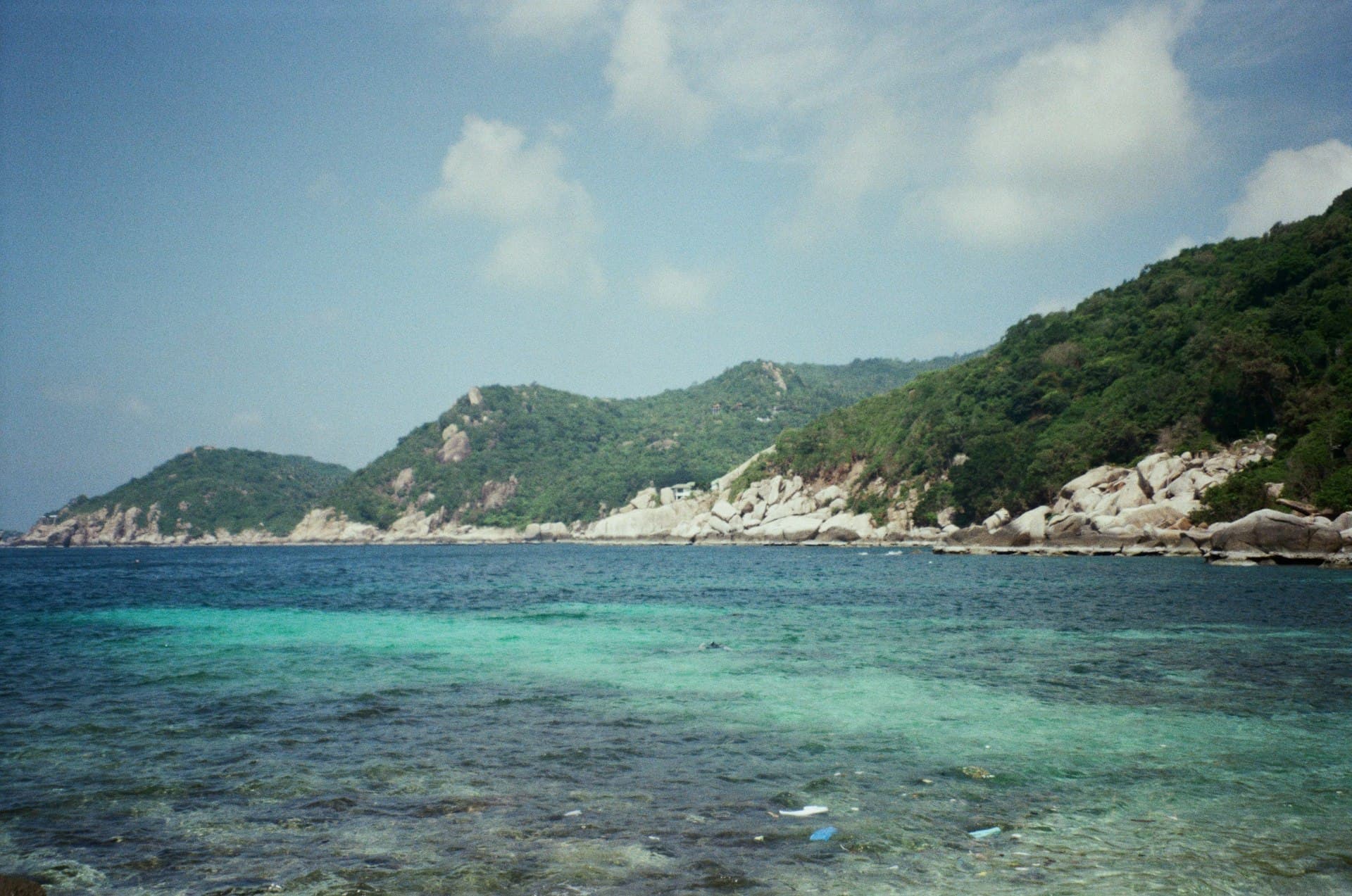
From whale shark encounters at Chumphon Pinnacle to beginner bays at Japanese Gardens — ranked guide to the 12 best dive sites on Koh Tao, Thailand.
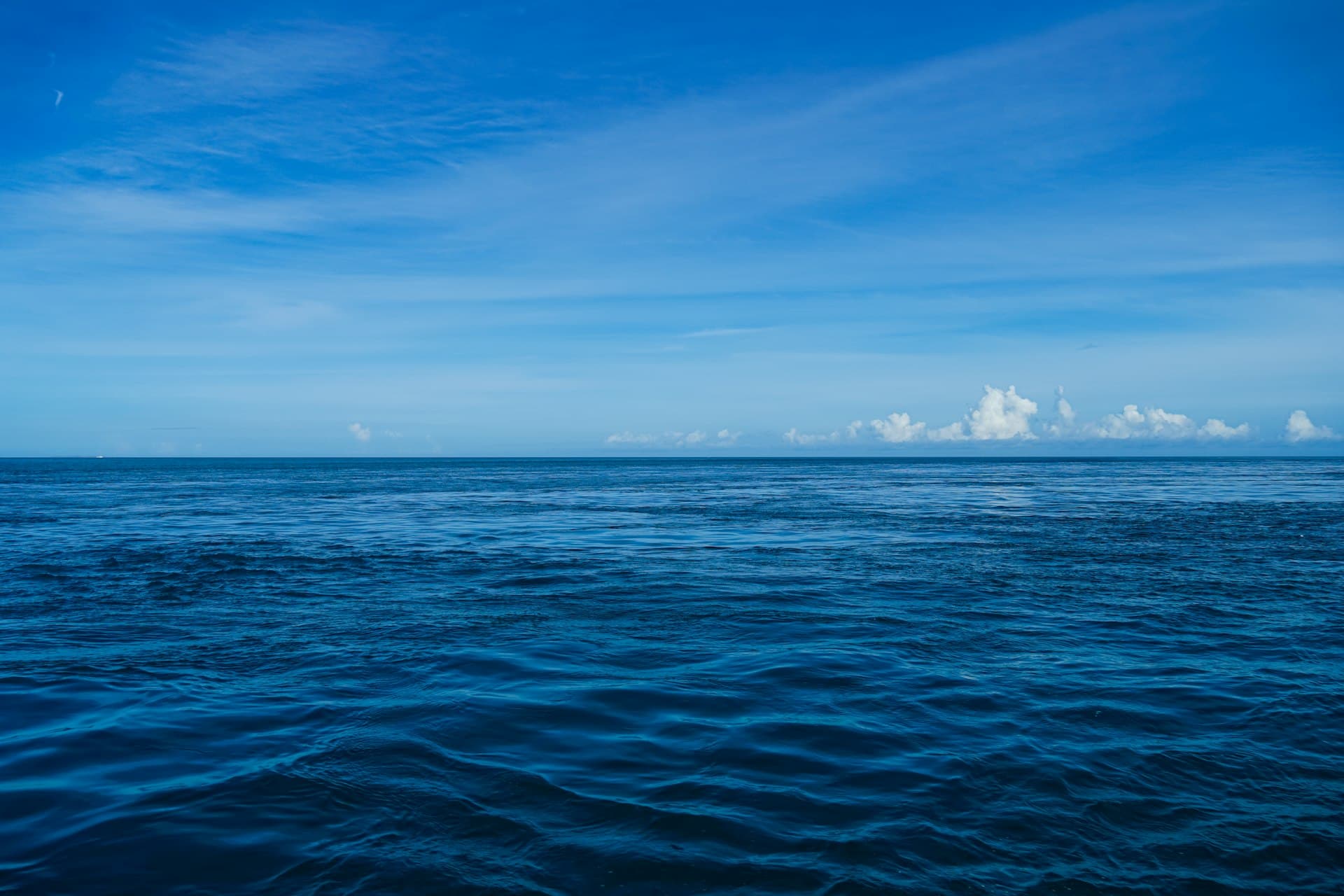
Water 27–30°C, visibility 5–25 m, and three distinct seasons. Complete month-by-month guide to diving conditions on Koh Tao, Thailand.
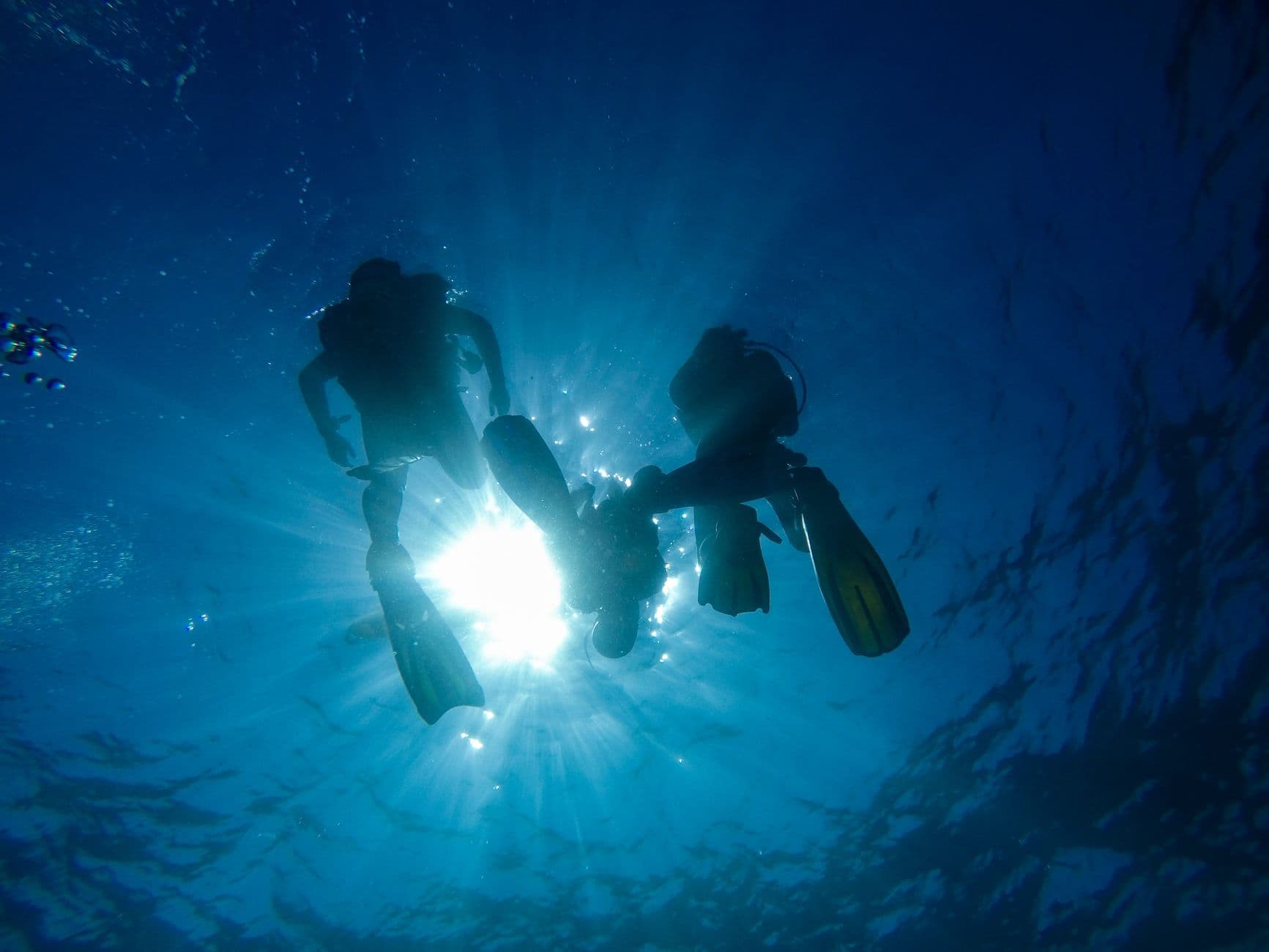
26 dive sites, 50+ dive shops, and the cheapest Open Water courses on earth — all on a 21 km² island. Complete guide to diving Koh Tao, Thailand.
Offline access, dive log, AI fish ID, live site maps, and trip planning.
Download on the App Store