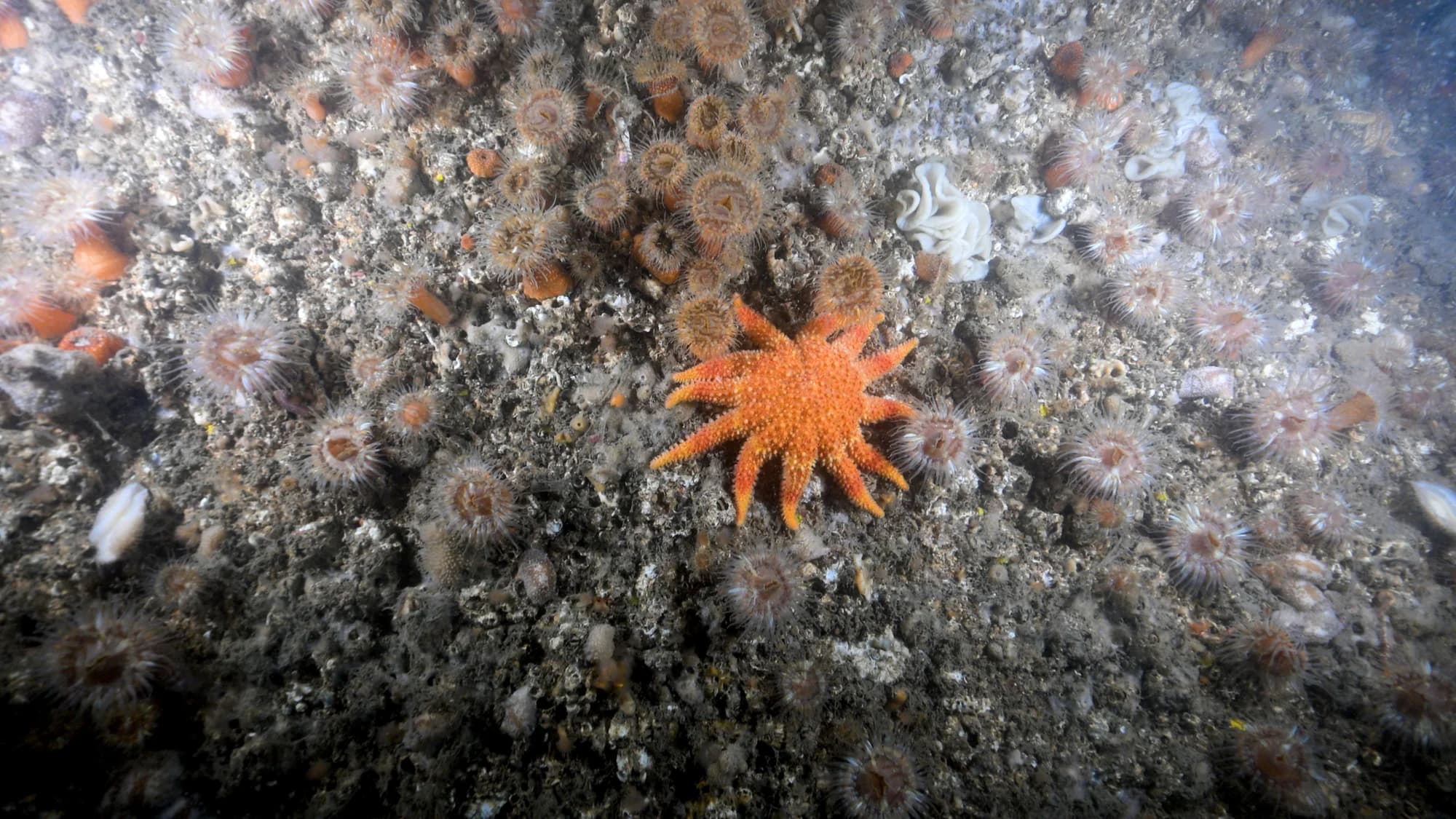
Common Sunstar
Destination note
This species belongs to the wider Icelandic marine fauna and is not present in Silfra, which is an isolated freshwater fissure with virtually no visible animal life.
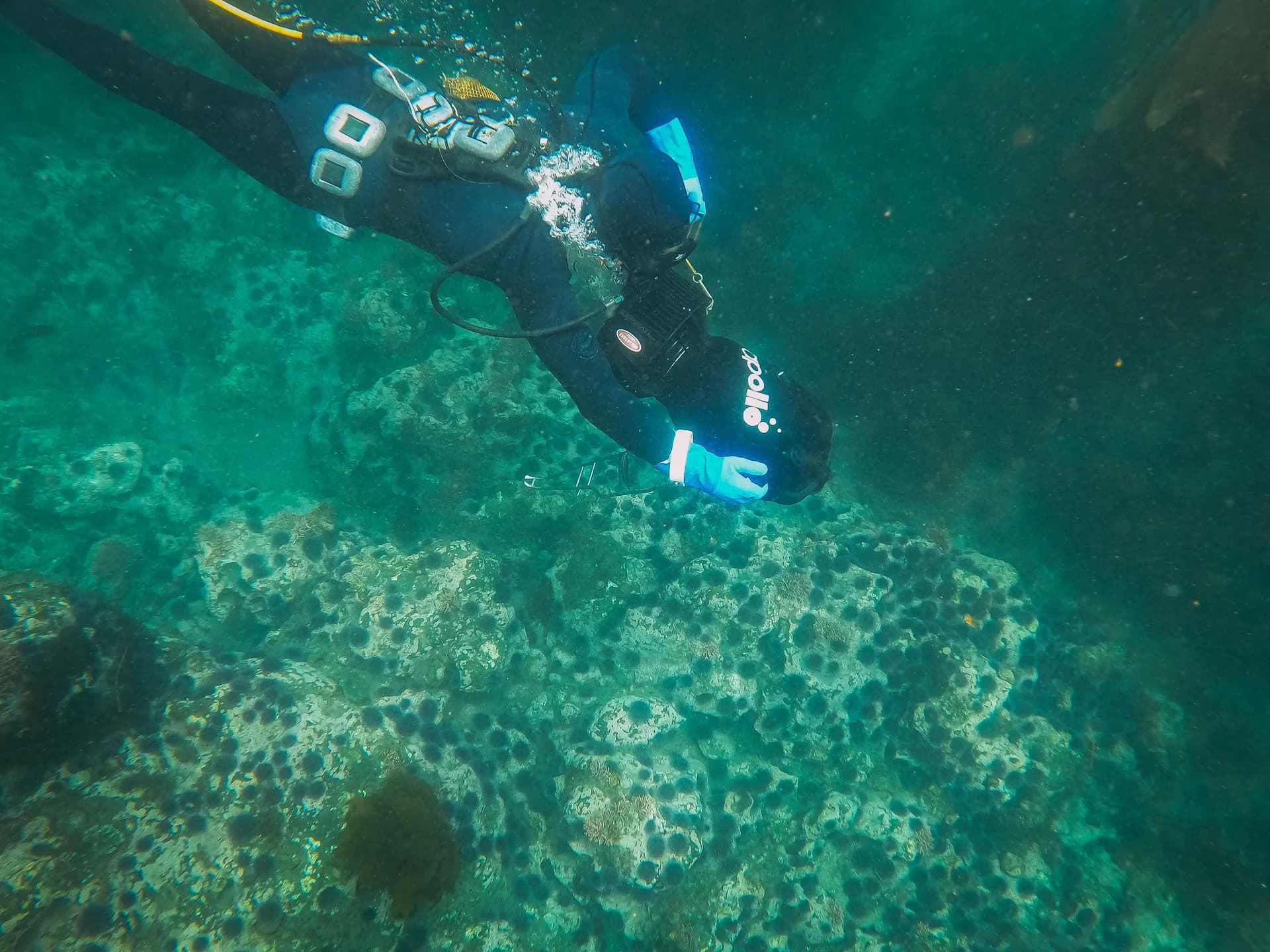
Iceland
Photo: Kindel Media / Pexels
Dive between two continents in the crystal-clear waters of Silfra, located in the Mid-Atlantic Ridge within Thingvellir National Park, a UNESCO World Heritage Site. The fissure is filled with glacial melt water filtered through porous lava for 30-100 years, offering exceptional 100-200m visibility of the tectonic plates separating at 2cm per year. No tropical reefs or wrecks - the unique feature is the geological rift itself, with lava rock formations, algae growth, and extraordinary underwater clarity.
Select a pin to learn more. Use the zoom buttons or pinch to zoom.
Loading map…
2–4 °C
100–200 m
5–63 m
None
Year-round accessible; summer offers longer days and milder weather, winter provides fewer crowds and Northern Lights potential
| Month | Summary |
|---|---|
| Jan | 2-4C water temperature, excellent 100-200m visibility, potential surface ice but water remains liquid and diveable with proper drysuit equipment. Fewer crowds, possible Northern Lights viewing after dives. |
| Feb | Same extreme clarity and 2-4C water as January. Shortest days in Iceland but still plenty of daylight for diving. Surface ice possible but operators manage access. |
| Mar | Transition from winter to spring. Increasing daylight hours. Water temperature remains constant at 2-4C. Visibility still exceptional. Fewer tourists begin arriving. |
| Apr | Spring conditions with longer days. Water still 2-4C. Visibility excellent. Good time for diving with milder weather topside compared to winter. |
| May | Late spring, rapid increase in daylight. 2-4C water, 100-200m visibility. Fewer crowds than summer. Ideal shoulder season for experienced divers seeking solitude. |
| Jun | Summer begins with near-continuous daylight. Warmest weather topside. Water still 2-4C. Most popular season with more tourist activity but same incredible visibility. |
| Jul | Peak summer. Warmest topside weather in Iceland. Extended dive windows from Midnight Sun. Water remains 2-4C. Highest tourist season - book operators well in advance. |
| Aug | Late summer. Days start shortening slightly. Water temperature constant. Still peak tourist season but crowds thin toward end of month. Excellent diving conditions continue. |
| Sep | Autumn begins. Rapidly shortening days. Water still 2-4C. Visibility remains exceptional. Fewer tourists, lower prices. First chance of Northern Lights late in month. |
| Oct | Full autumn. Shorter days, cooler weather. 2-4C water, 100-200m visibility. Good value season with fewer divers. Northern Lights visibility increases toward month end. |
| Nov | Late autumn approaching winter. Short days, cold weather topside. Water remains 2-4C. Very few divers. Northern Lights season well underway. Best for dedicated divers seeking solitude. |
| Dec | Winter returns. Very short days. 2-4C water, exceptional visibility. Potential surface ice but water diveable. Christmas period - limited operator schedules. Northern Lights peak season. |
15–25m · Advanced
Cathedral-like narrow passage · Exceptional light penetration · Longer swim required
10–20m · Intermediate
Lava rock walls · Tectonic plate visibility · Exceptional clarity
5–15m · Beginner
Sandy bottom
Shallow water · Training-friendly
Species recorded in this destination's wider regional catalogue. A species being listed here does not mean it is seen at this destination — check the note on each card.
Common Sunstar
Destination note
This species belongs to the wider Icelandic marine fauna and is not present in Silfra, which is an isolated freshwater fissure with virtually no visible animal life.
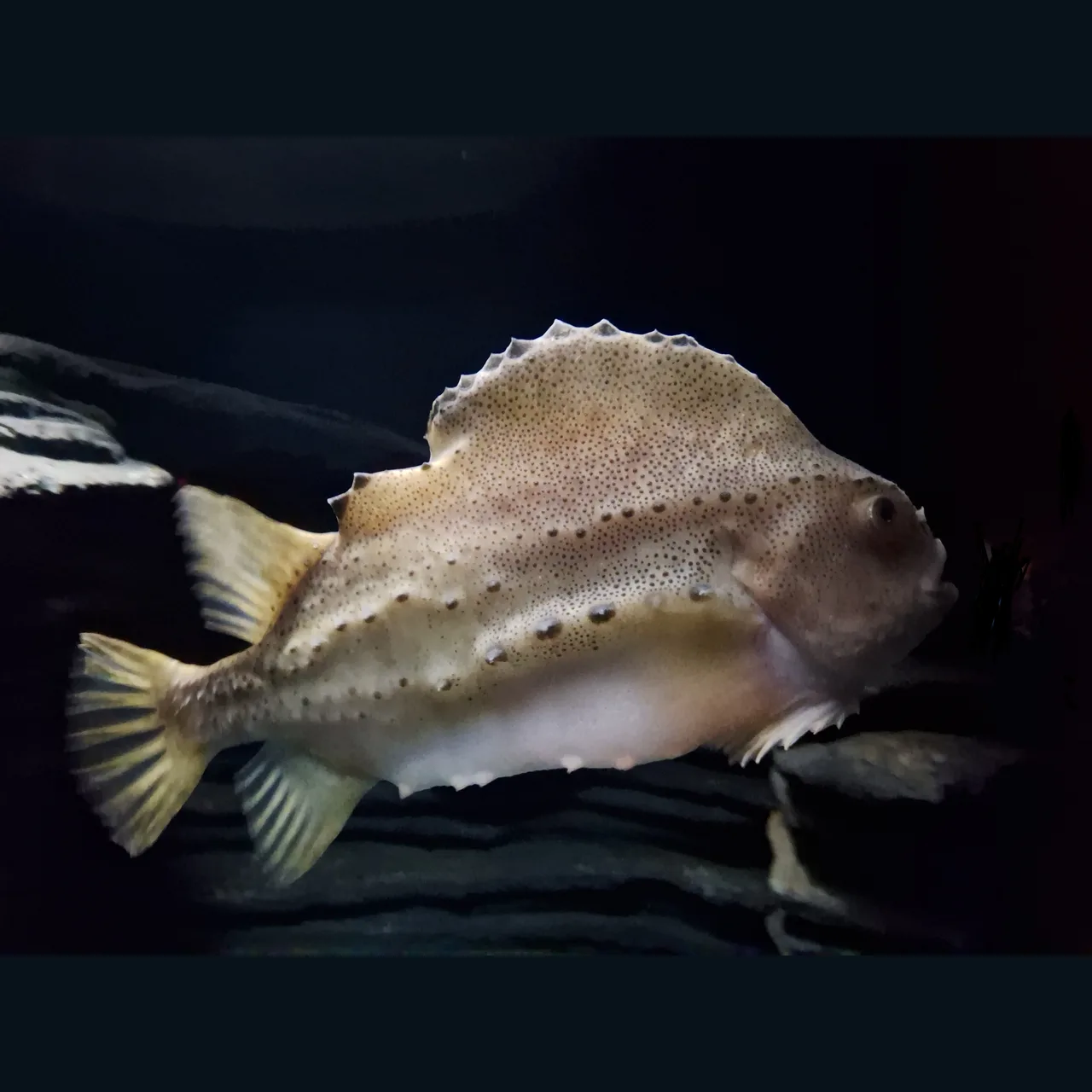
Photo: Lumpfish-Cyclopterus lumpus.jpg — Deadlymeap · CC BY-SA 4.0 · Full source frame fitted to a square canvas; resized and encoded as WebP for main (1280×1280) and thumbnail (400×400).
Lumpsucker
Destination note
This species belongs to the wider Icelandic marine fauna and is not present in Silfra, which is an isolated freshwater fissure with virtually no visible animal life.
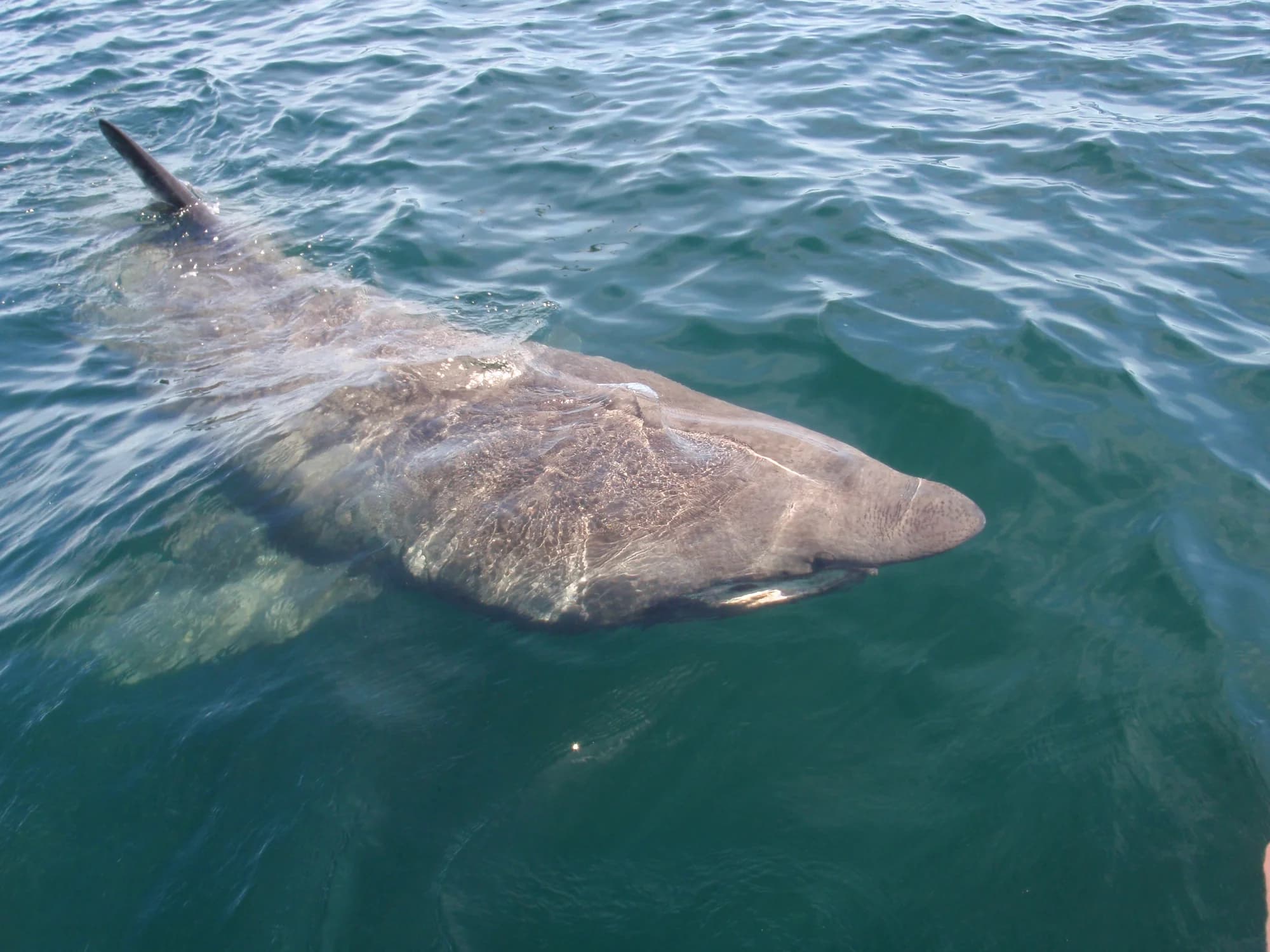
Basking Shark
Destination note
This species belongs to the wider Icelandic marine fauna and is not present in Silfra, which is an isolated freshwater fissure with virtually no visible animal life.
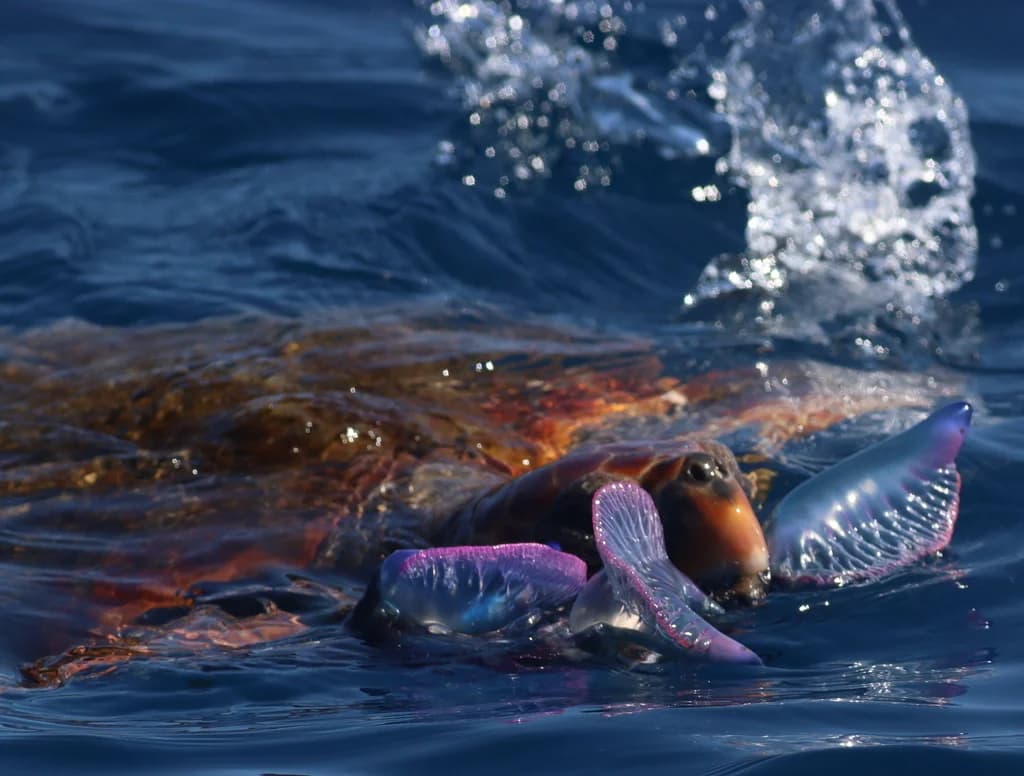
Loggerhead Turtle
Destination note
This species belongs to the wider Icelandic marine fauna and is not present in Silfra, which is an isolated freshwater fissure with virtually no visible animal life.
Grey Seal
Destination note
This species belongs to the wider Icelandic marine fauna and is not present in Silfra, which is an isolated freshwater fissure with virtually no visible animal life.
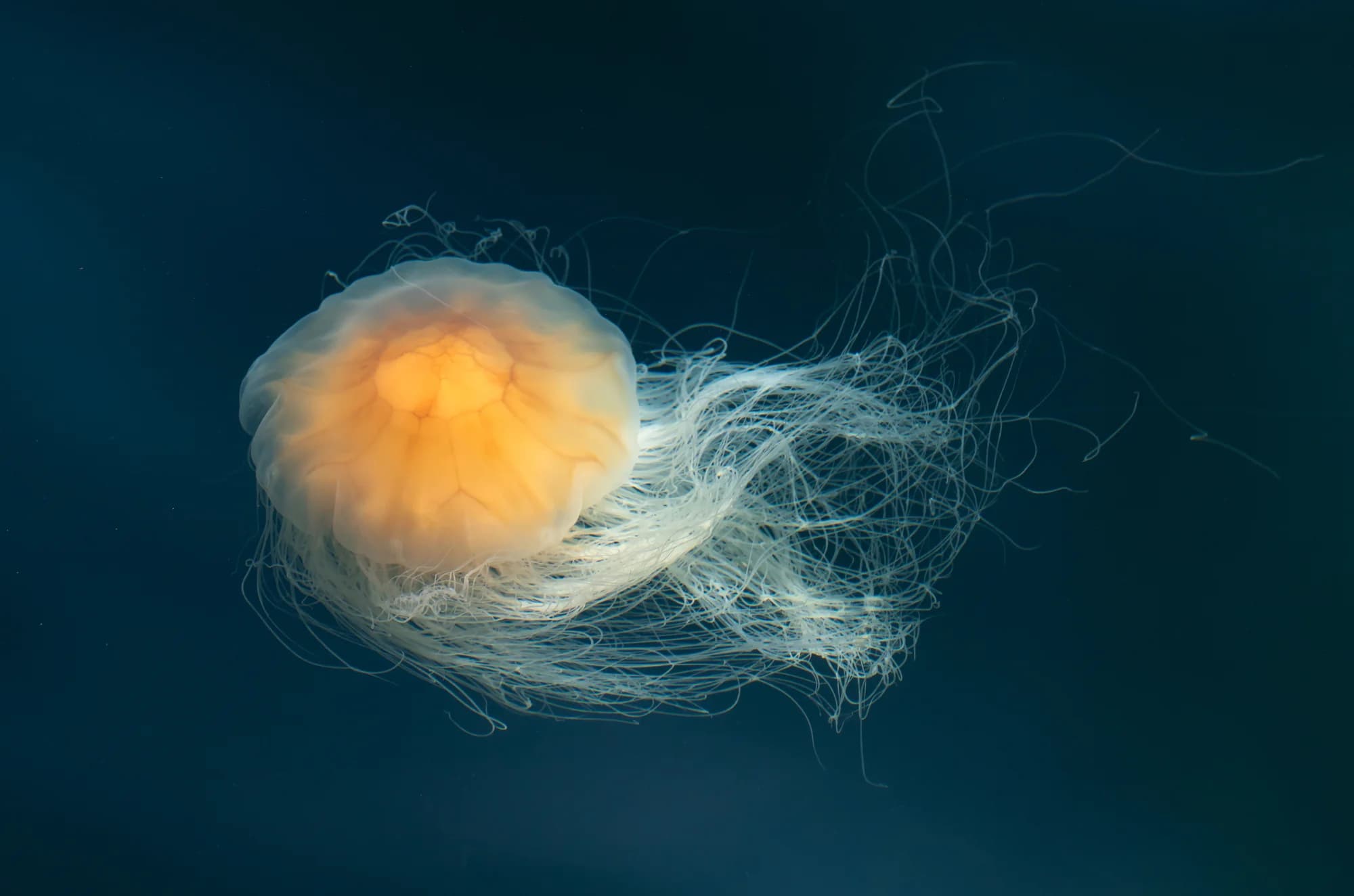
Lion's Mane Jellyfish
Destination note
This species belongs to the wider Icelandic marine fauna and is not present in Silfra, which is an isolated freshwater fissure with virtually no visible animal life.
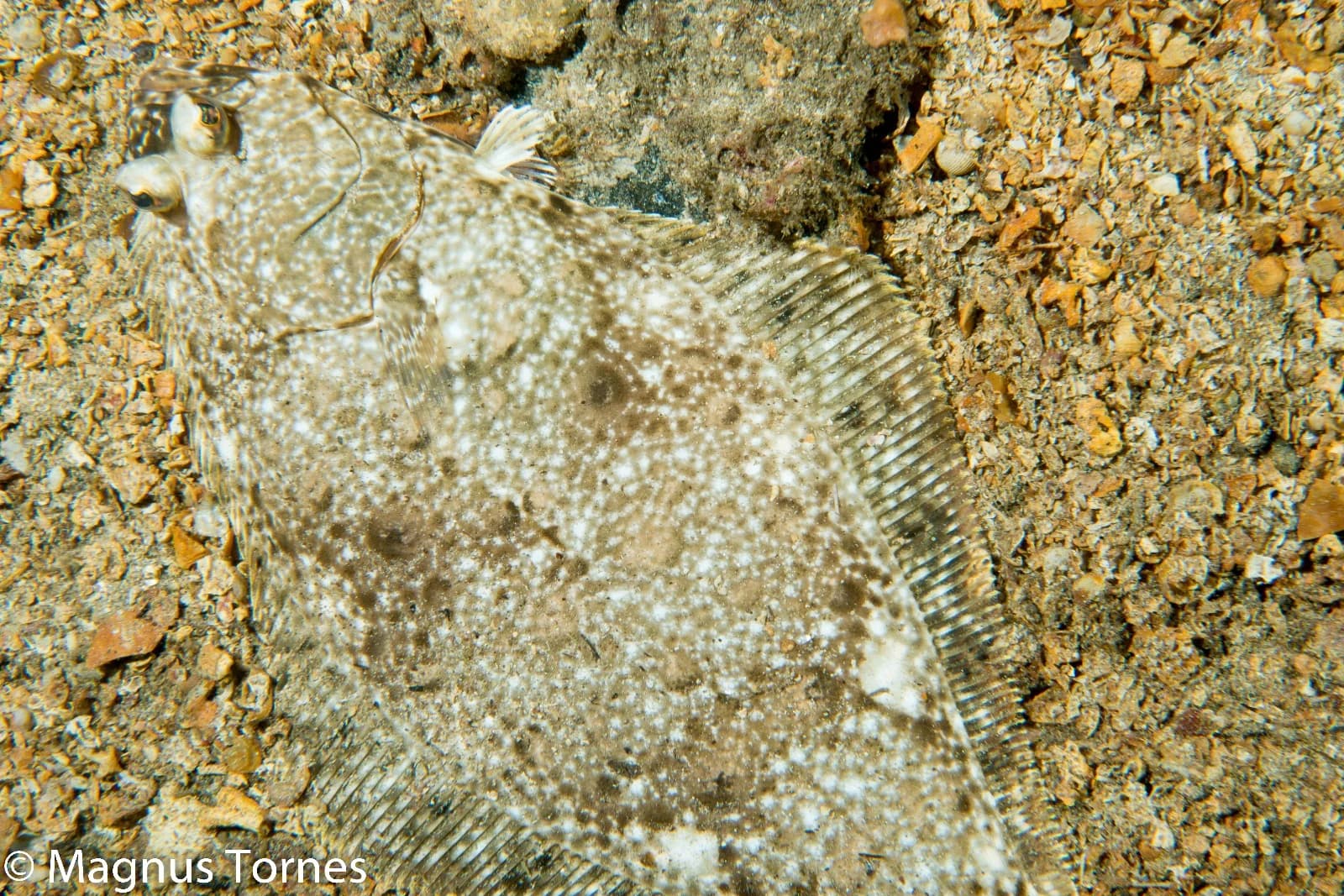
Atlantic Halibut
Destination note
This species belongs to the wider Icelandic marine fauna and is not present in Silfra, which is an isolated freshwater fissure with virtually no visible animal life.
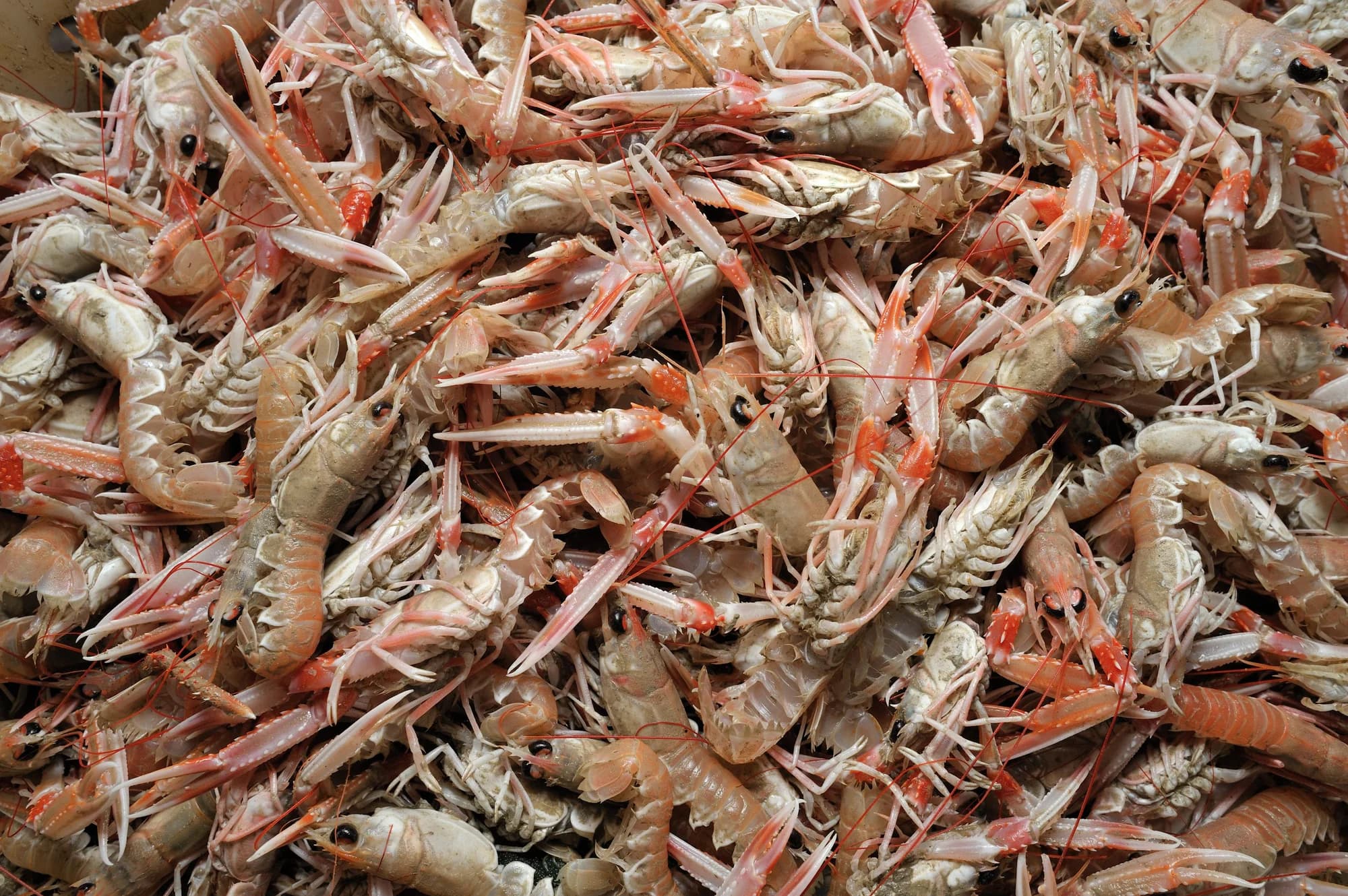
Norway Lobster / Langoustine
Destination note
This species belongs to the wider Icelandic marine fauna and is not present in Silfra, which is an isolated freshwater fissure with virtually no visible animal life.
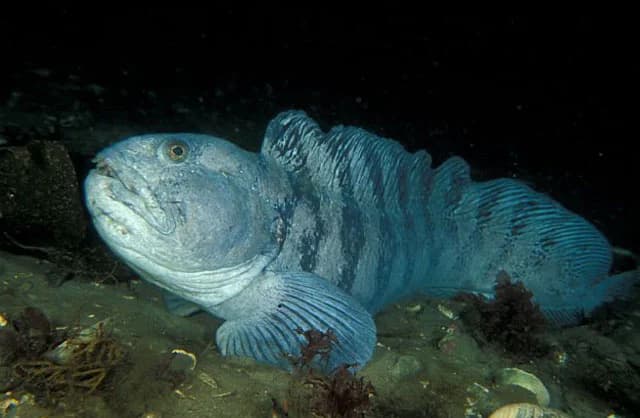
Atlantic Wolfish
Destination note
This species belongs to the wider Icelandic marine fauna and is not present in Silfra, which is an isolated freshwater fissure with virtually no visible animal life.
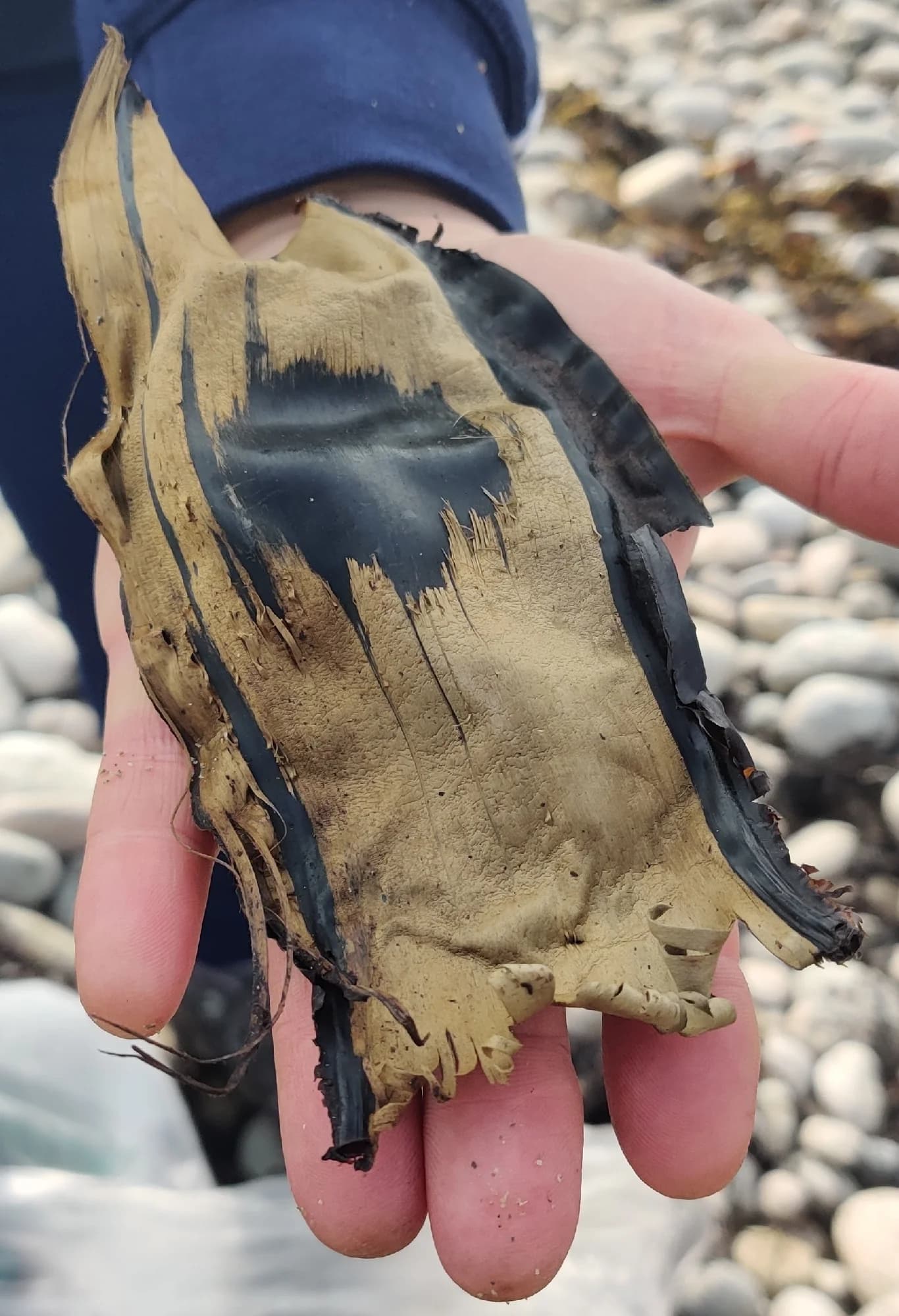
Common Skate
Destination note
This species belongs to the wider Icelandic marine fauna and is not present in Silfra, which is an isolated freshwater fissure with virtually no visible animal life.
Harbor Seal
Destination note
This species belongs to the wider Icelandic marine fauna and is not present in Silfra, which is an isolated freshwater fissure with virtually no visible animal life.
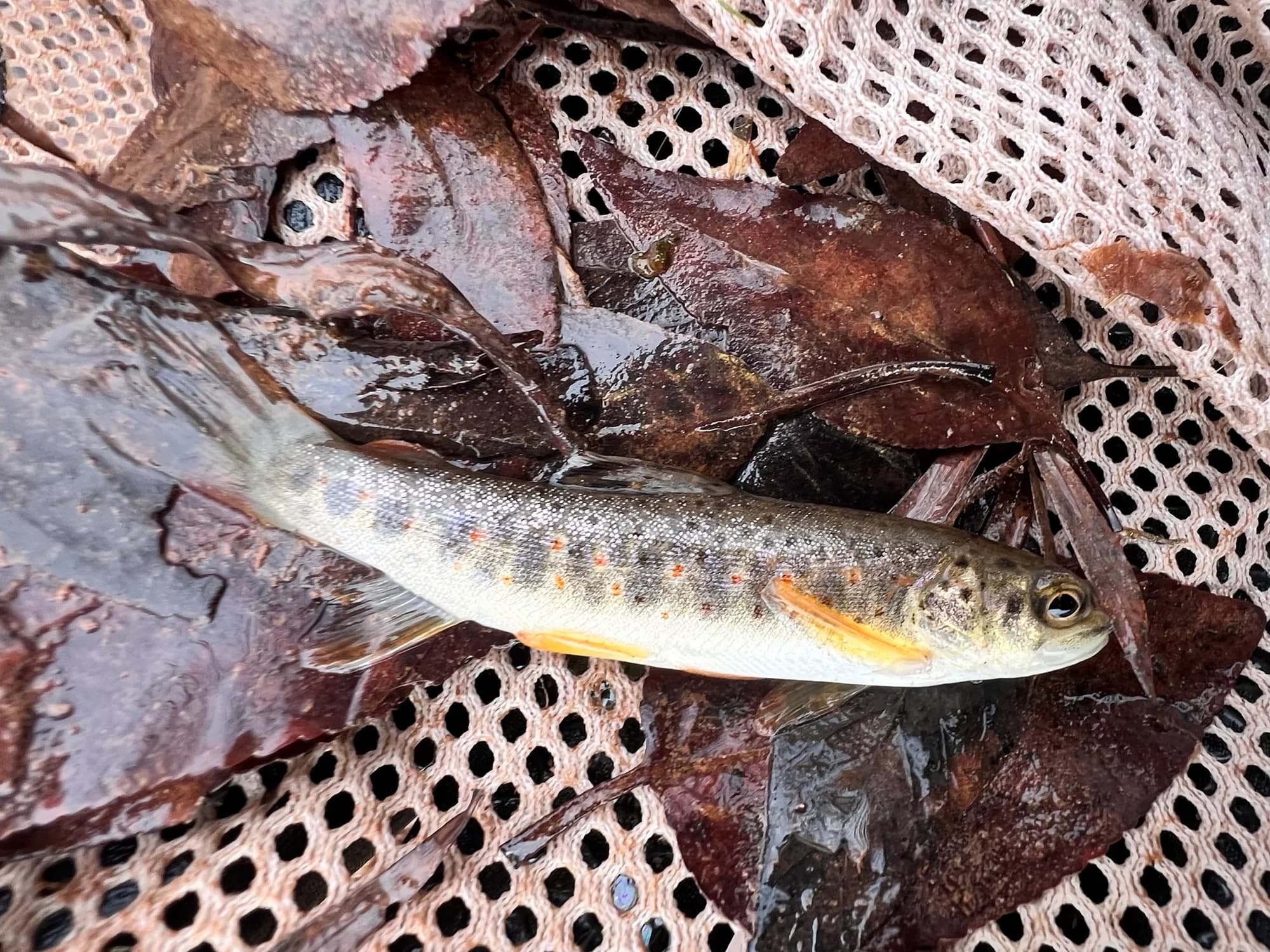
Brown Trout
Destination note
This freshwater species occurs in the wider Thingvallavatn system, but Silfra itself is extremely nutrient-poor and sightings during the fissure dive are not expected.
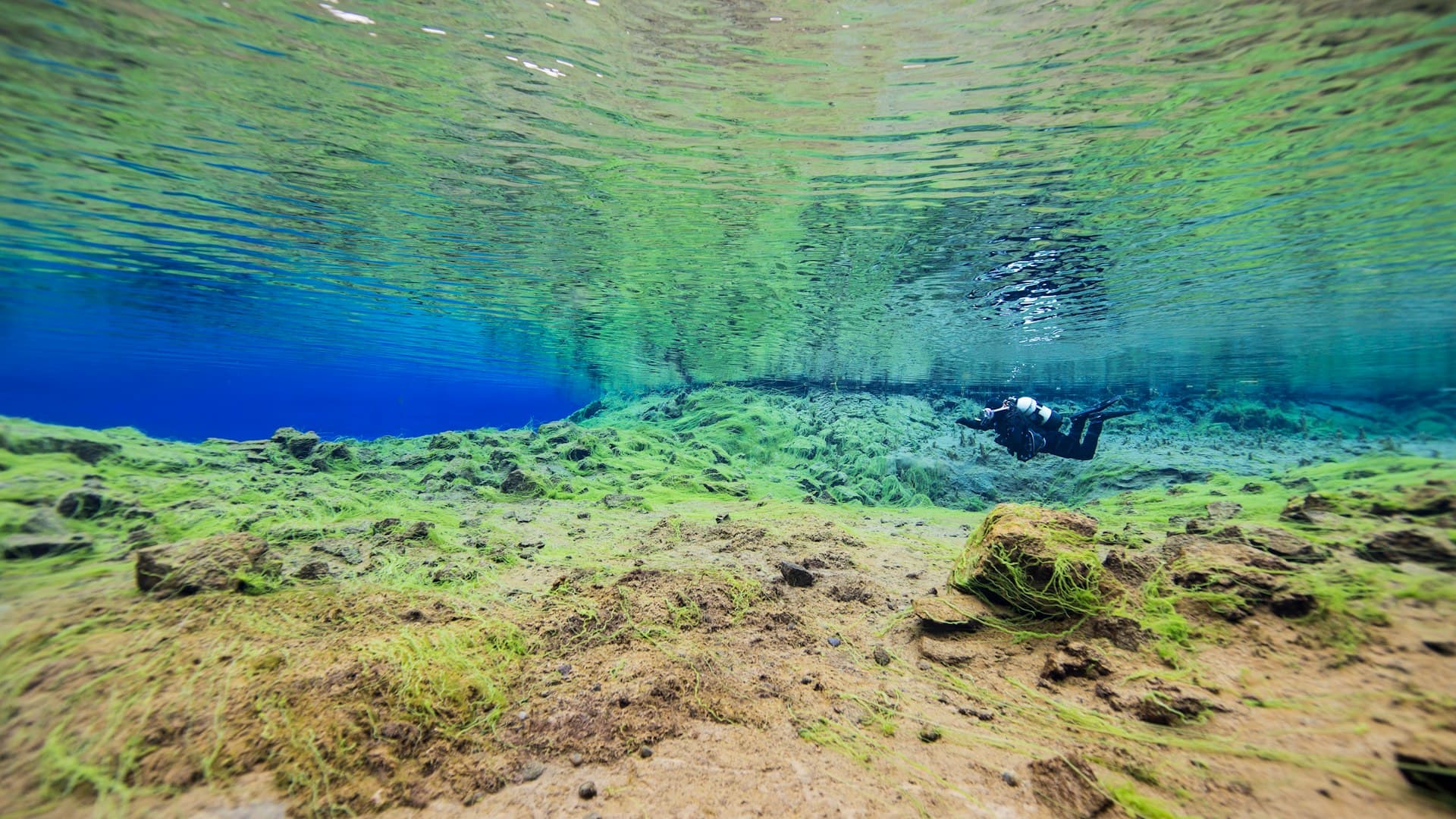
Dive between two continents in Silfra's crystal-clear waters — where visibility exceeds 100 meters and you touch North America and Eurasia simultaneously.
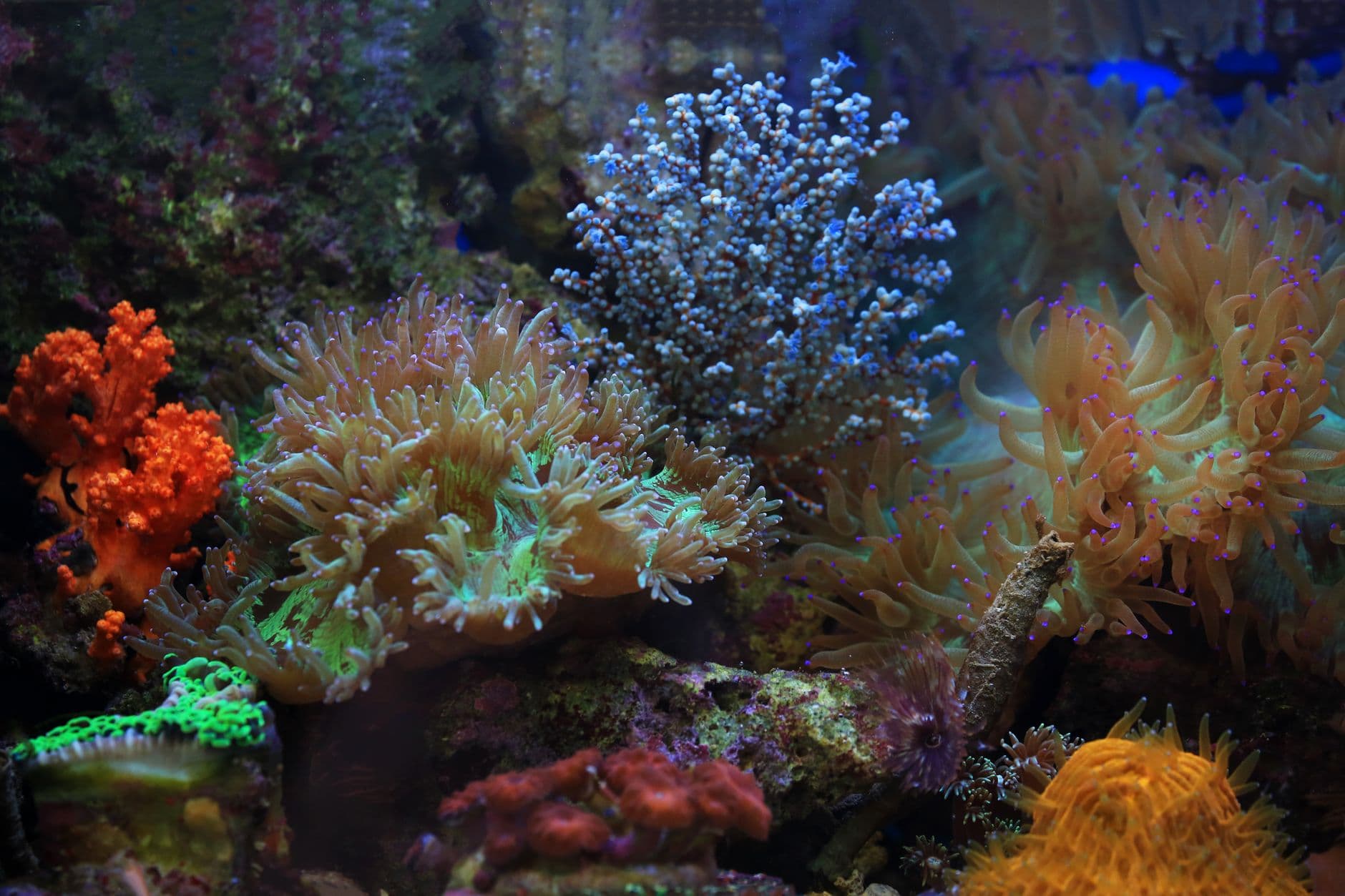
Discover the best sections of Iceland's famous Silfra fissure — from Silfra Hall and Cathedral to the Lagoon. Complete guide to the continental rift.
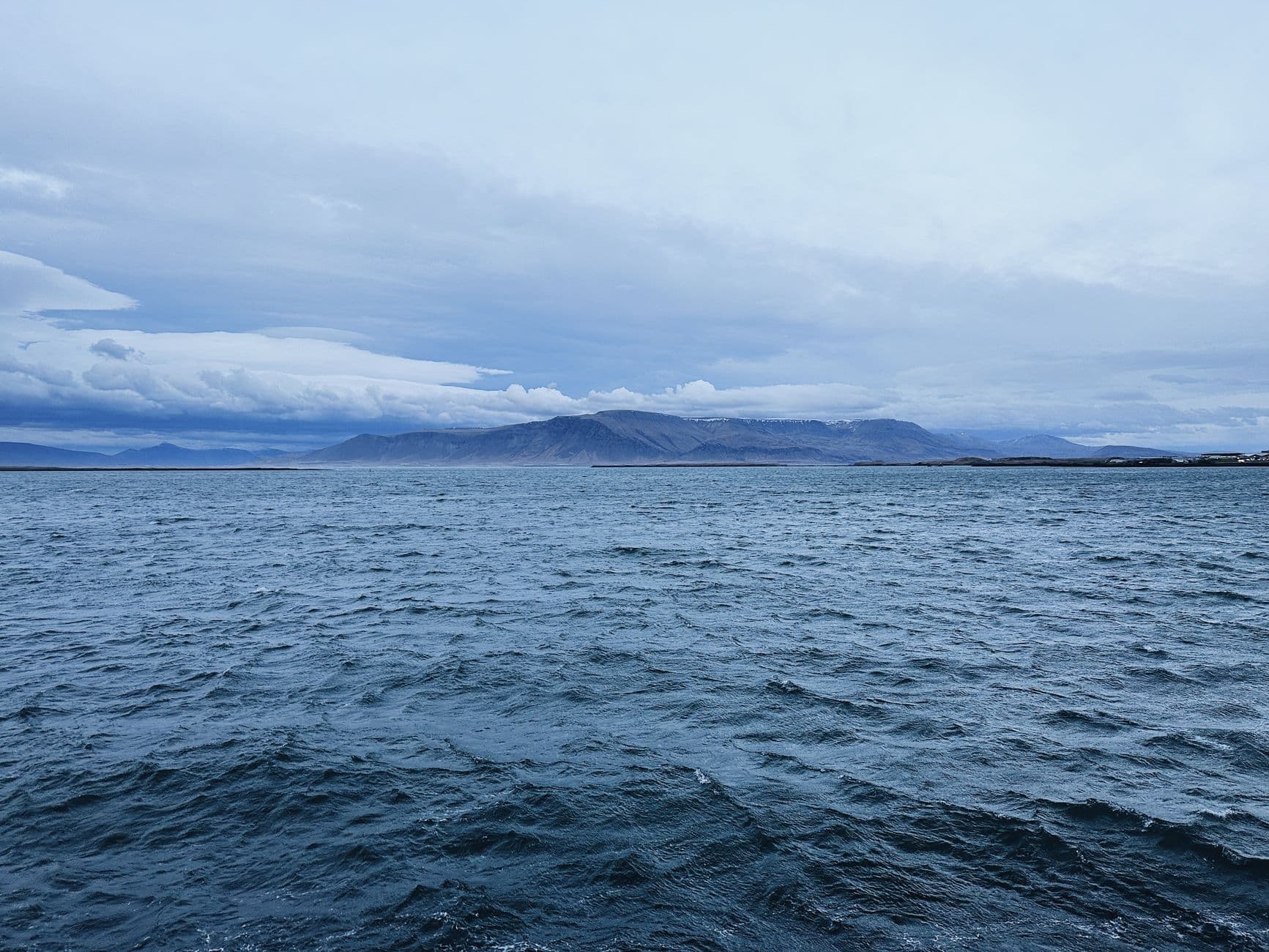
Water 2–4 °C year-round, visibility 100–200 m, and drysuit requirements. Temperature, visibility, and season guide for diving Iceland's Silfra.
Offline access, dive log, AI fish ID, live site maps, and trip planning.
Download on the App Store