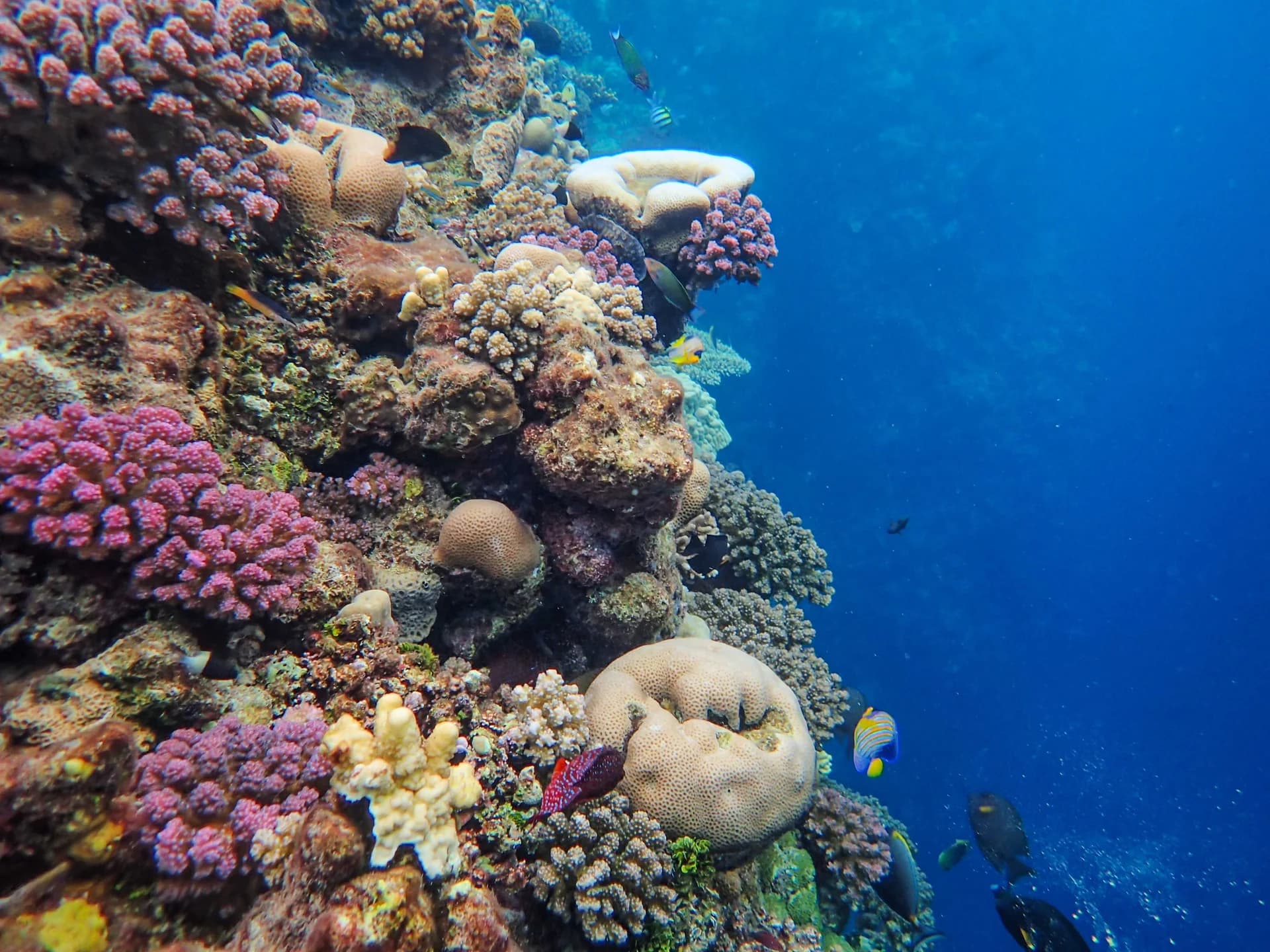
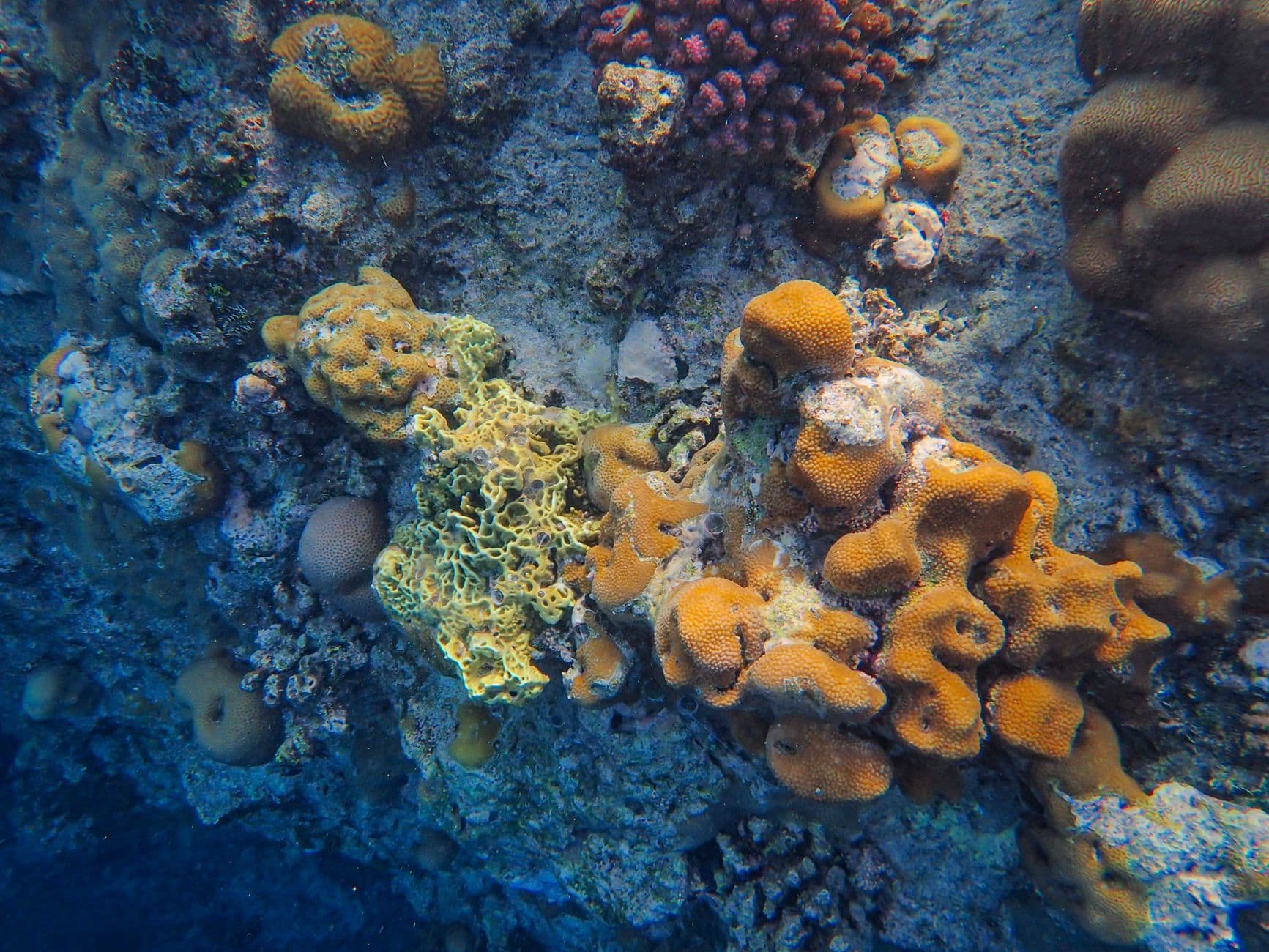
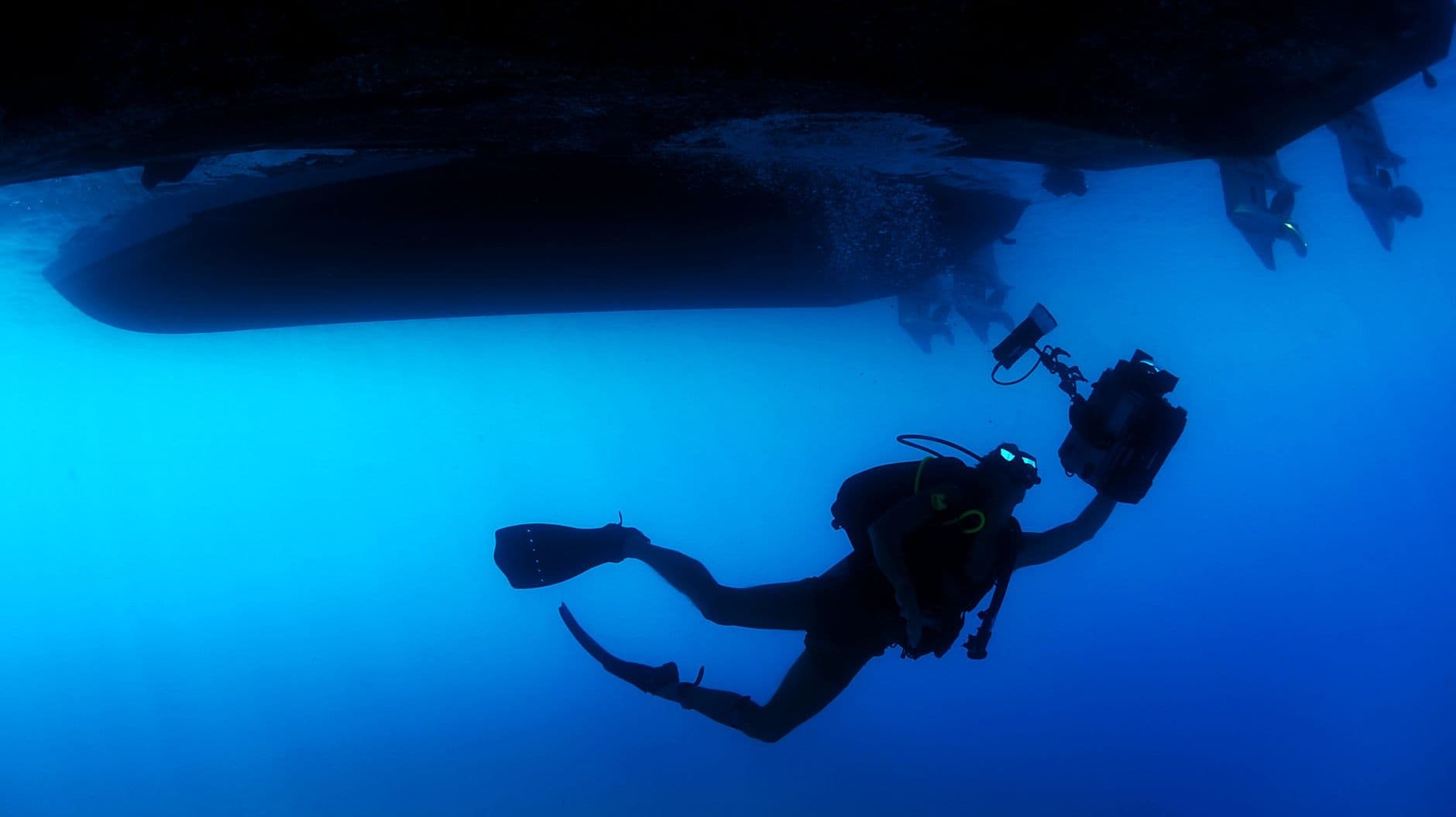
Eritrea's Dahlak Archipelago offers what the rest of the Red Sea has lost: solitude. With 200+ islands, thriving coral reefs, seafan-covered walls, and the haunting wrecks of WWII Italian ships, this is expedition diving at its purest. No dive centers, no crowds, no liveaboards — just you, a local boat captain, and some of the healthiest reefs on Earth.
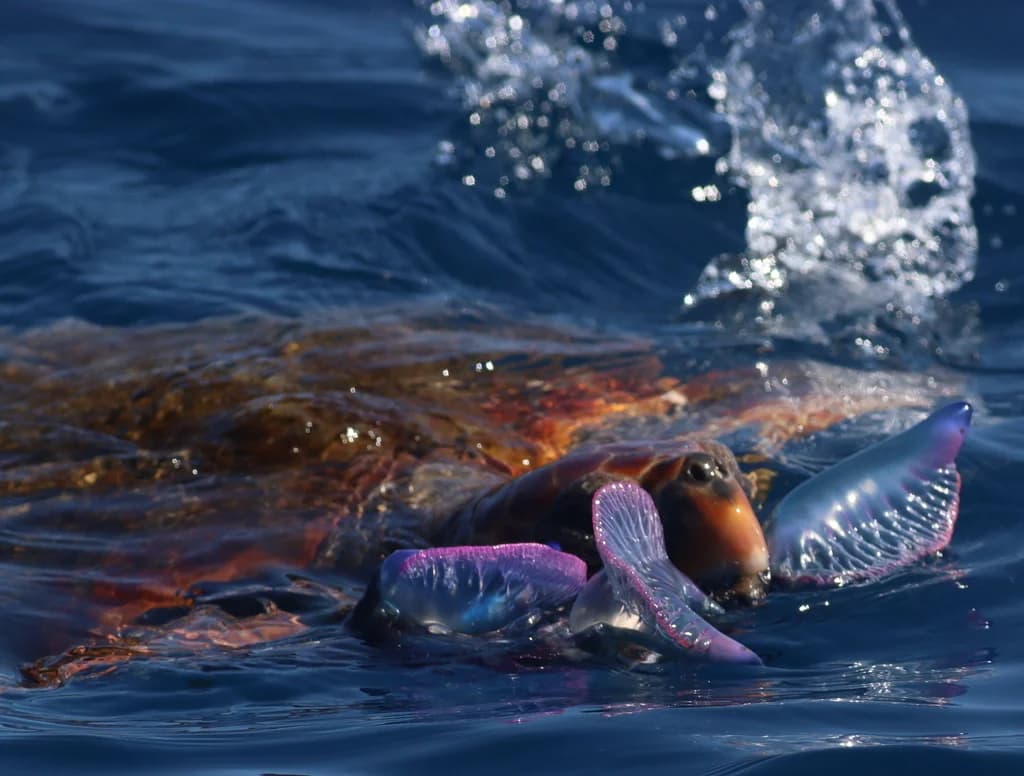
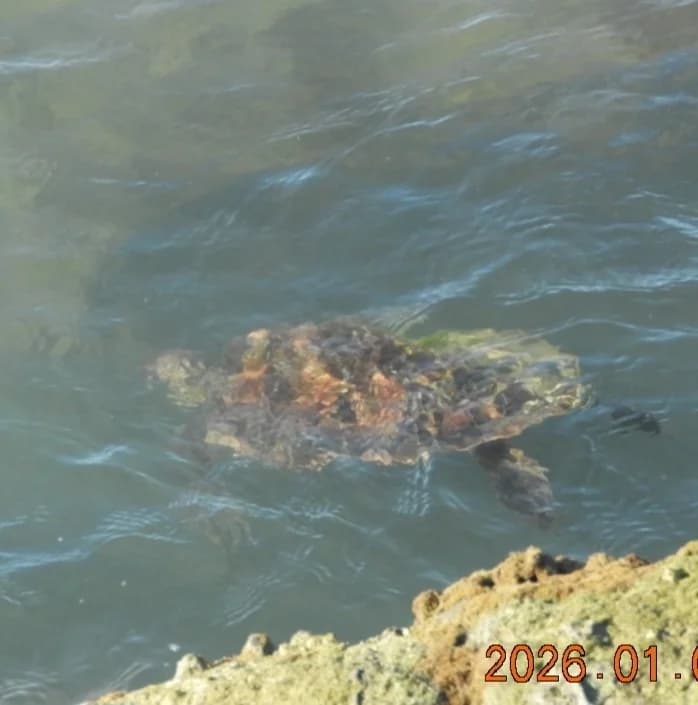
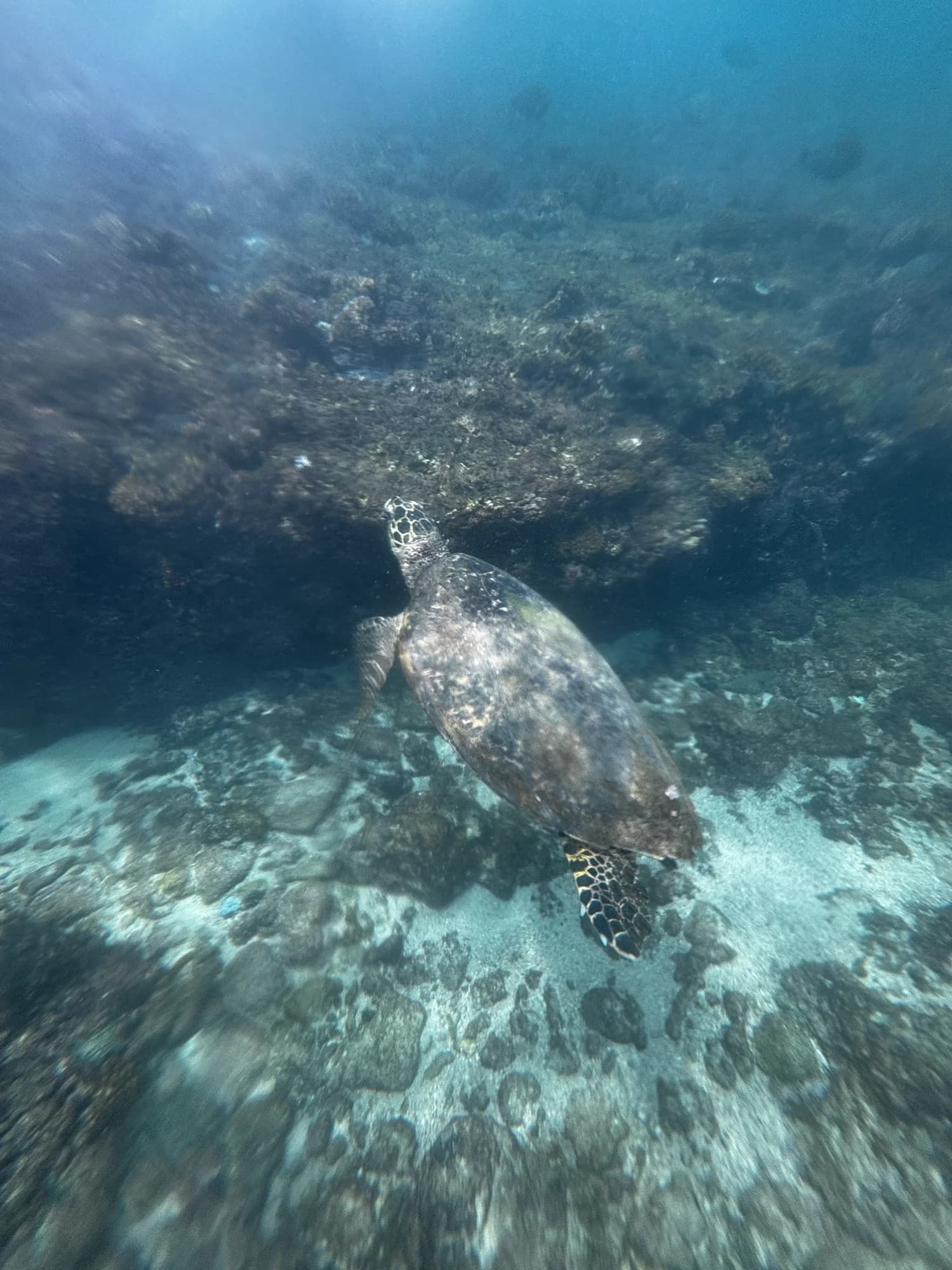
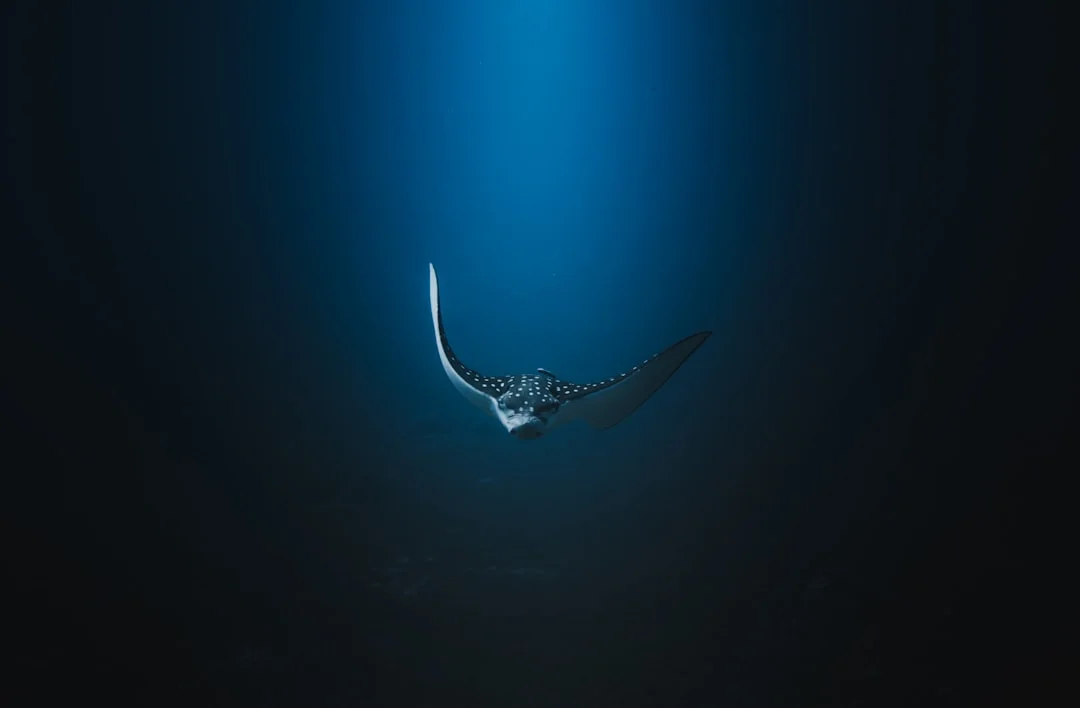
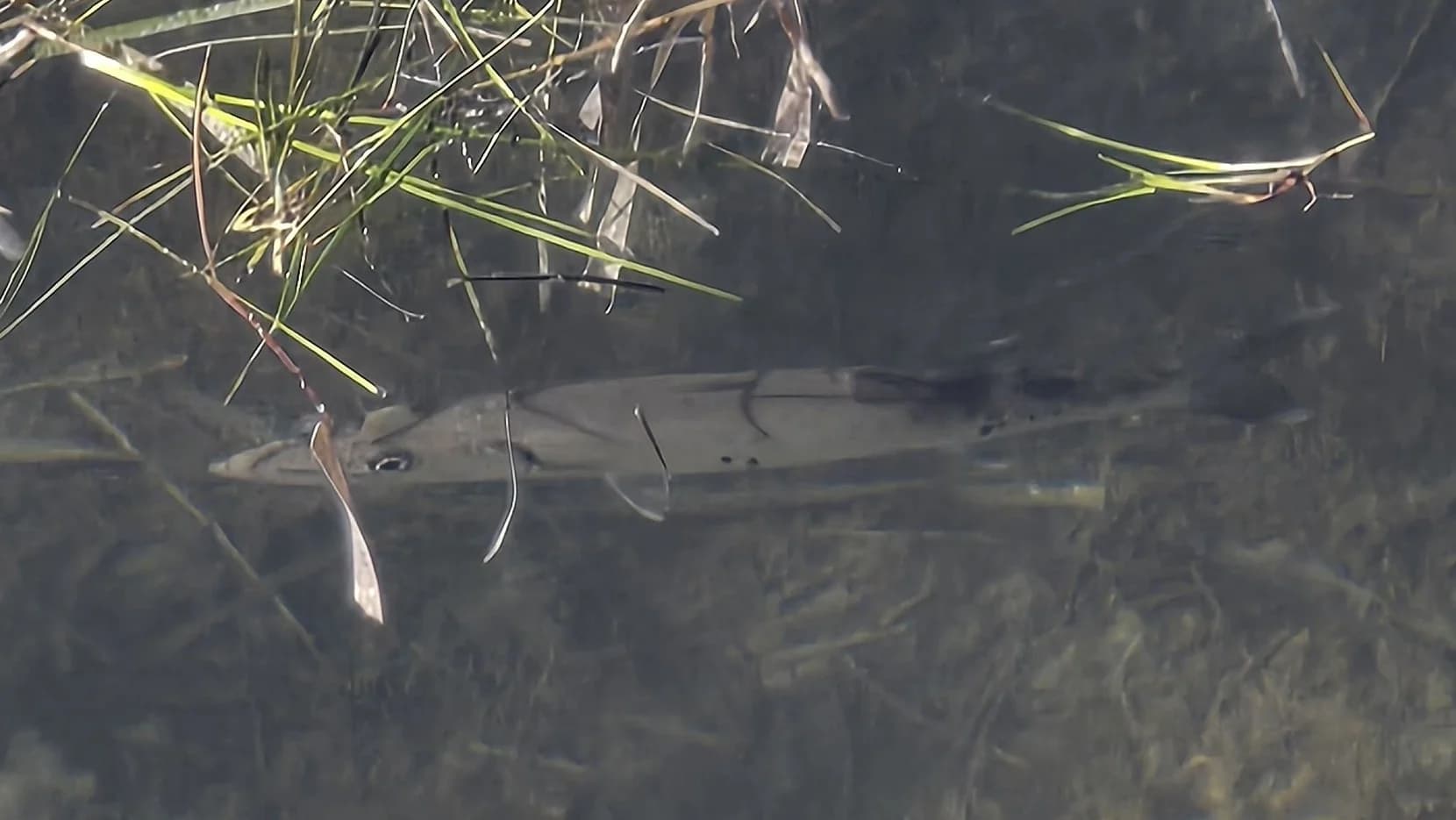
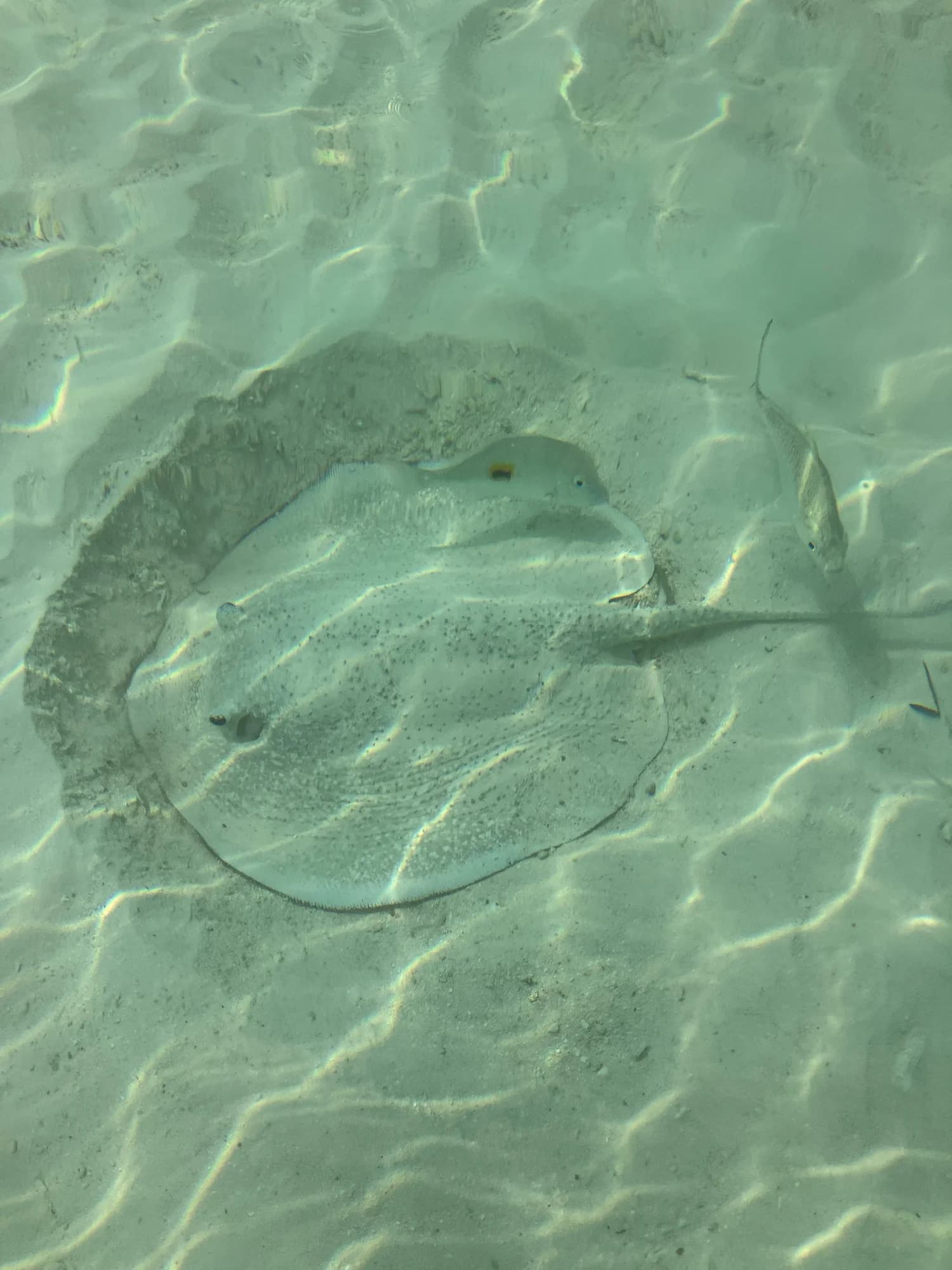
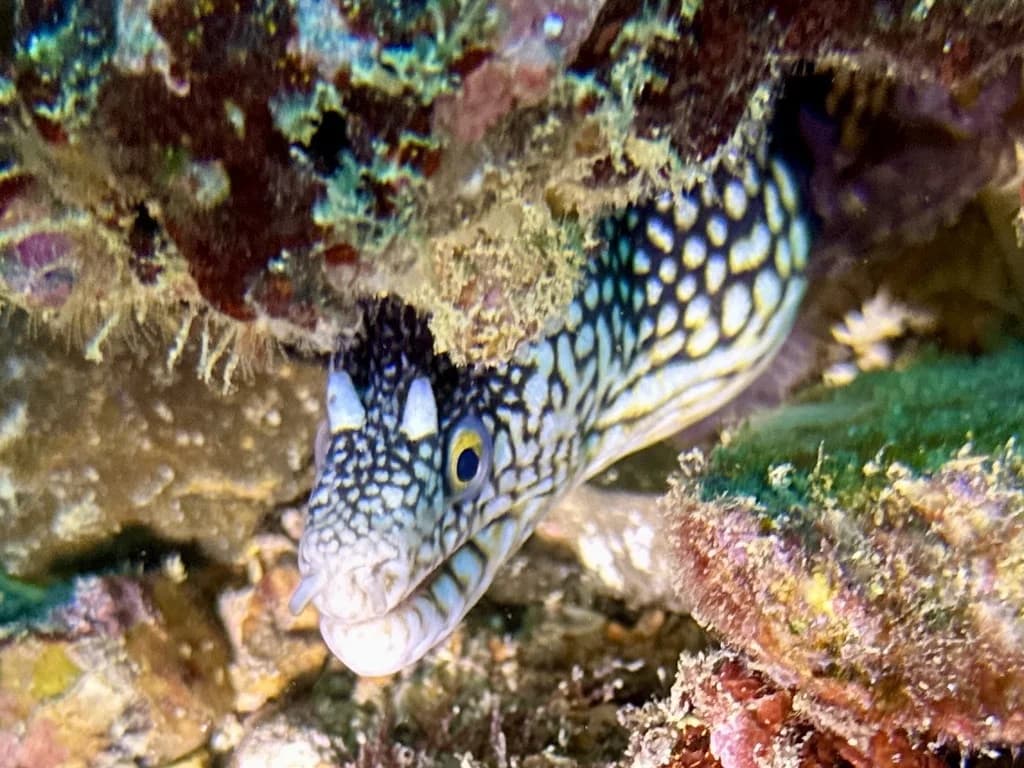
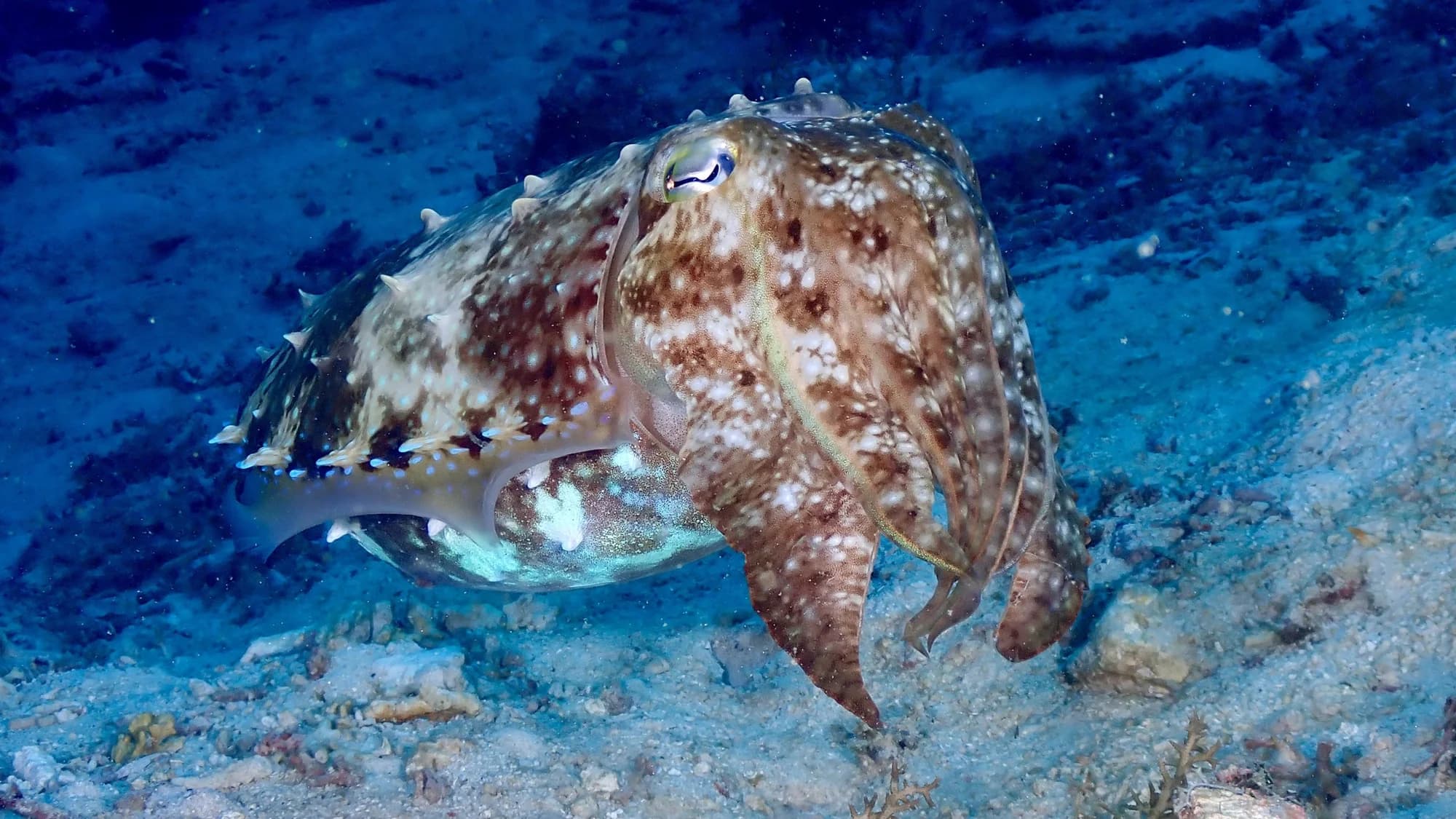
The seagrass meadows around Nora Island host one of the few dugong populations in the Red Sea — these gentle sea cows graze in waters clear enough to spot them from the surface.The Dahlak Archipelago hosts at least 8 species of shark, including grey reef, silky, tiger, hammerhead, and the elusive thresher.Napoleon (humphead) wrasse grow exceptionally large in Eritrean waters — reports of individuals over 1.5 m (5 ft) are not uncommon due to minimal fishing pressure.Green and hawksbill turtles nest on the sandy beaches of several uninhabited Dahlak islands — the archipelago is a significant regional nesting site.Eritrea's corals have shown remarkable resilience to bleaching events that have devastated other parts of the Red Sea — possibly due to limited human impact.The Dahlak Archipelago has over 200 islands at low tide, but only 3 are permanently inhabited — that is 197+ uninhabited islands waiting to be explored.Massawa is historically known as the 'Pearl of the Red Sea' — and before pearl fishing declined, its pearl beds were legendary.Dissei Island holds the wrecks of multiple Italian ships sunk during WWII (1940–41). Some are intact enough for advanced wreck penetration.The Dahlak Islands were part of the Ottoman Empire for over 300 years (1557–1885) — ruins of Ottoman fortifications remain on several islands.In 1953, a massive earthquake shifted parts of the Massawa coastline, creating new reef formations that are now mature coral habitats.The Dahlak Archipelago is an Important Bird Area (IBA) — sooty falcons, white-eyed gulls, and lesser crested terns nest on the islands.As of 2026, there are zero PADI-registered dive shops in Eritrea. Divers must be completely self-sufficient.There are no permanent mooring buoys at dive sites — no dive platforms, no underwater trails. The reefs are as pristine as it gets.The Dahlak Archipelago is a strong candidate for UNESCO Biosphere Reserve designation — a rare conservation opportunity for one of the Red Sea's last untouched reef systems.
Bring Eritrea underwater
Offline access, dive log, AI fish ID, live site maps, and trip planning.
Download on the App Store