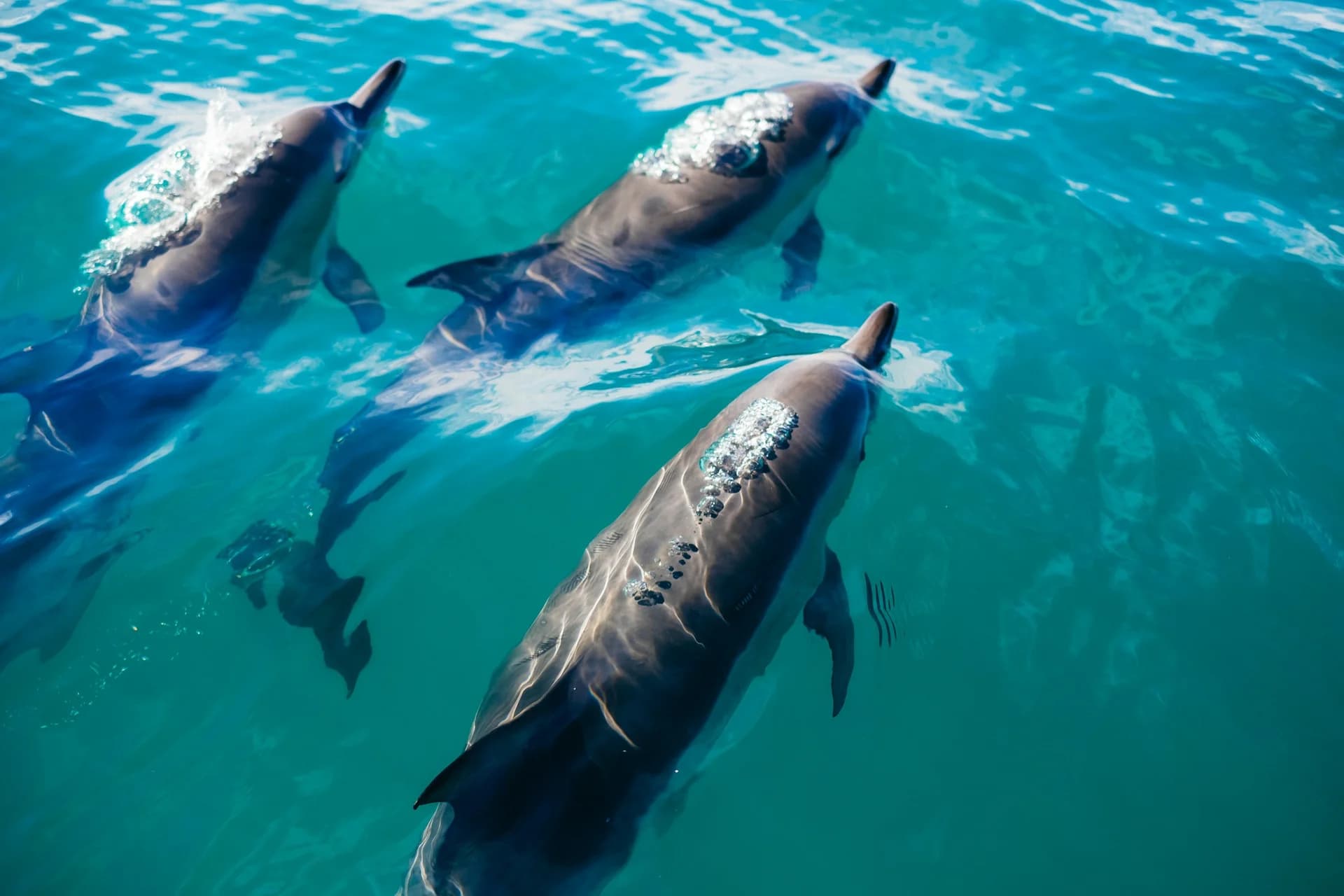
Atlantic Bottlenose Dolphin
Destination note
Pod of 10-15 individuals resident in the Gulf of Aqaba. Most frequently encountered on boat dives to Ras Abu Galum and on surface intervals near the Blue Hole.
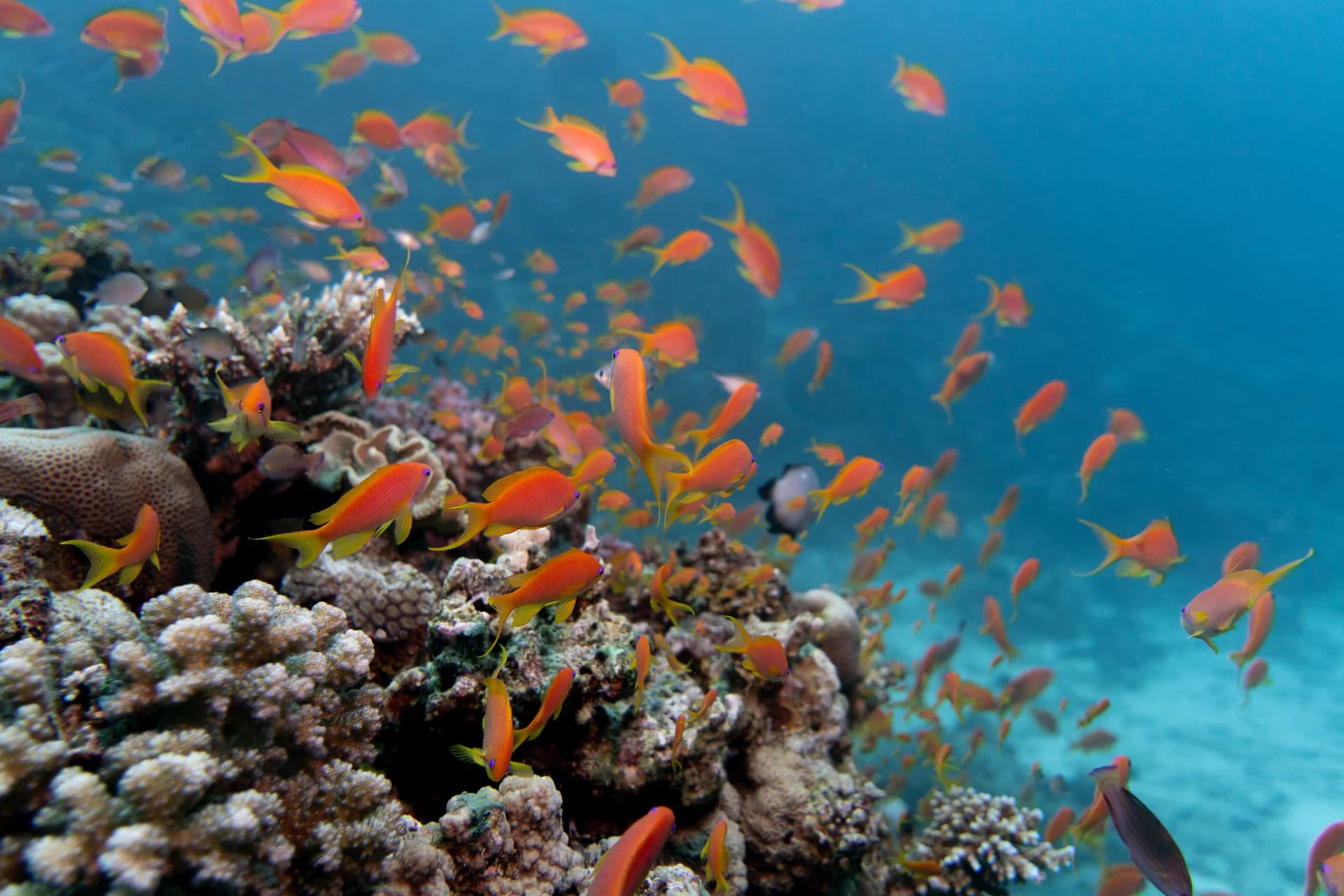
Egypt
Photo: OLIVER SCHWANEBERG / Unsplash
Dahab is the Red Sea's shore-diving capital — a laid-back Bedouin town on Egypt's Sinai Peninsula where world-class dive sites are accessible directly from the beach. Home to the legendary Blue Hole, dramatic Canyon swim-throughs, and 26+ named reef sites along a 15km fringing reef. Water temperatures range from 21-29°C year-round with visibility up to 40m. A bohemian diver's paradise with exceptional value, technical diving infrastructure, and some of the most accessible reef diving on Earth. No boats required for most sites — walk in from shore and experience Red Sea marine life minutes from your dive center.
Select a pin to learn more. Use the zoom buttons or pinch to zoom.
Loading map…
19 places have no verified map location yet. Browse the page lists for more places.
21–29 °C
15–40 m
5–40 m
Mild
March to May and September to November
| Month | Summary |
|---|---|
| Jan | Cool winter diving with 21-22°C water and 15-25m visibility. Fewer crowds, peaceful conditions. A 5mm wetsuit with hood recommended. Excellent for reef fish photography in the clear winter light. |
| Feb | Conditions similar to January, with water at 21-22°C and 15-25m visibility. Water begins warming slightly by late February. Good season for uncrowded dive sites and relaxed pace. |
| Mar | Spring transition begins — water warms to 22-23°C and visibility improves to 25-40m. One of the best months for diving with calm conditions and excellent clarity. Reef fish activity increases. |
| Apr | Prime diving month: 23-25°C water, 25-40m visibility, calm seas. Peak season begins. Coral spawning may occur. All sites accessible in excellent conditions. |
| May | Excellent conditions continue: 25-27°C water, 25-40m visibility. Warm enough for 3mm wetsuit. Peak of spring season before summer heat. Tuna and barracuda schools appear. |
| Jun | Summer arrives: 26-28°C water, 20-30m visibility. Air temperatures reach 35-45°C. Water is warmest, good for 3mm or rash guard. Some wind may create surface chop but underwater remains clear. Peak tourist season. |
| Jul | Warmest water of the year: 27-29°C, 20-30m visibility. Rash guard or 3mm sufficient. Hot air temperatures (35-45°C) — dawn and dusk dives most comfortable. Rich marine life activity in warm waters. |
| Aug | Peak summer warmth at 28-29°C, visibility 20-30m. Water temperatures at annual maximum. Can be windy. Excellent for night dives when daytime heat subsides. Octopus and moray eels active after dark. |
| Sep | Autumn transition: water 27-28°C, visibility improves to 25-40m. Second best season begins. Calmer conditions return, crowds thin out. Excellent month for diving with comfortable water and air temperatures. |
| Oct | Prime autumn diving: 26-27°C water, 25-40m visibility. Calm seas, warm water, excellent clarity. Possibly the single best month for Dahab diving conditions. All sites at their best. |
| Nov | Late autumn: water cools to 24-25°C, visibility 25-40m. Still excellent conditions. 5mm wetsuit recommended. Last month before winter transition. Good for combining diving with comfortable air temperatures. |
| Dec | Winter returns: 22-23°C water, 15-25m visibility. 5mm wetsuit with hood recommended. Quietest month for tourism — enjoy uncrowded sites. Holiday season diving has a special atmosphere in Dahab. |
2–30m · Beginner
Coral garden · Macro life · Shore dive
2–35m · Beginner
Coral garden · Wall · Shore dive
2–18m · Beginner
Coral garden · Training site · Snorkeling
1–100m · Beginner
Wall · Coral garden
sinkhole
10–20m · Intermediate
Drift dive · Coral garden · Shore dive
10–30m · Advanced
Drift dive · Pelagics
pristine
1–12m · Beginner
Night dive · Shore dive · Macro life
6–18m · Beginner
Garden eels · Sandy bottom · Macro life
Species recorded in this destination's wider regional catalogue. A species being listed here does not mean it is seen at this destination — check the note on each card.
Atlantic Bottlenose Dolphin
Destination note
Pod of 10-15 individuals resident in the Gulf of Aqaba. Most frequently encountered on boat dives to Ras Abu Galum and on surface intervals near the Blue Hole.
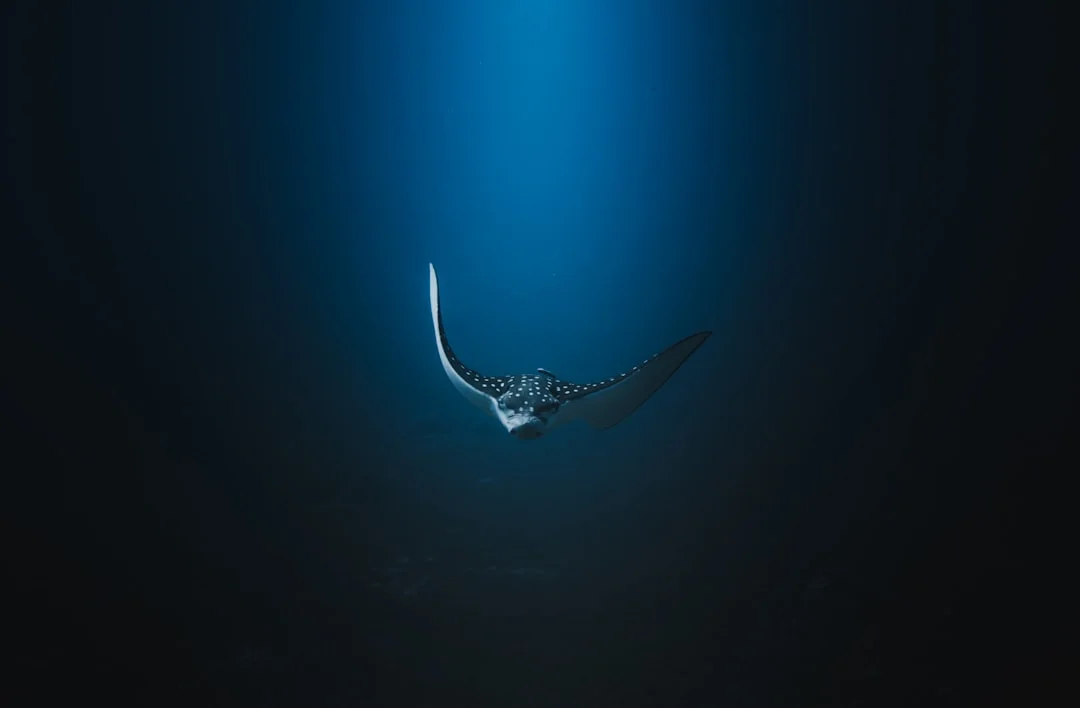
Spotted Eagle Ray
Destination note
Regularly spotted cruising along the outer reef walls at Bells, Blue Hole, and Canyon. More frequent in spring and autumn.
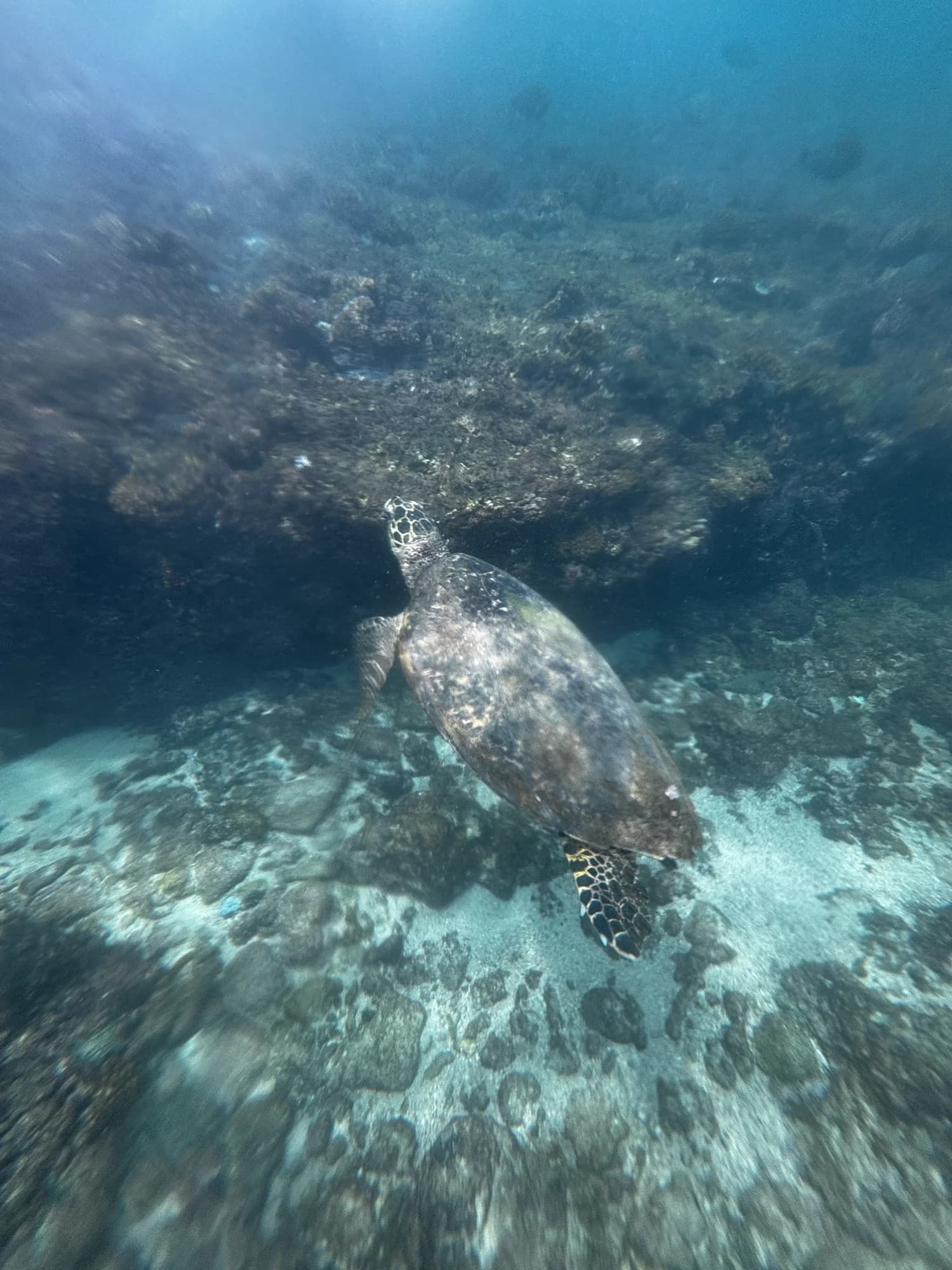
Hawksbill Turtle
Destination note
Seen year-round on most Dahab reef dives, particularly at Canyon, Blue Hole, and Moray Garden. Nesting occurs on Sinai beaches.
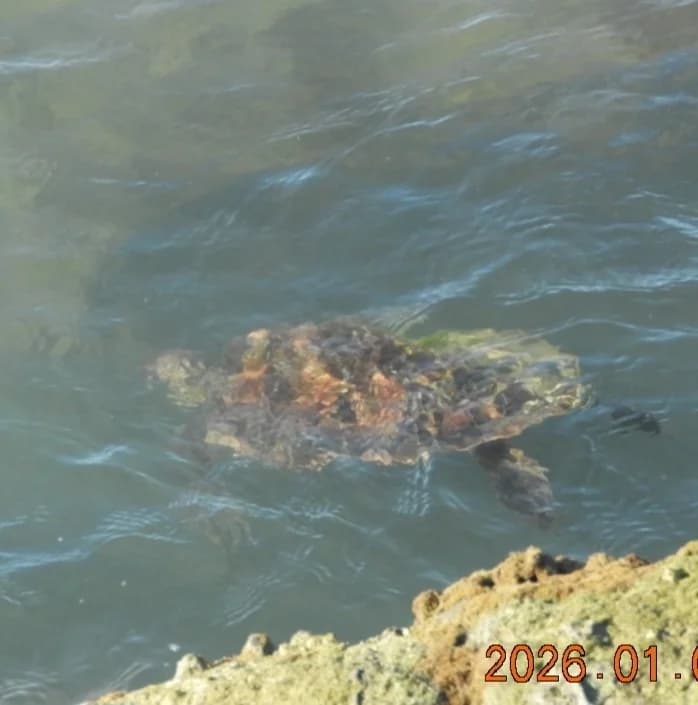
Green Sea Turtle
Destination note
Commonly seen grazing on seagrass beds and resting on reef ledges. Reliable sightings at the Blue Hole, Canyon, and the sandy areas near Eel Garden.
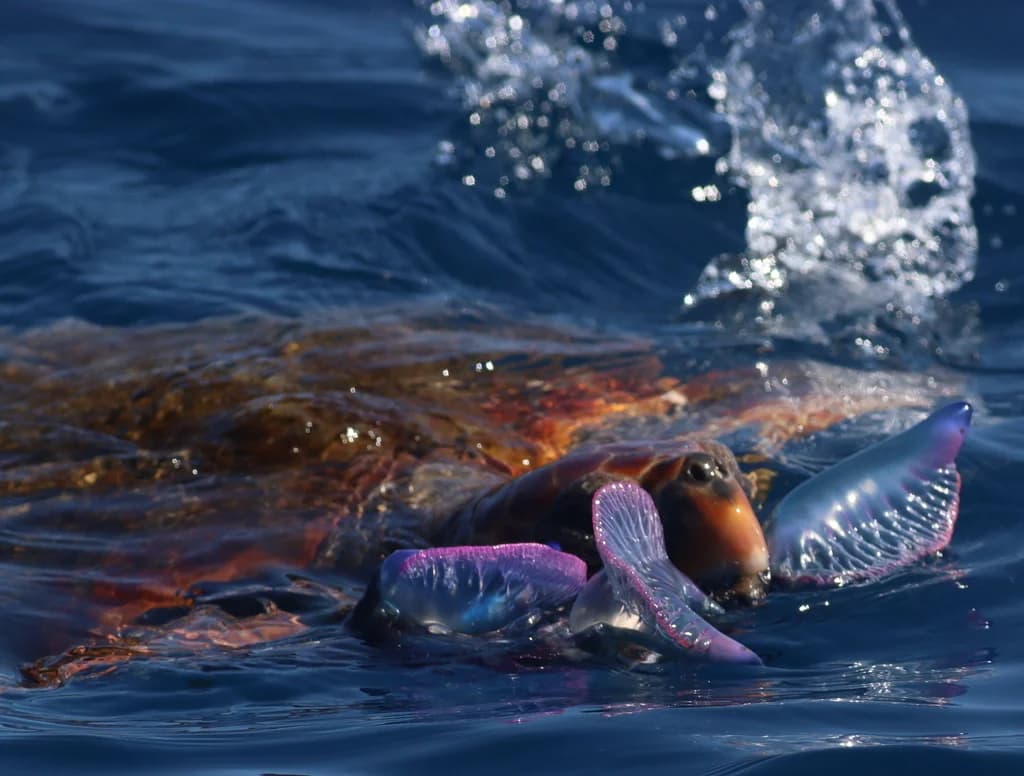
Loggerhead Turtle
Destination note
Occasionally sighted on Dahab's northern reef sites and offshore waters. Less common than Green and Hawksbill turtles in the Gulf of Aqaba, but regular seasonal visitors.
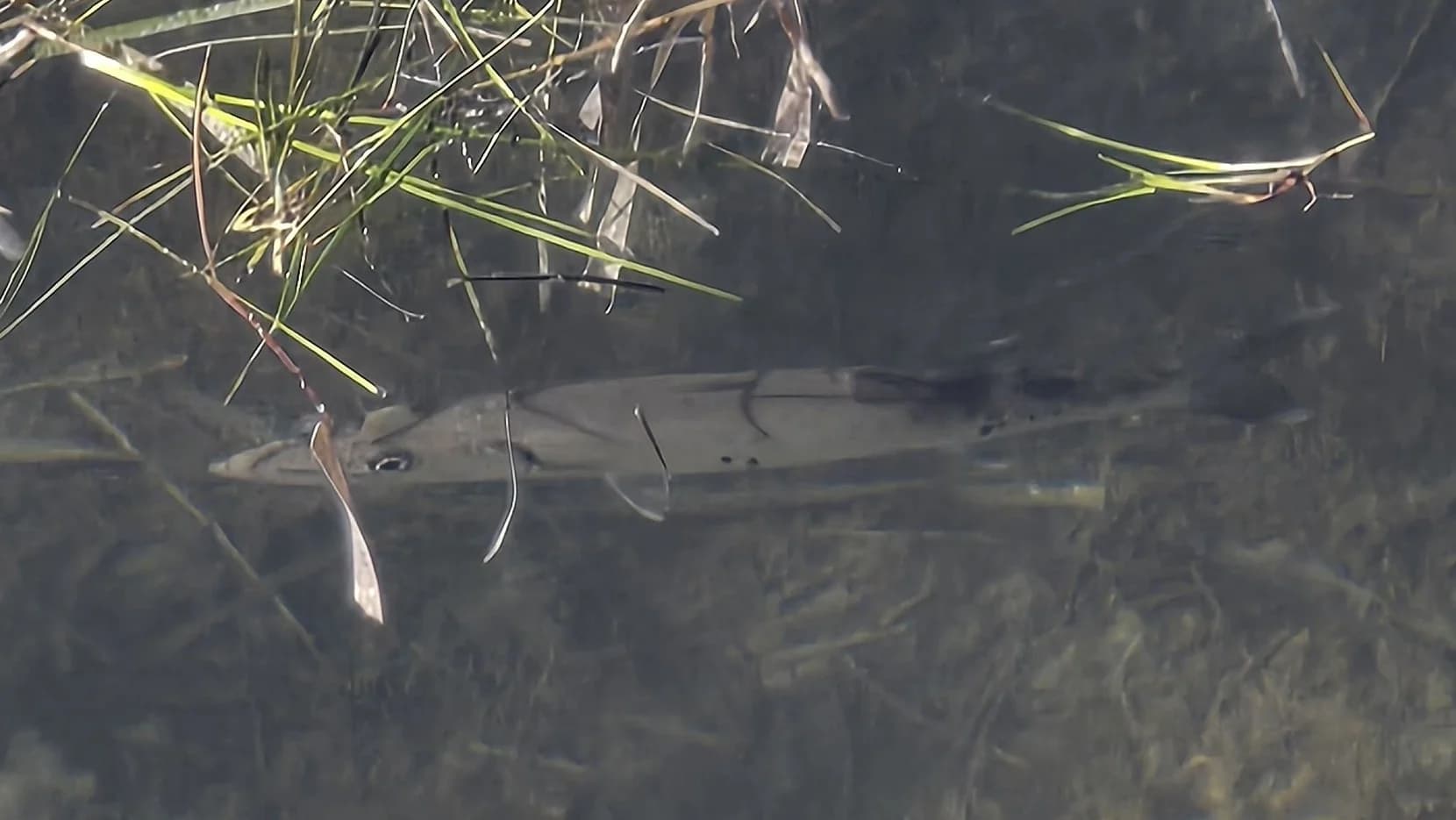
Great Barracuda
General species description, not specific to this destination
The Great Barracuda is an impressive predator with a streamlined body and powerful jaws filled with razor-sharp teeth. They can grow over 6 feet long and often hover motionless near the reef, curious about divers.
Summan Grouper
General species description, not specific to this destination
A marine species with typical characteristics for its taxonomic group. Found in various marine habitats.
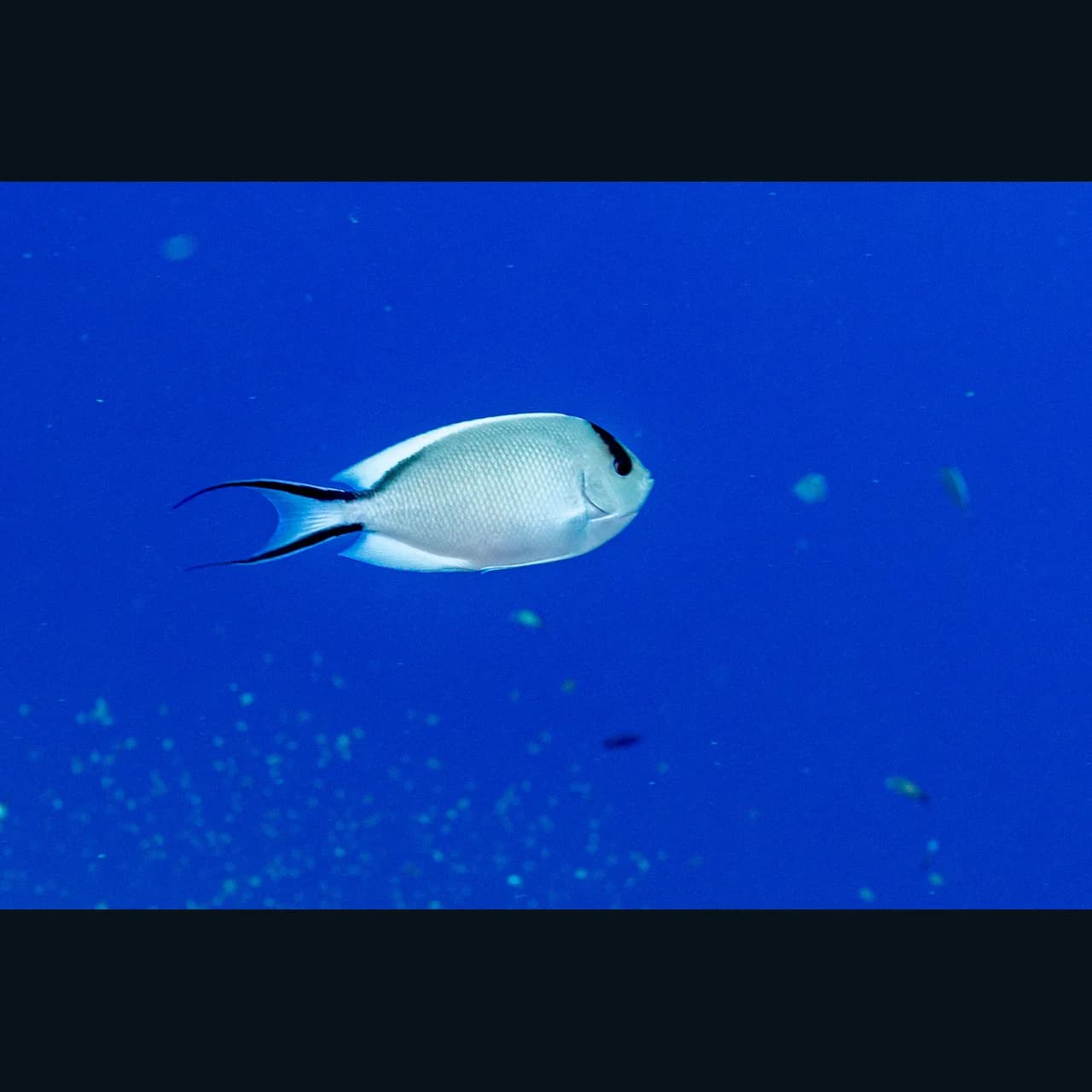
Photo: Genicanthus caudovittatus - R Vasconcellos - 579936075.jpeg — R Vasconcellos · CC BY 4.0 · Full source frame fitted to a square canvas; resized and encoded as WebP for main (1280×1280). The existing thumbnail is retained pending exact-species verification.
Zebra Angelfish
General species description, not specific to this destination
A marine species with typical characteristics for its taxonomic group. Found in various marine habitats.
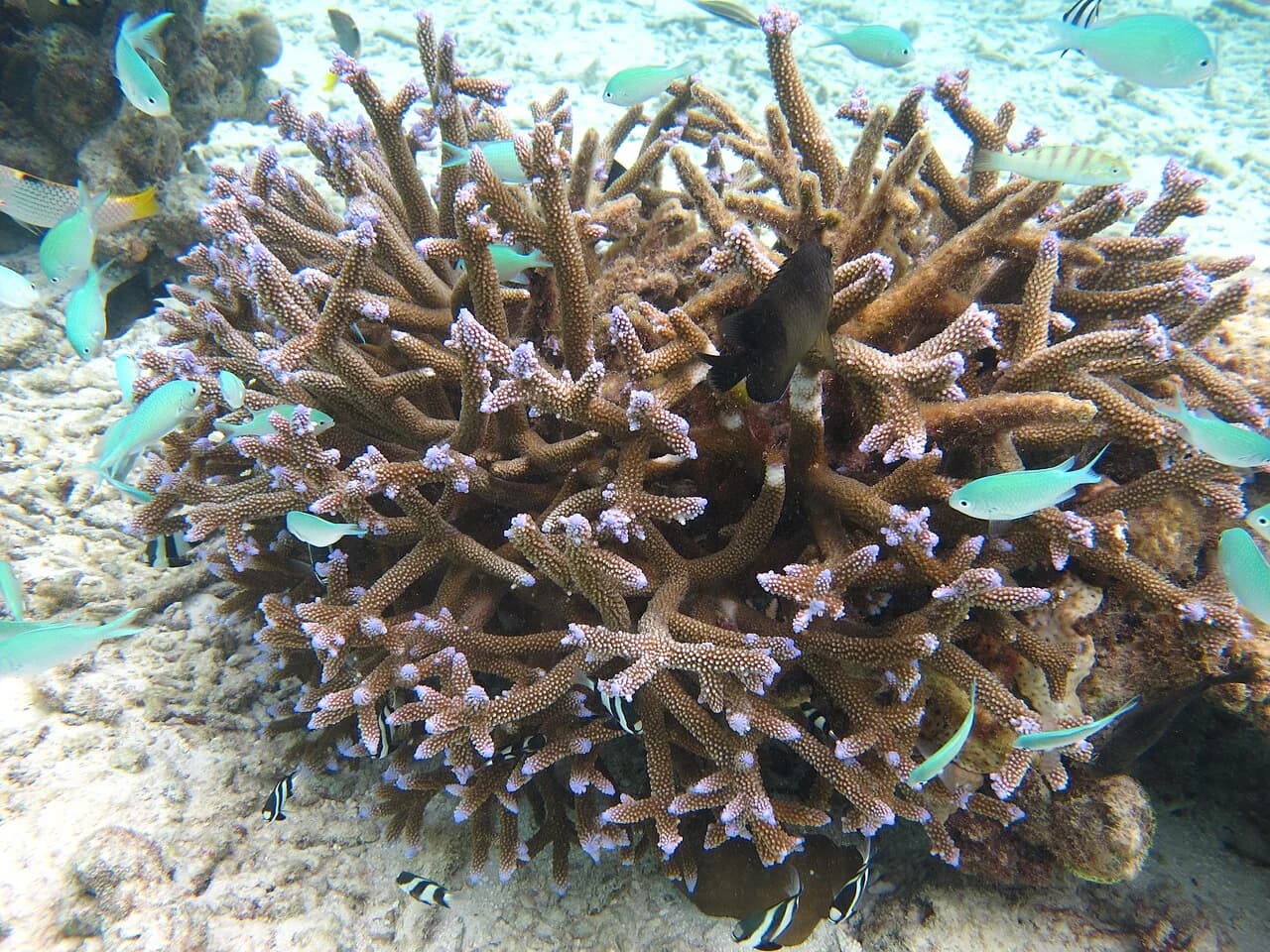
Acropora muricata
General species description, not specific to this destination
A classic branching staghorn coral forming dense thickets of antler-like branches that provide vital shelter for juvenile fish and invertebrates.
Cauliflower Coral
General species description, not specific to this destination
A fast-growing branching stony coral that forms dense, bushy colonies covered in small wart-like bumps called verrucae. Colonies range from pale pink to brown and build much of the shallow reef framework in the tropical eastern Pacific. Divers see it carpeting rocky slopes and reef flats, often crowded with small fish and crabs sheltering among its branches.
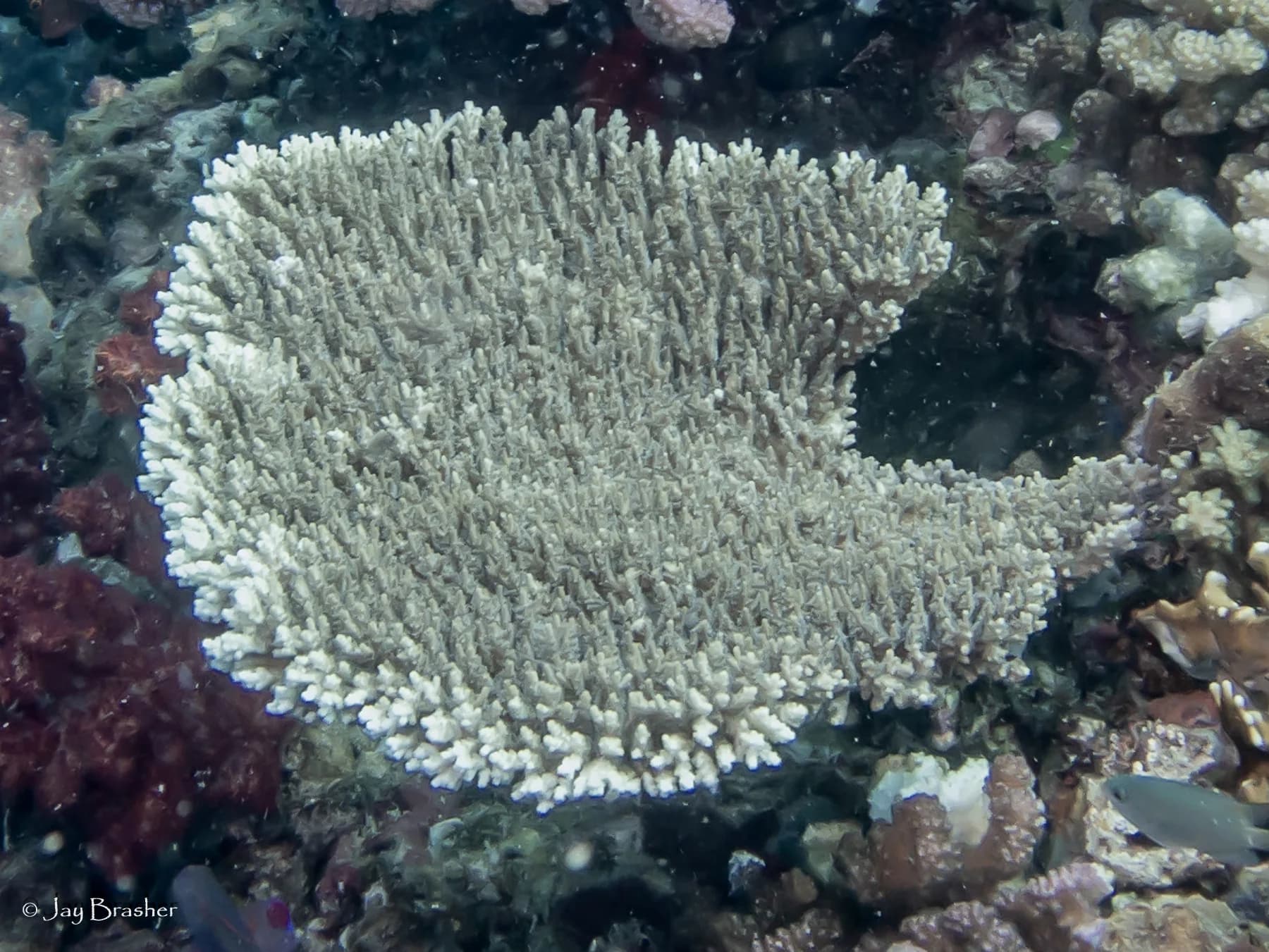
Table Coral
General species description, not specific to this destination
A plating coral that grows in horizontal tiers or tables up to 2 meters across. Delicate branches fuse into smooth, plate-like surfaces. Pale brown to cream coloration with distinctly lighter white edges at the growing margin.
Net Fire Coral
General species description, not specific to this destination
A mustard-yellow to tan colonial hydrocoral that grows in upright, repeatedly forked blades, often fusing into net-like fans. It is widespread on Red Sea reef crests and slopes where water moves. Divers recognize it by its smooth, pale, blade-like branches studded with tiny pores.
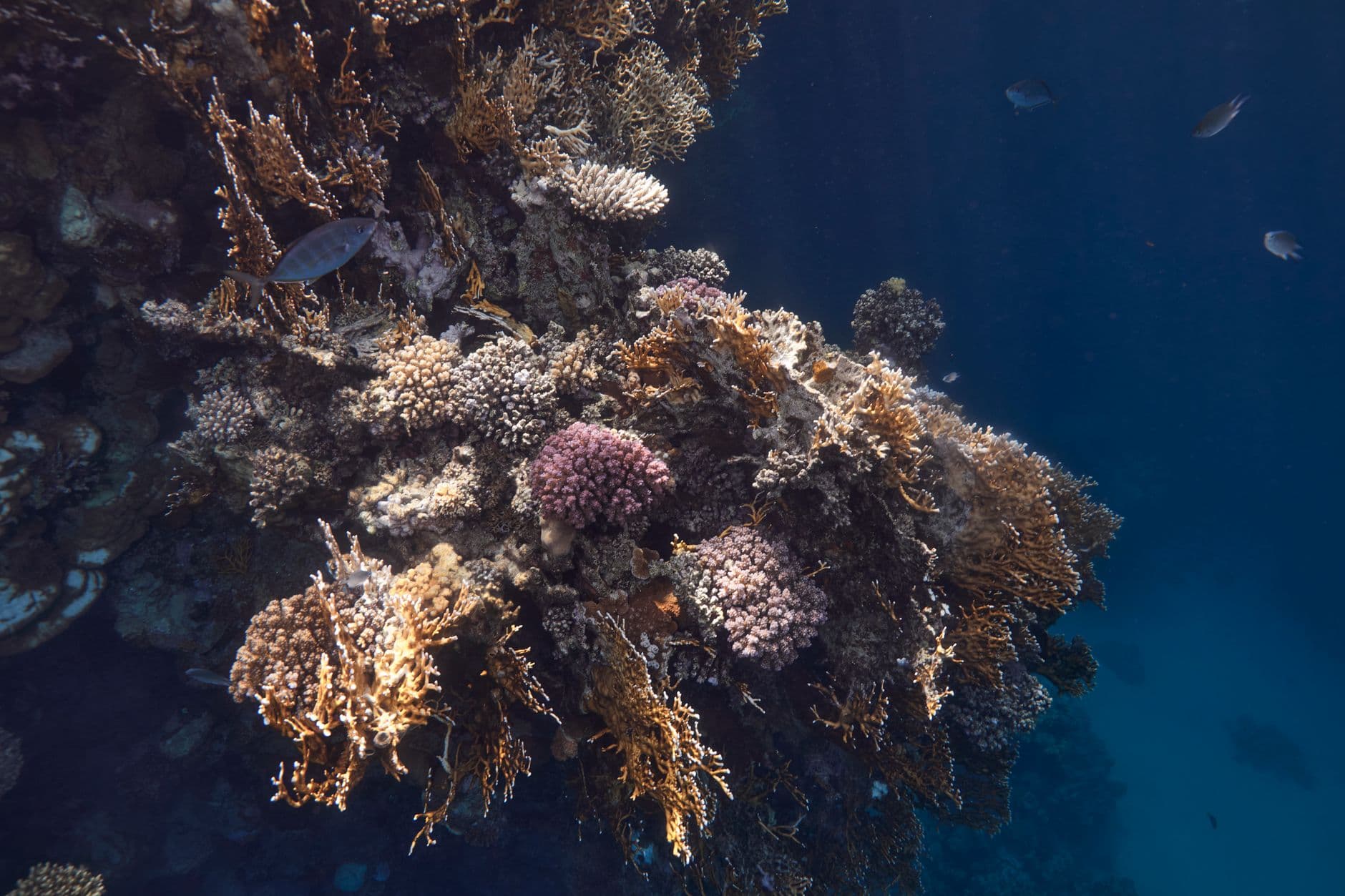
From the legendary Blue Hole and Canyon to the drift dives at Bells and Golden Blocks — dive into Dahab's top 10 sites with depths, difficulty, and marine life.
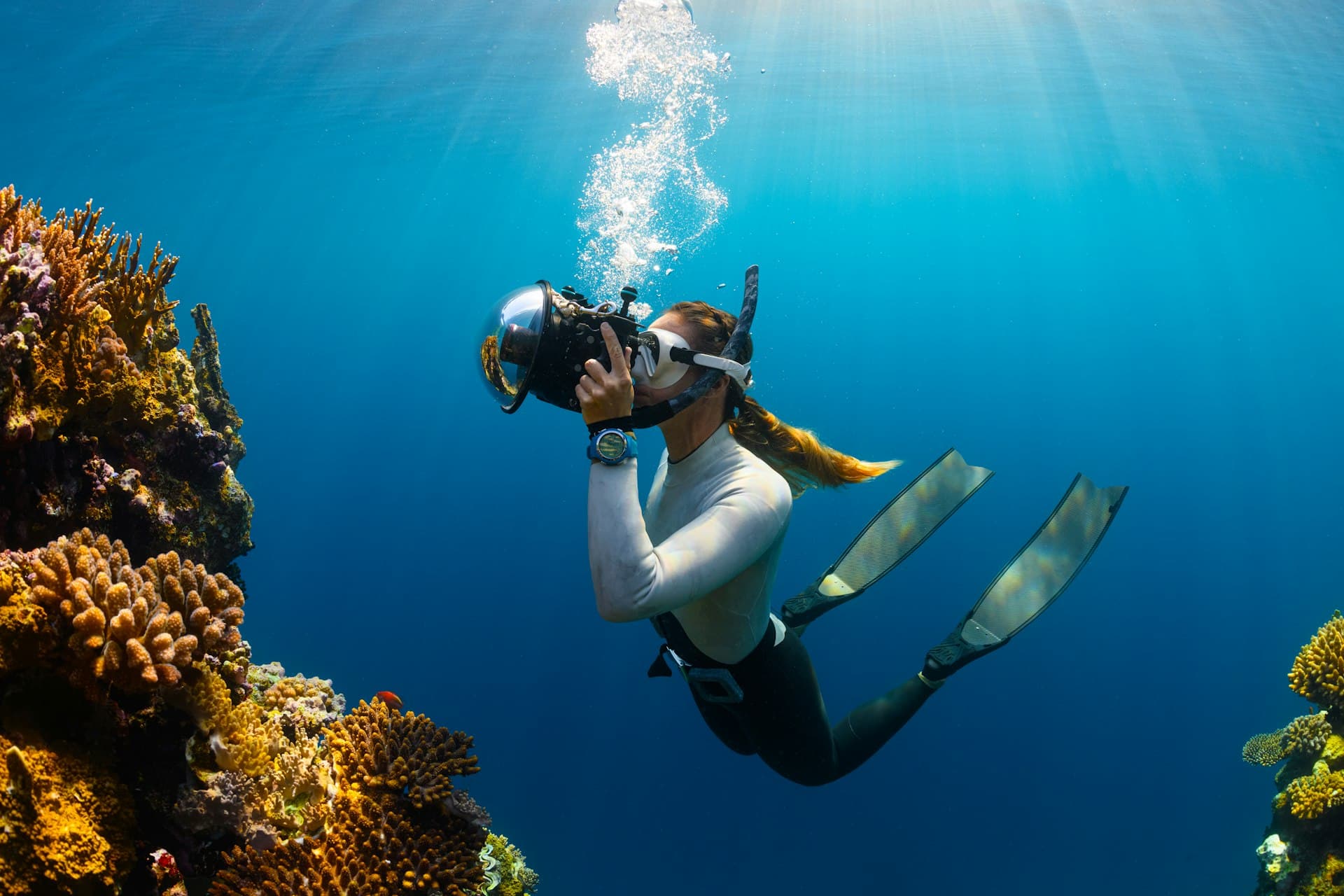
Dahab offers the world's best shore diving — walk from the beach into the Blue Hole, Canyon, and 26+ fringing reef sites on Egypt's Sinai coast.
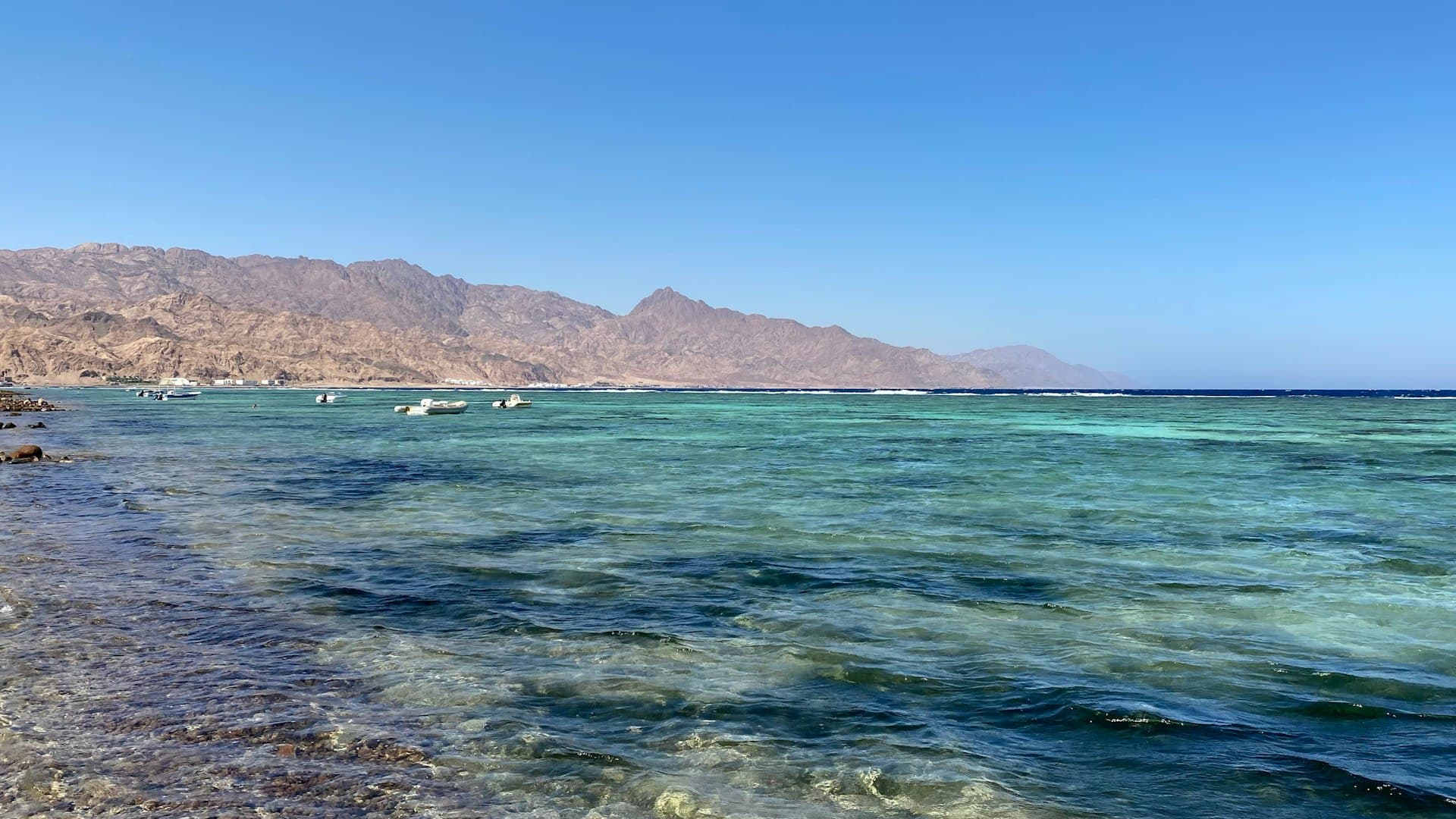
Visibility up to 40m, water 21–29°C, and year-round shore diving in the Gulf of Aqaba. Complete month-by-month guide to Dahab's diving conditions.
Offline access, dive log, AI fish ID, live site maps, and trip planning.
Download on the App Store