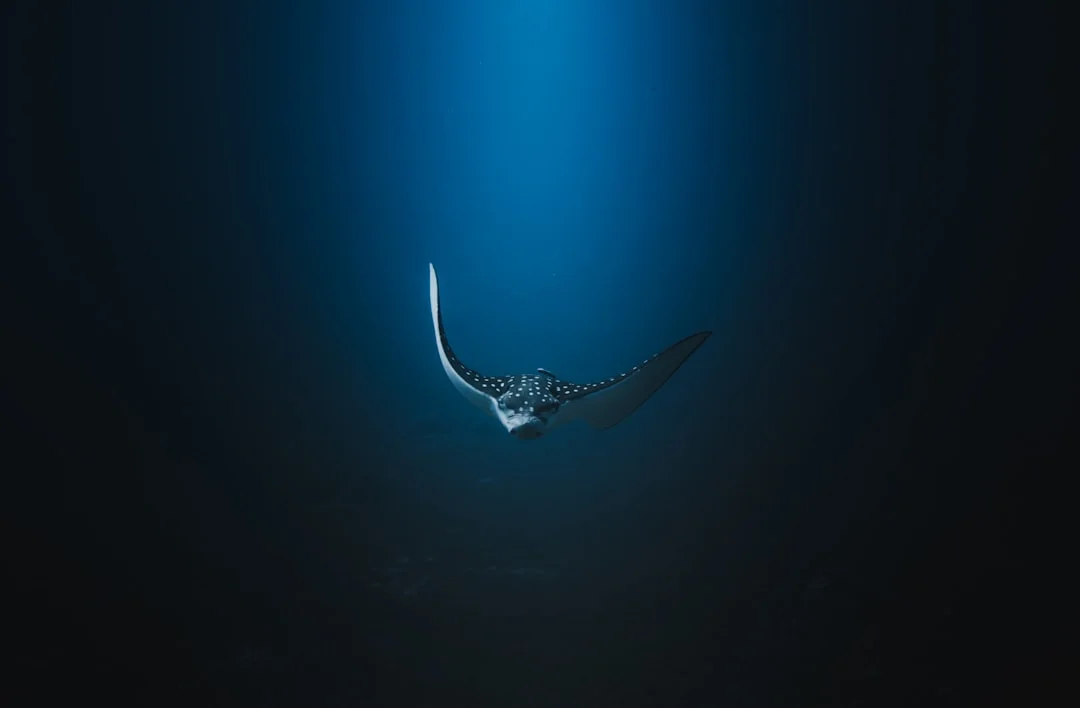
Spotted Eagle Ray
Destination note
Common year-round at outer reef walls and over seagrass flats; frequently sighted around the Islas del Rosario, San Andrés and Providencia.
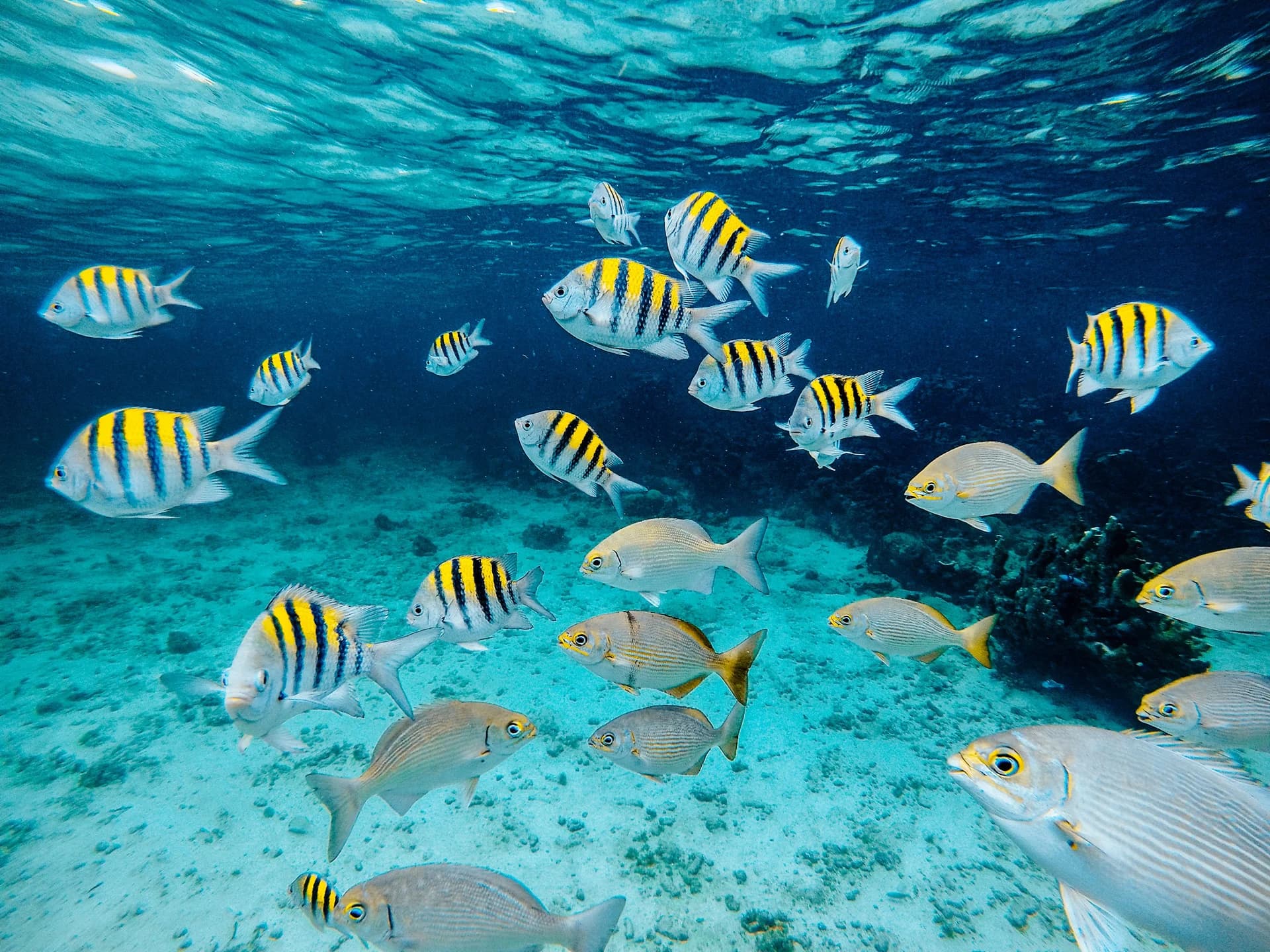
Colombia
Photo: Fuka jaz / Pexels
Colombia is the only South American country with coastlines on both the Pacific Ocean and the Caribbean Sea, offering two completely different diving experiences in one destination. The Caribbean coast features vibrant coral reefs, historic wreck sites, and the stunning Rosario Islands near Cartagena. The Pacific coast is a world-class destination for pelagic encounters, including hammerhead sharks at Malpelo Island (a UNESCO World Heritage site), humpback whales, and large marine life in nutrient-rich upwelling waters.
Select a pin to learn more. Use the zoom buttons or pinch to zoom.
Loading map…
20 places have no verified map location yet. Browse the page lists for more places.
26–30 °C
10–30 m
5–40 m
Moderate
December to April for Caribbean coast; May to November for Pacific coast
| Month | Summary |
|---|---|
| Jan | January on the Caribbean coast offers excellent diving conditions with warm water (27-29°C), calm seas, and visibility up to 30m. The dry season means sunny days and clear waters around Cartagena and the Rosario Islands. Pacific coast diving is also good with temperatures around 28°C. |
| Feb | February continues the peak Caribbean season with warm water (27-29°C), excellent visibility, and calm conditions. Ideal for visiting the Rosario Islands, Taganga, and San Andrés. Pacific coast remains warm with good visibility for whale watching season approaching. |
| Mar | March is still excellent on the Caribbean coast with warm water and clear skies. The dry season continues through early March. Pacific coast whale watching season peaks with humpback whale encounters. Good conditions for both coast diving. |
| Apr | April marks the end of the Caribbean dry season. Water remains warm (28-29°C) and visibility is still good. Some afternoon clouds may appear toward late April. Pacific coast continues to offer whale watching opportunities as the season winds down. |
| May | May brings the start of the rainy season on the Caribbean coast with increased afternoon showers. Water temperatures remain warm (28-30°C) and visibility may decrease slightly. The Pacific coast enters its dry season with better conditions for diving in Nuqui and Bahia Solano. |
| Jun | June on the Caribbean coast sees more frequent rain and slightly reduced visibility (15-25m). Water stays warm at 28-30°C. The Pacific coast enters its best diving window with calmer seas and good visibility. Malpelo liveaboard trips operate year-round. |
| Jul | July is a good month for Pacific coast diving with better weather patterns. Caribbean coast sees moderate rain but water is warm (27-29°C). Humpback whale season peaks in the Pacific with excellent viewing opportunities from boats between dives. |
| Aug | August continues the Pacific diving season with favorable conditions. Caribbean coast remains warm but rainy. Visibility on the Caribbean may drop to 10-20m during heavy rain periods. Pacific coast offers encounters with pelagic species and humpback whales. |
| Sep | September is one of the wettest months on the Caribbean coast with reduced visibility possible. Water temperatures peak at 29-30°C. Pacific coast diving remains good. Whale watching season continues through September in the Pacific. |
| Oct | October marks improving conditions on the Caribbean coast as the rainy season wanes. Water stays warm (28-29°C) and visibility gradually improves. Pacific coast whale watching season continues through October with increasing frequencies of sightings. |
| Nov | November brings improving conditions to the Caribbean coast with less rain and better visibility returning. Water temperatures remain pleasant at 27-28°C. Pacific coast diving is excellent with calm seas and good visibility as the dry season begins. |
| Dec | December starts the dry season on the Caribbean coast with excellent diving conditions returning. Water temperatures warm at 27-29°C, visibility improves to 20-30m. Caribbean reefs are at their best. Pacific coast diving remains good with fewer visitors. |
Advanced
5–25m · Intermediate
Rocky reef
whale diving · warm water
Advanced
Advanced
Advanced
Advanced
Beginner
Beginner
Species recorded in this destination's wider regional catalogue. A species being listed here does not mean it is seen at this destination — check the note on each card.
Spotted Eagle Ray
Destination note
Common year-round at outer reef walls and over seagrass flats; frequently sighted around the Islas del Rosario, San Andrés and Providencia.
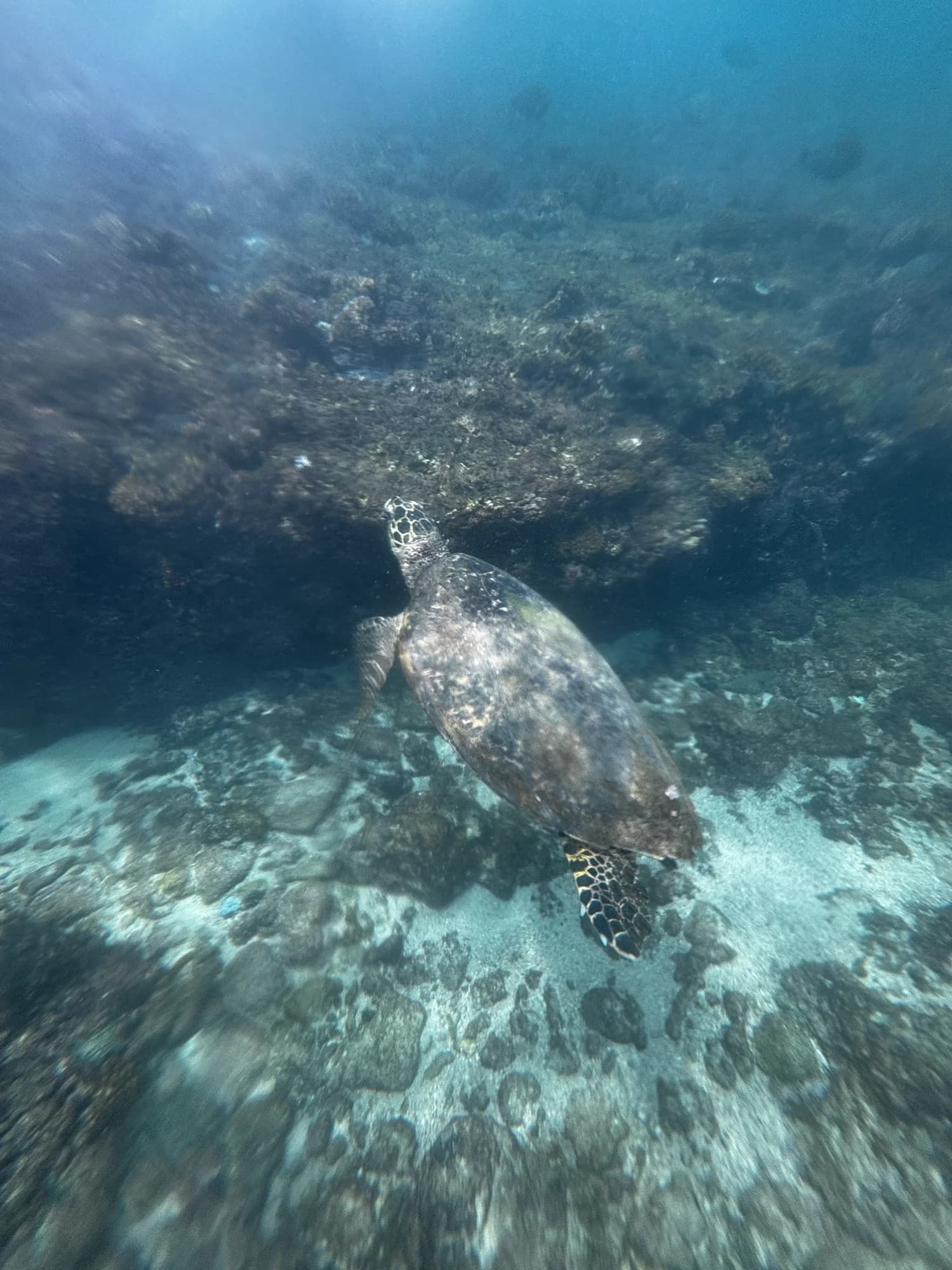
Hawksbill Turtle
Destination note
Common year-round on Colombian Caribbean coral reefs, especially around the Islas del Rosario, Tayrona and Providencia; nests on Caribbean beaches.
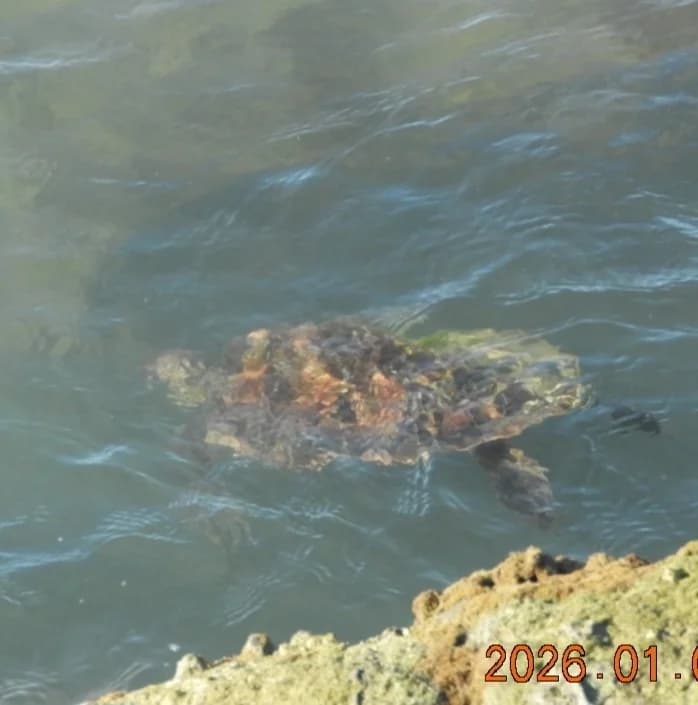
Green Sea Turtle
Destination note
Common year-round on Colombian Caribbean reefs and seagrass flats; nesting season peaks May-August on mainland and island beaches.
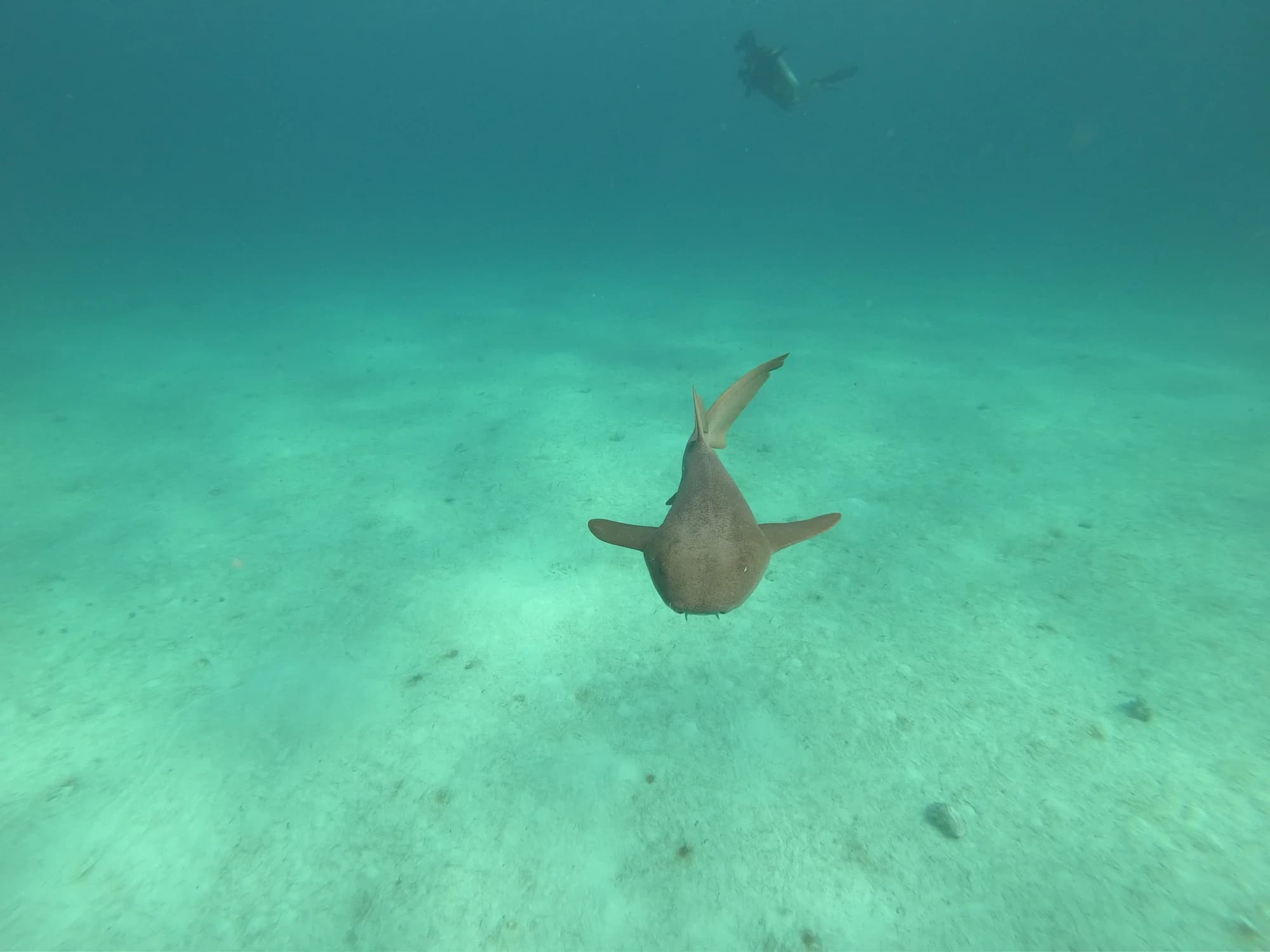
Nurse Shark
Destination note
Common year-round on sandy flats and reef margins of the Colombian Caribbean, including the Islas del Rosario and San Andrés.
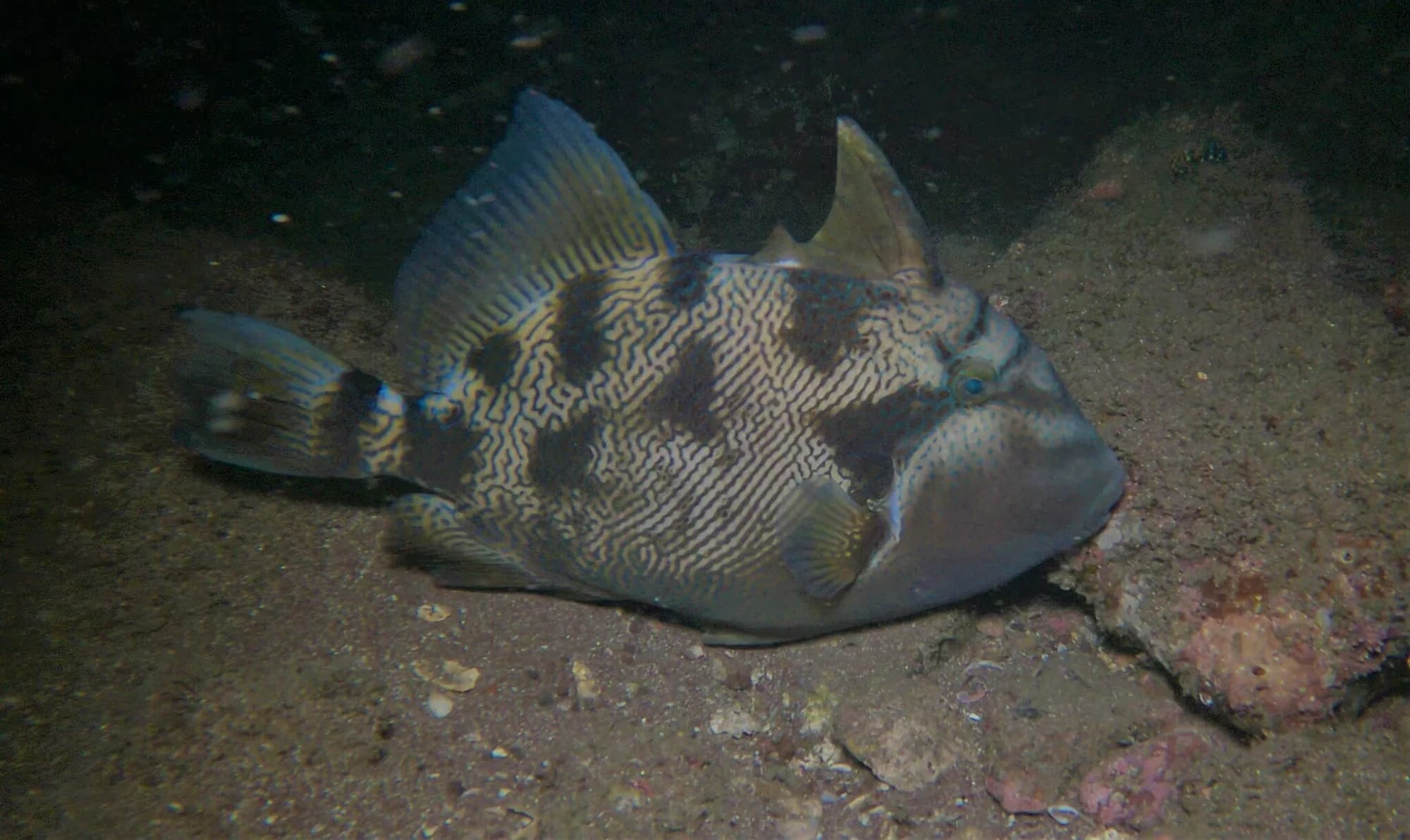
Stone Triggerfish
General species description, not specific to this destination
One of the largest triggerfish in the world, reaching 75 cm, with a thick stone-like grey body and small white spots. A signature species of the rocky Eastern Pacific, frequently seen by divers at Malpelo and Gorgona.
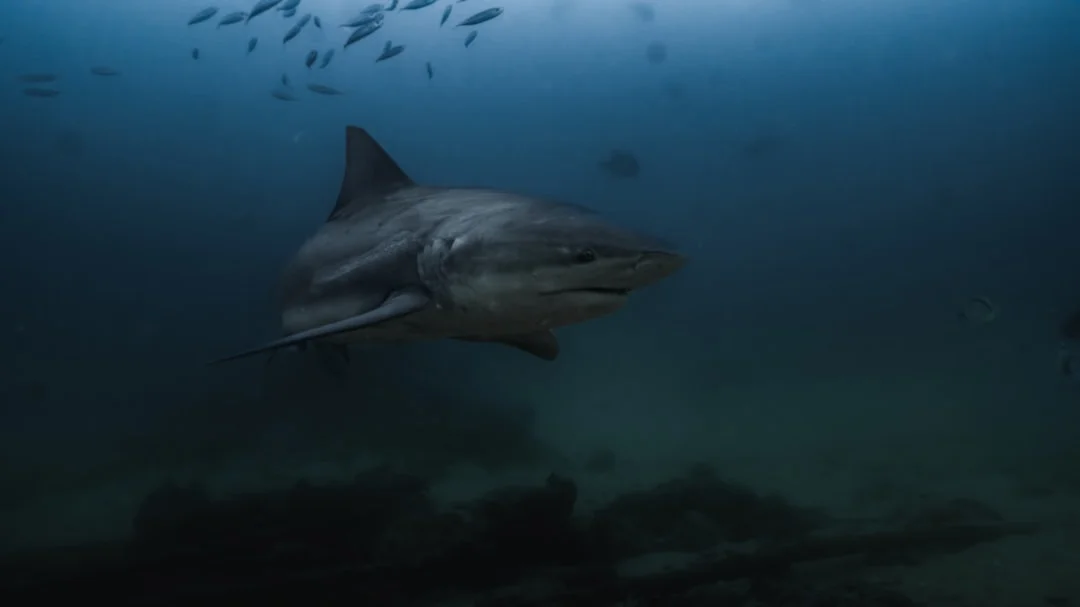
Bull Shark
General species description, not specific to this destination
Bull sharks are one of the most impressive predators divers can encounter in warm coastal waters. These robust sharks are easily recognized by their broad, blunt snout, stocky build, and grey coloration with a white underside. Growing up to 11 feet long, they have a powerful, muscular appearance that commands respect underwater. Bull sharks are known for their curious nature and may approach divers, maintaining a confident but generally non-aggressive demeanor. They're often seen cruising along reef walls or in open water, sometimes in small groups. Their ability to tolerate both saltwater and freshwater makes them unique among sharks, and they're excellent hunters with a varied diet including fish, rays, and other marine life.
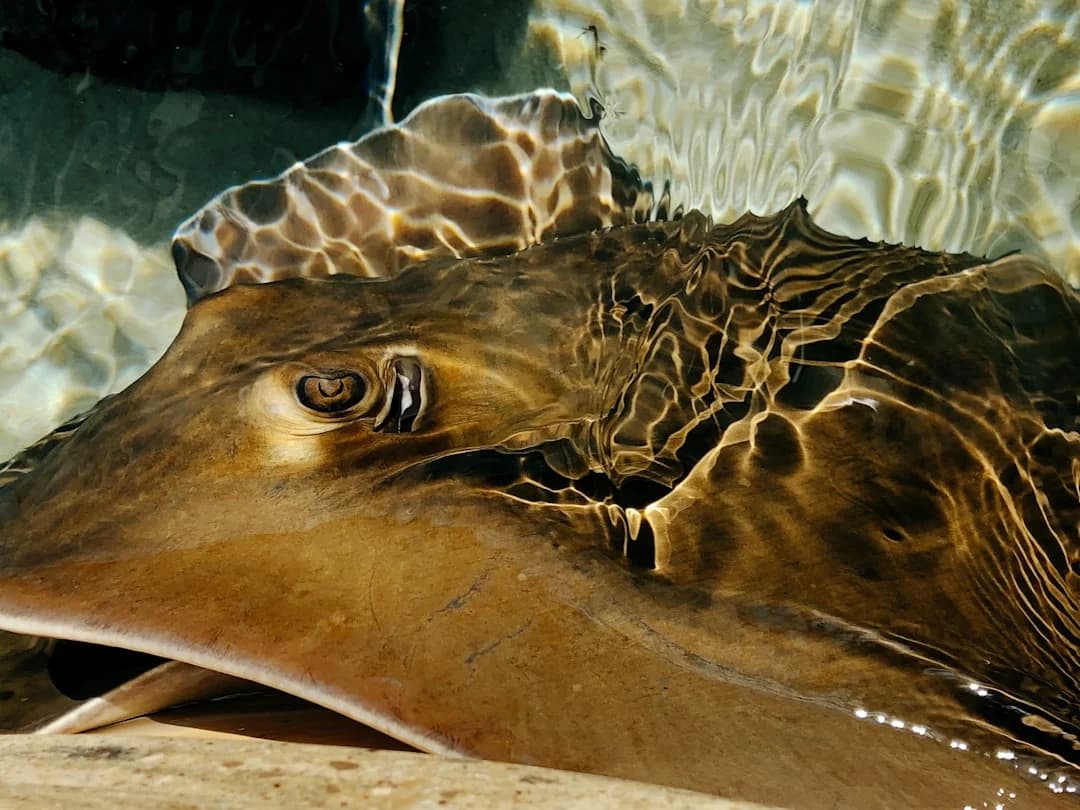
Giant Electric Ray
General species description, not specific to this destination
A large electric ray found in the Eastern Pacific, from Mexico to Peru, including the Galápagos. It has a rounded disc-shaped body, a short tail, and can generate powerful electric shocks of up to 200 volts to stun prey and deter predators.
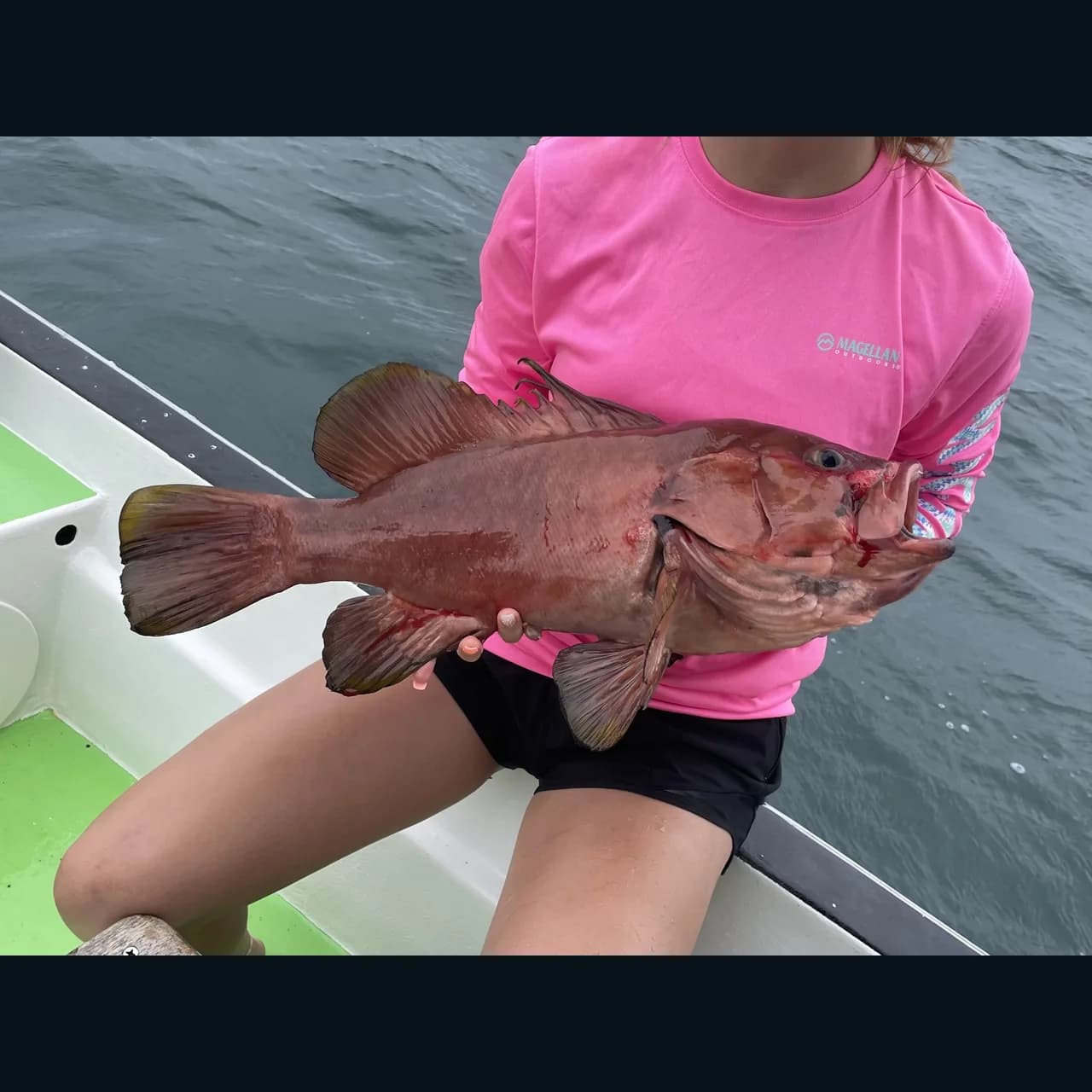
Photo: Rooster Hind (Hyporthodus acanthistius) 2022-06-01 (202582280).jpg — threeagooutdoors · CC BY 4.0 · Full source frame fitted to a square canvas; resized and encoded as WebP for main (1280×1280) and thumbnail (400×400).
Rooster Hind
General species description, not specific to this destination
A robust grouper reaching up to 60 cm, grey-brown with small dark spots and a distinctive steep head profile resembling a rooster's comb. Found on rocky reefs and drop-offs in the tropical Eastern Pacific, where it hunts crustaceans and small fish.
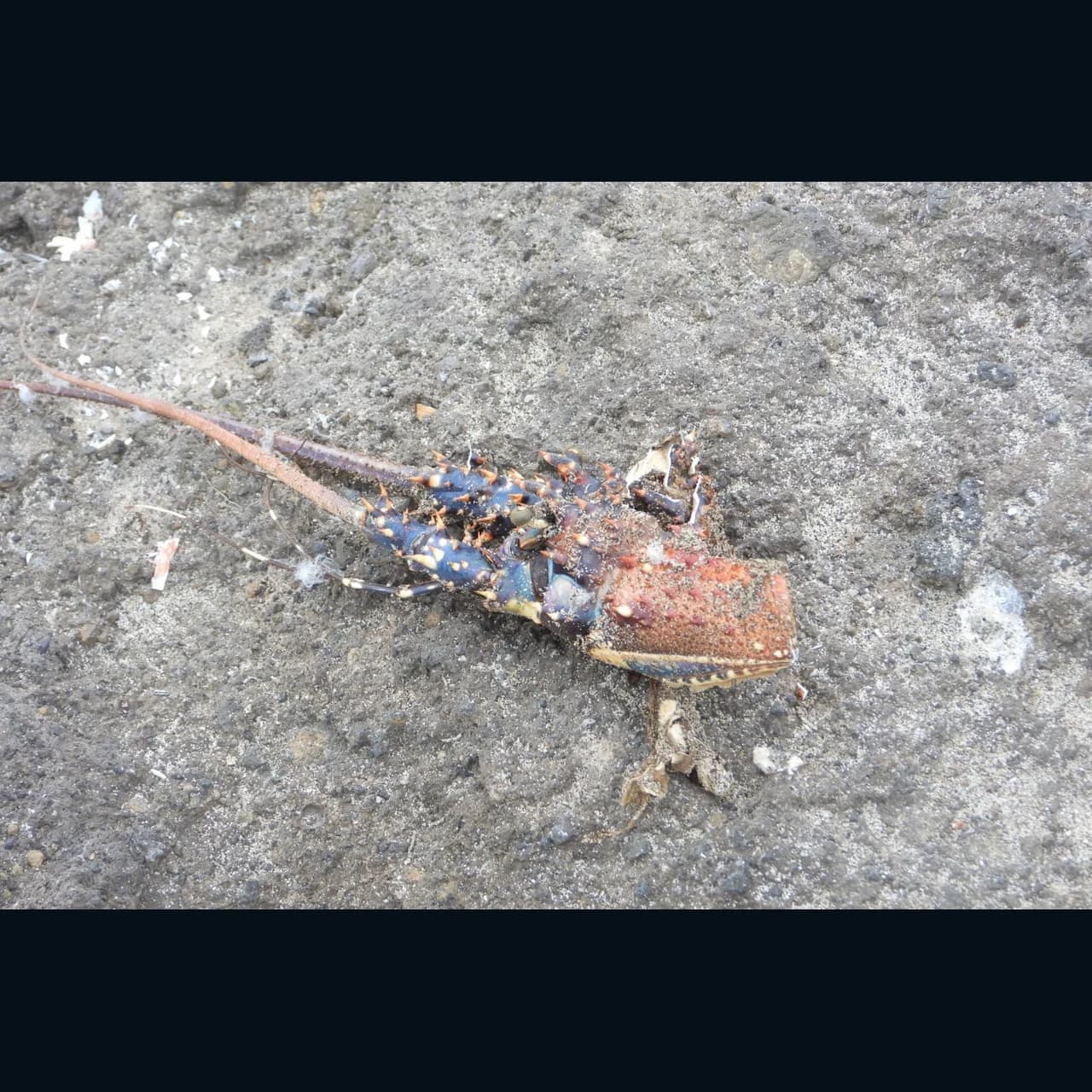
Photo: Panulirus inflatus 379315759.jpg — Ricardo Betancourt Sánchez · CC BY 4.0 · Full source frame fitted to a square canvas; resized and encoded as WebP for main (1280×1280) and thumbnail (400×400).
Blue Spiny Lobster
General species description, not specific to this destination
A spiny lobster reaching 40 cm with a blue-green carapace and long antennae, lacking claws. Abundant on rocky reefs of the tropical Eastern Pacific, a key commercial species.
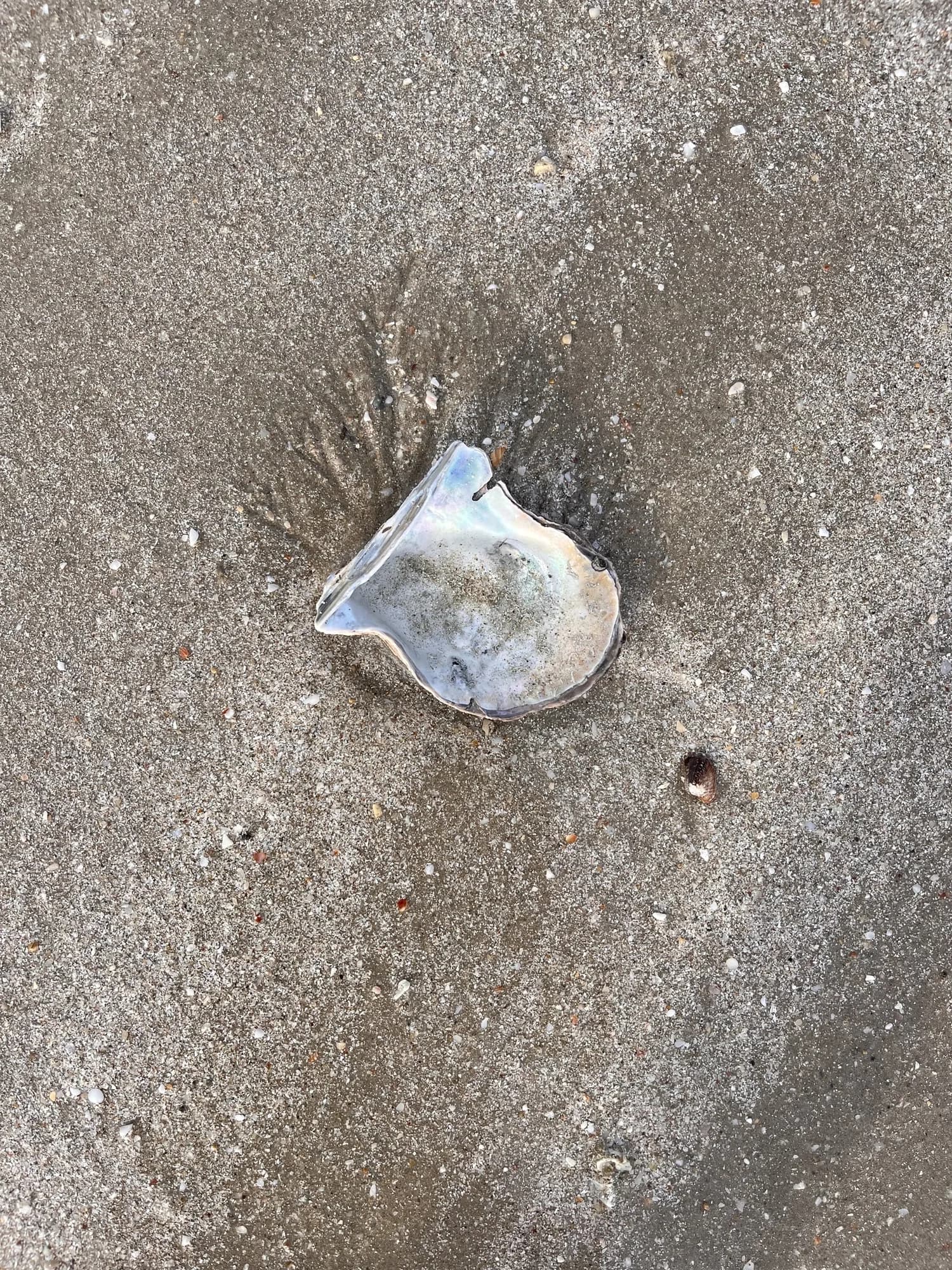
Rainbow Pearl Oyster
General species description, not specific to this destination
A winged oyster reaching 15 cm with an iridescent nacre and elongated ear-like extensions. Attaches to rocks and gorgonians on reefs of the tropical Eastern Pacific.
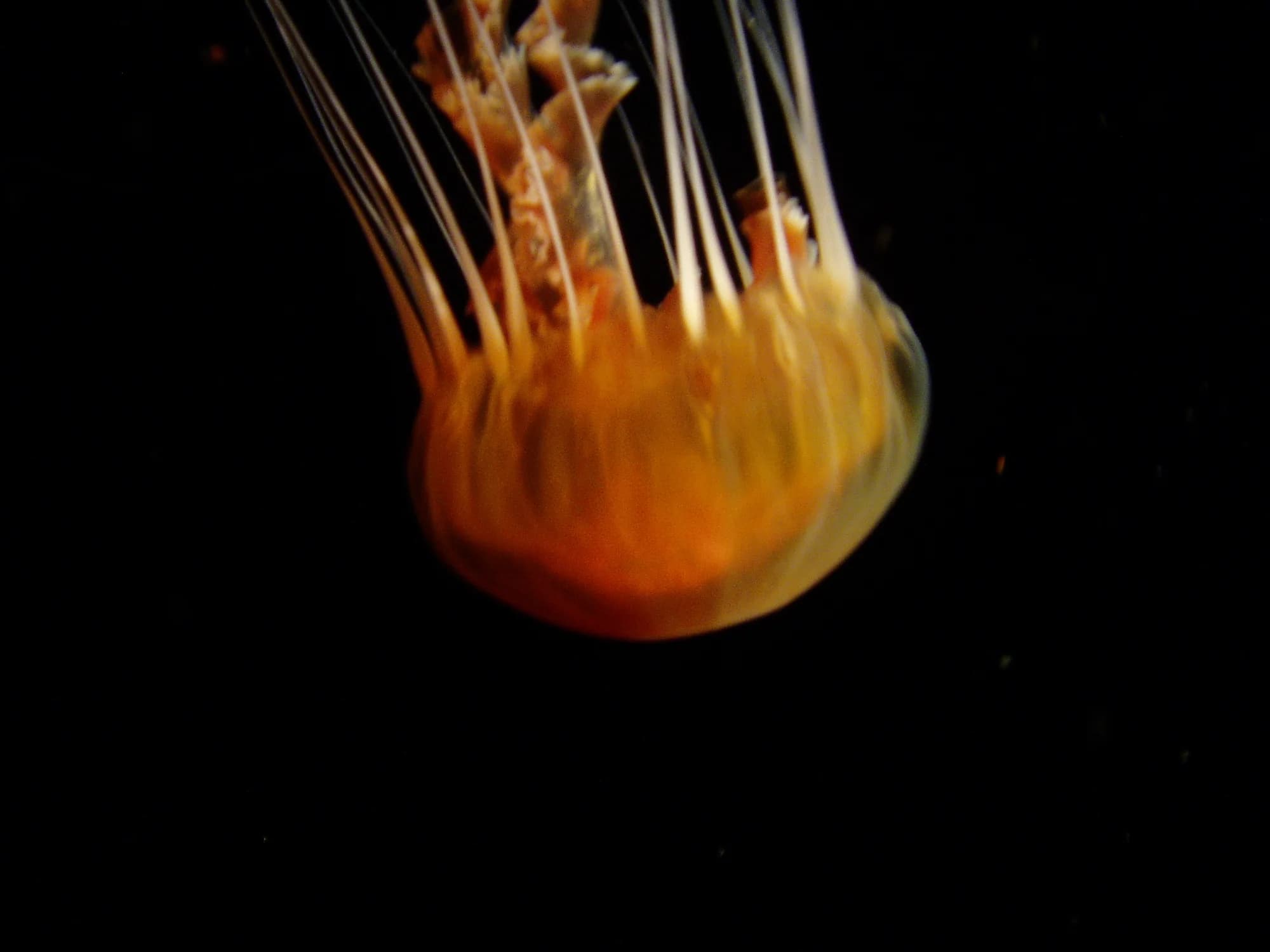
Black Sea Nettle
General species description, not specific to this destination
A giant jellyfish reaching 1 m in bell diameter with a dark maroon-black bell and long, trailing oral arms. Occurs in large swarms in the open waters of the tropical Eastern Pacific.
Longspined Porcupinefish
General species description, not specific to this destination
The Longspined Porcupinefish is a fascinating resident of tropical reefs around the world, easily recognized by its rounded body covered in prominent spines and distinctive yellow-brown coloration with darker spots. When relaxed, this gentle fish appears almost balloon-like as it slowly navigates the reef. However, when threatened, it transforms dramatically by inflating into a spiky sphere twice its normal size - a spectacular defensive display that divers occasionally witness. These curious fish often approach divers closely, their large eyes giving them an almost comical expression. They're commonly found hovering near coral formations and caves during the day, using their beak-like mouths to crush small crustaceans and mollusks. Their slow, deliberate swimming style and tendency to remain stationary make them excellent photography subjects for underwater enthusiasts.
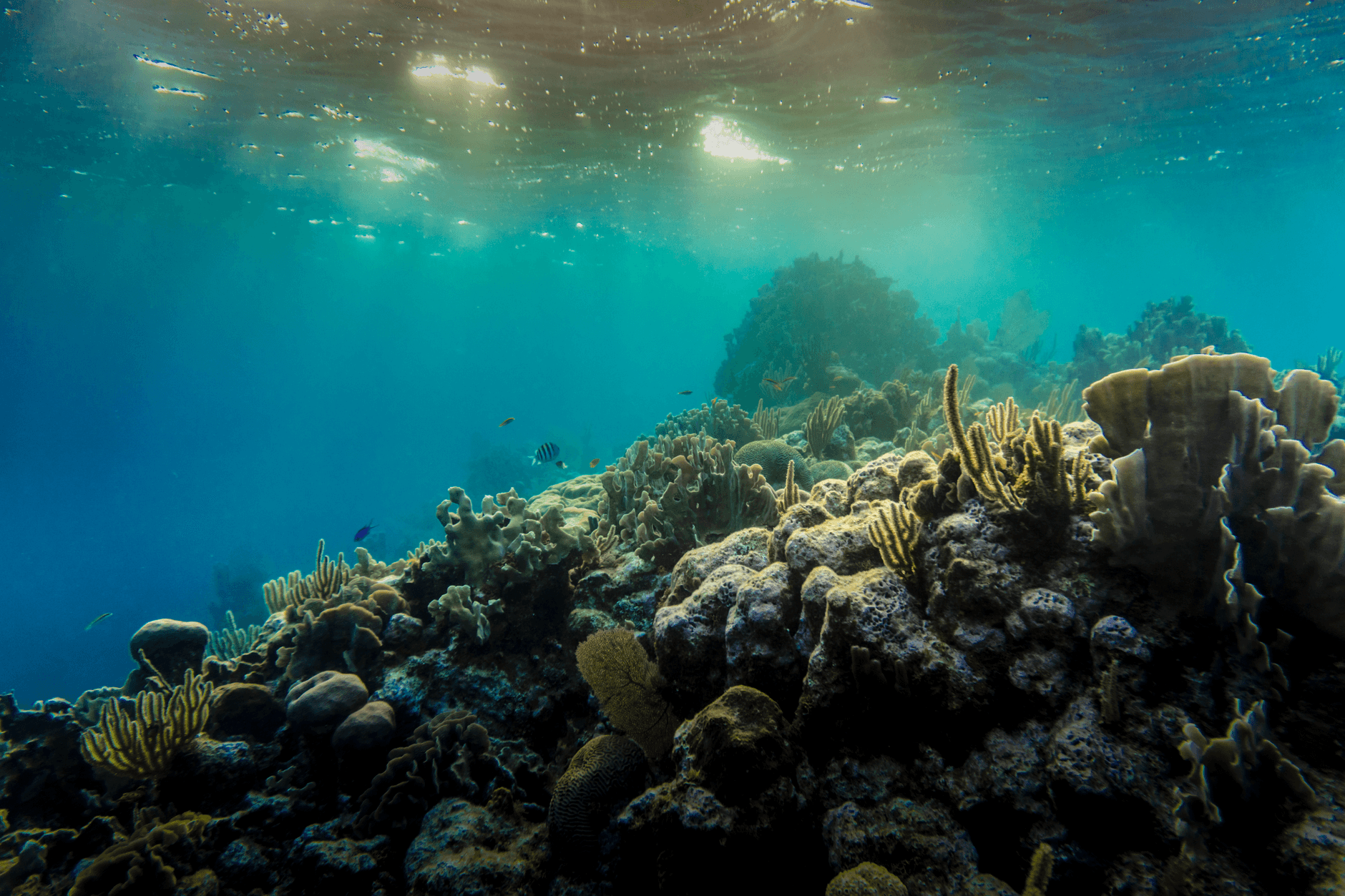
From the world-class hammerhead shark sanctuary of Malpelo Island to the pristine coral gardens of El Acuario in San Andrés. Explore Colombia's top 6 dive sites.
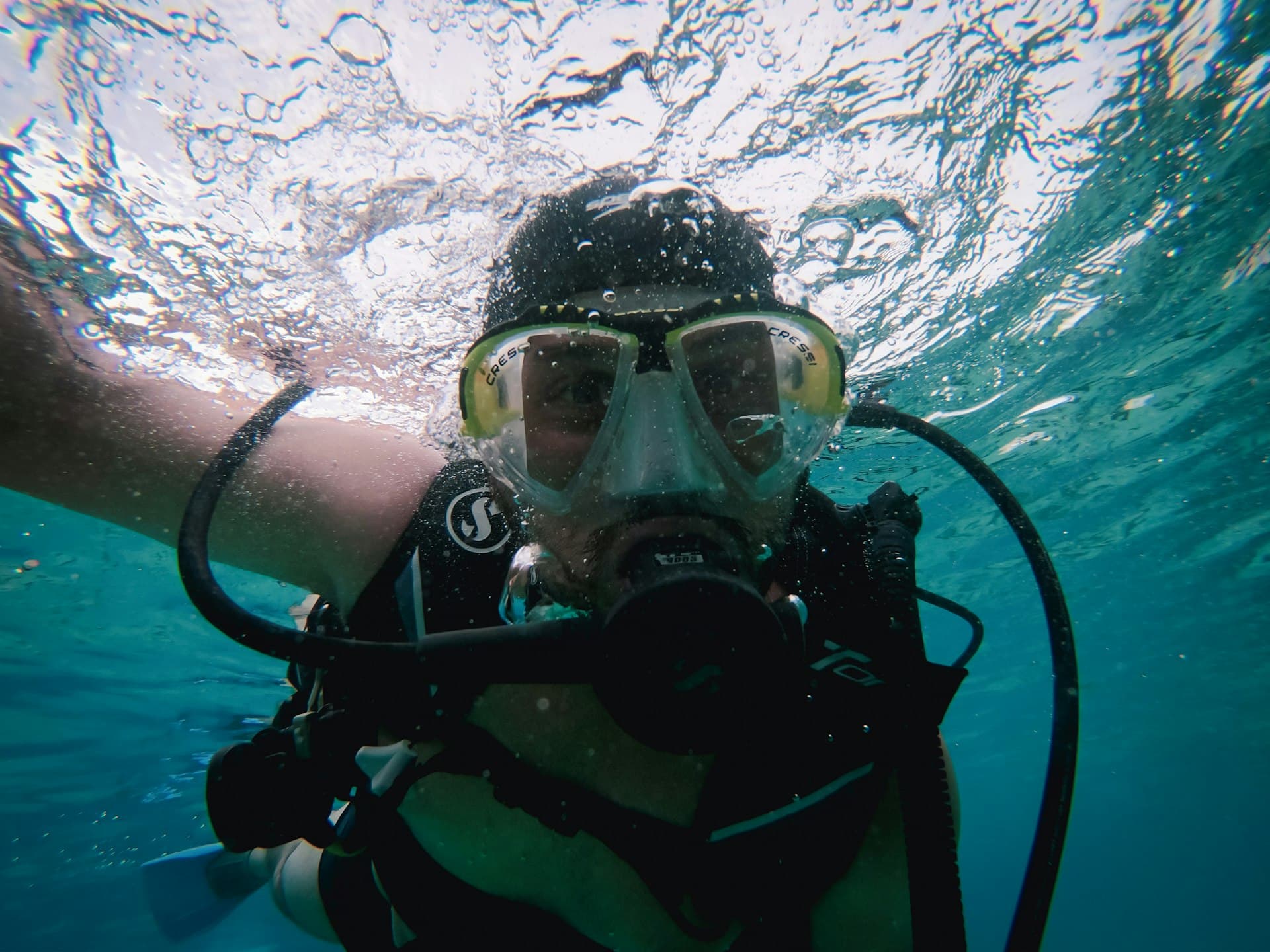
Colombia is the only South American country with coastlines on both the Pacific Ocean and the Caribbean Sea. Dive vibrant coral reefs, encounter hammerhead sharks at Malpelo, and explore San Andrés Island — a leading dual-ocean diving destination.
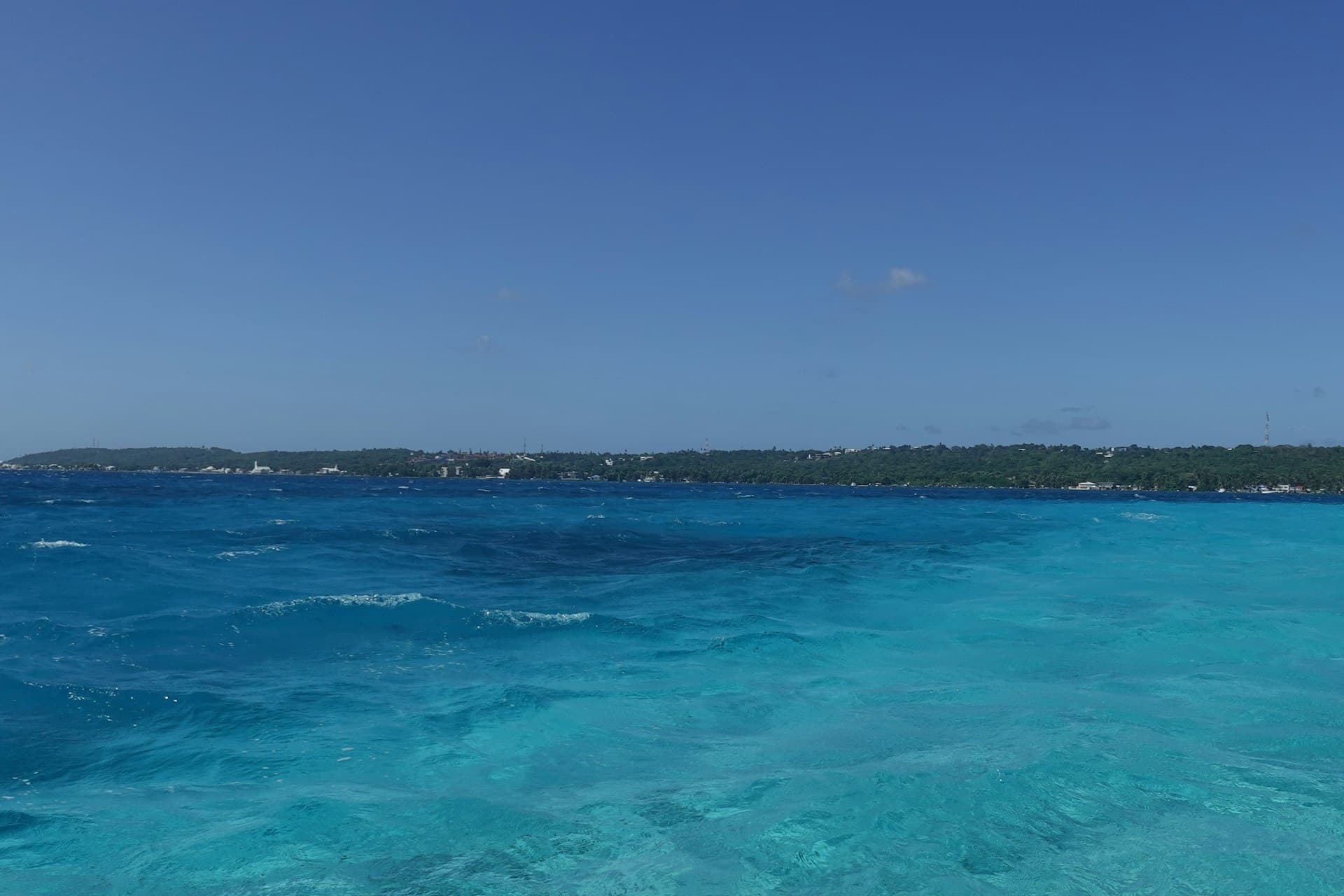
Water 25–30 °C, visibility 10–30 m, and coast-specific currents. Complete temperature, visibility, and season guide for diving Colombia's Caribbean and Pacific.
Offline access, dive log, AI fish ID, live site maps, and trip planning.
Download on the App Store