Bunaken

Indonesia

Diving in Bunaken

25 sites96 species27–30 °C15–40 m vis

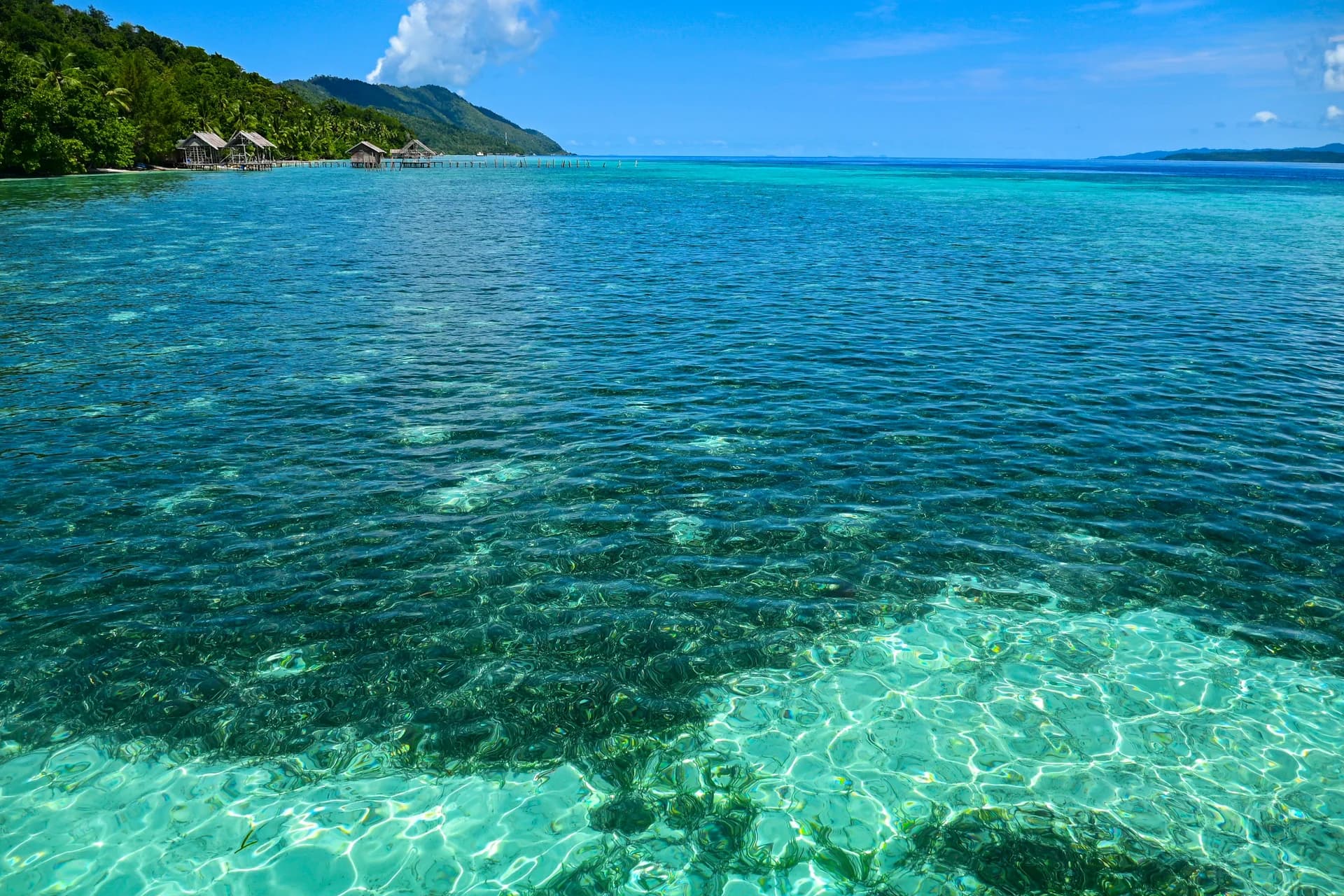
Photo: SnapSaga / Unsplash

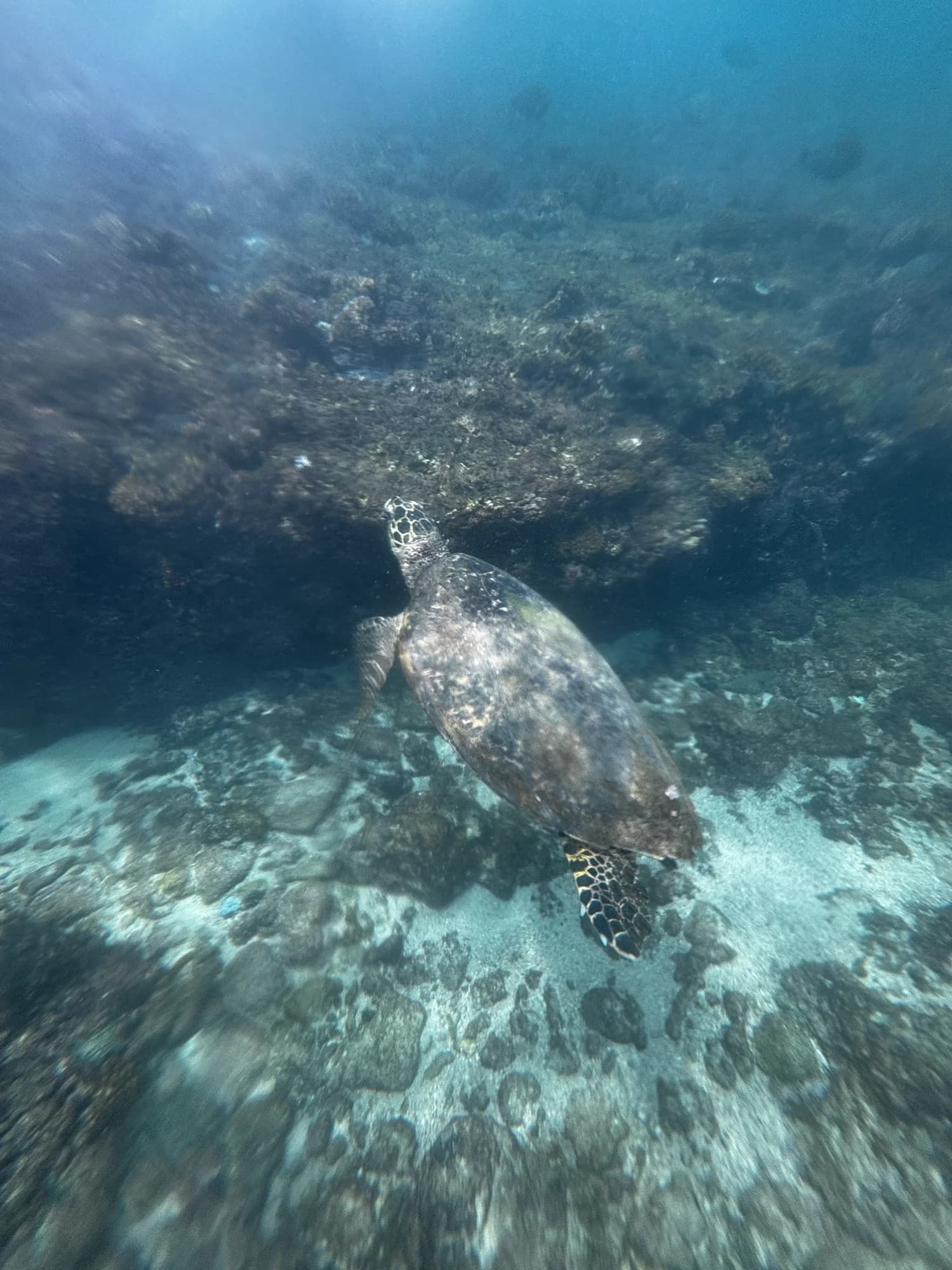
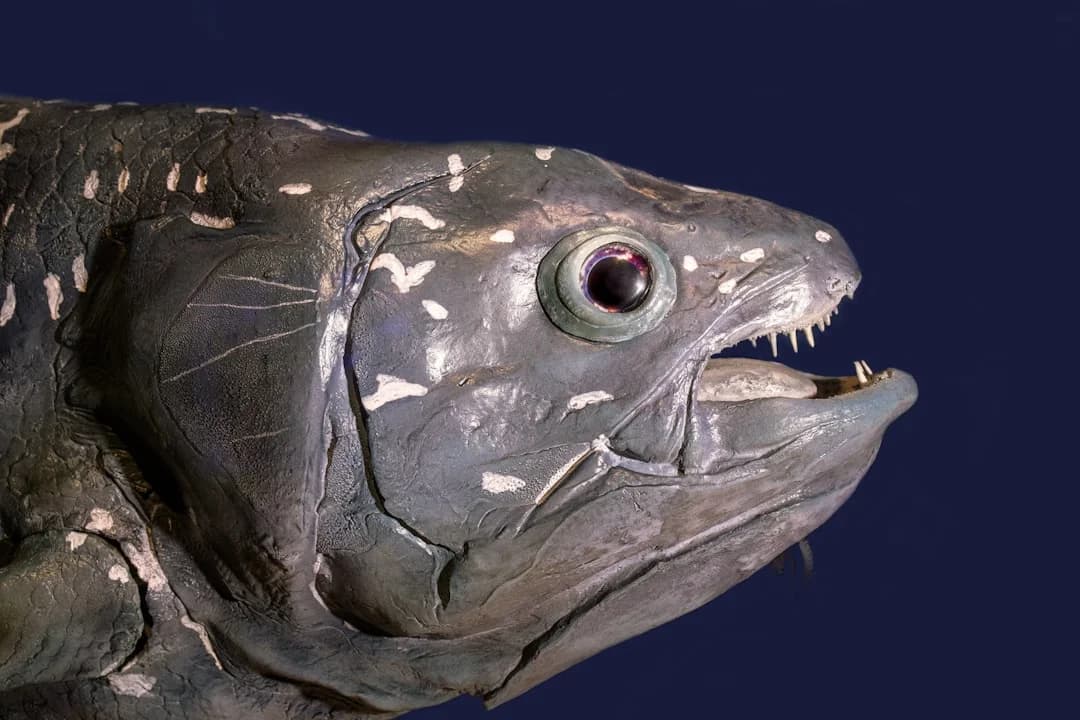
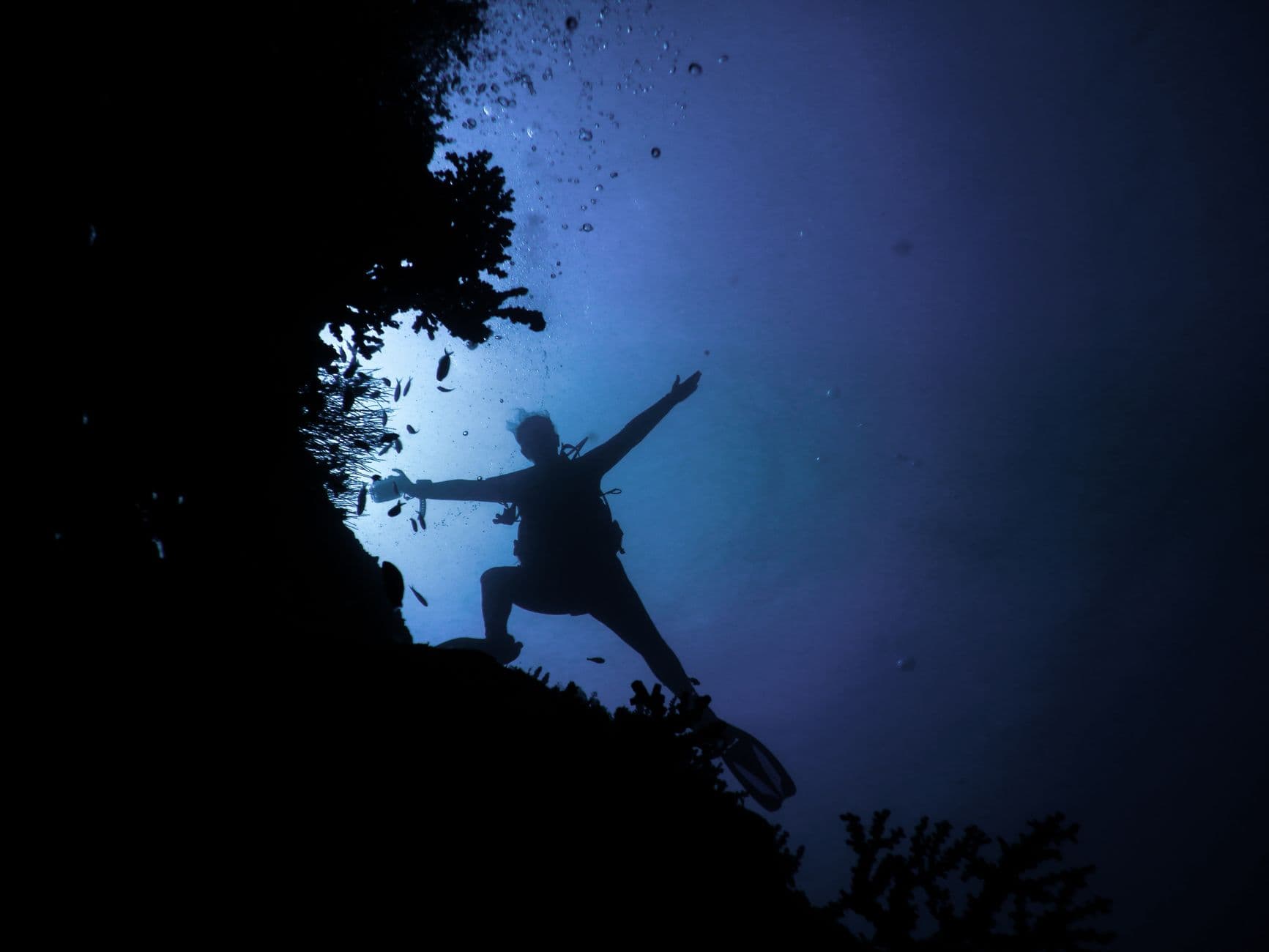
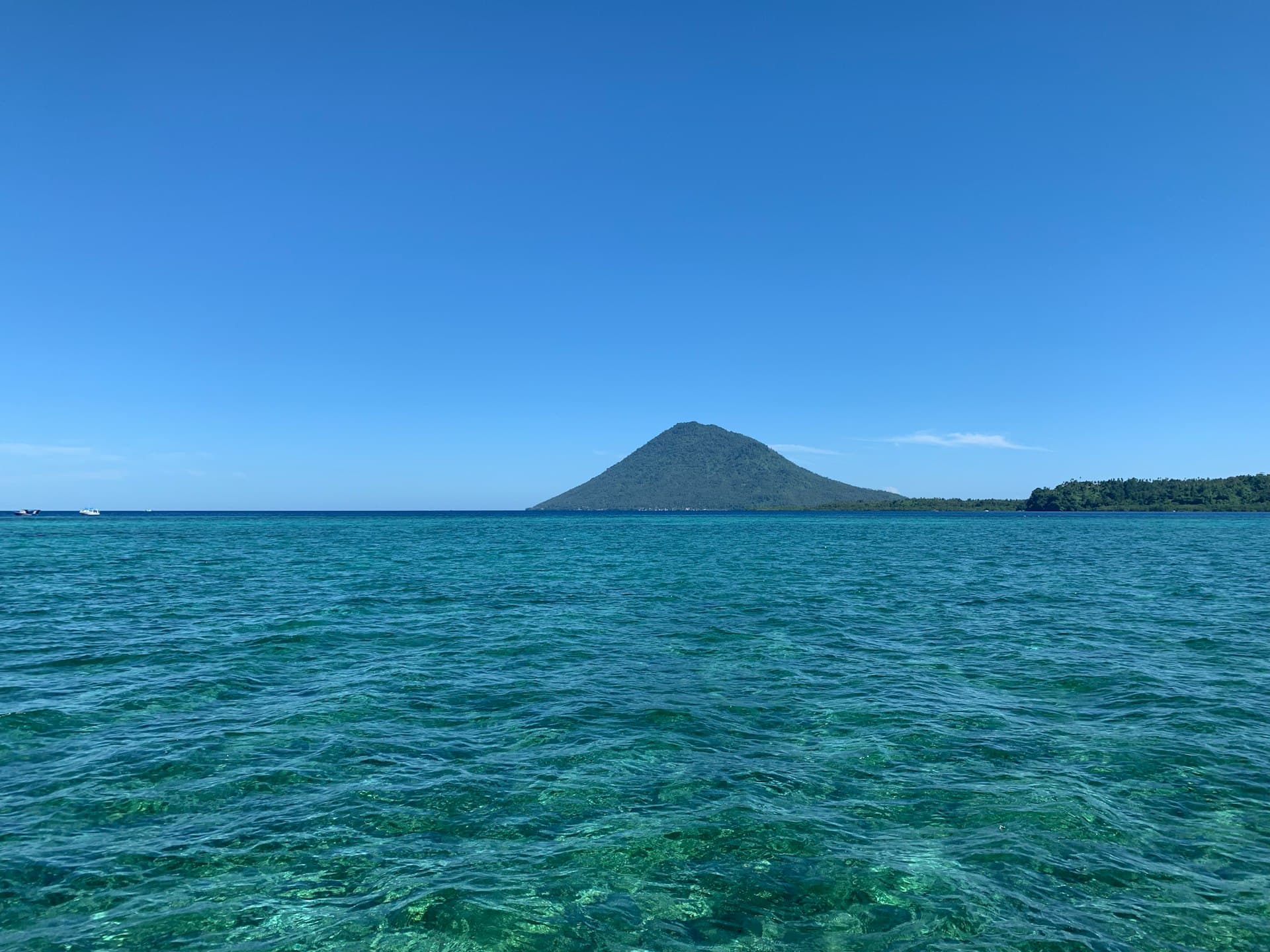
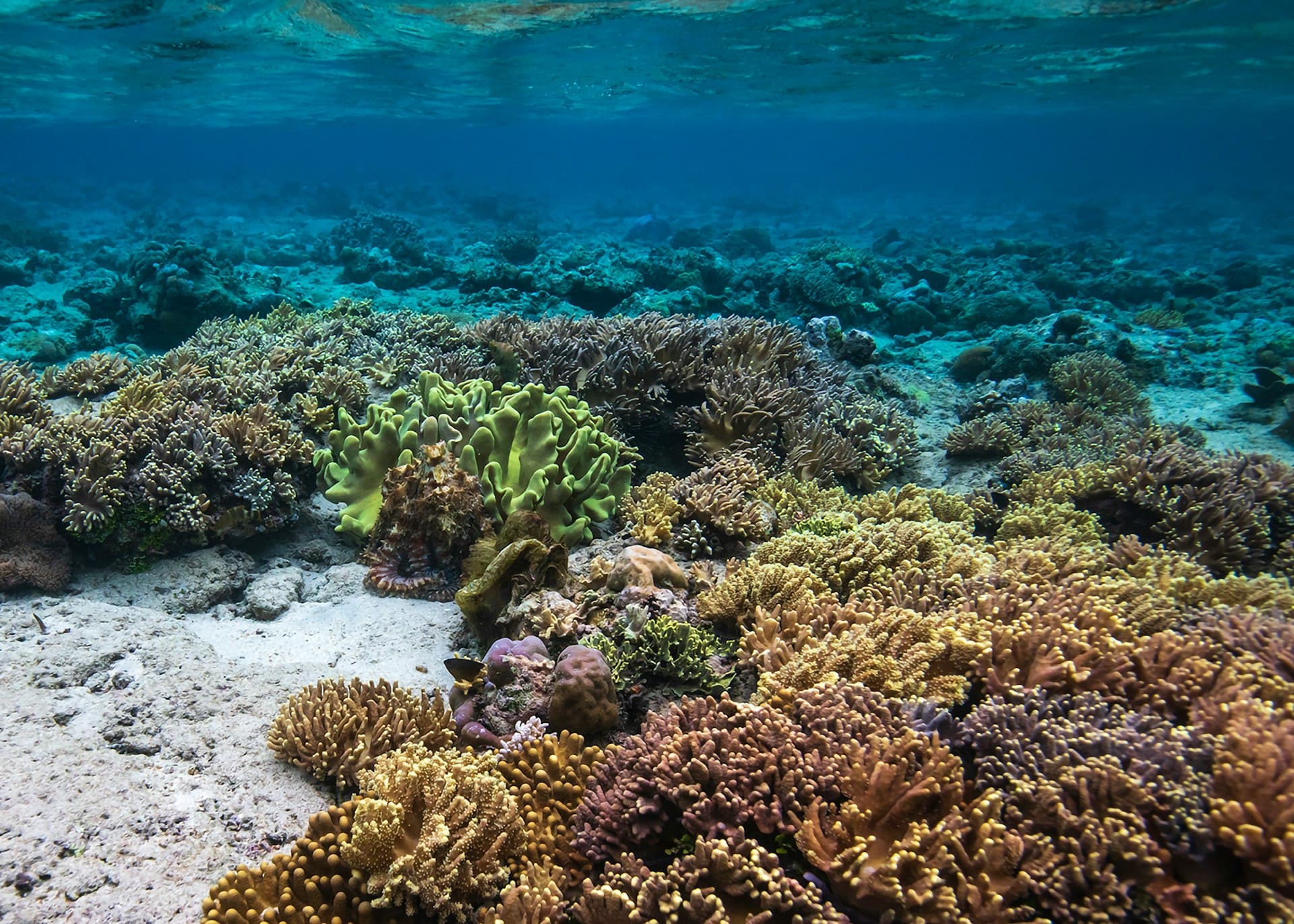
Bunaken National Marine Park is a world-class wall-diving destination in North Sulawesi, Indonesia, encompassing five islands: Bunaken, Manado Tua, Siladen, Mantehage, and Nain. Unlike most coral reefs that slope gently to a continental shelf, Bunaken's walls drop vertically from 3 meters to over 1,800 meters into the abyss. Located at the heart of the Coral Triangle — the global epicenter of marine biodiversity — the park is home to over 390 coral species, thousands of reef fish, and green and hawksbill turtles on nearly every dive. The legendary Lekuan wall, nicknamed 'Turtle City,' delivers 10+ turtle encounters per dive. Discovered here in 1998, the Coelacanth — a 'living fossil' fish thought extinct for 65 million years — still inhabits the deep waters around Manado Tua. With warm water (27–30°C), good visibility (15–40m), year-round diving, and easy access via direct flights from Singapore, Bunaken offers the perfect blend of world-class diving, accessibility, and affordability — just 3.5 hours from Singapore but a world away.

Bunaken is one of only two places on Earth where the Coelacanth (Latimeria menadoensis) — a 'living fossil' fish thought extinct for 65 million years — was discovered alive in 1998.A new species of seahorse, Pontoh's pygmy seahorse (Hippocampus pontohi), measuring just 2.5cm, was first described from Bunaken's walls.Green turtles are so common at Lekuan I that the site is nicknamed 'Turtle City' — divers regularly see 10+ turtles on a single dive.The waters between Bunaken's islands plunge to 1,840 meters — deeper than the Grand Canyon is long. There is virtually no continental shelf around the islands.Manado Tua ('Old Manado') is a dormant volcano rising 800m above sea level — divers sometimes hear low rumbling sounds from volcanic activity at depth.Bunaken Marine Park covers 79,056 hectares, but 97% of it is ocean — only 3% is land across the five islands.Before becoming a national park in 1991, parts of Bunaken were damaged by illegal fish bombing. Today, coral coverage exceeds 90% at many sites — among the highest in Indonesia.The park's no-take zones have been so successful that fish biomass inside protected areas is 2–3x higher than outside.Bunaken's co-management system between the park authority and local villages shares entrance fee revenue directly with local communities for development projects.North Sulawesi is predominantly Christian (Protestant) — a unique cultural island in Muslim-majority Indonesia. Pork dishes are common and alcohol is more readily available here.Manadonese cuisine is considered the spiciest in all of Indonesia — even locals from other islands find the food intensely hot.

Explore the map

Select a pin to learn more. Use the zoom buttons or pinch to zoom.

Loading map…

Places on this map (17)

25 places have no verified map location yet. Browse the page lists for more places.

Conditions

Water temp

27–30 °C

Visibility

15–40 m

Depth

3–40 m

Current

Mild

Best season

May to October (dry season, peak visibility 30–50m, calmest seas)

MonthSummary
JanJanuary is in the wet season with 25 rainy days, but morning dives still deliver good conditions. Water temperature holds at 28°C with visibility 15–25m. Turtles are abundant year-round, and reef sharks patrol the deeper wall sections. Fewer boats mean uncrowded dive sites.
FebFebruary continues the wet season pattern with water at 28°C and visibility 15–25m. The northwest monsoon brings occasional rain, but Bunaken's sheltered south coast sites like Lekuan remain excellent. Green turtles and hawksbills are grazing on the reef tops daily.
MarMarch is a shoulder month with improving conditions — water warms to 29°C, visibility increases to 20–30m, and rainy days begin to taper. Eagle ray sightings increase as the transition season brings pelagic activity. Good time to visit before peak season crowds arrive.
AprApril delivers excellent diving as the dry season approaches with 29°C water and 20–30m visibility. Reef life is at its most vibrant — bumphead parrotfish schools cruise the walls, and Napoleon wrasse are regulars at Mandolin Reef. Shoulder season means uncrowded sites and good availability.
MayMay kicks off the peak dry season — water stays at 29°C, visibility climbs to 25–40m, and the seas calm. The southeast monsoon brings the best conditions of the year. Mandolin, Sachiko's Point, and the Lekuan walls deliver world-class diving with barracuda schools, sharks, and eagle rays.
JunJune is peak season at its finest — water reaches its warmest at 30°C with spectacular 30–50m visibility. The walls are alive with thousands of red-tooth triggerfish at Sachiko's Point, massive Napoleon wrasse patrol Mandolin, and turtles are everywhere. The definitive month for Bunaken wall diving.
JulJuly maintains peak conditions with 29°C water and 30–50m visibility. Currents strengthen slightly — perfect for drift dives along Mandolin and Pangalingan where dogtooth tuna and giant trevally hunt. All five islands of the park are accessible, and every zone delivers excellent diving.
AugAugust is the driest month with only 10 rainy days, delivering the most reliable conditions of the year. Water holds at 29°C with 30–50m visibility. Currents can be strong at point sites — advanced divers thrive at Tanjung Kopi and Batu Kapal. Peak hammerhead shark season for the Nain Island deep sites.
SepSeptember is a transition month — still in the dry season with 29°C water and 25–40m visibility, but with fewer crowds. An excellent month for photographers with calm conditions and good light. Muck diving in Manado Bay pairs perfectly with morning wall dives for the ultimate macro + wide-angle combo.
OctOctober is the final month of the dry season with 29°C water and 20–30m visibility. Muck diving in Manado Bay remains excellent — flamboyant cuttlefish, blue-ring octopus, and harlequin shrimp are active on the black sand slopes. Combine Bunaken walls with Manado Bay muck for the best of both worlds.
NovNovember marks the start of the wet season with 26 rainy days, but the monsoon is less pronounced here than elsewhere in Indonesia. Water stays warm at 29°C with visibility 15–25m. Morning dives on the south coast remain excellent, and the quiet season means you'll often have sites to yourself.
DecDecember brings the northwest monsoon with 26 rainy days, water at 28°C, and visibility 15–25m. While surface conditions can be unsettled, the sheltered south coast sites deliver reliable diving. Holiday season brings more visitors, but the festive atmosphere at Bunaken resorts makes it a special time to visit.

Dive Sites (25)

Alung Banua

3–30m · Beginner

Wall · Caves

crinoids

Bati Hitam

3–15m · Beginner

Reef · Turtles

table corals

Bunaken Timur 1 (East 1)

3–40m · Beginner

Wall · Coral garden

snorkelling

Bunaken Timur 2

3–35m · Beginner

Wall · Coral garden · Turtles

Celah Celah

5–30m · Intermediate

Wall · Caves

fissures

Cha-Cha

3–25m · Beginner

Wall · Night dive

sloping reef

Depan Kampung (Muka Kampung)

2–25m · Beginner

Wall · Turtles · Shore dive

Fukui Point

3–30m · Beginner

Coral garden · Pelagics

giant clams

+17more sites in the appGet the app →

Regional species catalogue (96)

Species recorded in this destination's wider regional catalogue. A species being listed here does not mean it is seen at this destination — check the note on each card.

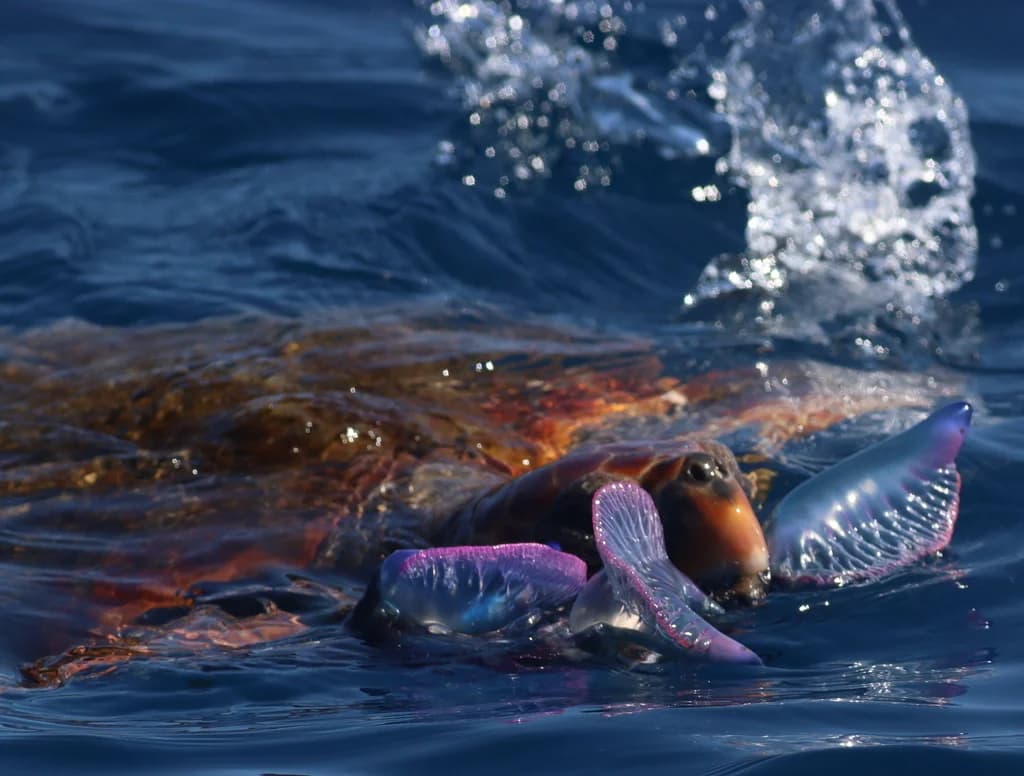
Loggerhead Turtle

Loggerhead Turtle

General species description, not specific to this destination

The Loggerhead Turtle is the largest hard-shelled sea turtle, named for its massive head. While less common than Green and Hawksbill turtles on Caribbean reefs, they can be spotted at deeper reef sites.

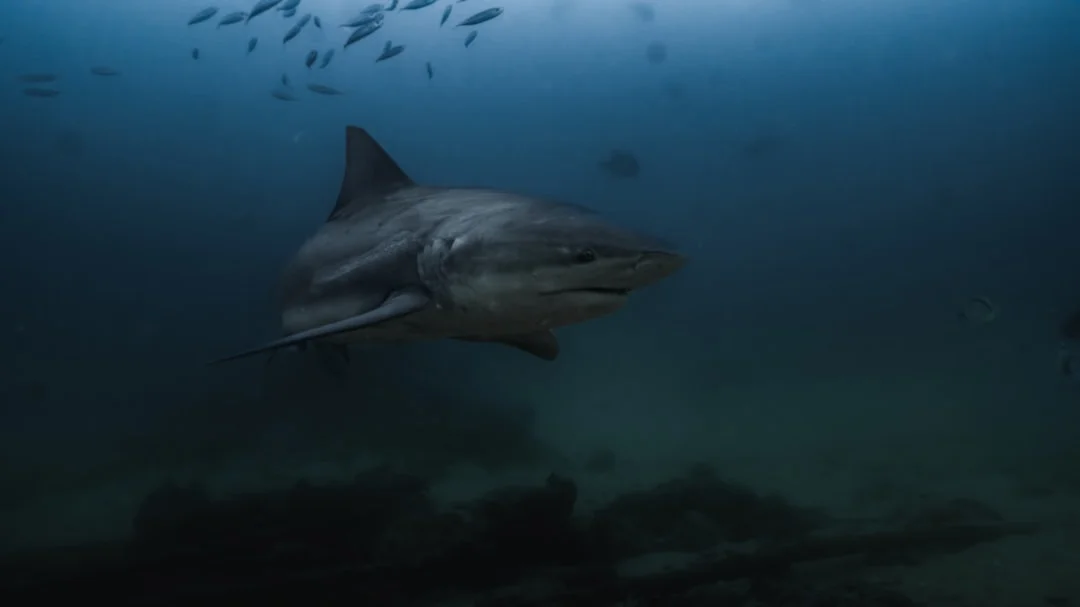
Bull Shark

Bull Shark

General species description, not specific to this destination

Bull sharks are one of the most impressive predators divers can encounter in warm coastal waters. These robust sharks are easily recognized by their broad, blunt snout, stocky build, and grey coloration with a white underside. Growing up to 11 feet long, they have a powerful, muscular appearance that commands respect underwater. Bull sharks are known for their curious nature and may approach divers, maintaining a confident but generally non-aggressive demeanor. They're often seen cruising along reef walls or in open water, sometimes in small groups. Their ability to tolerate both saltwater and freshwater makes them unique among sharks, and they're excellent hunters with a varied diet including fish, rays, and other marine life.

Great Hammerhead

General species description, not specific to this destination

The Great Hammerhead is the largest of all hammerhead species, instantly recognizable by its massive, flattened head extension called a cephalofoil. This prehistoric-looking predator can reach lengths of up to 20 feet, with a distinctive tall, sickle-shaped dorsal fin. Their unique head shape houses electroreceptors that help them hunt stingrays buried in sand. Great Hammerheads are solitary hunters, often seen cruising along reef walls and sandy bottoms. Despite their intimidating size, they're generally shy around divers and will often move away when approached. Their powerful swimming style and graceful movements make encounters truly memorable for fortunate divers.

Green Sea Turtle

Green Sea Turtle

Destination note

Most commonly encountered turtle in Bunaken; especially abundant at Lekuan I, II, III where up to 12+ can be seen per dive

Hawksbill Turtle

Hawksbill Turtle

Destination note

Common year-round; seen alongside green turtles at Lekuan walls and other Bunaken reef sites

Atlantic Bottlenose Dolphin

Atlantic Bottlenose Dolphin

Destination note

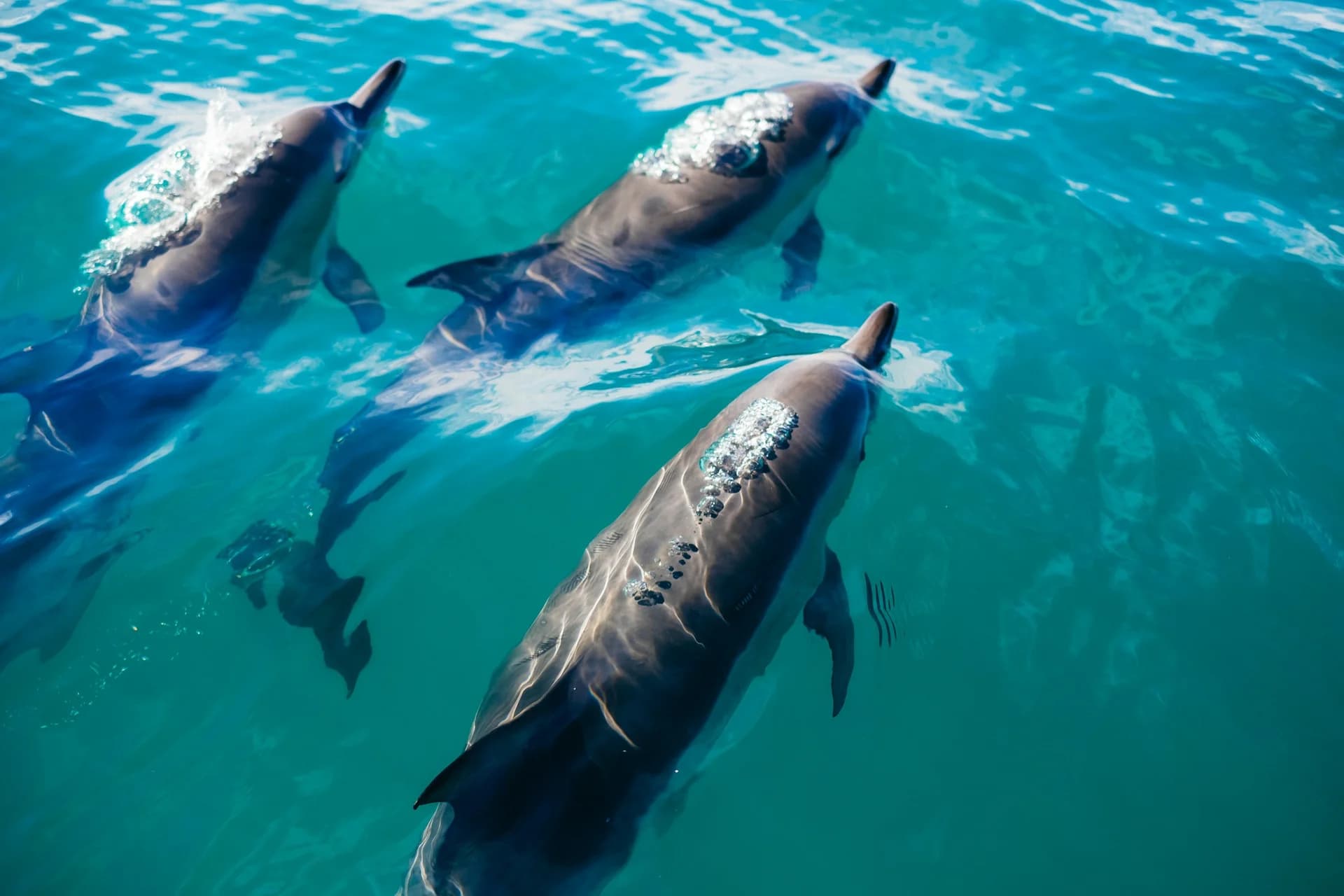
Occasionally sighted during boat crossings between Manado and Bunaken; more common in open water channels between islands

Spotted Eagle Ray

Spotted Eagle Ray

Destination note

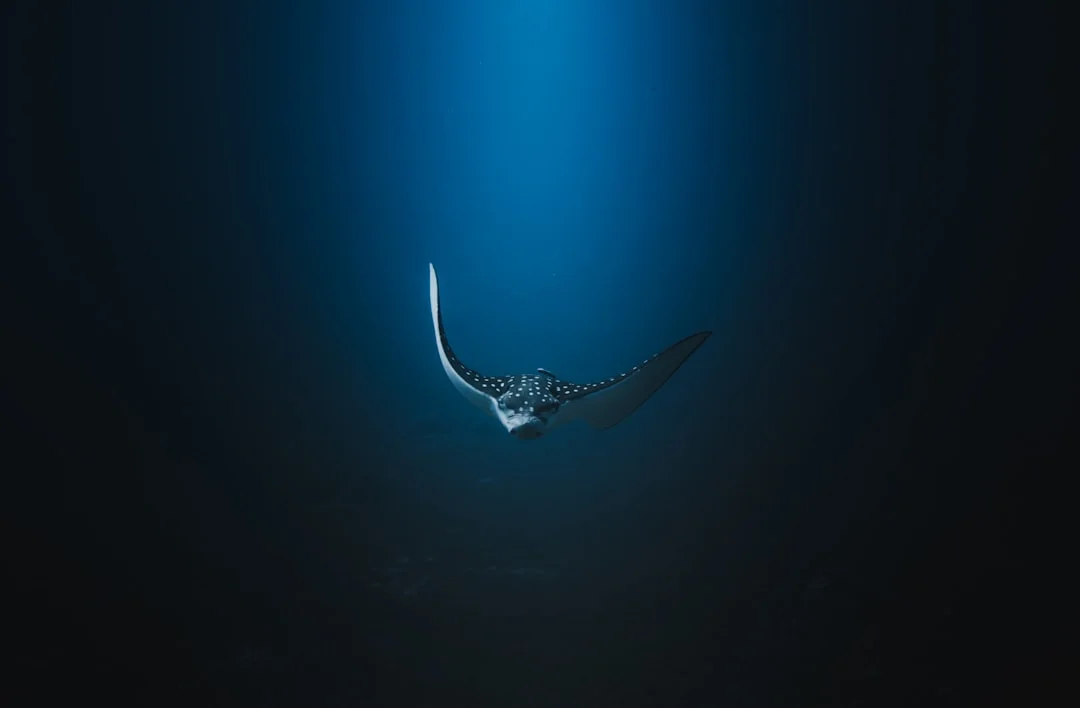
Regularly sighted cruising along Bunaken walls; particularly at Lekuan II where they patrol the wall edge

Indonesian Coelacanth

Indonesian Coelacanth

General species description, not specific to this destination

The Indonesian Coelacanth is a living fossil and one of only two extant coelacanth species in the world. Discovered off Manado, North Sulawesi in 1998, this ancient fish can grow up to 1.5 meters and weigh 80 kg. Its distinctive lobed fins precede tetrapod limbs in evolutionary history. It lives in deep caves and ledges at 100-250 meters depth, emerging at night to feed.

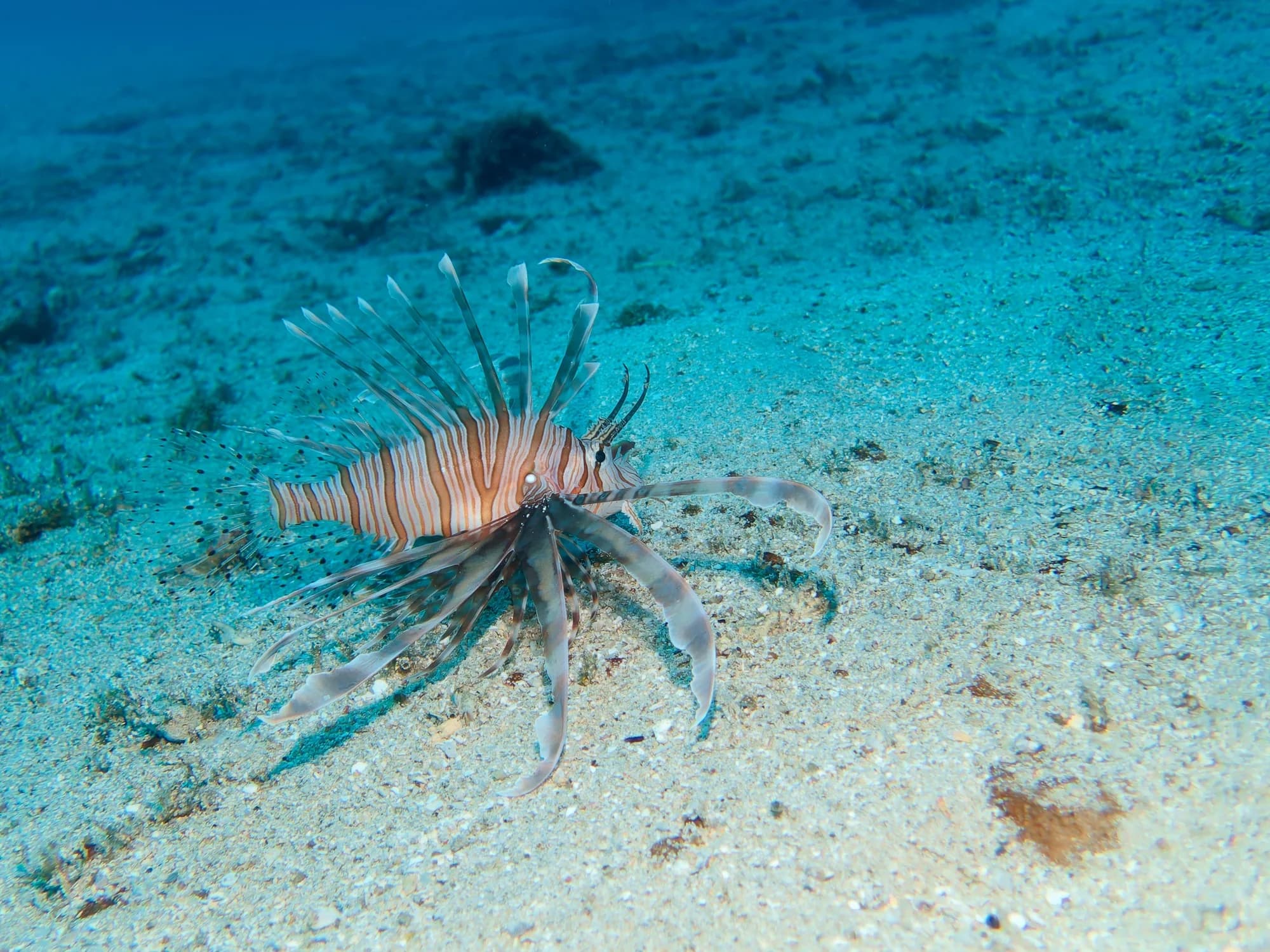
Common Lionfish

Common Lionfish

General species description, not specific to this destination

The stunning Common Lionfish is immediately recognizable by its dramatic fan-like pectoral fins and bold red, white, and brown stripes. These graceful predators glide slowly through the water with their venomous spines spread wide like a feathered headdress. Despite their beauty, lionfish are aggressive hunters that use their large mouths to vacuum up small fish and crustaceans. Originally from the Indo-Pacific, they've become established invaders in Caribbean waters. Divers often spot them hovering near coral formations or rocky overhangs during the day, moving with deliberate, almost theatrical movements. Their confidence underwater is striking – they rarely flee from approaching divers, making them excellent photography subjects when observed from a respectful distance.

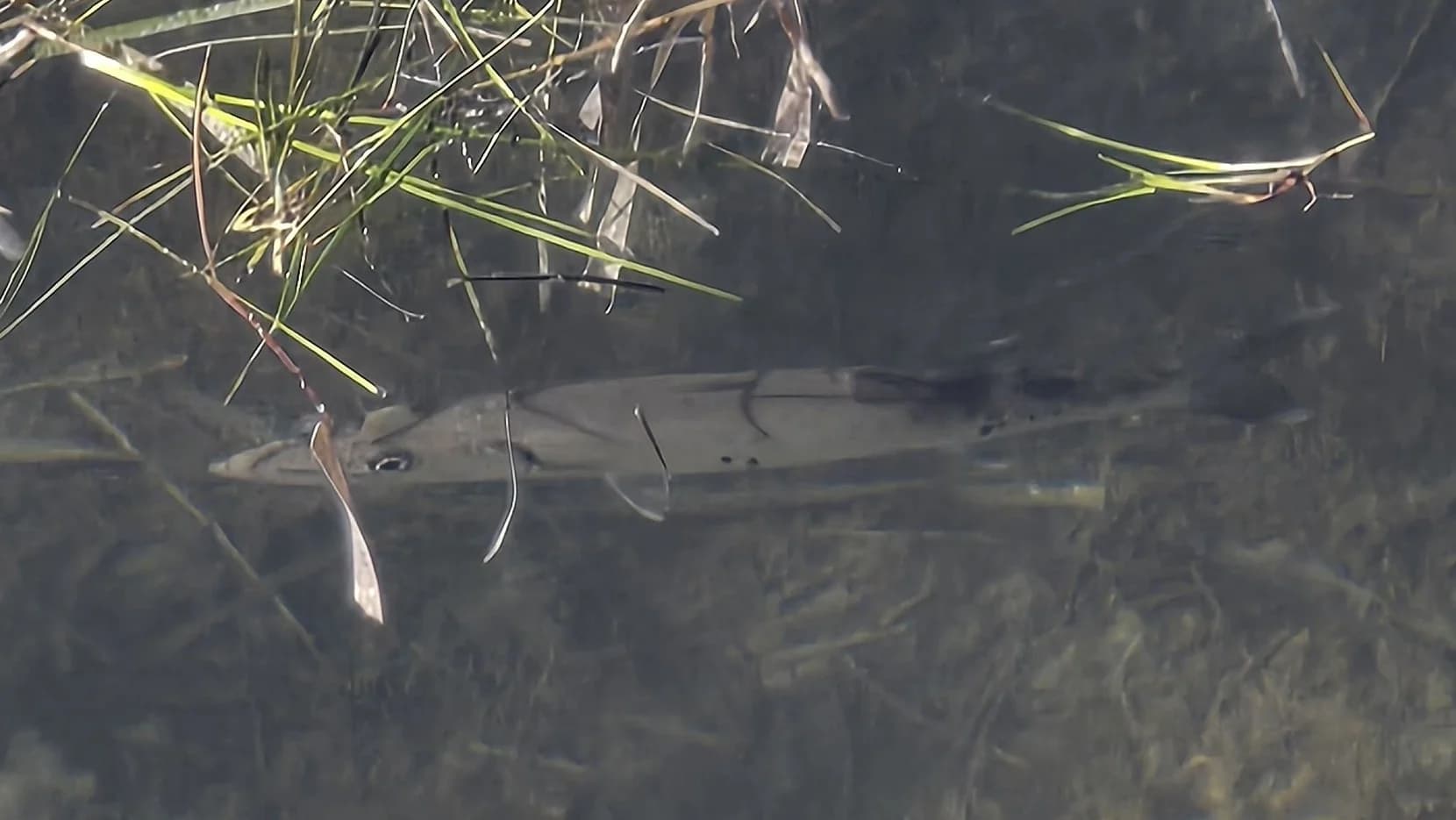
Great Barracuda

Great Barracuda

Destination note

Patrols wall edges and blue water at Bunaken; often seen in loose aggregations at Lekuan III and Mandolin

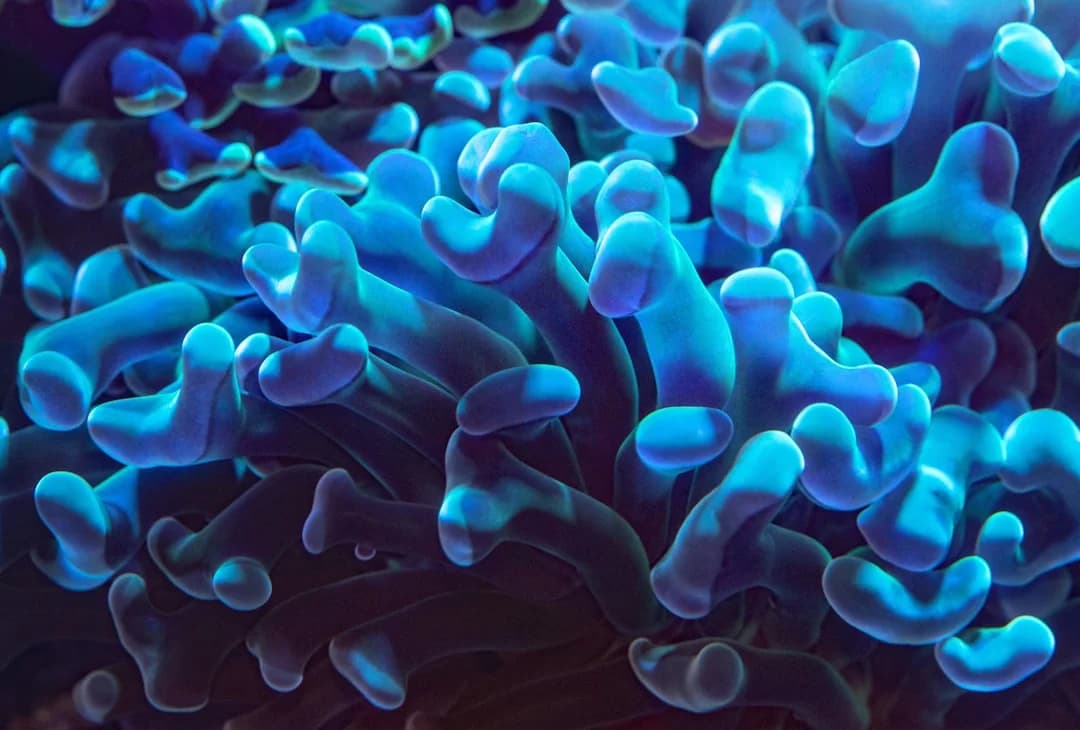
Hammer Coral

Hammer Coral

General species description, not specific to this destination

Hammer Coral is one of the most recognizable LPS (Large Polyp Stony) corals, forming colonies of hammer- or anchor-shaped tentacles that sway rhythmically in the current. Its tentacles have fluorescent tips that glow under blue light. Colonies form large dome-shaped mounds on reef slopes and sandy patches in Bunaken.

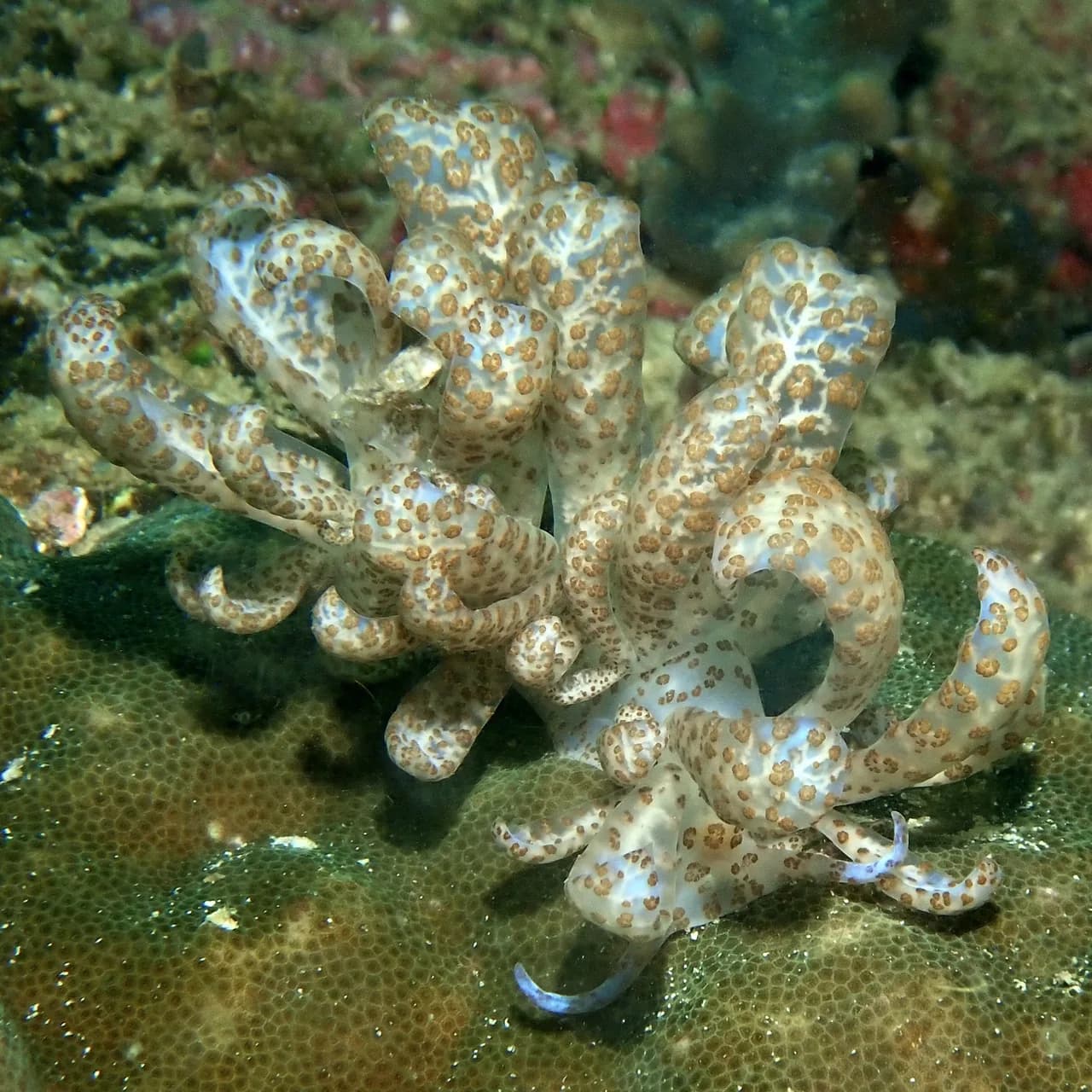
Solar-Powered Nudibranch

Photo: Phyllodesmium longicirrum, iNaturalist observation 189480465, photo 331945136 — desertnaturalist · CC BY 4.0 · Cropped to a reviewer-selected 1828×1828 px square at (90, 0) of the 2048×1828 px original, resized to 1280×1280 (main) and downscaled to 400×400 (thumbnail), and encoded as WebP with metadata removed.

Solar-Powered Nudibranch

General species description, not specific to this destination

The Solar-Powered Nudibranch is a remarkable aeolid nudibranch that farms symbiotic zooxanthellae algae within its body, much like corals do. Its translucent body reveals branching digestive gland ducts filled with brown zooxanthellae, and it extends long, curved cerata that increase surface area for photosynthesis. Found on Bunaken reef slopes where soft corals abound.

+84more species in the app

Dive Shops (17)

Two Fish Divers Bunaken

★ 4.7Moderate
Website ↗

Happy Gecko Dive Resort

★ 4.9Moderate
Website ↗

Panorama Dive Resort

★ 4.8Moderate
Website ↗

4sisters Divers Bunaken

★ 4.2Moderate
Website ↗

Manado Dive Club

★ 5Moderate
Website ↗

Bunaken Oasis Dive Resort and Spa

★ 4.8Moderate
Website ↗

Raja Laut Dive Resort

★ 4.6Moderate
Website ↗

AQUii DIVERS BUNAKEN

★ 5Moderate
Website ↗

Blue Shark Divers Bunaken

★ 4.8Moderate
Website ↗

Bunaken Scuba & Homestay

★ 4.9Moderate

Thalassa Dive & Wellbeing Resort Manado

★ 4.7Moderate
Website ↗

Bunaken Divers Seabreeze Resort

★ 4.2Moderate
Website ↗

Bastianos Bunaken Dive Resort

★ 4.3Moderate
Website ↗

Cakalang resort and diving

★ 4.7Moderate
Website ↗

3WILL Bunaken Dive Resort

★ 4.7Moderate
Website ↗

Bunaken Island Dive Resort

★ 4.5Moderate

Mc bunaken Stay • Diving • Trip’s

★ 4.4Moderate
Website ↗

Guides

Safety

Hyperbaric chamber

Malalayang Hospital Hyperbaric Chamber

+62 431 852 662

Coast guard

BASARNAS Search & Rescue (Manado)

115

Hospital

RSUP Prof. Dr. R. D. Kandou Hospital

+62 431 821 365

Police

Tourist Police Manado

+62 431 864 188

Emergency

DAN Emergency Hotline (International 24/7)

+1 919 684 9111

Hyperbaric chamber

No verified recompression chamber on record.

Contact DAN: +1 919 684 9111

Bring Bunaken underwater

Offline access, dive log, AI fish ID, live site maps, and trip planning.

Download on the App Store