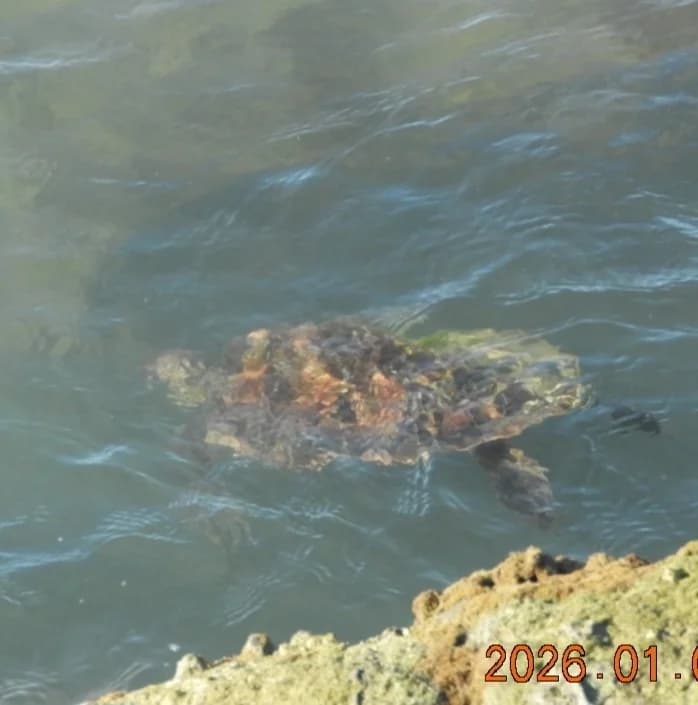
Green Sea Turtle
Destination note
Regular sightings at Karang Hatta, Batu Udang, and coral gardens across the archipelago. Year-round resident.
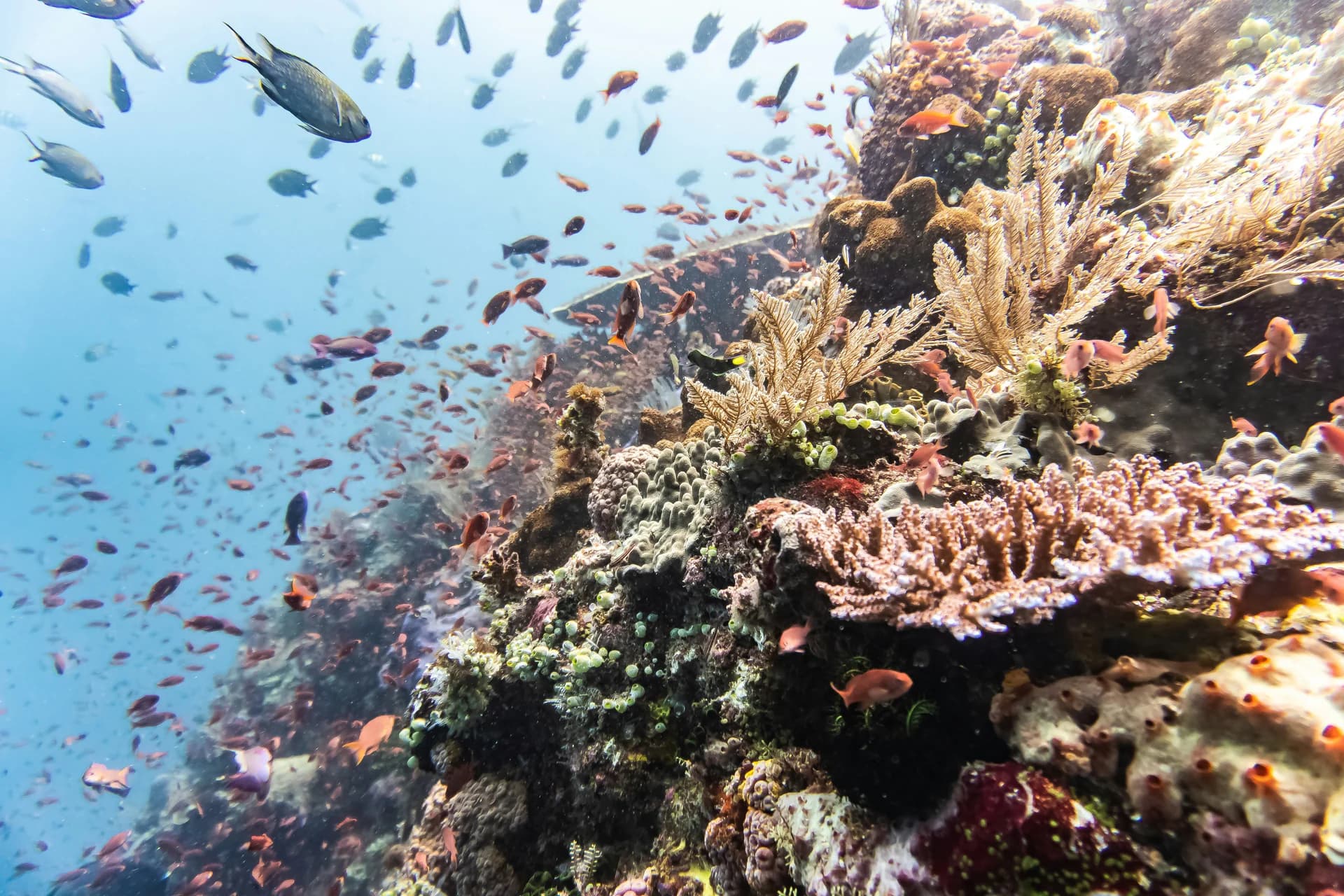
Indonesia
Photo: Johnny Africa / Unsplash
The Banda Islands — the original Spice Islands — are a remote volcanic archipelago in the heart of the Coral Triangle where history and biodiversity collide. Once the world's sole source of nutmeg and traded for Manhattan in 1667, these 10 islands now offer some of Indonesia's most pristine diving: scalloped hammerhead schools of 50–100+ at Pulau Run, the fastest-growing table corals on Earth at Gunung Api's 1988 lava flow, dramatic pinnacles rising from the 5,000m-deep Banda Sea, and reefs so untouched that fish show no fear of divers. With fewer visitors in a year than Bali sees in an hour, Banda is the last frontier of Indonesian diving.
Select a pin to learn more. Use the zoom buttons or pinch to zoom.
Loading map…
18 places have no verified map location yet. Browse the page lists for more places.
25–30 °C
10–40 m
3–40 m
Moderate
September–December (hammerhead sharks, calm seas, visibility 25–40m+) and March–April (coral gardens, macro photography, visibility 25–40m)
| Month | Summary |
|---|---|
| Jan | NW monsoon brings rain and reduced visibility (15–25m). Water temp 27–28°C. Not the prime season, but mandarinfish displays continue year-round at Lava Flow. |
| Feb | Similar to January with NW monsoon conditions. Water temp 27–28°C, vis 15–25m. Fewer divers mean uncrowded sites for those willing to brave the weather. |
| Mar | Spring transition begins. Warming waters (28–29°C), improving visibility (20–35m). Coral gardens and macro photography excel. Calm seas return. |
| Apr | Peak spring diving. Warmest water (28–30°C), visibility 25–40m. Exceptional coral health, macro life abundant. Ideal for photography and relaxed reef dives. |
| May | SE monsoon onset brings moderate conditions. Water temp 27–29°C, visibility 20–30m. Still good diving but seas begin to build. Pelagic action increases. |
| Jun | SE monsoon in full effect. Cooler water (26–28°C), upwelling begins, visibility 15–25m. Plankton blooms attract pelagics. For experienced divers comfortable with rougher seas. |
| Jul | Coolest water (25–27°C) and lowest visibility (10–20m) of the year due to peak upwelling. Plankton-rich waters attract mobula rays, whale sharks, and pelagics. Best for Manuk Island sea snake expeditions. |
| Aug | Similar to July — cool water (25–27°C), reduced visibility (10–20m), peak upwelling. Excellent for pelagic encounters. Sea snake activity at Manuk Island at its peak. |
| Sep | Transition month. Waters warming (26–28°C), visibility improving (20–30m). Hammerhead season begins. Seas calming. An excellent month combining good conditions with early pelagic action. |
| Oct | Prime diving month. Warm water (27–29°C), peak visibility (30–40m), calm seas. Hammerhead sharks at Run Island in full force (50–100+). The best month for combined conditions and pelagic encounters. |
| Nov | Peak hammerhead month continues. Warm water (28–29°C), visibility 25–40m. Banda Folks Festival brings cultural events. Book 6+ months in advance — accommodation fills completely. |
| Dec | NW monsoon begins but diving remains good. Water temp 27–29°C, visibility 20–30m. Late hammerhead stragglers possible. Quieter tourist scene as peak season winds down. |
2–15m · Beginner
Muck diving · Shore dive
mandarinfish
18–25m · Intermediate
Drift dive · Wall
Barracuda school
5–24m · Intermediate
Wall · Cavern · Macro life
5–34m · Advanced
Pinnacle
Gorgoian fans · Barrel sponges
5–55m · Intermediate
Sharks · Eagle rays
slope
5–40m · Advanced
Wall
mpa · Barrel sponges
5–25m · Intermediate
sinkhole · archway · Wide angle photography
5–40m · Intermediate
Submerged reef · hammerheads · fusiliers
Species recorded in this destination's wider regional catalogue. A species being listed here does not mean it is seen at this destination — check the note on each card.
Green Sea Turtle
Destination note
Regular sightings at Karang Hatta, Batu Udang, and coral gardens across the archipelago. Year-round resident.
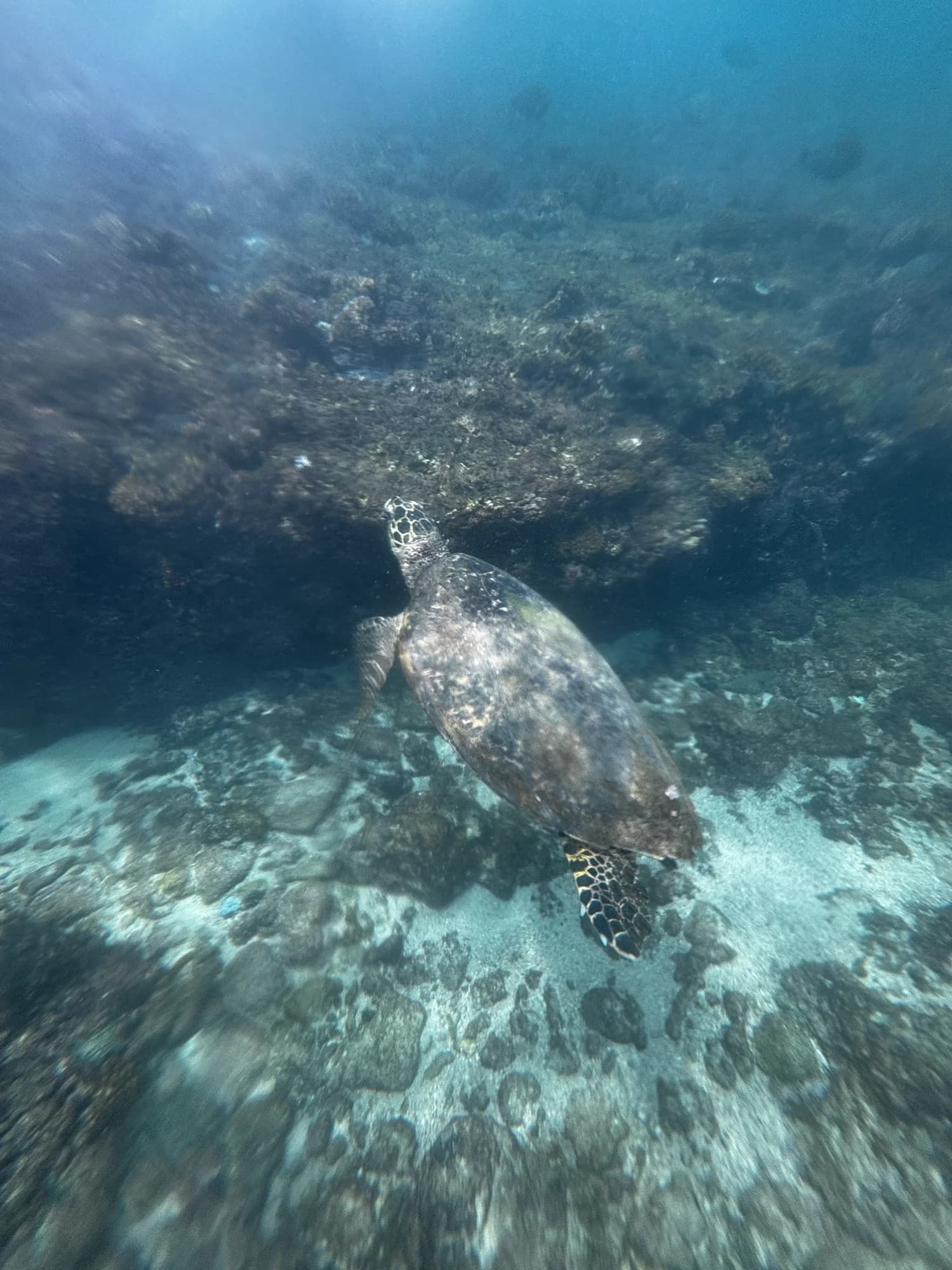
Hawksbill Turtle
Destination note
Common at Batu Udang, Run Island, and reef sites across the archipelago. Sightings particularly reliable on outer reef slopes.
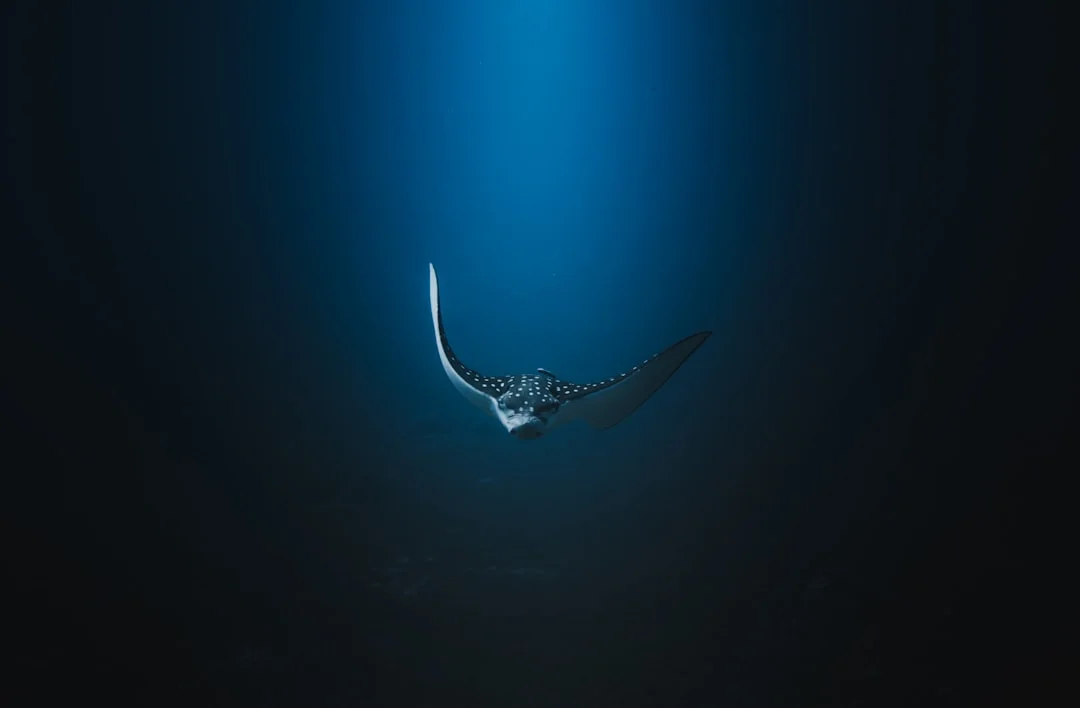
Spotted Eagle Ray
Destination note
Seasonal visitor during upwelling months. Sightings in channels between Banda Neira and Gunung Api, and at Karang Hatta.
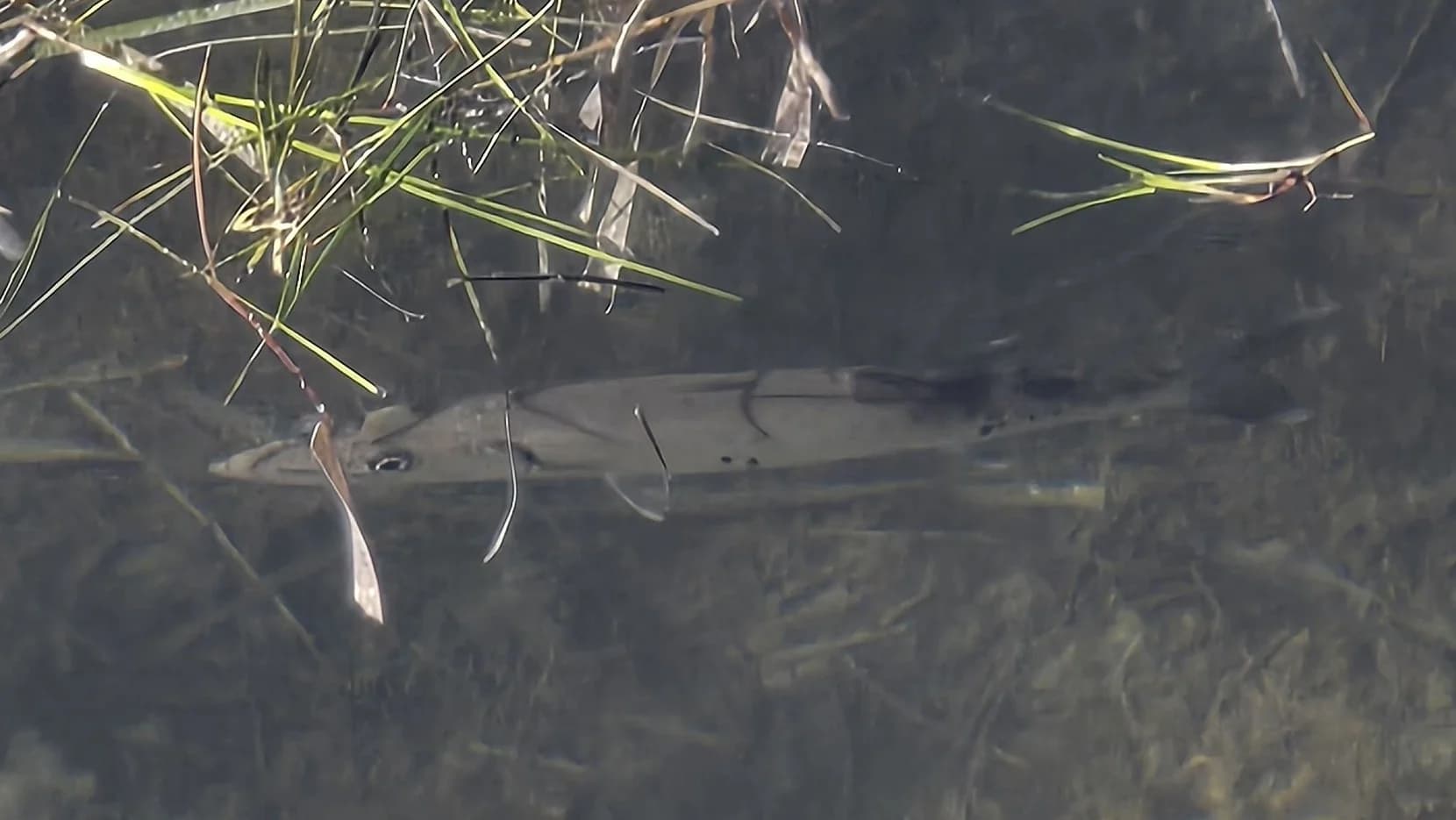
Great Barracuda
Destination note
Common at outer reef walls, especially around Manuk Island, Run Island, and Batu Kapal. More numerous during upwelling season.
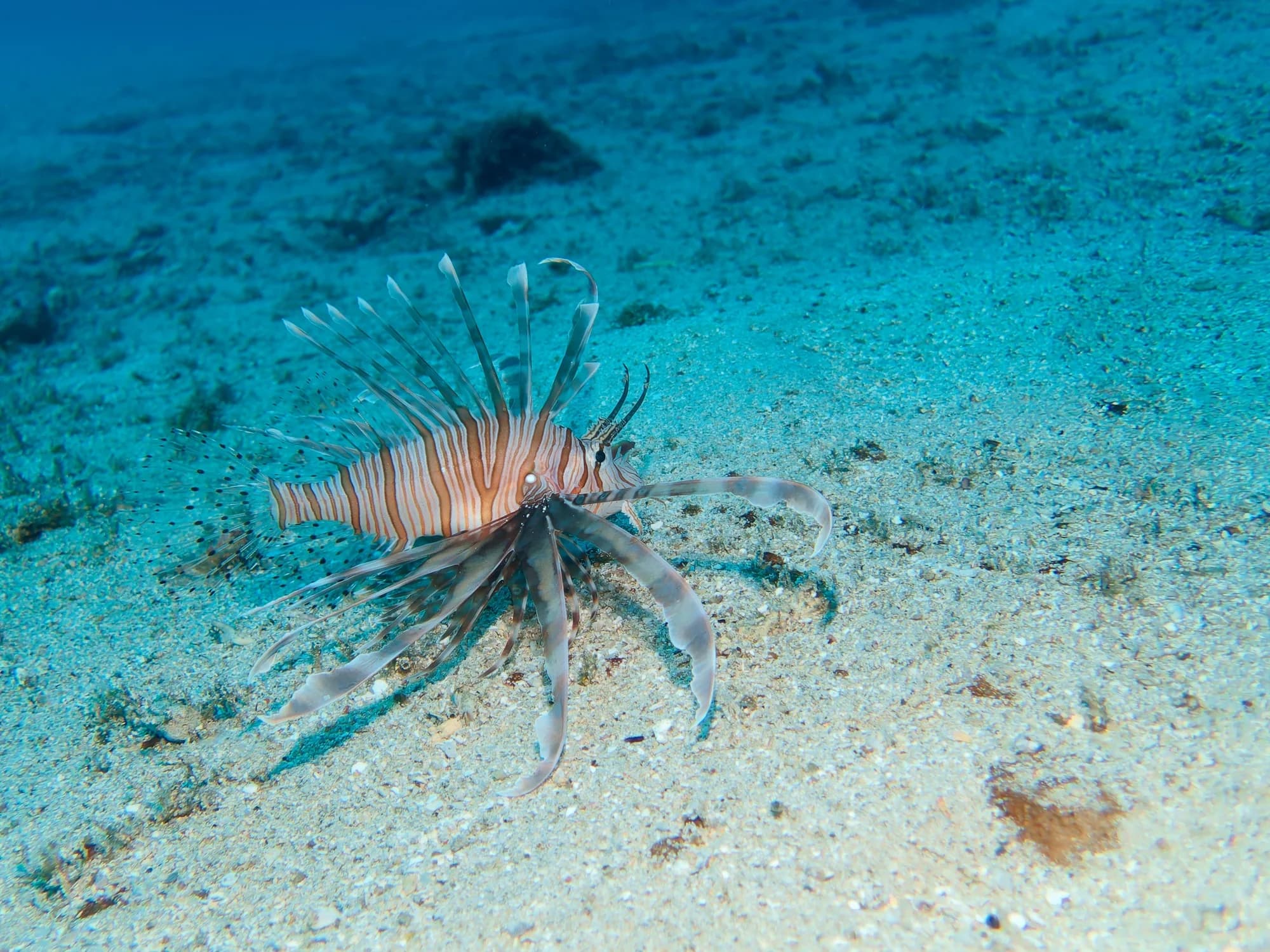
Common Lionfish
Destination note
Common at all reef sites. Particularly abundant at Lava Flow and coral garden sites around Banda Besar.
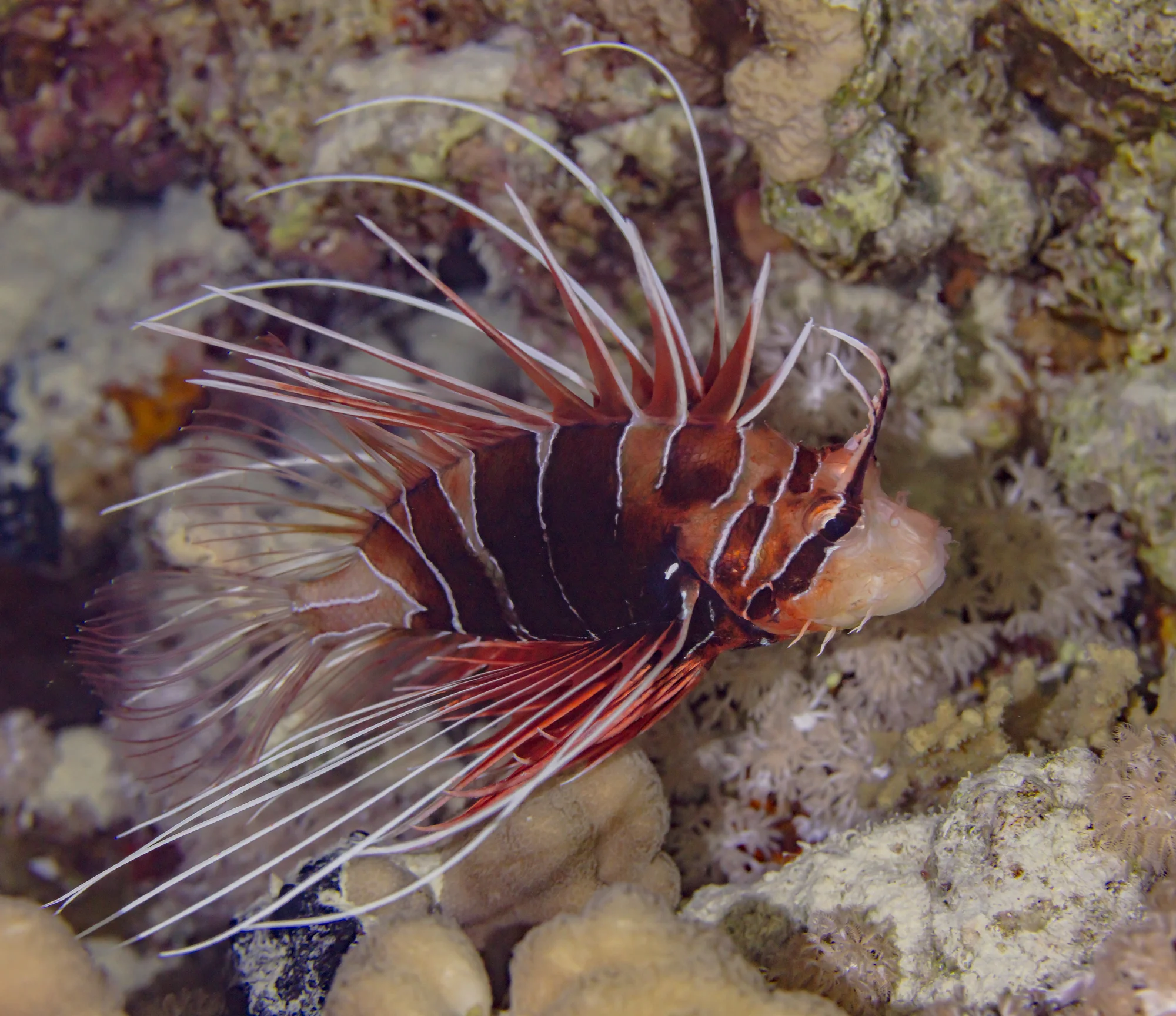
Clearfin Lionfish
General species description, not specific to this destination
The clearfin lionfish is a striking scorpionfish with radiating venomous spines, banded red-brown and white markings, and mostly translucent pectoral fins. It is usually slimmer and less flamboyant than the common lionfish, with long fin rays that still make it unmistakable. Its venomous dorsal, anal, and pelvic spines make respectful distance essential.
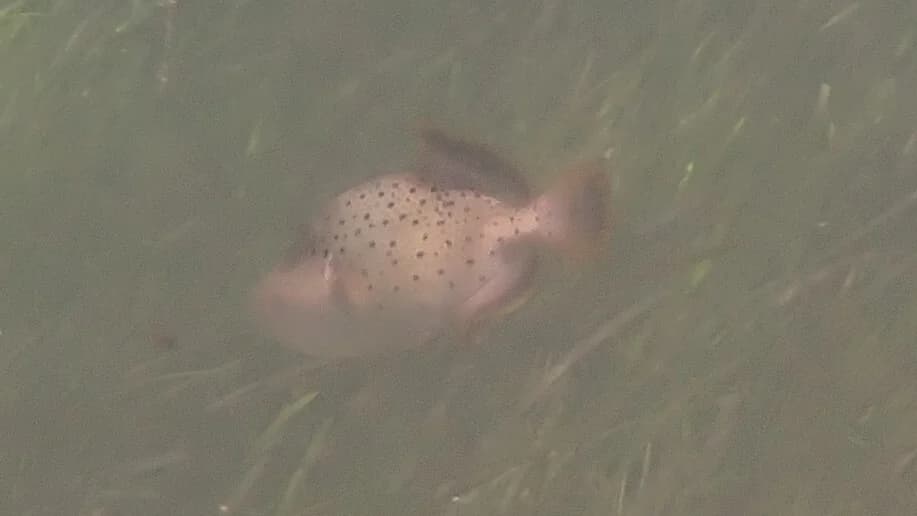
Yellowmargin Triggerfish
General species description, not specific to this destination
A marine species with typical characteristics for its taxonomic group. Found in various marine habitats.
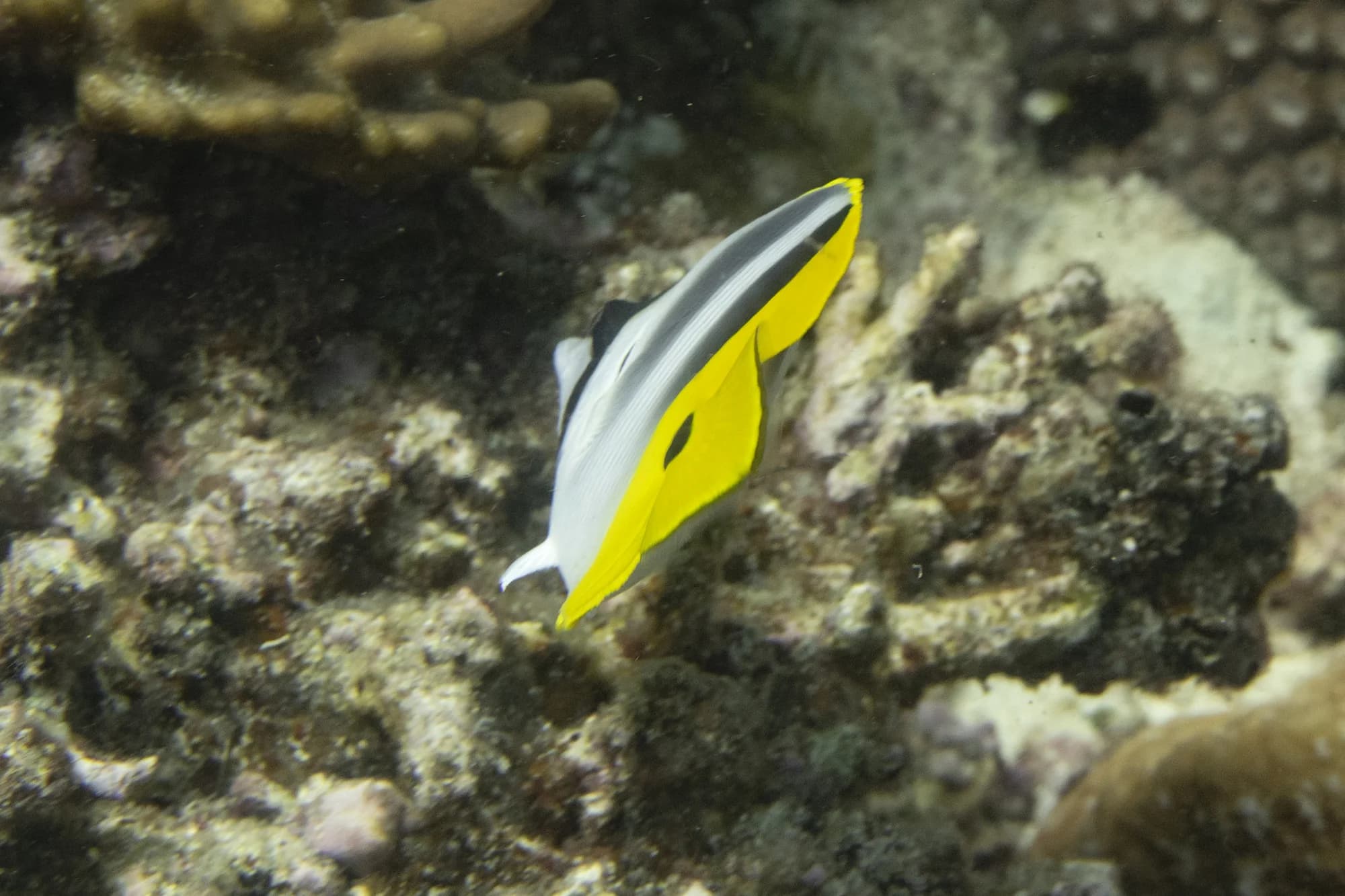
Pacific Double-saddle Butterflyfish
General species description, not specific to this destination
A yellow-white butterflyfish with two dark saddle-like markings across the upper body and a dark eye band. Its laterally compressed body and pointed snout are typical of butterflyfishes. The paired swimming behavior and bold saddle pattern make it easy for divers to identify.
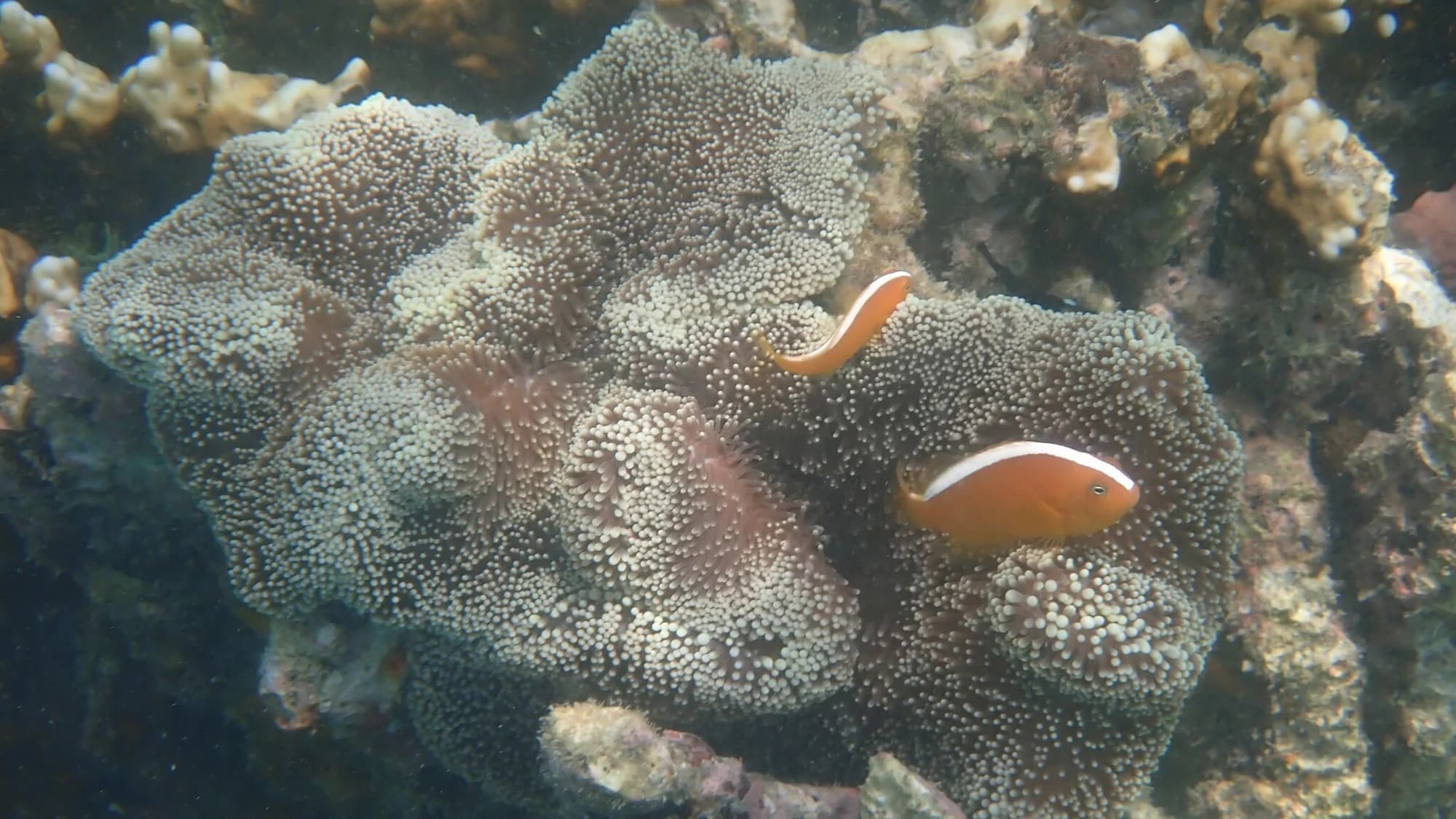
Mertens' Carpet Anemone
General species description, not specific to this destination
A very large carpet anemone with a broad oral disc that may conform to reef contours rather than forming a neat circle. Its short tentacles create a textured carpet-like surface, often brown, green, or mottled. It is one of the important host anemones for anemonefish in the Indo-Pacific.
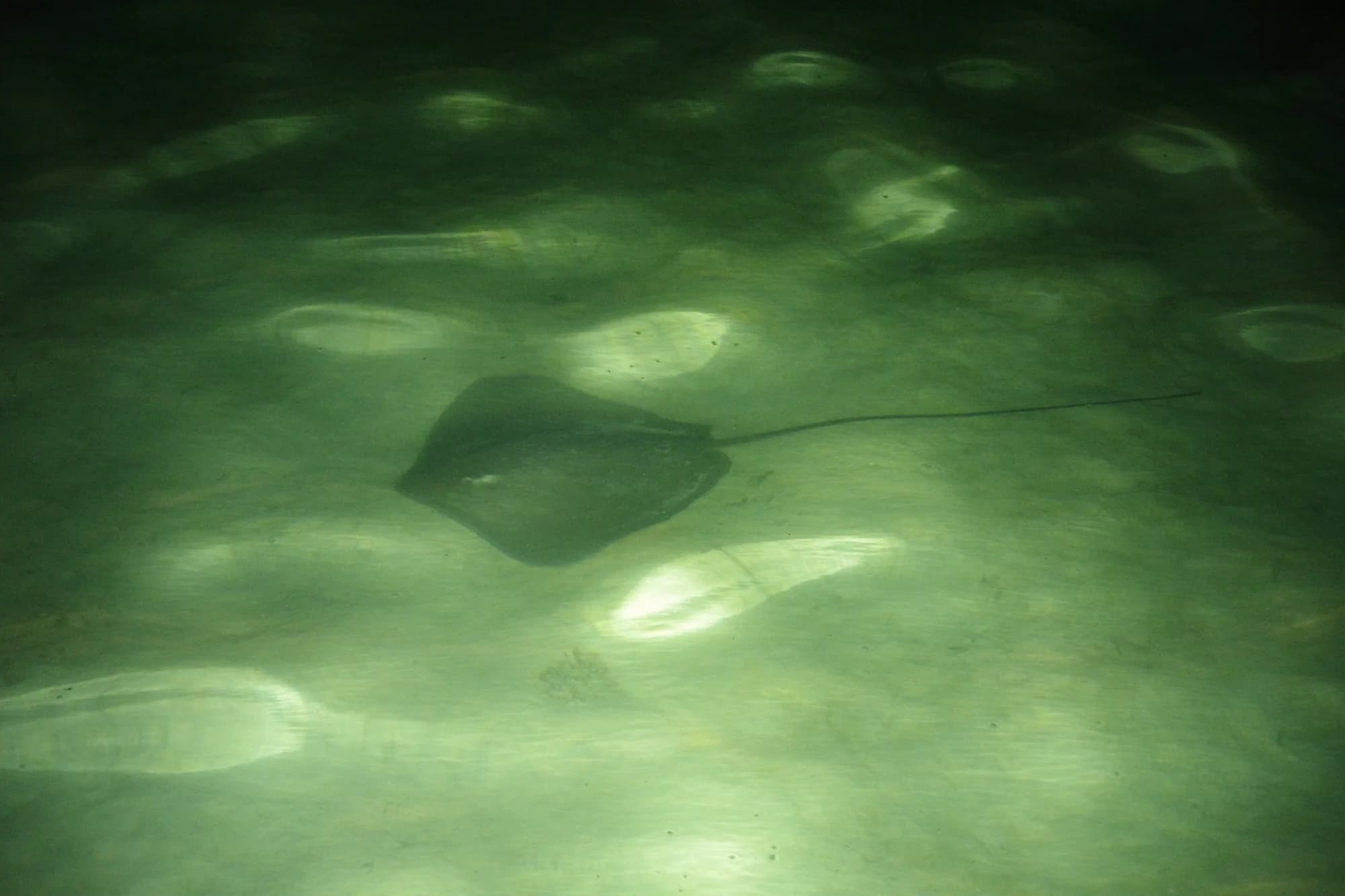
Pink Whipray
General species description, not specific to this destination
A large whipray with a broad diamond-shaped disc, pale pinkish to gray-brown coloration, and a very long slender tail. The underside is light, and the animal can blend well with sandy bottoms. It is a graceful benthic predator and an impressive sight on Indo-Pacific sand channels.
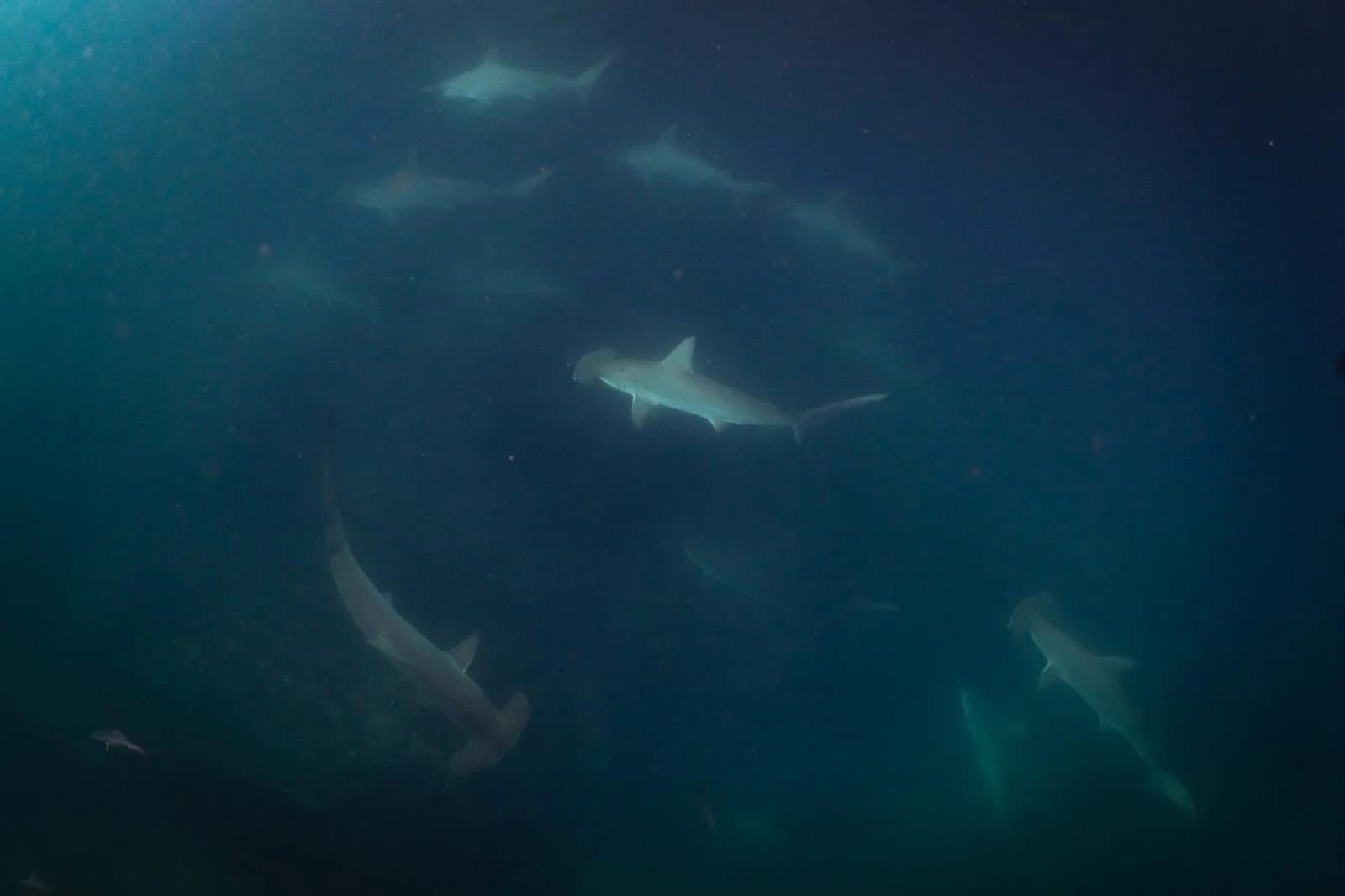
scalloped hammerhead
Destination note
Schools of 50–100+ at Run Island and Karang Hatta during peak season. Also seen at Manuk Island.
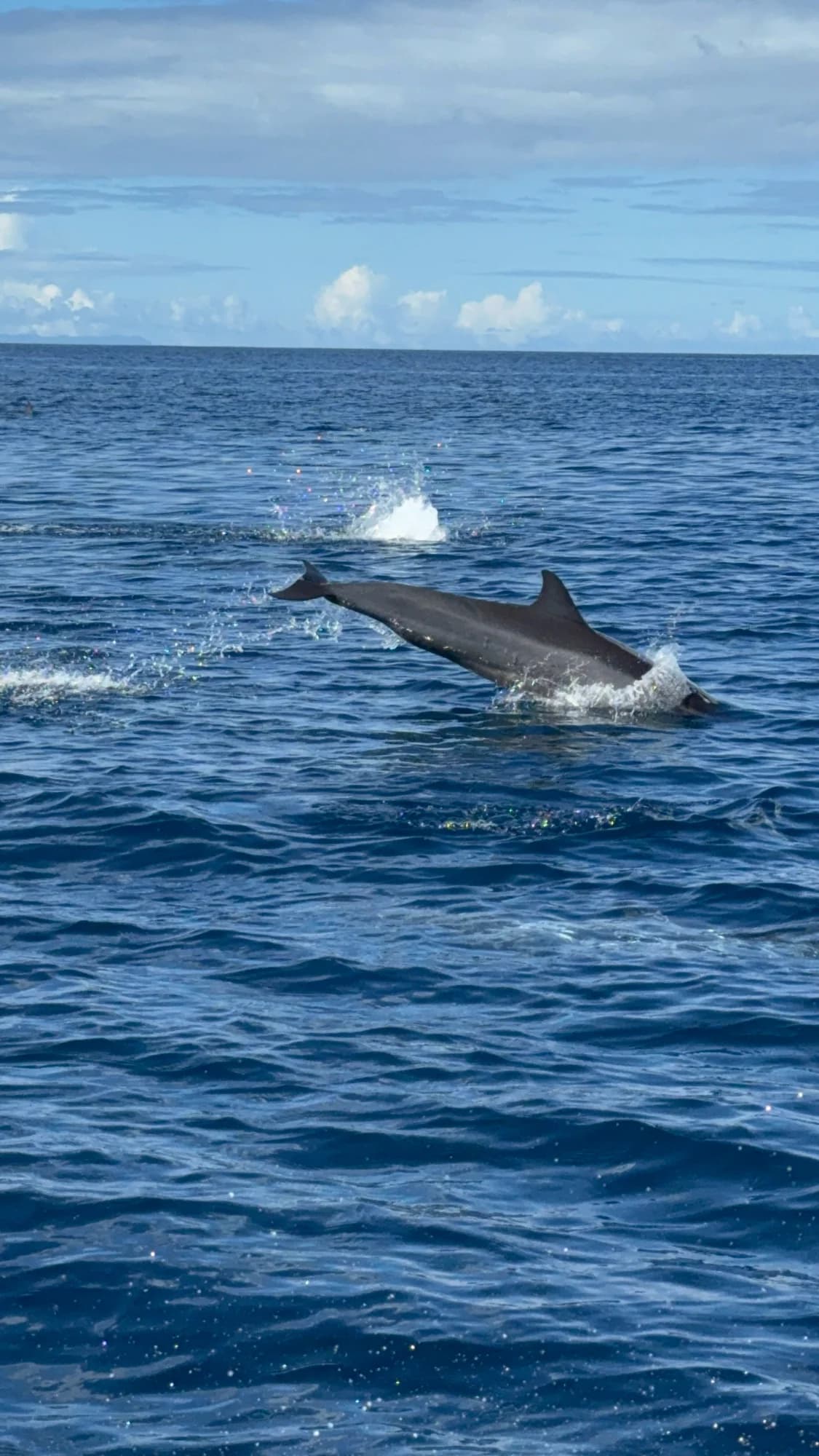
Spinner Dolphin
Destination note
Frequently encountered during the Ambon–Banda crossing and open-water transits. Pods of 50–200 common during upwelling season.
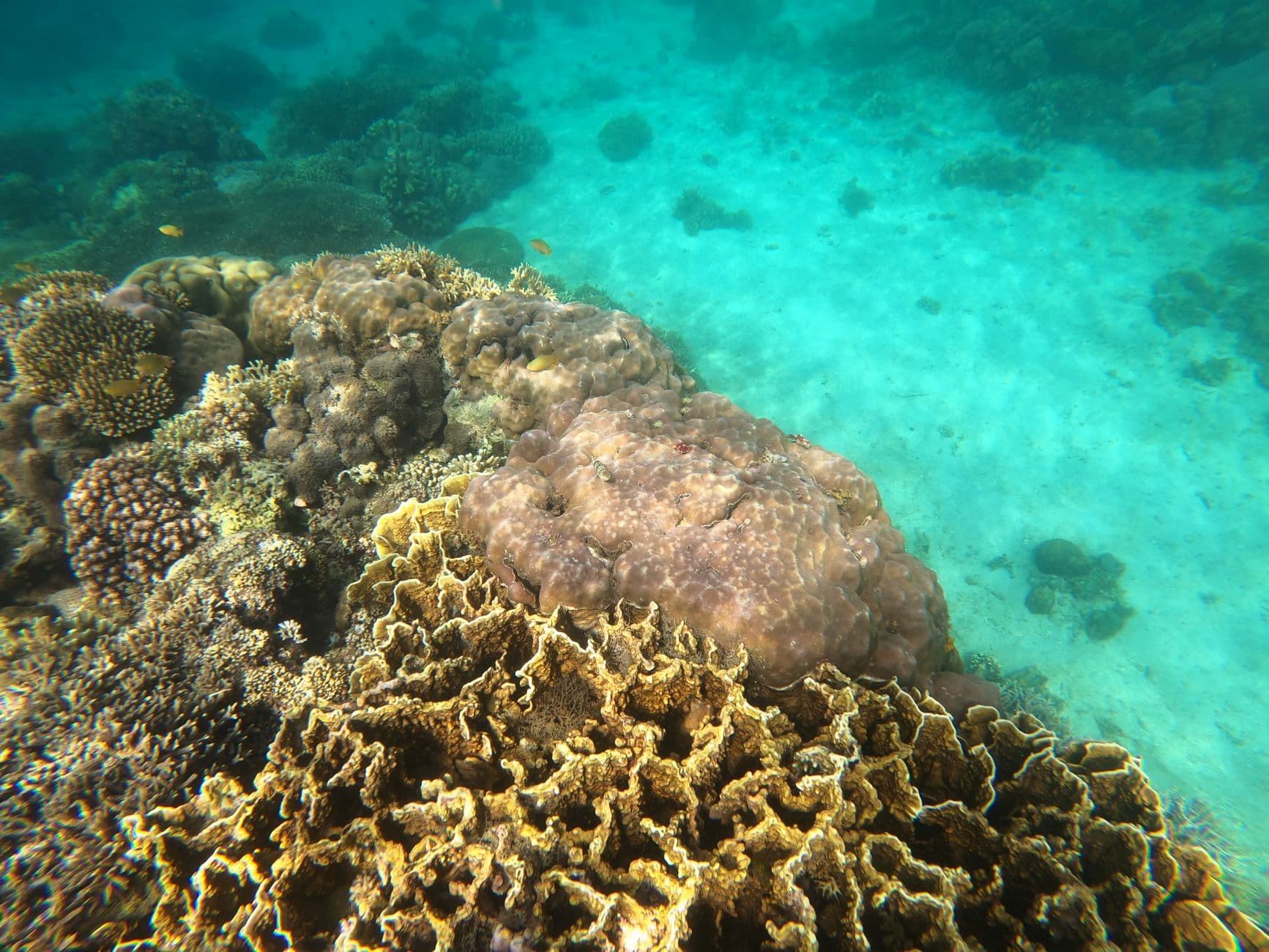
From Run Island's 100+ hammerhead schools to Lava Flow's mandarinfish dance at dusk — ranked guide to Banda's 10 best dive sites by skill and season.
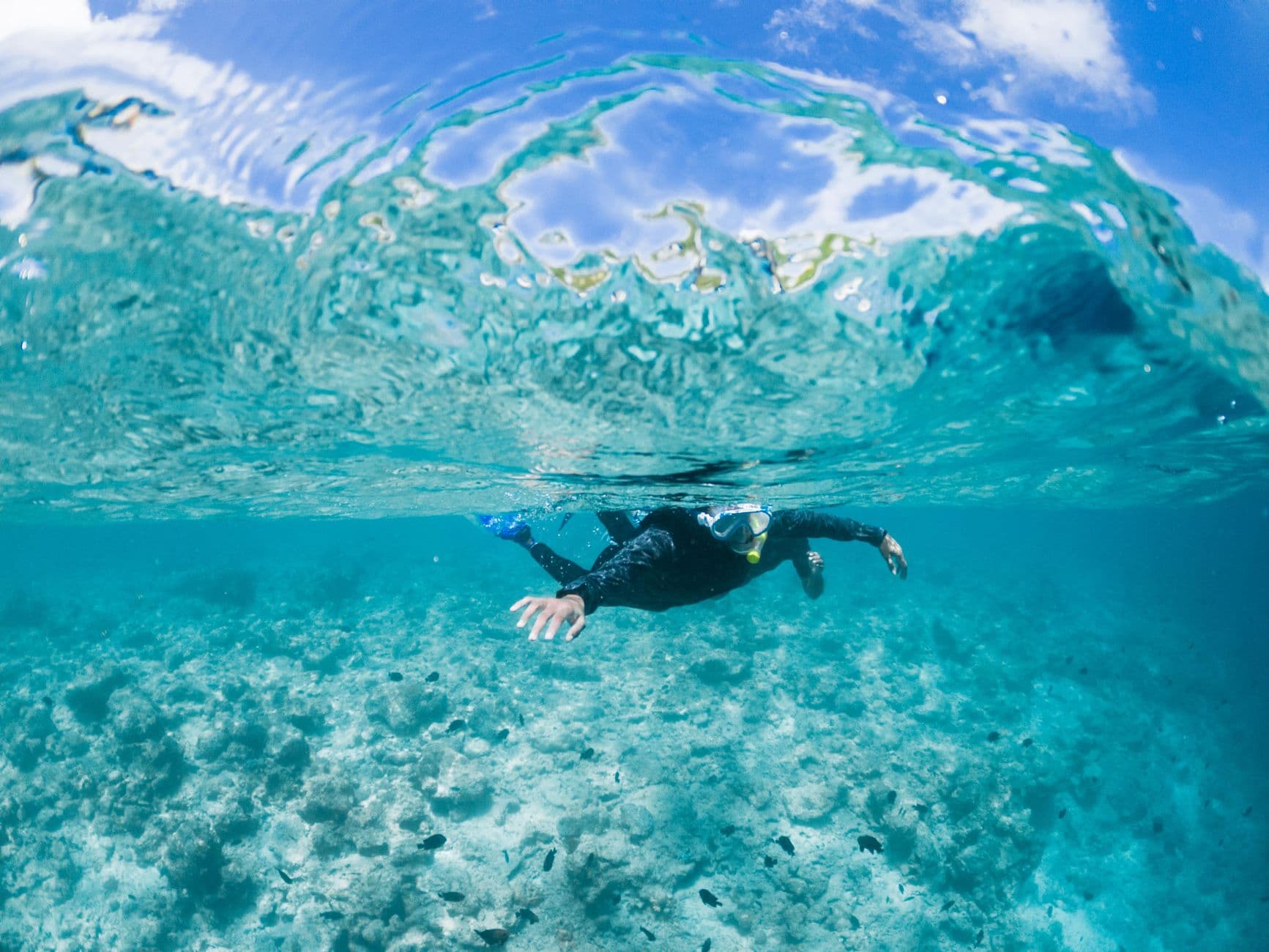
Remote volcanic islands in the Banda Sea with hammerhead schools at Run Island, lava-flow corals at Gunung Api, and pristine reefs with almost no crowds.
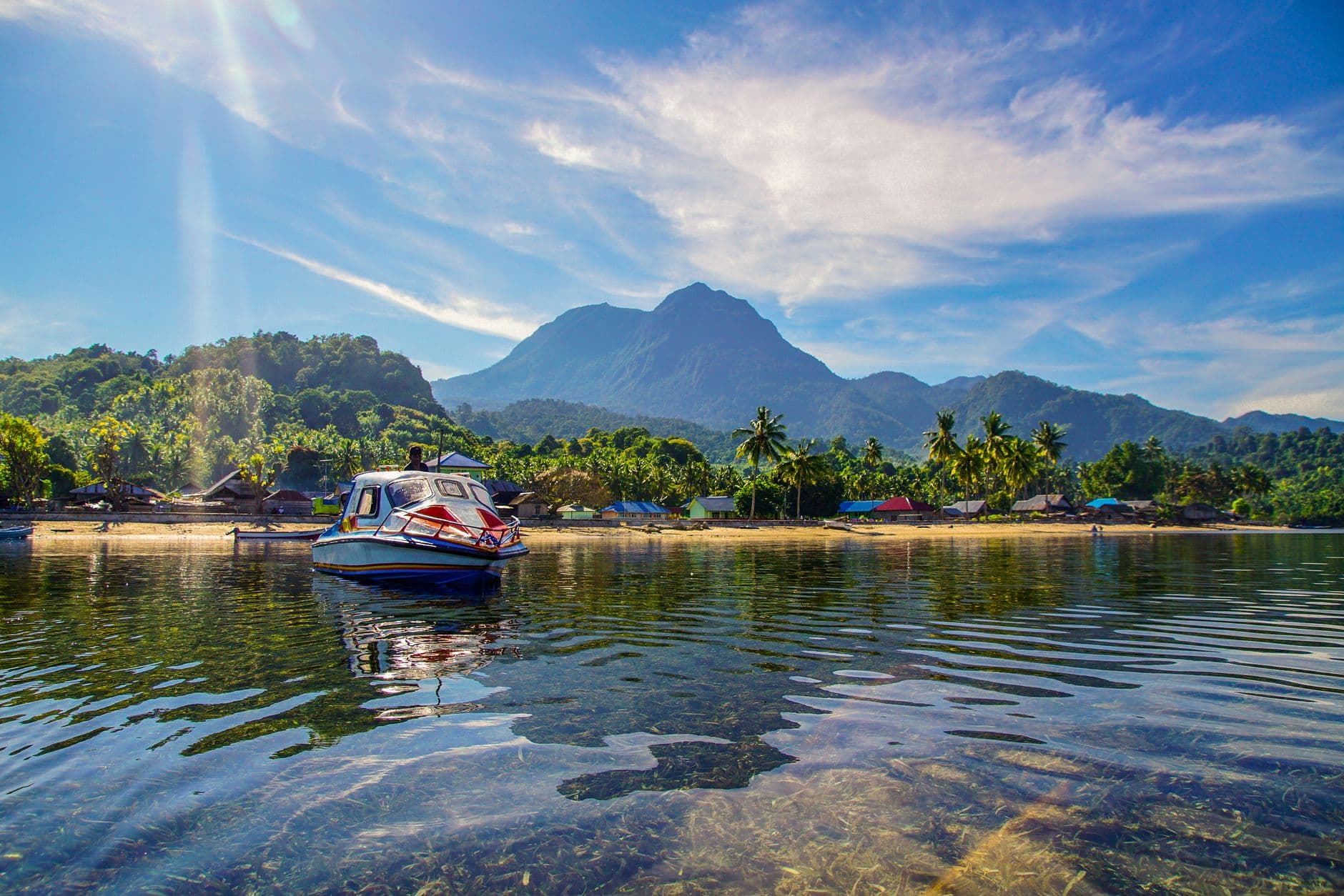
Water temperature 26–30°C, visibility 25–40m, and strong drift currents at Run Island. Complete season-by-season guide to diving the Banda Sea.
Offline access, dive log, AI fish ID, live site maps, and trip planning.
Download on the App Store