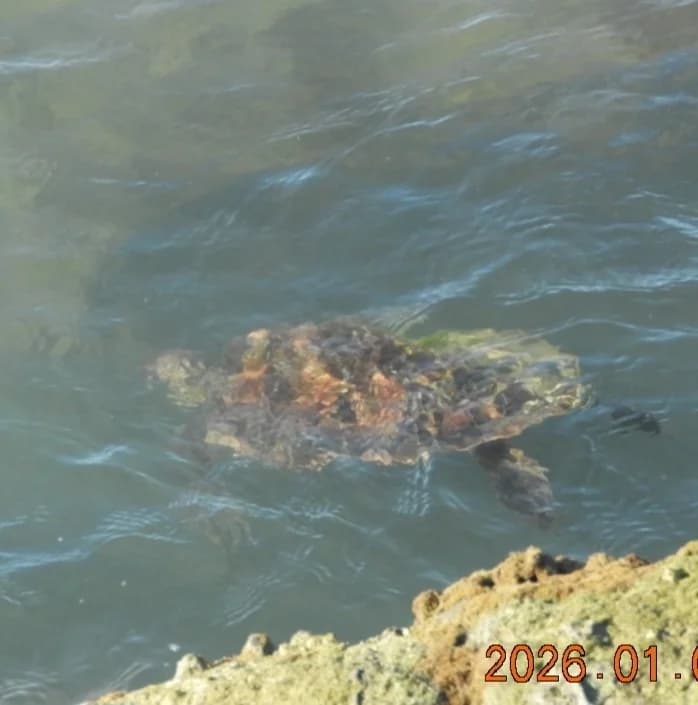
Green Sea Turtle
General species description, not specific to this destination
The largest hard-shelled sea turtle. Often seen resting on sandy bottoms.
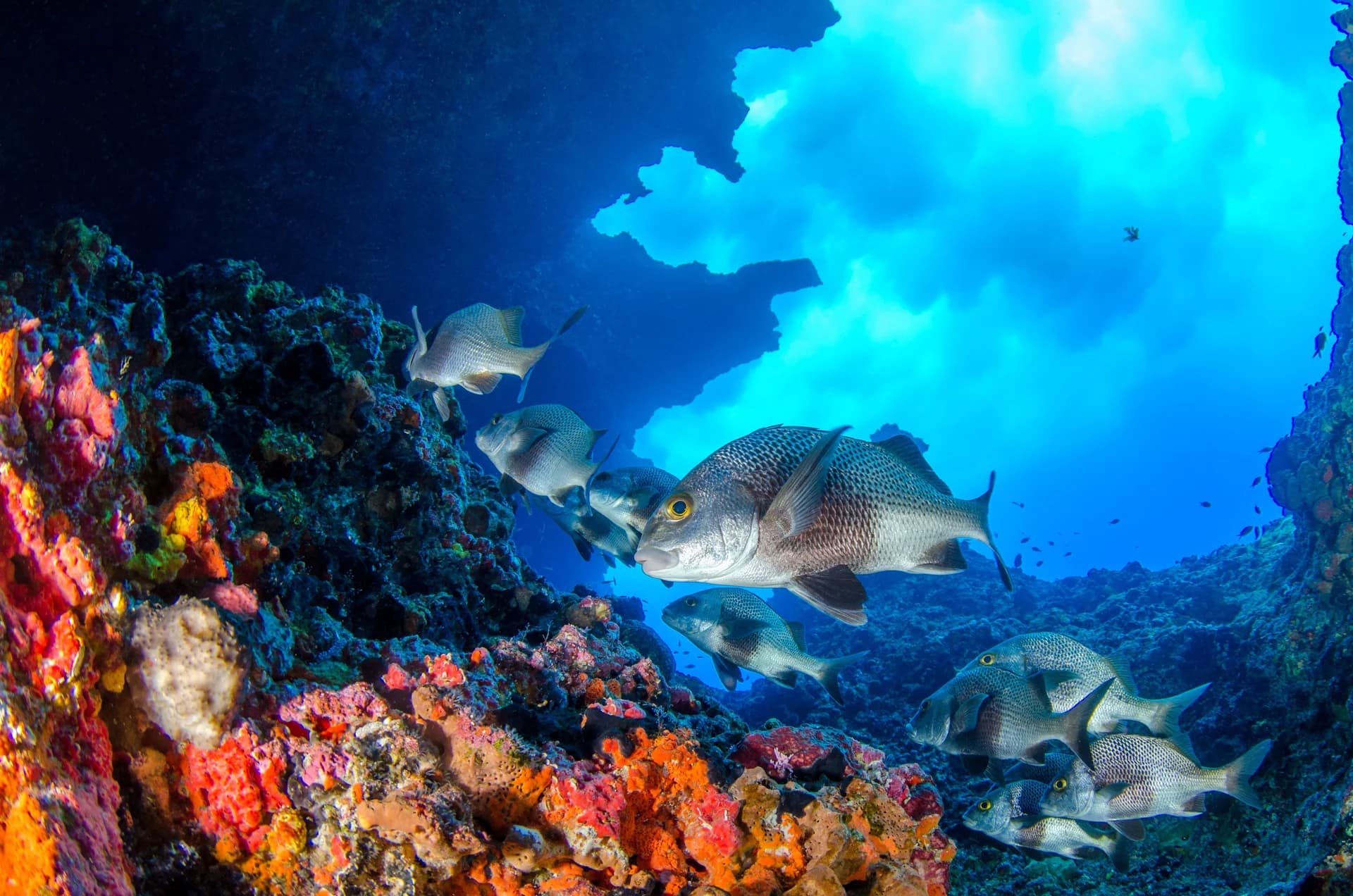
Portugal
Photo: Leonardo Lamas / Pexels
The Azores are the Maldives of the Atlantic — 9 volcanic islands in the middle of the ocean, where mantas glide over underwater volcanoes, sunfish drift through crystalline blue, and the world's most dramatic seamounts wait just beyond the coral reefs. With the world's largest Marine Protected Area in the North Atlantic covering 30% of its waters, the Azores offer uncompromised diving at its most primal.
Select a pin to learn more. Use the zoom buttons or pinch to zoom.
Loading map…
25 places have no verified map location yet. Browse the page lists for more places.
14–25 °C
15–40 m
5–60 m
Moderate
June–October (warm water, peak manta season Jul–Oct)
| Month | Summary |
|---|---|
| Jan | Blue sharks and whales can be seen, with moderate visibility. Winter diving for the hardcore. |
| Feb | Similar to January, with chances to spot blue and mako sharks, and nurse sharks. |
| Mar | Blue sharks and migrating whales are present, with good visibility. |
| Apr | Nudibranchs peak, sunfish appear, and plankton blooms attract whales and dolphins. |
| May | Nudibranchs continue, manta rays start to appear, and stingrays gather. |
| Jun | Peak manta ray season begins, with eagle rays and barracuda also present. Good to excellent visibility. |
| Jul | Peak manta ray season continues, with sunfish, rare whale sharks, and mobulas. Excellent visibility and warm water. |
| Aug | Peak manta ray season with highest visibility and whales. Excellent conditions. |
| Sep | Peak manta ray season continues, with sunfish and turtles still present. Excellent visibility. |
| Oct | Manta rays taper off, but conditions remain excellent with tunas present. |
| Nov | Blue sharks and rays begin to be more common, with moderate visibility. |
| Dec | Blue sharks and whales are present, with rays. Moderate visibility. |
10–18m · Intermediate
Reef
arches
10–25m · Beginner
Caves
walls · islet
20–30m · Intermediate
arches · Black corals
20–30m · Intermediate
arches · Black corals
22–32m · Intermediate
arches · Volcanic formations
20–35m · Advanced
arches · seamount
10–25m · Beginner
Sheltered
bay
10–25m · Intermediate
Reef
Species recorded in this destination's wider regional catalogue. A species being listed here does not mean it is seen at this destination — check the note on each card.
Green Sea Turtle
General species description, not specific to this destination
The largest hard-shelled sea turtle. Often seen resting on sandy bottoms.
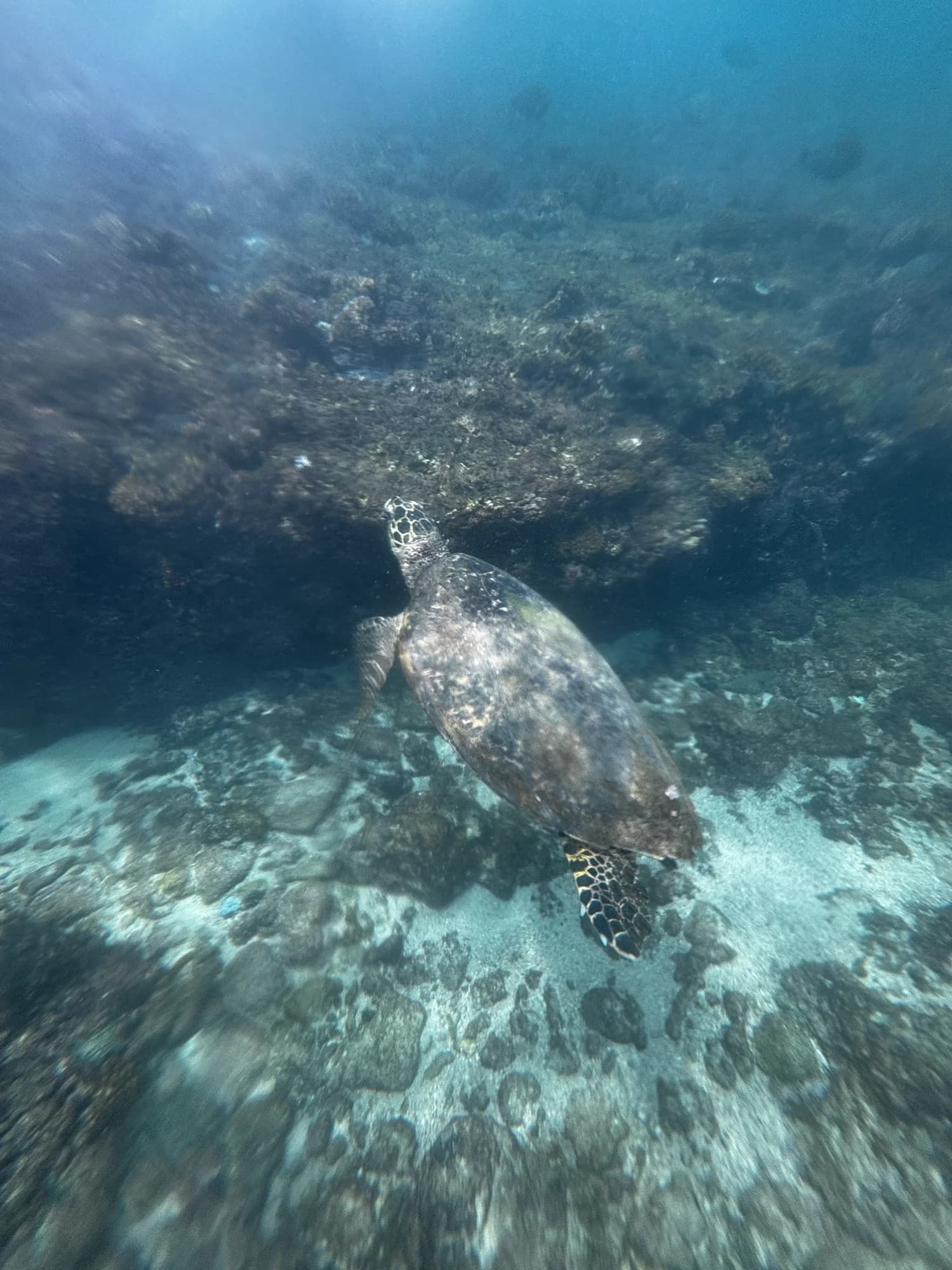
Hawksbill Turtle
General species description, not specific to this destination
Commonly seen on Caribbean reefs, where they feed primarily on sponges.
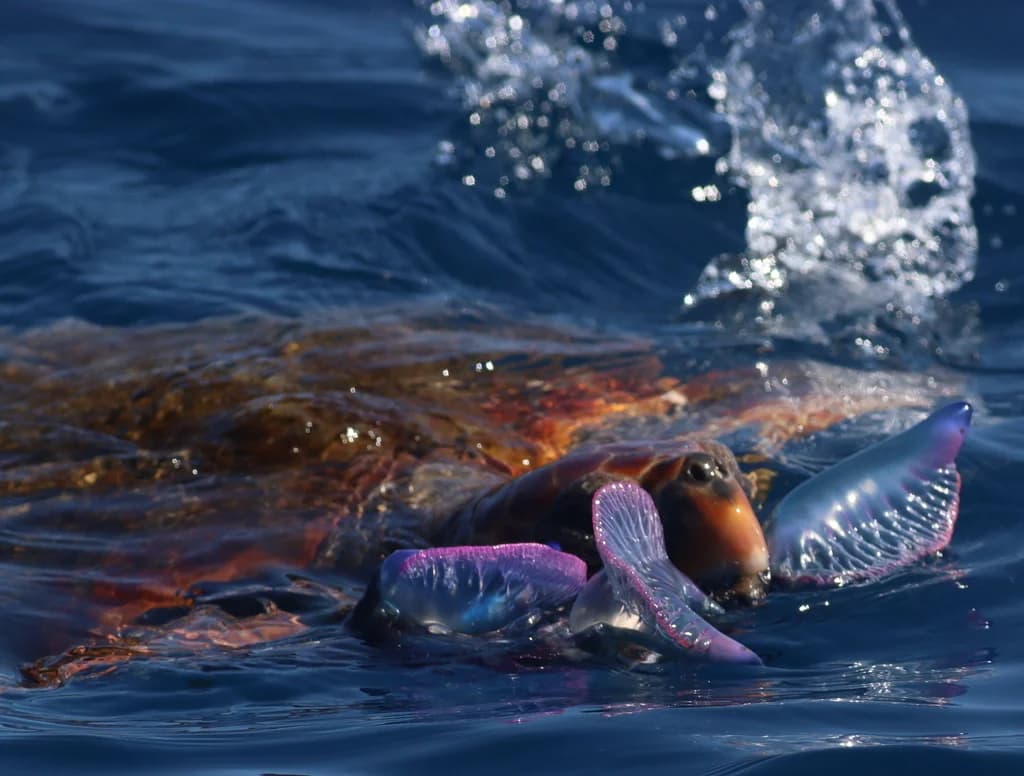
Loggerhead Turtle
Destination note
Regularly sighted at Formigas, Dollabarat, and other offshore banks from July to October
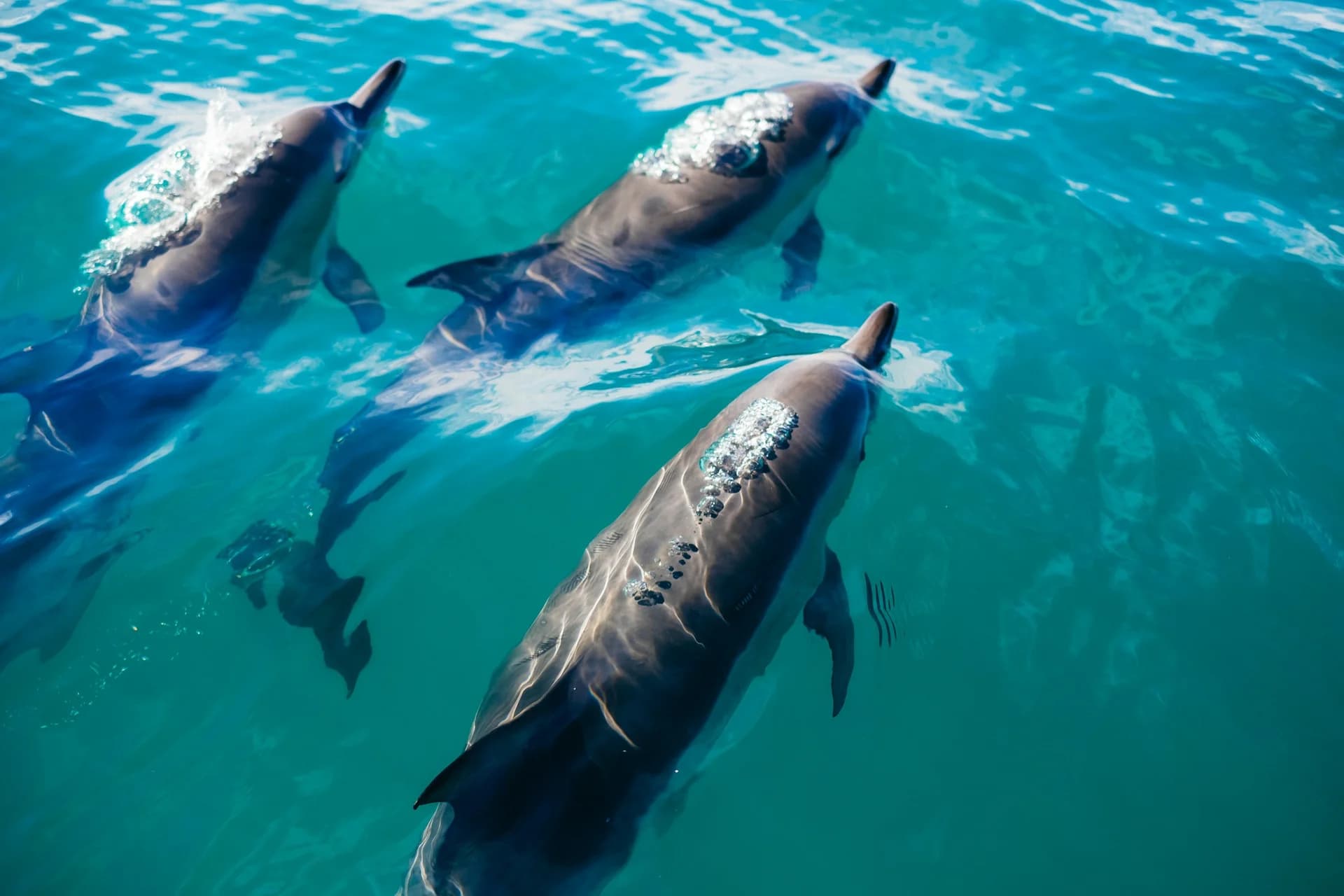
Atlantic Bottlenose Dolphin
Destination note
Year-round resident; frequently encountered during all seasons
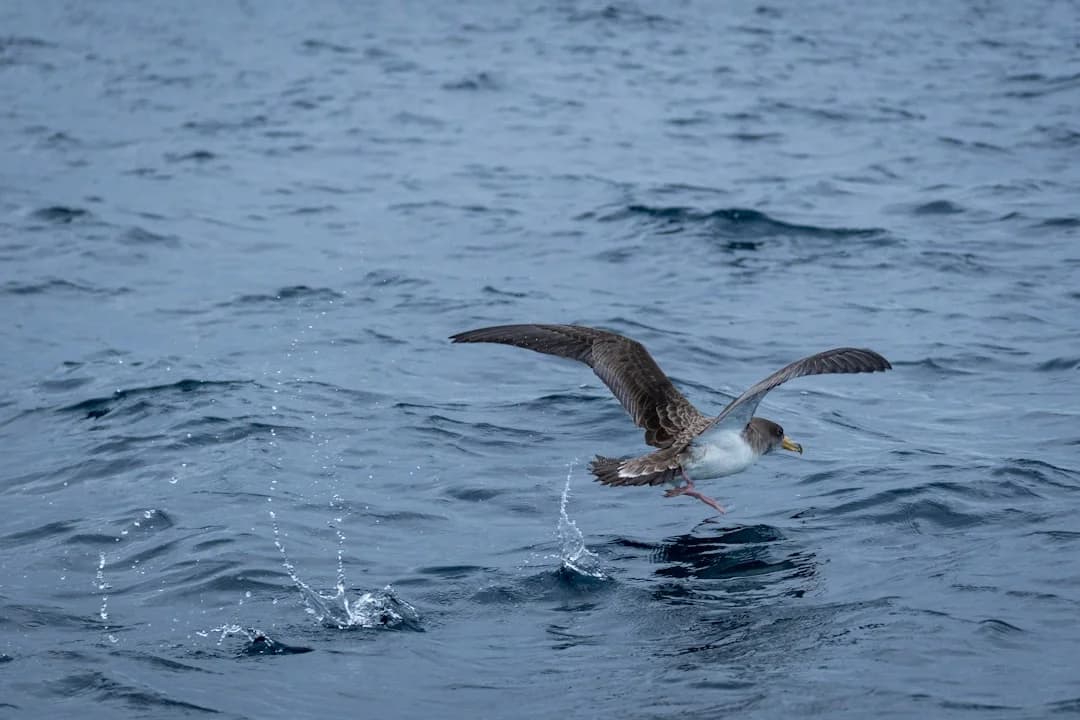
Cory's Shearwater
General species description, not specific to this destination
Cory's Shearwater (Calonectris borealis) is a marine species found in various oceanic habitats. It plays an important role in the ecosystem. Further details are being researched.
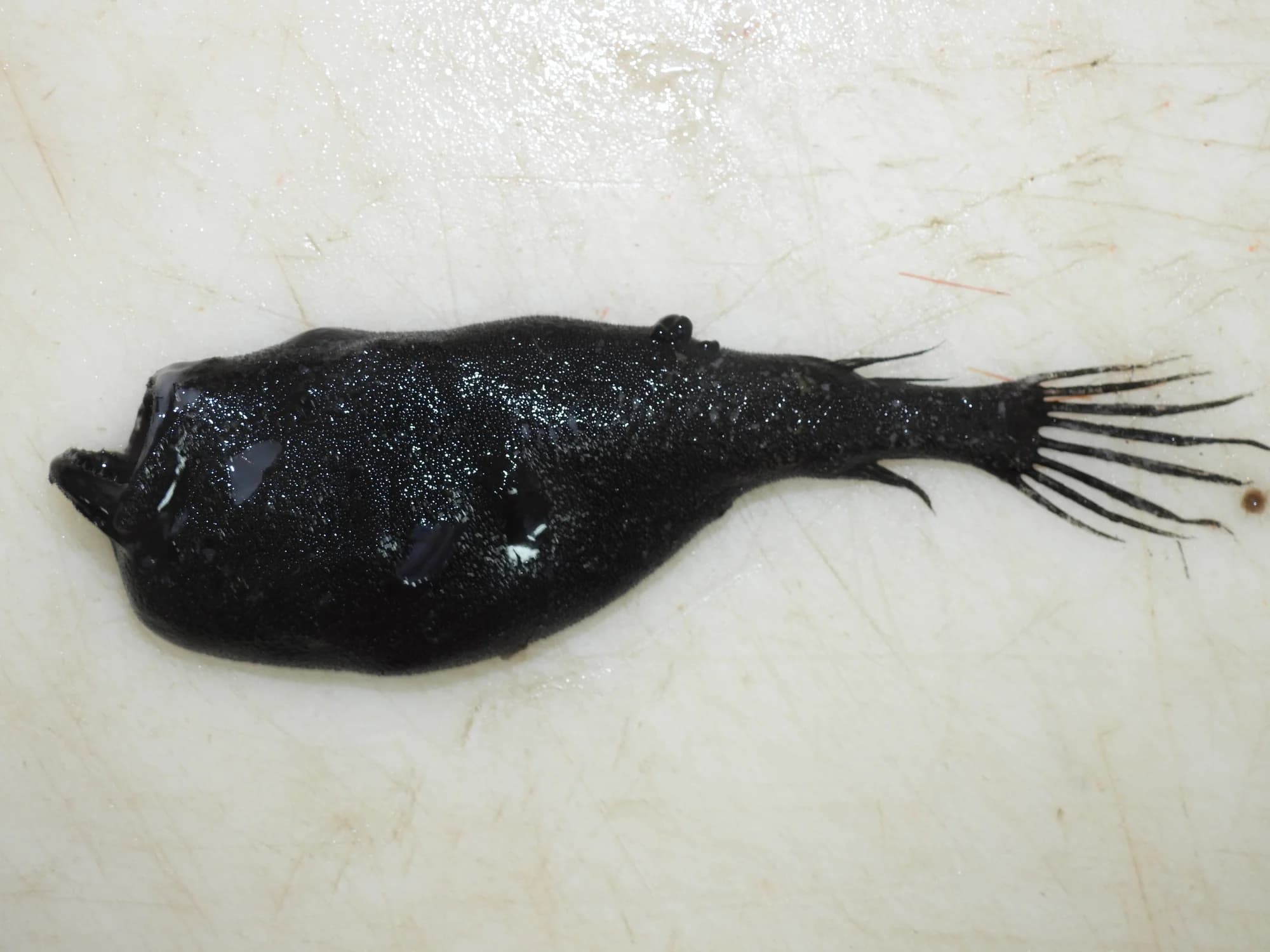
Deep-sea Anglerfish
General species description, not specific to this destination
A deep-sea fish with a globular body, large mouth lined with sharp teeth, and a distinctive bioluminescent lure (esca) extending from the head on a modified dorsal spine. Females grow much larger and are the dominant hunters. Males are small, parasitic and fuse permanently to the female for reproduction.
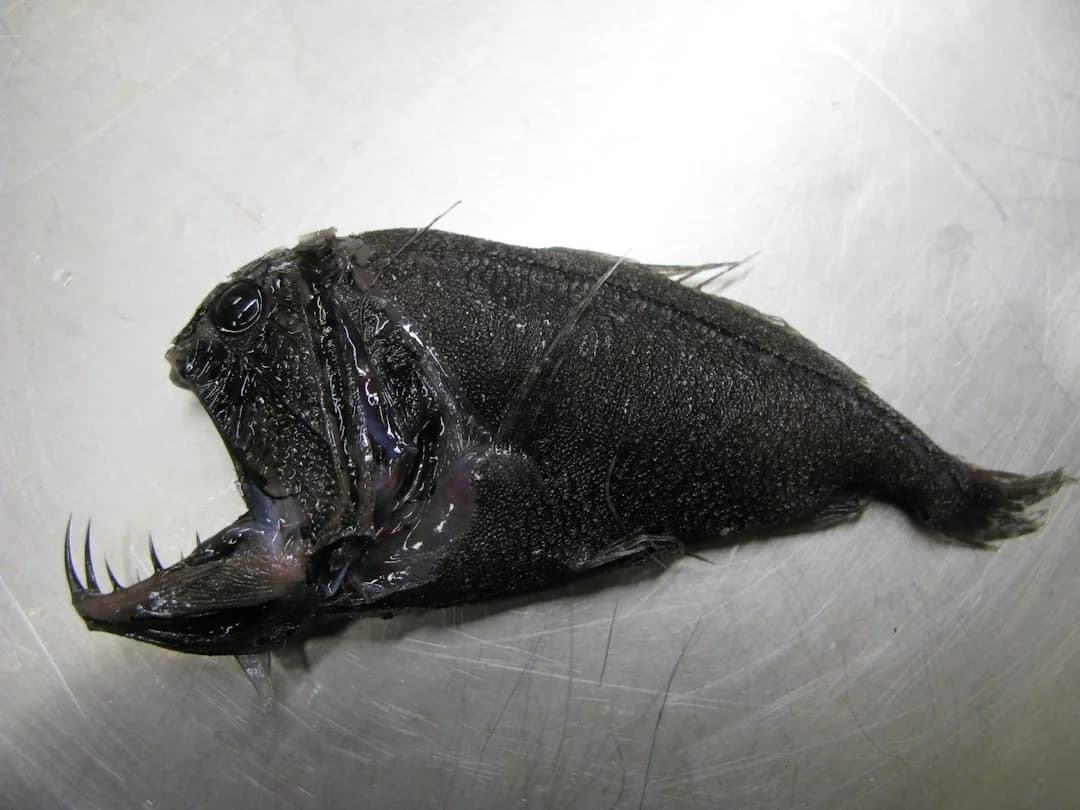
Humpback Anglerfish
General species description, not specific to this destination
The humpback anglerfish is a deep-sea anglerfish known for its distinctive illicium (fishing rod) and esca (lure) used to attract prey in the dark depths. It has a large mouth with sharp teeth and a soft, pliable body.
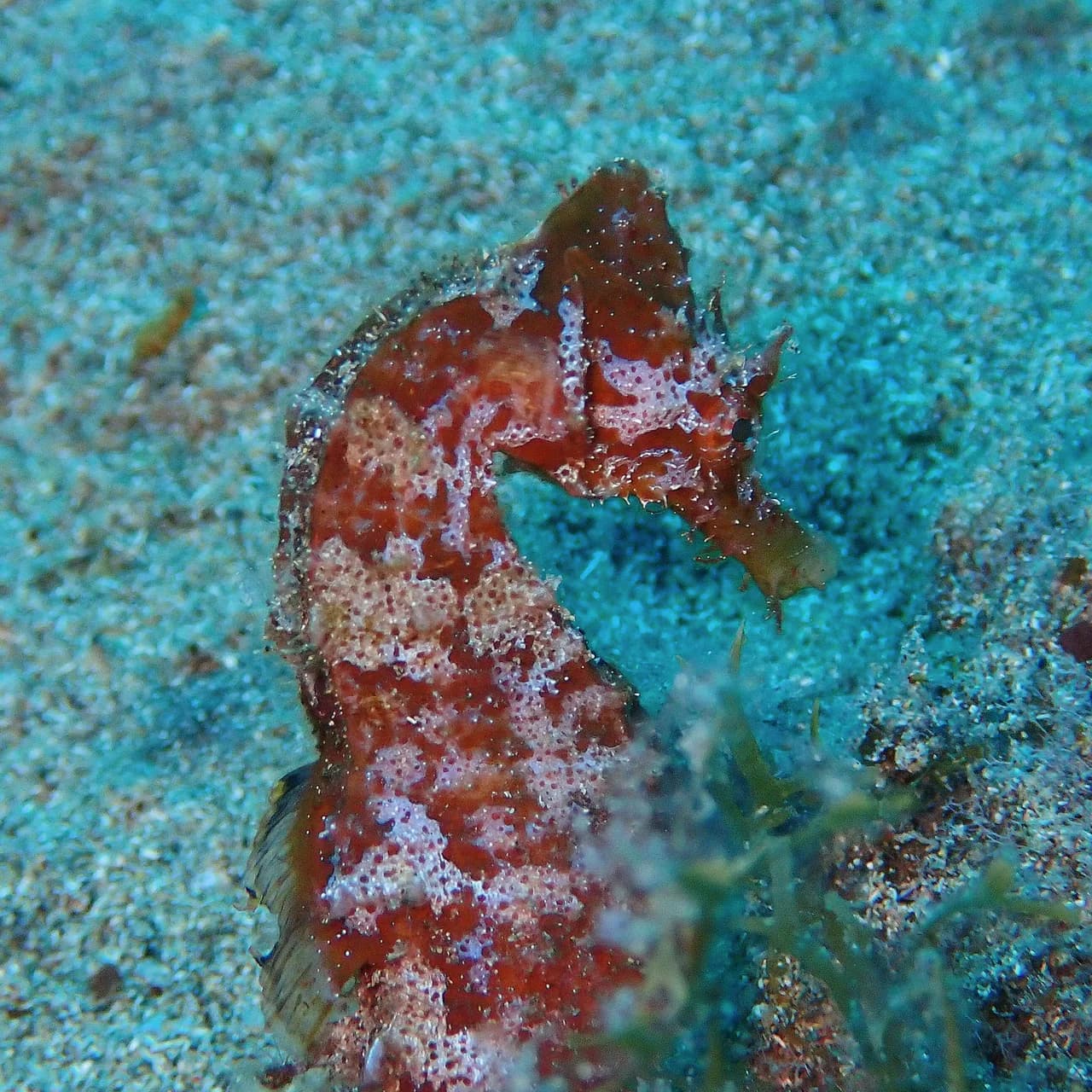
Photo: Hippocampus hippocampus, iNaturalist observation 254707693, photo 456289042 — Donald Davesne · CC BY 4.0 · Cropped to a reviewer-selected 1536×1536 px square at (195, 0) of the 2048×1536 px original, resized to 1280×1280 (main) and downscaled to 400×400 (thumbnail), and encoded as WebP with metadata removed.
Short-snouted Seahorse
General species description, not specific to this destination
A marine species with typical characteristics for its taxonomic group. Found in various marine habitats.
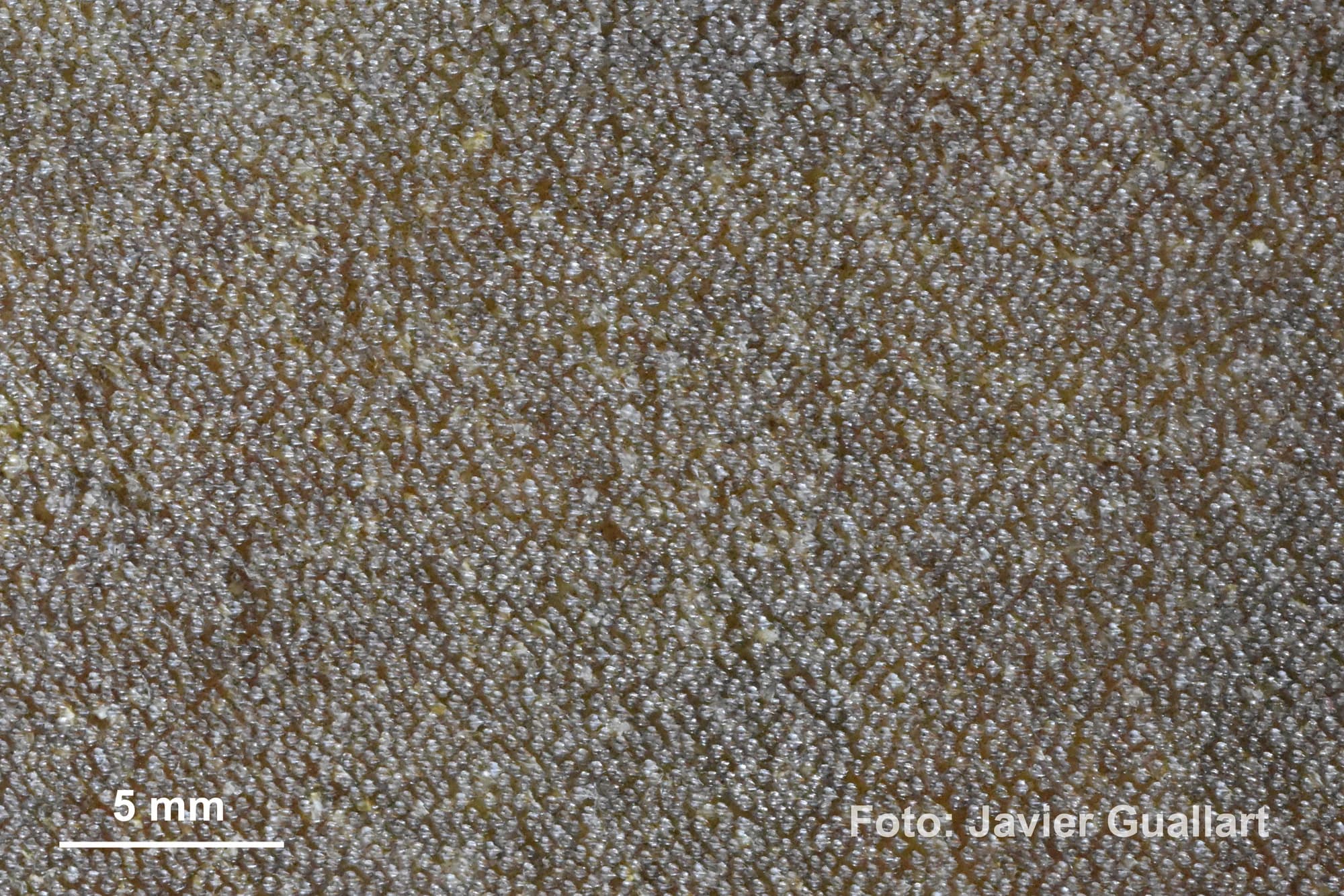
Bluntnose Sixgill Shark
General species description, not specific to this destination
A large, primitive shark with six gill slits on each side instead of the usual five found in modern sharks. Has a broad, blunt snout, a single dorsal fin set far back, and a long tail. Coloration is grey to olive-brown. One of the largest predatory sharks, reaching up to 5 meters. Makes vertical migrations at night.
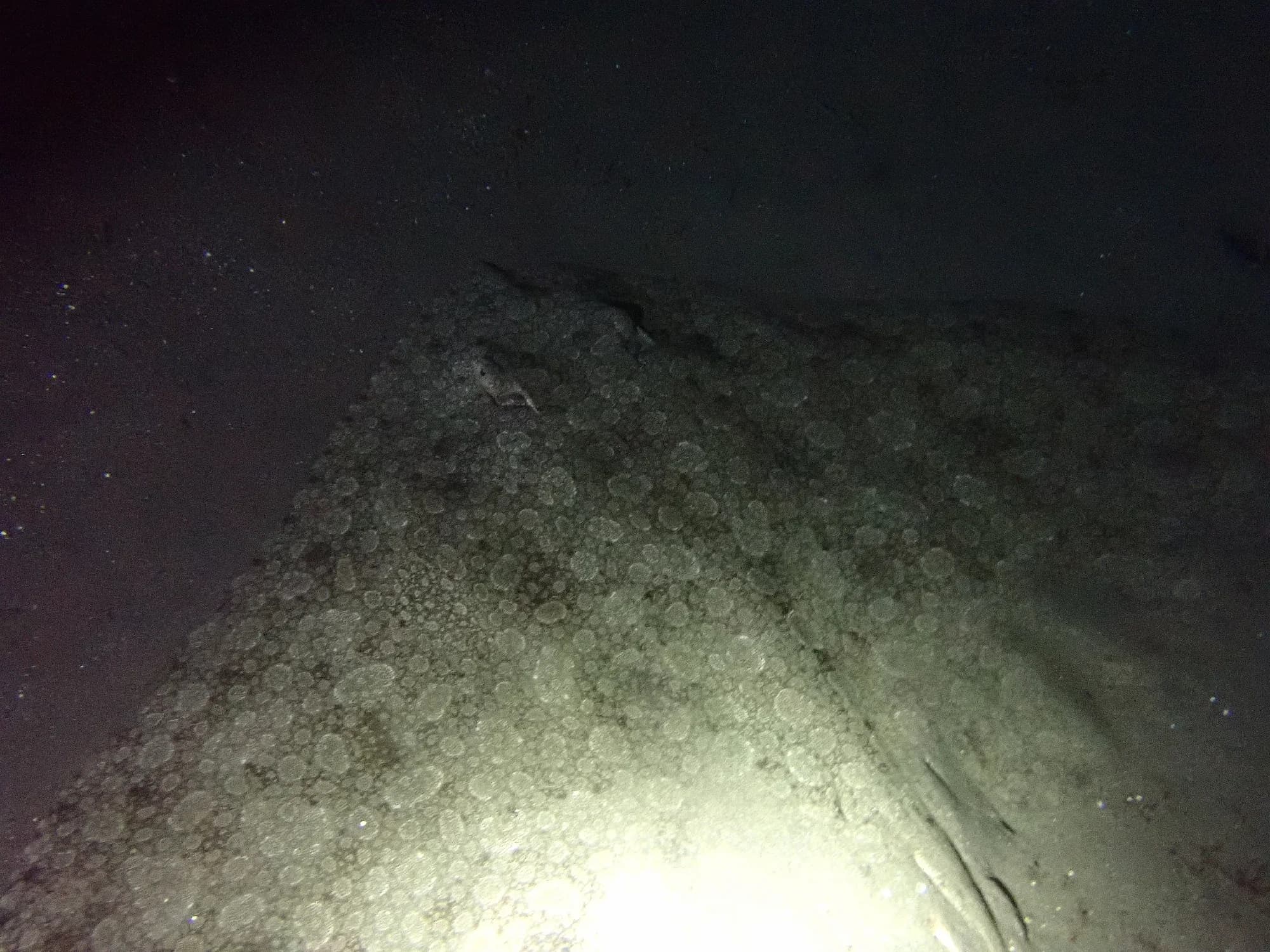
Spiny Butterfly Ray
General species description, not specific to this destination
A marine species with typical characteristics for its taxonomic group. Found in various marine habitats.
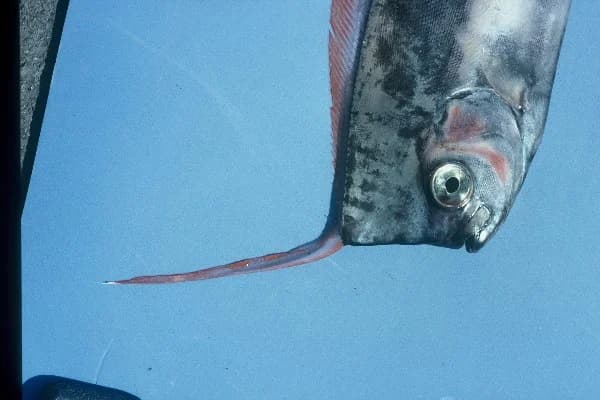
Crested Oarfish
General species description, not specific to this destination
An elongated, ribbon-like fish with a distinctive red crest or mane of fin rays on the head. The body is silvery with dark spots or bars running along the sides. Highly compressed laterally with large eyes adapted for dim mesopelagic waters. Rarely encountered by divers as it inhabits deeper waters.
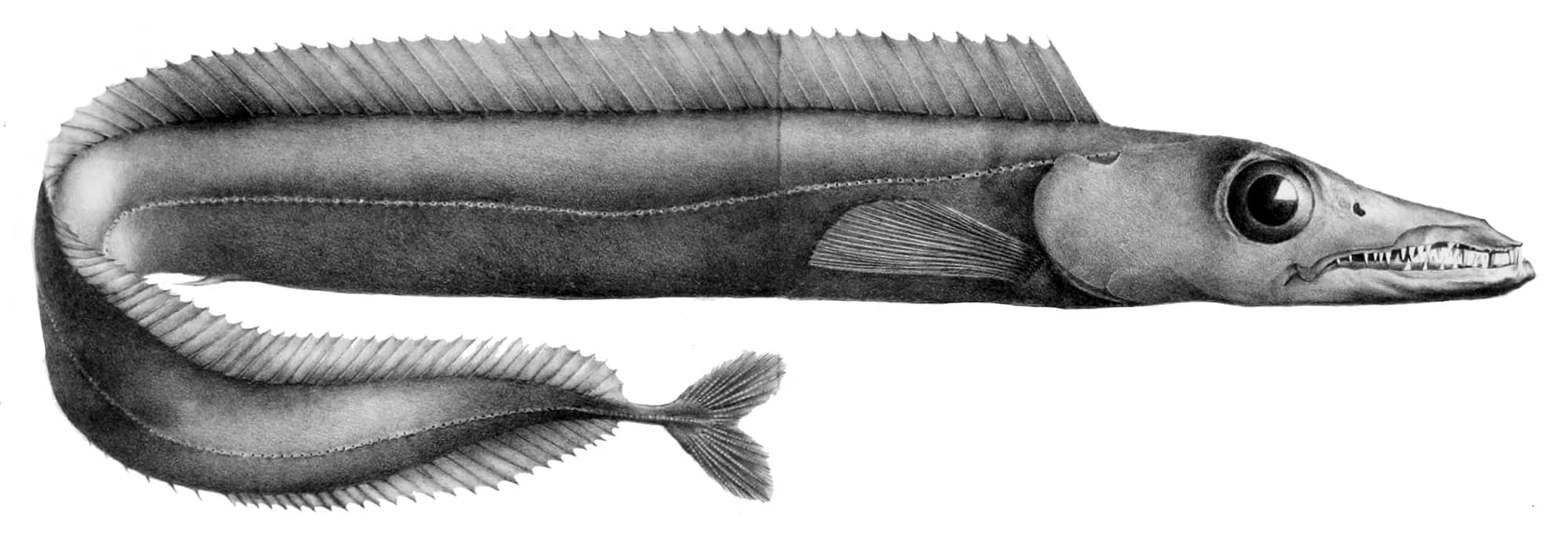
Black Scabbardfish
General species description, not specific to this destination
A deep-water pelagic fish with an elongated, eel-like body and a pointed snout. The body is blackish with a silvery sheen, and the teeth are large and fang-like. Reaches up to 1.3 m in length. Found at depths of 300-1500 m on the continental slope. It feeds on fish and squid. Rarely seen by divers except on very deep dives or when caught by deep-line fisheries. The species is commercially important in the Atlantic and Mediterranean.
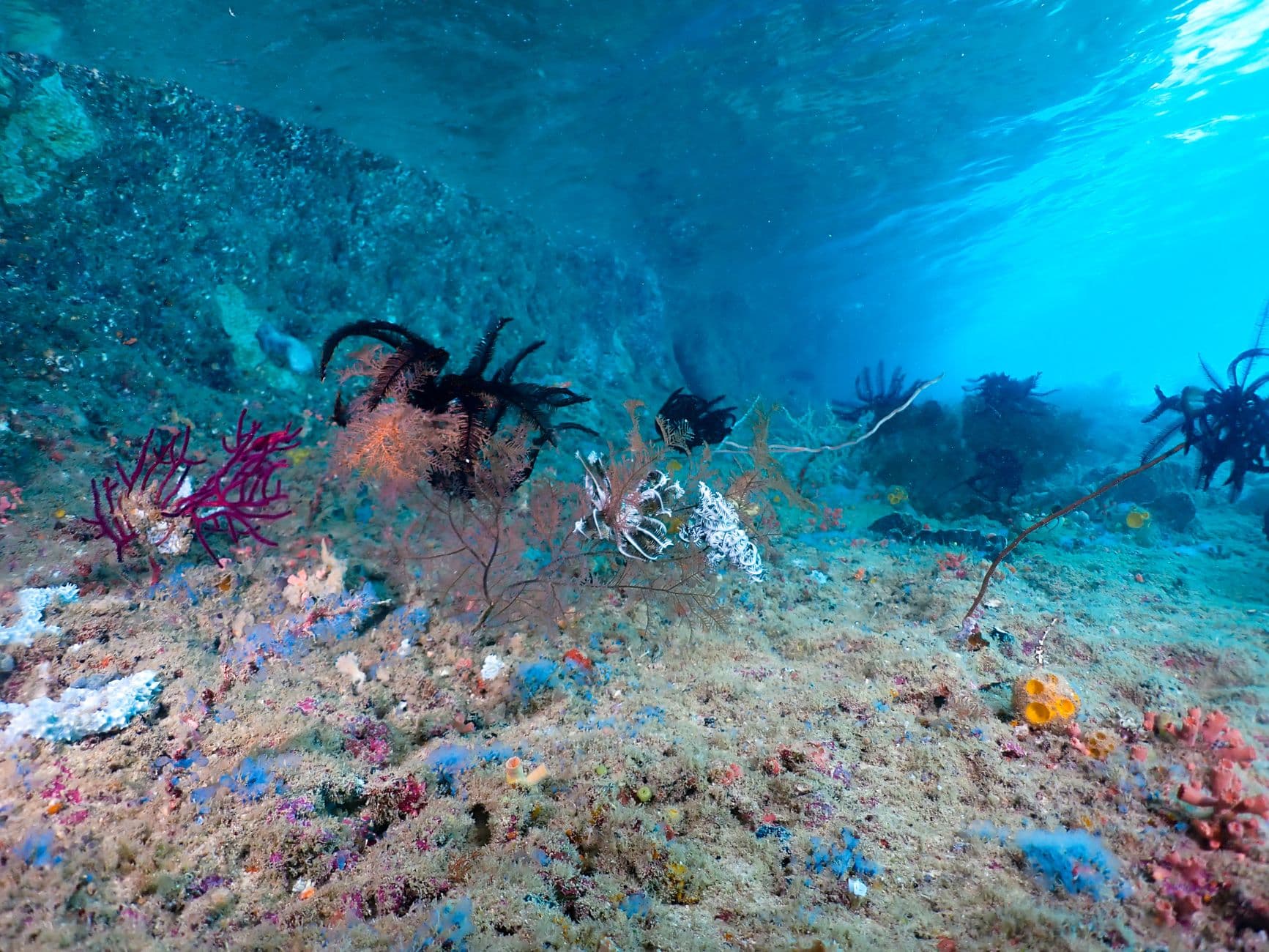
Diving with 1,000+ mobula rays and sharks in the Azores. Compare the best dive sites from Princesa Alice Bank to Vila Franca and choose your skill level.
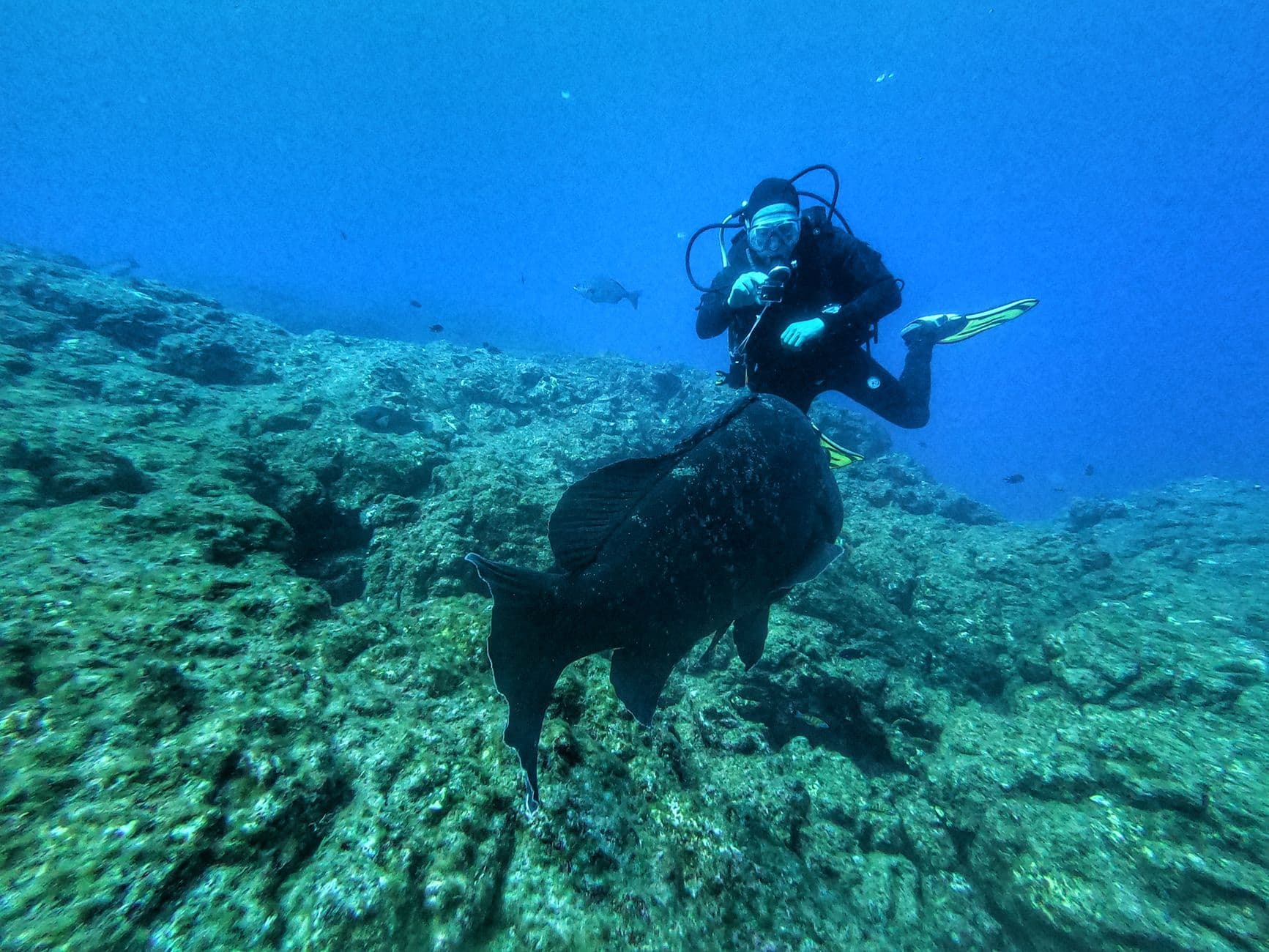
Swim with 1,000+ mobula rays, sharks, and mantas in the Azores — Europe's premier pelagic diving destination. Complete guide to the Azores.
Water 16–25 °C, visibility to 40 m, and open-ocean currents. Temperature, visibility, and season guide for diving the Azores archipelago.
Offline access, dive log, AI fish ID, live site maps, and trip planning.
Download on the App Store